
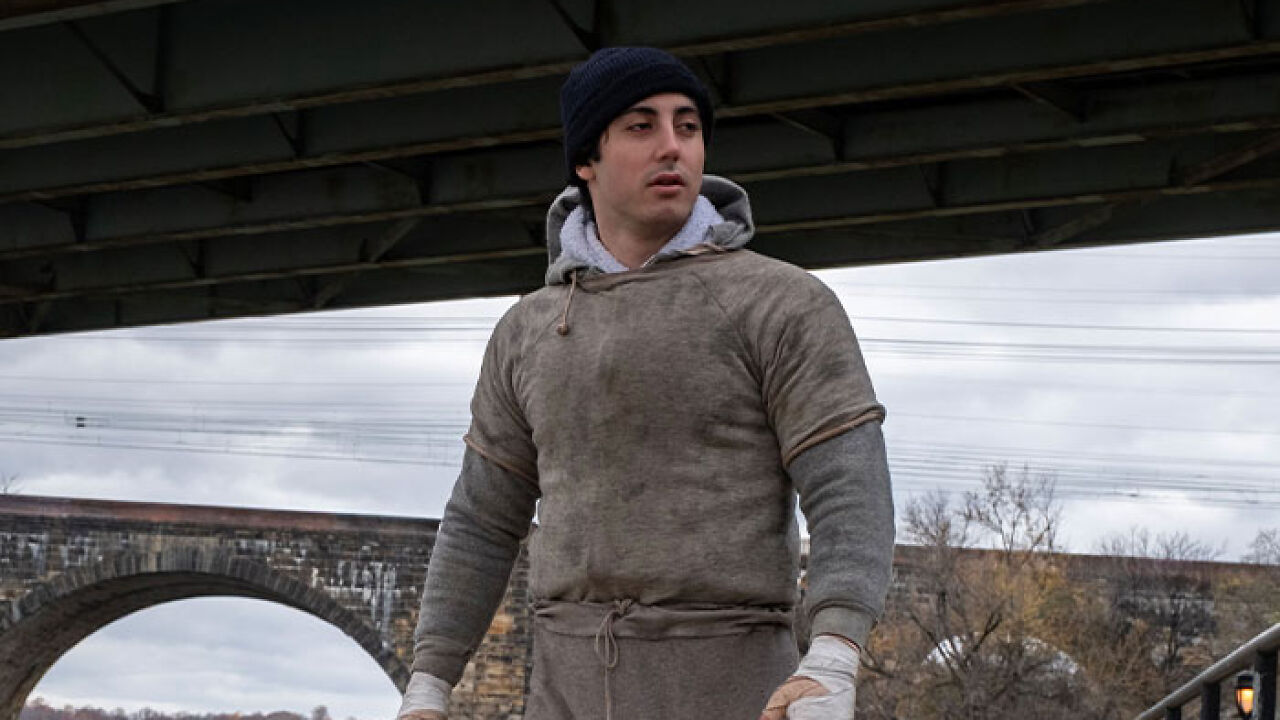
Some movie recreations are close enough to make audiences do a double take. And when it comes to bringing one of Hollywood's most beloved underdog stories back to the big screen, the internet has found plenty of reasons to compare the original with its new cinematic counterpart.
The latest comparisons involve Rocky (1976) and I Play Rocky, a biographical drama about the extraordinary journey behind Sylvester Stallone's Oscar-winning boxing classic.
Released in theaters on November 6, 2026, I Play Rocky is directed by Peter Farrelly, while Anthony Ippolito takes on the challenging role of a young Stallone.
After its release, a viral social media post has drawn attention to how closely the new film recreates moments and details from the original, prompting fans to revisit the story behind the iconic movie's making.
While the film has received generally positive reviews from critics, its portrayal of the events surrounding Rocky has also raised questions about historical accuracy.
#1
© Photo: MGM Studios
Before becoming one of Hollywood's most recognizable action stars, Sylvester Stallone was a struggling actor trying to find his footing in New York City.
His difficult circumstances form the core premise of I Play Rocky, which begins with a down-on-his-luck Stallone. He is on the edge of homelessness when he reluctantly stars in a softcore adult film to help pay his rent.
In reality, Stallone struggled to pay rent and even spent some nights sleeping at a bus terminal. He eventually starred in the 1970 adult film titled The Party at Kitty and Stud's. The film was later re-released as Italian Stallion to capitalize on Rocky's success.
#2
© Photo: MGM Studios
As seen in I Play Rocky, Stallone once tried to sell his beloved dog, Butkus, because he could no longer afford to look after him. He eventually got the dog back and even cast him as Rocky's pet in the original film, the actor revealed in a 2017 Forbes interview.
In his 1978 Playboy interview, Stallone offered a glimpse into just how desperate things had become.
“I was at the end, the very end of my rope. Instead of doing something desperate, I worked two days for $200 and got myself out of the bus station,” he said.
#3
© Photo: MGM Studios
The biopic's portrayal of Stallone's difficult circumstances draws on a particularly challenging period in his life, when becoming a Hollywood leading man seemed anything but guaranteed.
One of the most important parts of I Play Rocky is the moment Stallone finds the inspiration to write the boxing drama that would change his fortunes.
The story traces back to the 1975 heavyweight title fight between underdog Chuck Wepner and reigning champion Muhammad Ali. Wepner's unexpected ability to stand up to the champion reportedly inspired Stallone to develop the story of Rocky Balboa.
#4
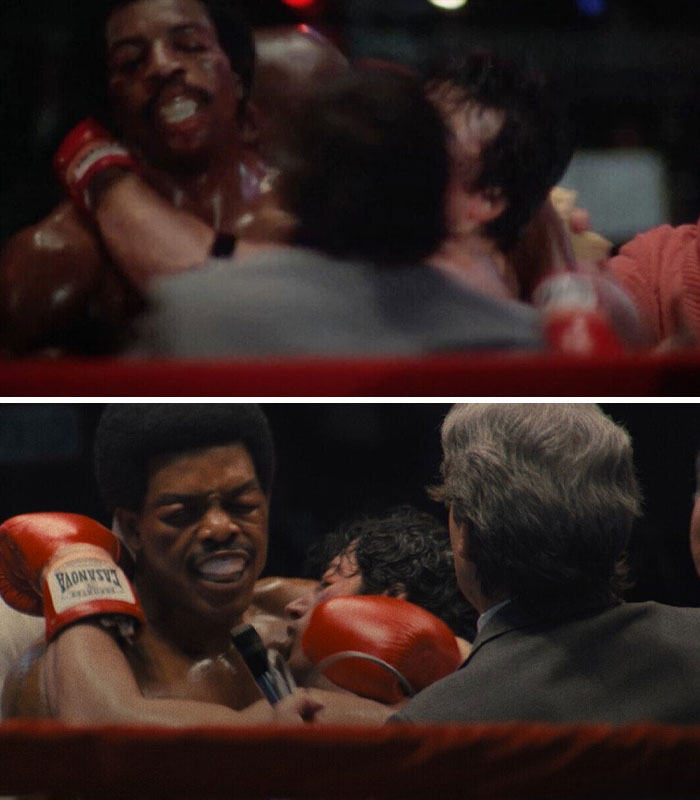
© Photo: MGM Studios
The biopic accurately captures the extraordinary speed with which the screenplay came together. Stallone reportedly wrote the first draft of Rocky in just three and a half days.
However, the movie slightly condenses the actual timeline. Rather than immediately returning home from a bar and starting to write, Stallone let the idea develop over about 10 months.
The handwritten drafting process, however, is accurate.
#5
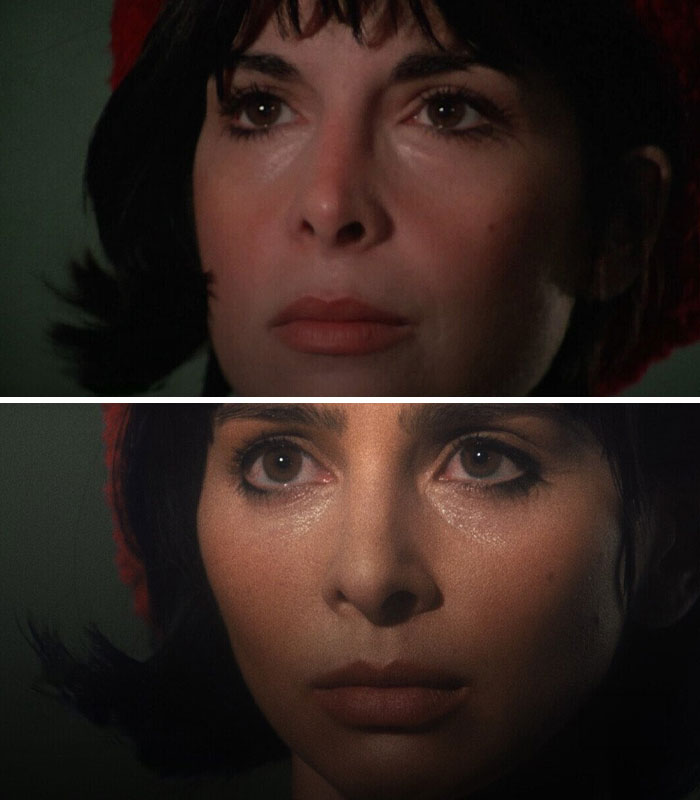
© Photo: MGM Studios
In a New York Times interview, Stallone recalled getting up early every morning to work on the screenplay, writing everything by hand before his then-wife, Sasha Czack, typed up the pages.
“I’d get up at 6 A.M. and write it by hand, with a Bic pen on lined notebook sheets of paper. Then my wife, Sasha, would type it,” he shared.
It was a painstaking process, but the screenplay would eventually become the foundation for a movie that changed Stallone's career.
However, given his lack of bankability, Hollywood executives initially did not want Stallone to play the leading character. Despite loving the screenplay, studio executives wanted an established actor to portray Rocky Balboa.
#6
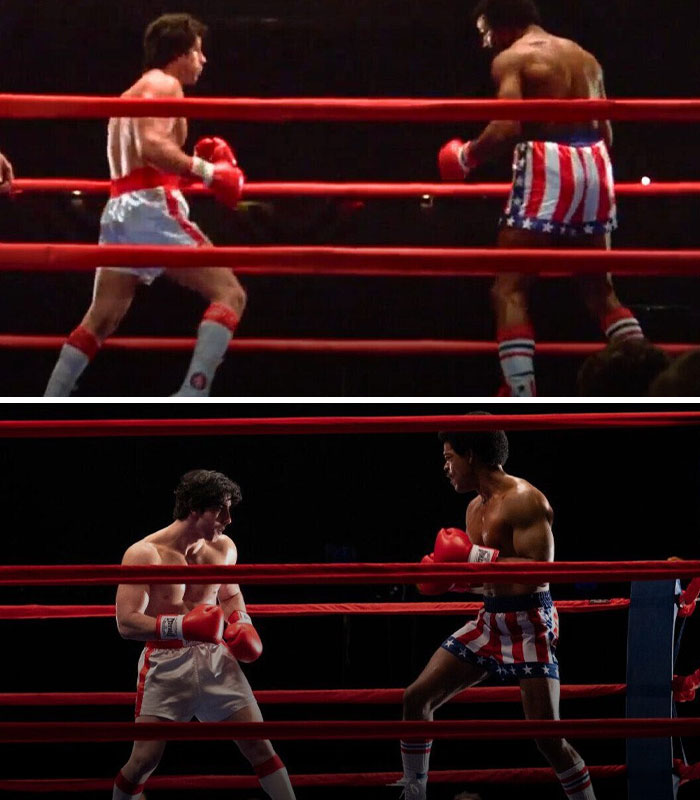
© Photo: MGM Studios
According to Variety, the producers considered James Caan, Nick Nolte, and Ryan O'Neal for the role. Stallone, however, was unwilling to separate himself from the character he had created. He repeatedly refused to sell the screenplay unless he could play Rocky himself.
His early agent, Larry Kubik, recalled the studio's position during an appearance on the Se*y Boomer podcast.
“I was told by United Artists that Mike Medavoy loved the script. But he loves it for Jimmy Caan. So I said, ‘That is not going to happen,’” Kubik said.
It was an extraordinary gamble for someone who reportedly had as little as $106 in his bank account. The offers for the screenplay eventually climbed to $360,000, but Stallone kept his ground.
#7
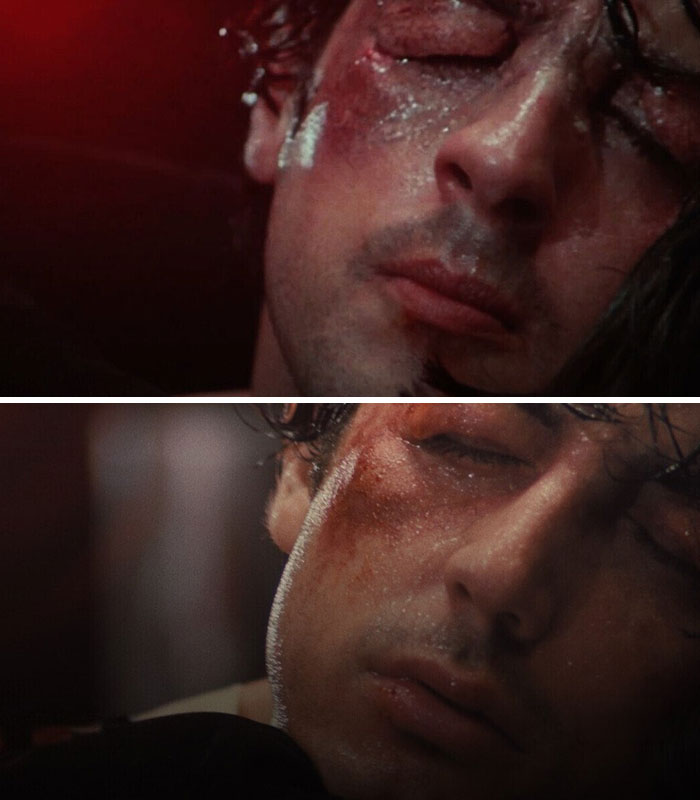
© Photo: MGM Studios
Even after the producers agreed to move forward with him, the actor had to work under conditions that left very little room for failure.
As depicted in I Play Rocky, the production came with a strict budget and schedule. More importantly, the producers retained the right to replace Stallone if the arrangement did not work out.
The actor discussed the unusual contract during a 2005 appearance on The Howard Stern Show, stating:
“We have a 14-day thing where we can fire you any time and, more importantly, we can reduce it down to 900 grand, all in, and if you can do the thing in 30 days, OK. If not, it’s over.”
#8
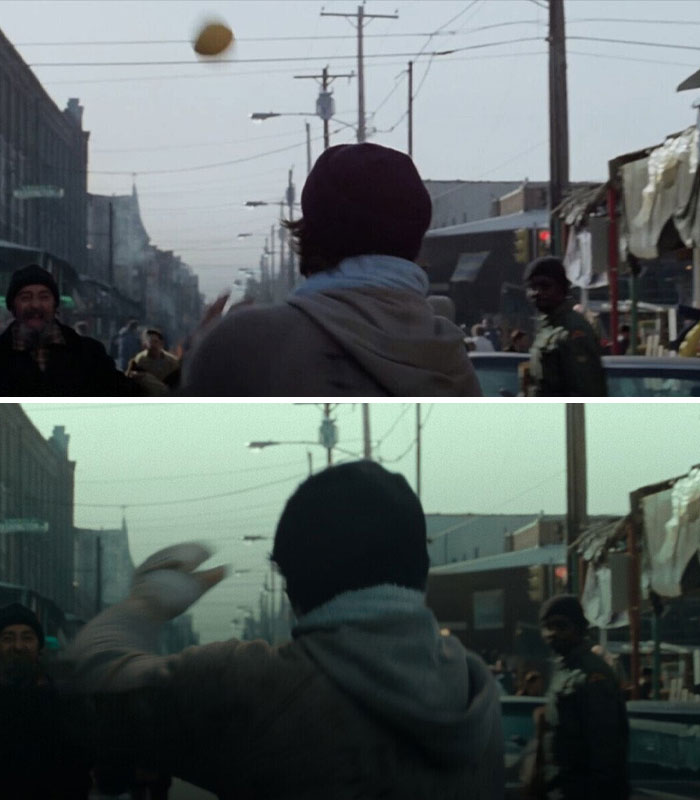
© Photo: MGM Studios
The arrangement effectively meant that Stallone had to prove himself while working under considerable pressure. For a relatively inexperienced actor who had fought so hard to secure the role, the stakes could hardly have been higher.
Casting Apollo Creed was another important moment in the making of Rocky. While the late Carl Weathers played Creed in the 1976 film, I Play Rocky details his casting with Stephan James playing the role.
Despite Stallone and Weathers’ charismatic portrayal of the two boxers, their first meeting wasn’t exactly pleasant.
#9
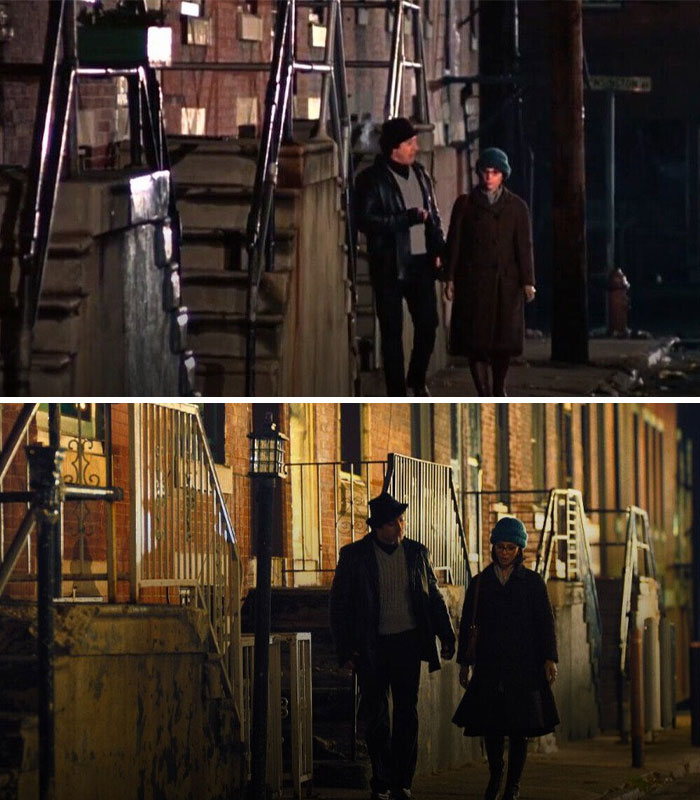
© Photo: MGM Studios
Unaware that the man reading lines opposite him was both the film's screenwriter and its leading actor, Weathers openly criticized Stallone's acting.
Rather than choosing his words carefully, the actor suggested he would perform better with a proper scene partner.
Recalling the incident on The Rich Eisen Show, Weathers explained how he thought he had ruined his chances of getting the role.
He said, “I'm really nervous because I think I blew the interview and blew the audition. So I chirp out, ‘You know, if you get me a real actor, I could do a lot better.’
“And Stallone looks up at me like, ‘This idiot, who’s he? Who does he think he is?’”
#10
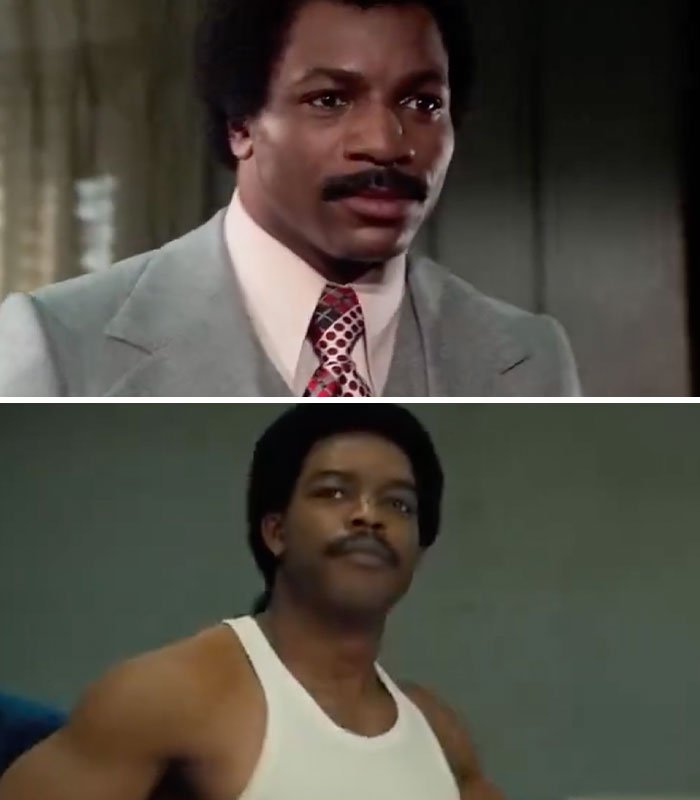
© Photo: MGM Studios
What could easily have become an awkward audition instead helped establish the confidence and personality that made Weathers right for Apollo Creed.
It was an unusual first meeting between two actors who would eventually become central to the Rocky franchise.
Recreating the making of Rocky also meant capturing the production difficulties that shaped the original film.
The 1976 movie was made under a $1 million budget and a 28-day shooting schedule. Producers Irwin Winkler and Robert Chartoff reportedly mortgaged their own homes as collateral to help secure the production.
Not everything that made the original Rocky memorable was necessarily planned in advance.
#11
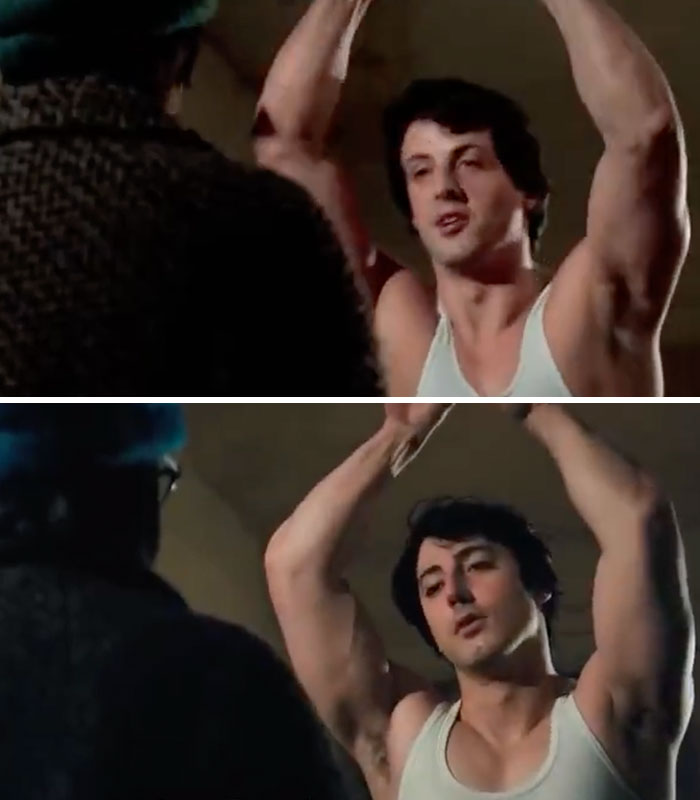
© Photo: MGM Studios
One of the film's most emotionally significant moments, involving Rocky and his trainer Mickey, was not part of Stallone's original screenplay.
The scene features Rocky running after Mickey and delivering an emotional monologue. It became an important moment between the two characters, but the filmmakers initially struggled to find the right dramatic hook.
With the production running short on time, Stallone improvised the moment, and the scene was captured in a single take.
Director Peter Farrelly confirmed the account in a press release, explaining that the production had been struggling to find the right direction for the scene.
He explained, “The way we have it is 100 percent accurate — they couldn’t find a hook for that scene, when Rocky runs after Mickey. They needed something else, and they were on the clock. So Stallone stepped away, then improvised something additional in 5 minutes.”
As seen in the film, Stallone severely damaged his knuckles while punching frozen meat because the crew did not have enough time to thaw it before filming. However, he also suffered several other injuries while filming as he reportedly pulled a leg tendon and bruised his ribs.
#12
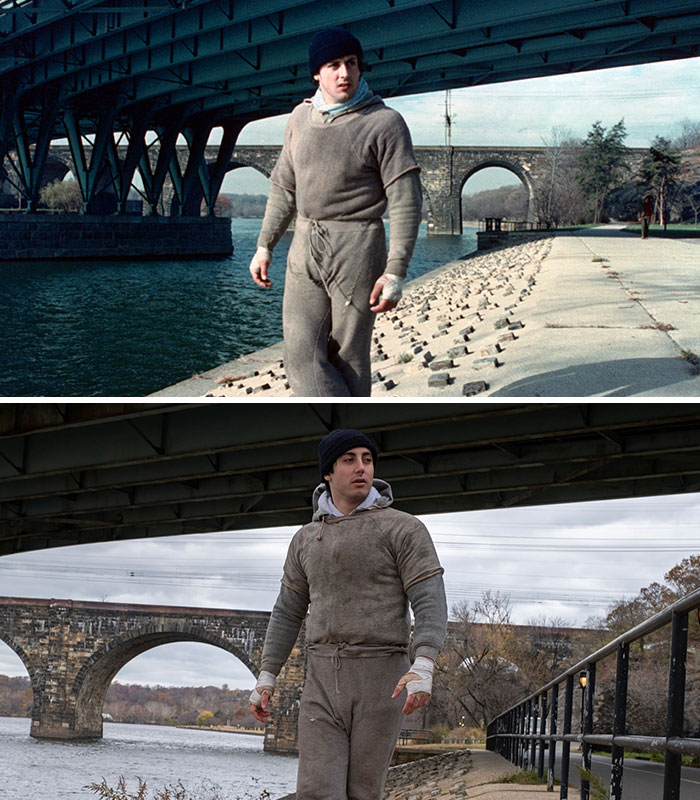
© Photo: Silver Screen Collection/Getty Images
The film was originally conceived as a New York story, but the production eventually shifted to Philadelphia to reduce costs. While most interiors were filmed in Los Angeles, the crew spent five hectic days capturing exterior footage around Philadelphia.
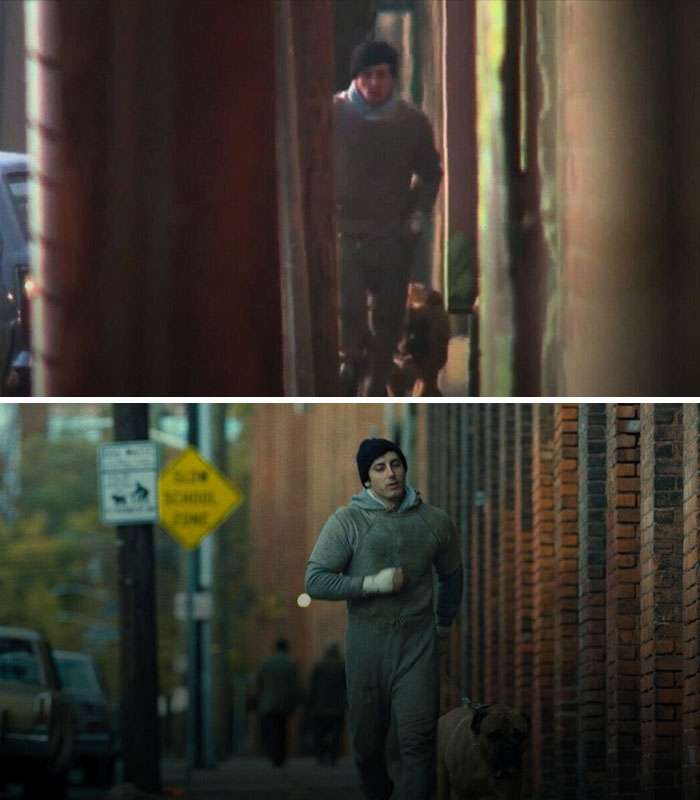
One of the more interesting aspects of I Play Rocky is its recreation of the Philadelphia locations that became inseparable from the original film. The biopic recreated some of the original's most iconic visuals by returning to the exact landmarks used in the 1976 production.
Among them are the Philadelphia Museum of Art steps, the Girard Avenue Bridge, and the exterior of Rocky's apartment, known as Billy Penn.
Director Peter Farrelly discussed filming at the original locations in an interview with Billy Penn.
“When we got to his apartment, outside his apartment that night, you could feel the ghosts of Rocky there... We were setting up with the exact same angle as he’s running through there,” he said.
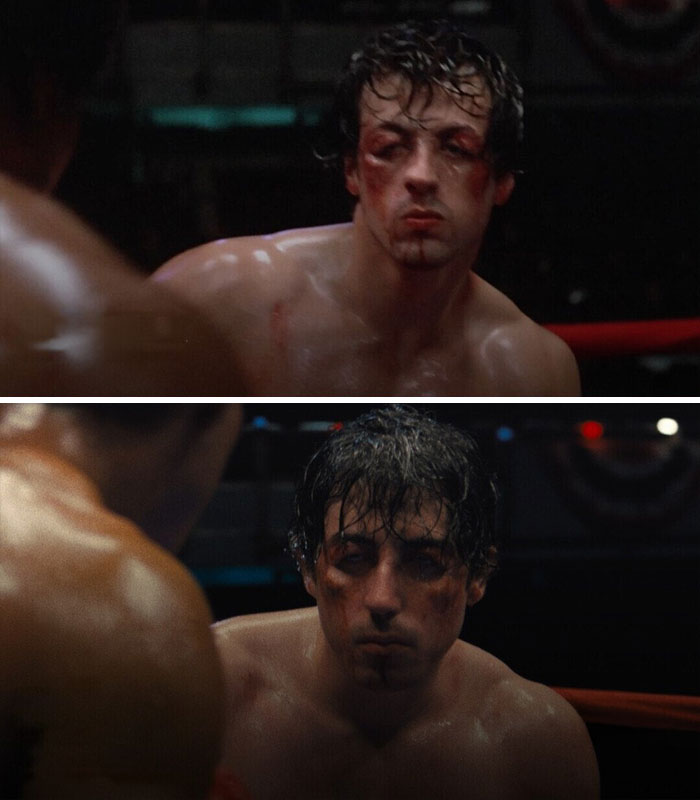
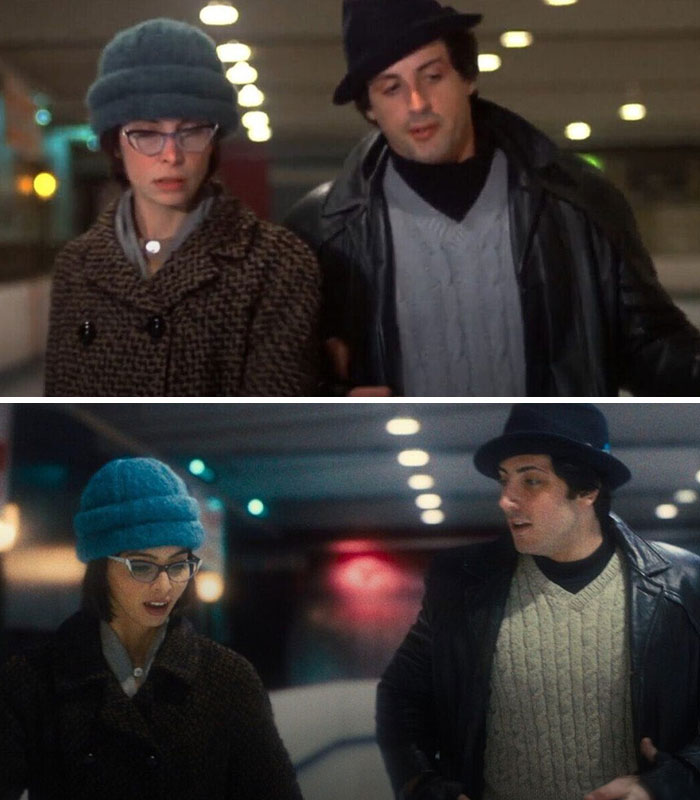
On social media, the film’s recreation of some of the most iconic Rocky frames impressed many viewers. In a Reddit thread, several users agreed that I Play Rocky nailed various visual aspects and scenes from the original.
“The attention to detail is really impressive,” one person wrote.
Another commented, “Down to the lights and matching the wardrobe of the background characters. Not sure if I’ve ever seen this dedicated level of detail in recreation scenes.”
“Nice to see they even went back to the same locations to get the exact same frames,” a third added.
However, not everyone was pleased with the recreation, as some fans argued the new movie missed the one aspect that mattered most.
One user pointed out that the 1976 film used warm colors, which made the visuals more appealing. In contrast, the 2026 recreation used a more muted green-and-teal palette that turned off many viewers.
One user asked, “Why is the color grading so green in I Play Rocky?”
“Compositions and styles are on point; the color grading puts me off, though,” another said.
A third added, “All that money on getting every scene spot on and getting cast to look exactly like the OG, just to mess up the colors.”