
Back in 2018, Italian illustrator Mauro Gatti noticed that the steady stream of grim headlines was making him anxious. Instead of tuning out, the Emmy-winning creative director (the award came for his work on the children’s series StoryBots) went looking for the stories that rarely make the front page. That search became The Happy Broadcast, a project he created to counter the culture of hate and fear with fact-checked, “anxiety-free” news from around the world.
Every post pairs a real story with one of Gatti’s signature drawings: simple, round-faced characters and cheerful creatures set against bold, bright backgrounds. The formula clearly works. The Instagram page now has over 807,000 followers and more than 1,500 posts. The idea has also grown into a TikTok account, a 2020 book and WHOLE, a mental wellness app the artist runs with his business partner Keith Bonnici.
Animal rights were among the topics Gatti wanted to see covered from the start, and his book even features a cuddle club that pairs senior dogs with elderly people. For this collection, we’ve picked 30 animal-related illustrations from The Happy Broadcast. They range from new laws protecting cats and dogs to daring rescues, progress in veterinary care and lost pets making their way home. Scroll down to see what’s been going right for animals lately, and follow The Happy Broadcast on Instagram if you’d like more of this kind of news between the usual headlines.
More info: Instagram | Facebook
#1
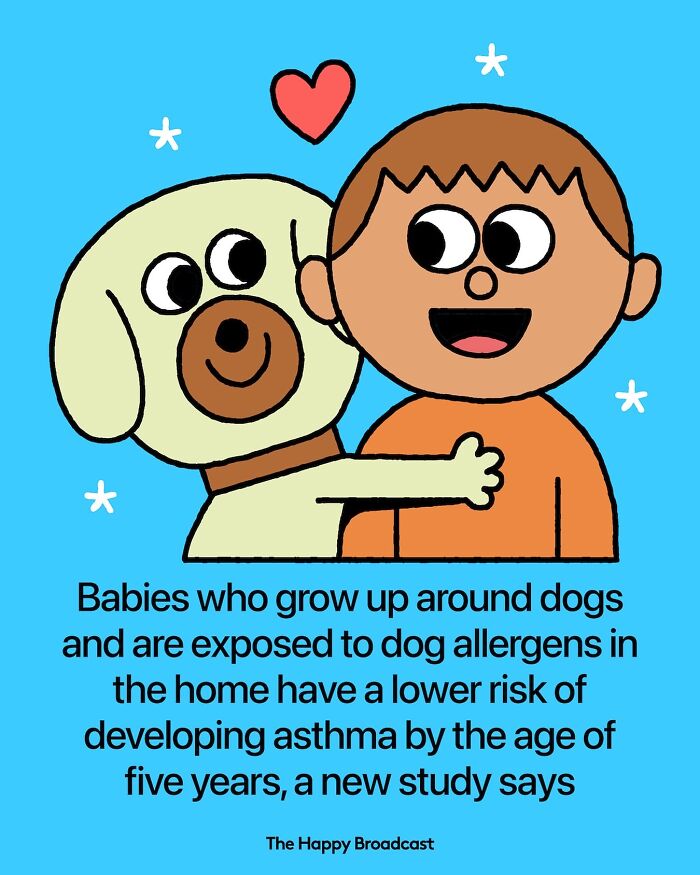
A recent analysis published by the European Respiratory Society suggests that infants who grow up around dogs are less likely to develop childhood asthma. The study, which compiled and assessed existing research data, found a modest but consistent protective link between early dog exposure and respiratory health, though interestingly, the same effect was not observed for cats. Living with cats did not appear to offer the same asthma-protective benefits, underscoring that not all pet exposures are equal in their impact on childhood immune development. Researchers theorize that early exposure to dogs may introduce a wider variety of environmental microbes—bacteria and other microorganisms, that help “train” an infant’s immune system, reducing the overactive allergic responses that lead to asthma. In contrast, the microbial environment cats introduce might be less diverse or beneficial in the same way. While this finding doesn’t establish causation, it adds to the growing body of evidence that early-life environmental exposures, including interactions with pets, may play a significant role in shaping long-term respiratory health.
© Photo: the_happy_broadcast
#2
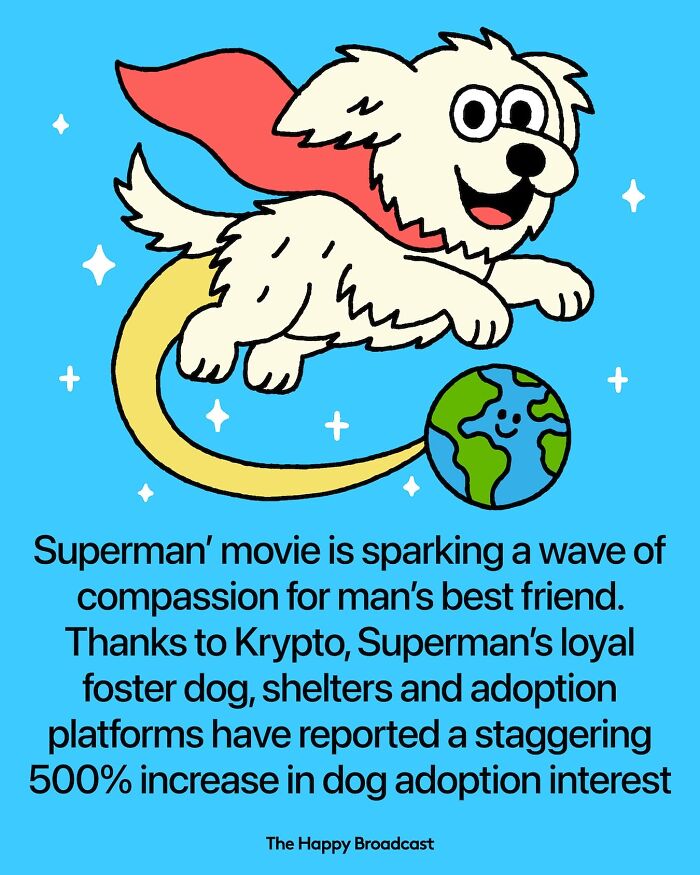
The release of James Gunn’s latest Superman film has led to a dramatic increase in public interest in dog adoption—searches for “adopt a dog near me” spiked by more than 500% following the movie’s debut, according to data from dog-training app Woofz. This surge is largely attributed to Krypto the Superdog, the CGI canine companion modeled after Gunn’s own rescue dog, Ozu. Specifically, searches for “adopt a schnauzer” jumped nearly 300%, reflecting Krypto’s breed mix popularity . Film studios and nonprofits capitalized on the momentum by waiving adoption fees between July 1–10, resulting in around 454 adoptions nationwide. Both the director and pet professionals stressed the importance of understanding a pet’s needs and ensuring that new adopters are prepared for training, healthcare, and lifestyle adjustments.
© Photo: the_happy_broadcast
#3
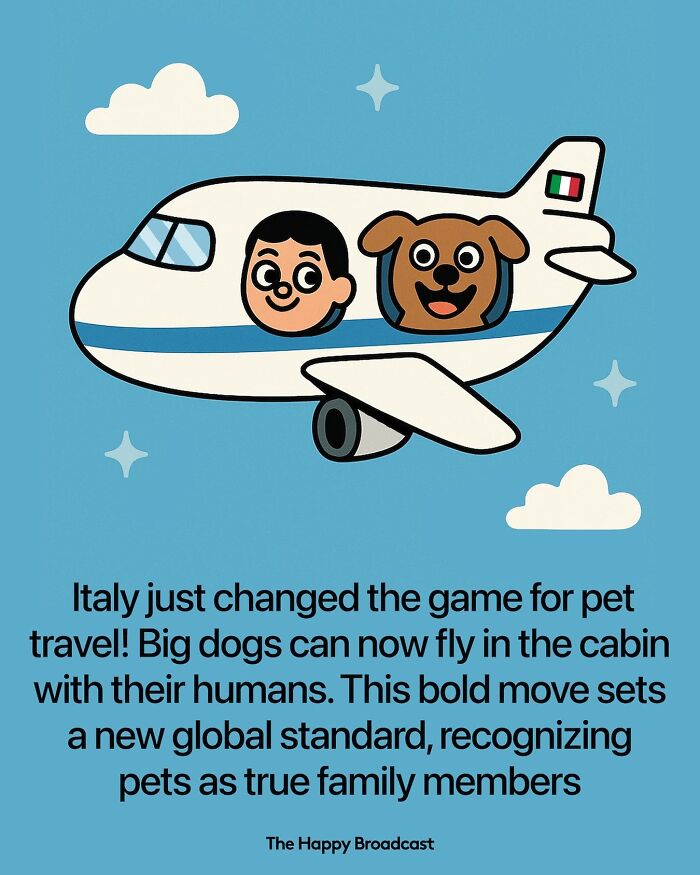
Italy has recently updated its air travel regulations to allow medium and large dogs to accompany their owners in the aircraft cabin, rather than being confined to the cargo hold. This change, announced by the Italian Ministry of Transport and approved by the National Civil Aviation Authority (ENAC), reflects a growing commitment to pet-friendly travel policies. Under the new rules, pets housed in appropriate carriers can be secured on passenger seats using seat belts or other anchoring systems. The combined weight of the pet and its carrier should not exceed the maximum weight allowed for an average passenger. This policy shift aims to standardize pet travel procedures across airlines operating in Italy, many of which previously had varying restrictions on in-cabin pet transport. The move has been welcomed by pet owners and animal welfare advocates, who have long expressed concerns about the safety and comfort of animals traveling in cargo holds. By allowing larger pets in the cabin, Italy joins a growing number of countries prioritizing the well-being of animals during air travel.
© Photo: the_happy_broadcast
#4
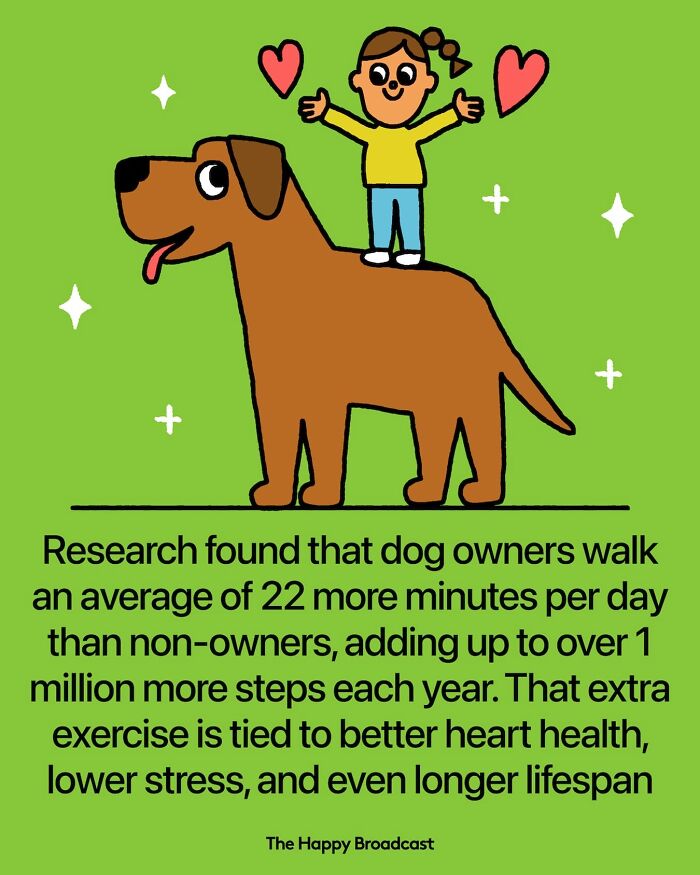
Research from the University of Liverpool found that dog owners walk an average of 22 more minutes per day than non-owners, adding up to over 1 million extra steps each year. This consistent, often moderate-intensity exercise is linked to improved heart health, lower stress levels, and a reduced risk of cardiovascular disease It’s a simple but powerful reminder that love and routine can quietly transform your life. Your dog might be the reason you live longer, one walk at a time.
© Photo: the_happy_broadcast
#5
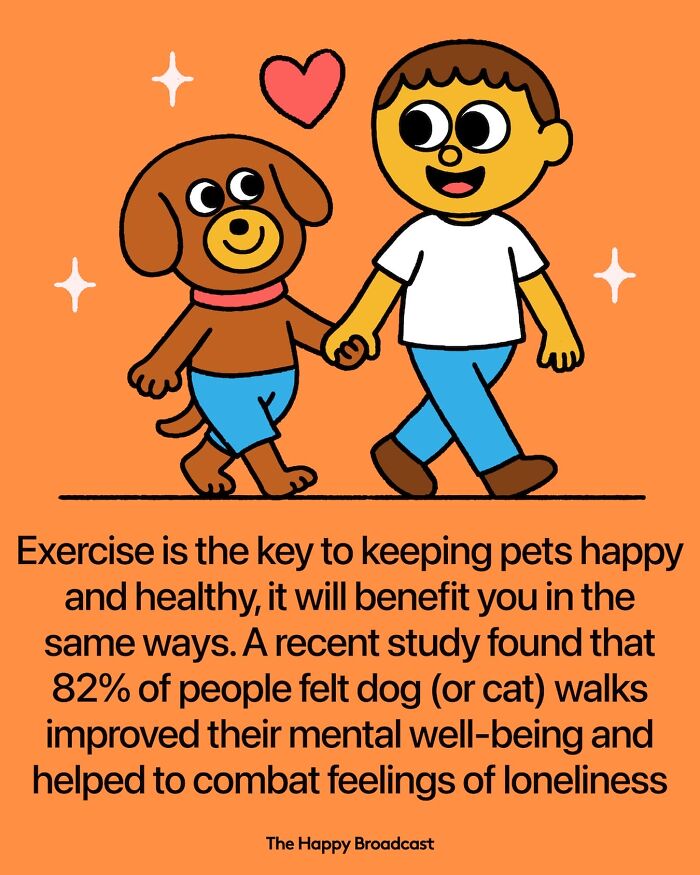
Taking your dog out for a walk isn’t just good for your pup, it’s great for your mind too. Studies show that regular walks with a dog help reduce stress, anxiety and feelings of depression while encouraging daily physical activity that boosts endorphins, the body’s “feel‑good” chemicals. Many dog owners report that going for a walk with their pet gives them a chance to clear their head, enjoy fresh air and take a break from everyday pressures, and research supports this: around 82 % of dog owners say walking their dog improves their mental well‑being. Dog walks also foster social connection and routine. Stepping outside with your dog can increase your chances of casual conversations with neighbours or other owners, helping build community and reduce loneliness. The combination of movement, nature exposure and companionship makes these strolls a powerful form of “green exercise,” known to lower stress and improve mood. Whether it’s a short daily loop around the block or a longer trek in the park, those shared steps with your canine companion can lift both physical and emotional health.
© Photo: the_happy_broadcast
#6
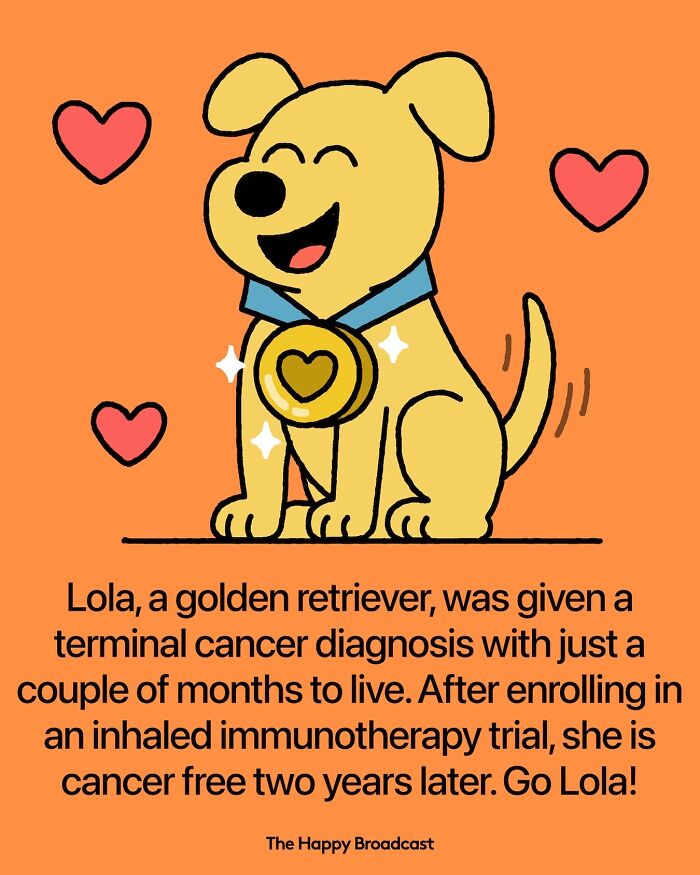
Lola, a 9‑year‑old golden retriever, was given a terminal diagnosis when her aggressive oral melanoma had already metastasized to her lungs and vets estimated she had mere months to live. She was enrolled in a UC Davis clinical trial that combined inhaled immunotherapy with chemotherapy (intravenous doxorubicin and inhaled IL‑15) to stimulate her immune system to attack the cancer. Although initial imaging suggested her disease was worsening and she was dropped from the trial, a surprising delayed response emerged: follow‑up scans showed her tumors had vanished. Today, more than two years later, Lola is cancer‑free. The success in Lola’s case has energized researchers investigating why only a subset of dogs respond so dramatically. By comparing responders and non‑responders, they hope to identify biomarkers or protocols that can predict or improve outcomes. The implications extend beyond veterinary medicine, the trial is part of a collaborative effort with UC Davis’s human cancer center, exploring approaches that might one day translate into improved immunotherapies for human cancers.
© Photo: the_happy_broadcast
#7
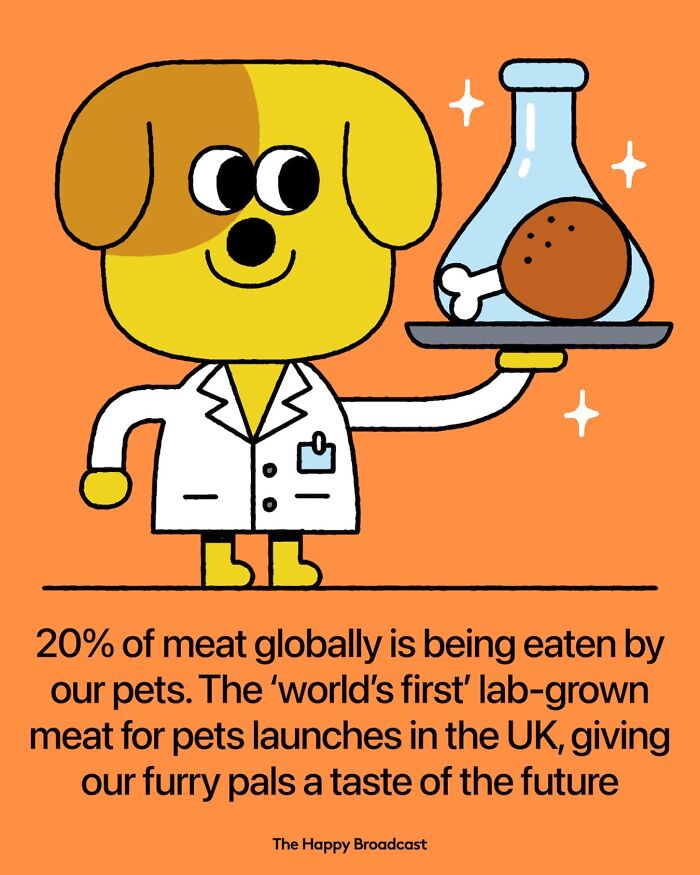
Pet owners in the U.K. now have a new, eco-friendly option for their furry companions as dog treats made from lab-grown meat hit the market for the first time. Developed by a British food-tech company, these treats aim to reduce the environmental impact of traditional meat production while providing dogs with a nutritious and high-quality protein source. The manufacturer is called Meatly, and its product is called Chick Bites — a type of dog treat. But Chick Bites are made without ever involving a chicken. Instead, cells taken from one chicken egg are cultivated in a lab and then combined with plant-based ingredients. Compared to traditional beef farming, making cultivated meat uses 45% less energy, and if its manufacture is powered with renewables, it can emit up to 92% less greenhouse gases, use 95% less land and 78% less water, according to estimates by the European Environment Agency. The move marks a significant step forward in the commercialization of cultivated meat, which has been gaining traction as a sustainable alternative to conventional animal agriculture. Unlike traditional pet food, which relies on factory farming and contributes to high carbon emissions, lab-grown meat is produced from animal cells without the need for slaughter. Supporters argue that this innovation could help curb deforestation, lower greenhouse gas emissions, and improve animal welfare. While the concept may take time to gain widespread acceptance, experts see it as a promising solution for the pet food industry, which is responsible for a significant share of global meat consumption. As demand for sustainable products grows, lab-grown pet food could pave the way for broader adoption of cultivated meat in human diets as well.
© Photo: the_happy_broadcast
#8
Petting your dog for just five minutes could help your body handle stress better. A new study from the University of Innsbruck in Austria found that physical contact with our furry friends may help us stay calmer and more resilient when facing stressful situations. Researchers asked dog owners to complete stressful mental exercises, then spend five minutes with their pets. Some participants could freely pet their dogs, while others could only see and talk to them without physical contact. The results showed that owners who had petted their dogs experienced calmer brain activity, slower heart rates, and a greater sense of control during the next stressful challenge. Interestingly, simply being near their dogs without touching them didn’t produce the same benefits. Published in Biological Psychology, the study suggests that the comfort our pets provide goes beyond companionship. Physical touch may play an important role in helping our bodies prepare for and cope with stress.

© Photo: the_happy_broadcast
#9
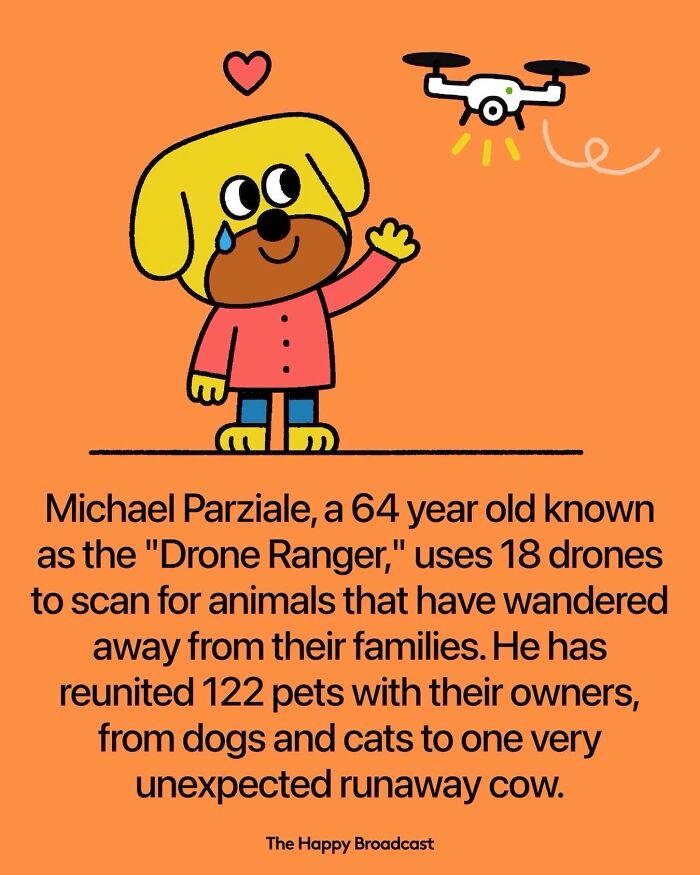
122 lost pets have made it back home thanks to one man, a team of volunteers, and a small fleet in the sky. Michael Parziale, 64, has earned the nickname “Drone Ranger” for using drone technology to track missing animals across New Jersey. His 18 drones, some equipped with thermal cameras, can search large areas that would take people hours to cover on foot. Among his rescues is Shade, a puppy who had been missing for more than a day during freezing winter weather. Once Parziale joined the search, Shade was located in just 41 minutes. But finding pets is only part of the mission. Through his nonprofit, USAR Drone Team, Parziale works with his two sons and volunteers to offer searches to families in need. He also teaches military veterans drone skills that can open doors to careers in surveying, agriculture, photography, and inspections. Dogs, cats, and even a runaway cow have all found their way home thanks to the Drone Ranger, proving that sometimes a helping hand comes with propellers.
© Photo: the_happy_broadcast
#10
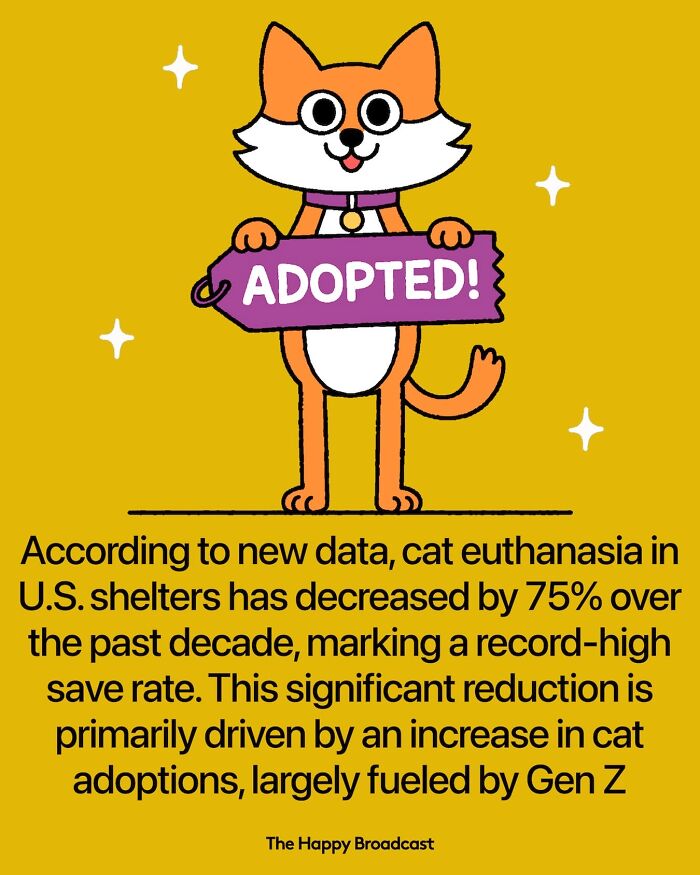
New data shows that the number of cats killed in U.S. shelters has dropped by nearly 75% over the past decade, reaching the lowest levels ever recorded. This progress is driven by better adoption programs, community support, and lifesaving initiatives like trap-neuter-return and foster care. While there’s still work to do, the trend shows a powerful shift, proving that with the right efforts, saving nearly every shelter cat is becoming an achievable reality.
© Photo: the_happy_broadcast
#11
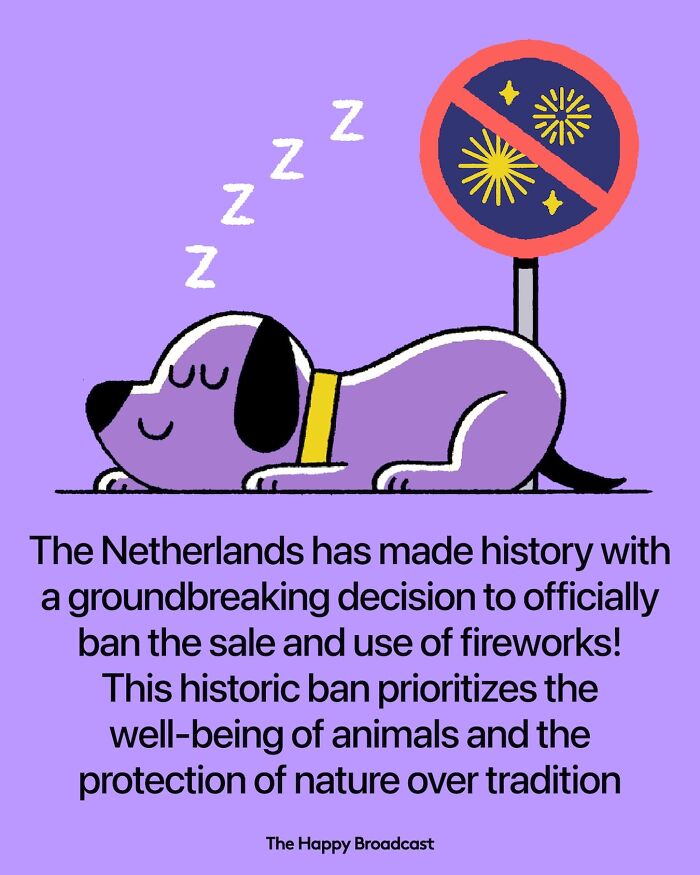
A growing number of countries are curbing or banning the sale of consumer fireworks, in a move aimed at reducing injuries, environmental harm, and noise pollution. Among them: the Netherlands recently passed a legislation to ban private New Year’s Eve fireworks, a decision backed by a clear majority of their parliament. Starting in 2026, the Netherlands will make history with a groundbreaking decision to officially ban the sale and use of fireworks! Supporters say the ban responds to real risks: every year, fireworks injure thousands (especially children) and cause fires, trauma, and stress for pets and wildlife. By shifting celebrations toward public, professionally organized spectacles, the new rules prioritize safety and community well‑being — while still keeping the sparkle of fireworks alive for everyone to enjoy.
© Photo: the_happy_broadcast
#12
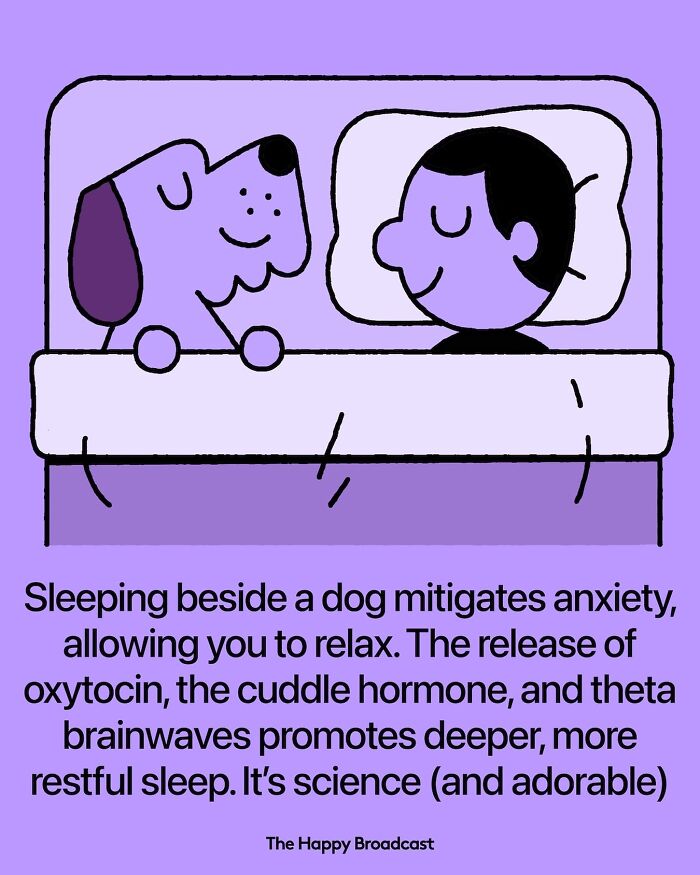
New research continues to affirm what many pet owners already sense—sleeping beside a dog can have powerful calming effects. Sharing your bed with your furry companion helps reduce anxiety, thanks to the release of oxytocin, often called the “cuddle hormone.” This feel-good chemical promotes feelings of safety, bonding, and calm—ideal conditions for drifting into deeper, more restful sleep. In addition to oxytocin, studies suggest that co-sleeping with dogs can stimulate theta brainwaves, which are associated with deep relaxation and restorative sleep. The steady rhythm of a dog’s breathing, their warmth, and even the gentle weight they provide can be especially soothing for people who struggle with stress or insomnia. Science aside, there’s something undeniably comforting—and adorable—about ending the day with a loyal, sleepy pup by your side.
© Photo: the_happy_broadcast
#13
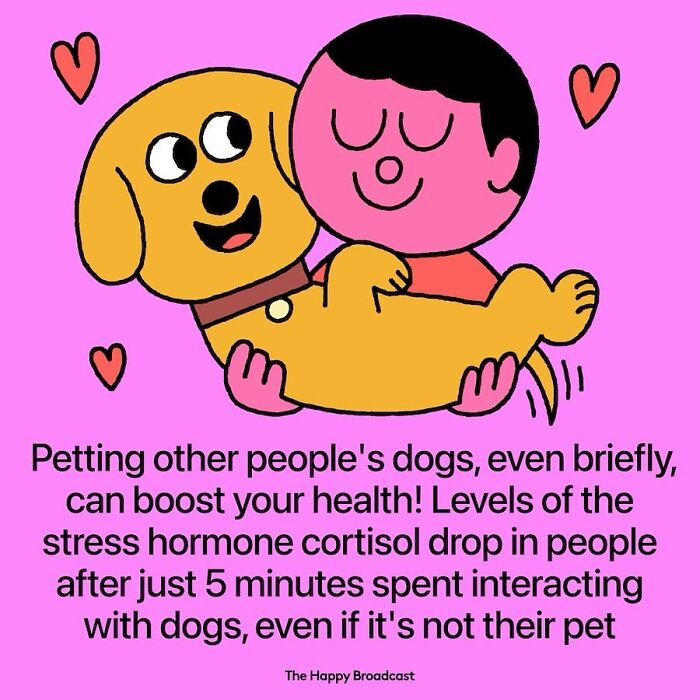
“I think it is safe to say that animals are beneficial to our mental and physical health,” says Nancy Gee, a professor of psychiatry and director of the Center for Human-Animal Interaction at Virginia Commonwealth University. Gee says evidence is accumulating that levels of the stress hormone cortisol drop in people after just 5 to 20 minutes spent interacting with dogs — even if it’s not their pet. “Also, we see increases in oxytocin, that feel-good kind of bonding hormone,” she says. And it’s not just humans that benefit from these brief exchanges. “What I love about this research is that it’s a two-way street,” Gee says. “We see the same thing in the dogs, so the dogs’ oxytocin also increases when they interact with a human.” Dog ownership has also been linked to positive health outcomes, including better heart health and increased physical activity.
© Photo: the_happy_broadcast
#14
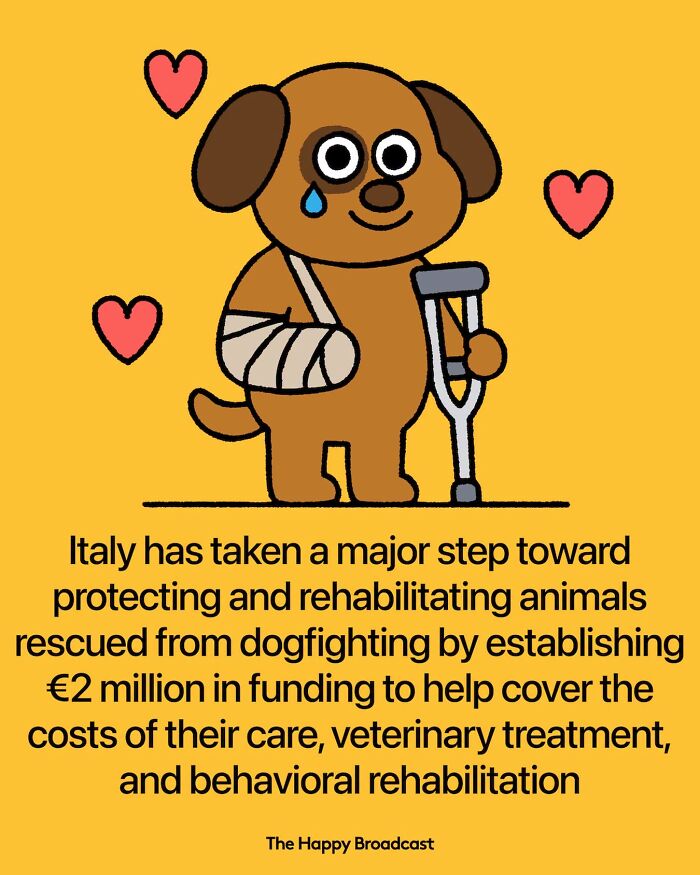
Italy has launched a €2 million fund to support dogs rescued from illegal dogfighting, helping cover the costs of shelter, veterinary care, and long-term behavioral rehabilitation. The funding, introduced by the Italian Ministry of Labour and Social Policies, allocates €1 million in 2026 and €1 million in 2027 to organizations caring for these animals. The initiative was developed with support from Humane World for Animals Italy and Fondazione Cave Canem, which have spent years combating dogfighting through their “Io non combatto” (“I Do Not Fight”) project. Eligible funding covers everything from food and medical treatment to specialized rehabilitation programs that help traumatized dogs recover and find new homes. The measure is being hailed as a landmark step for animal welfare in Italy, recognizing that rescued dogs deserve not only to be saved, but also the care and support needed to heal from the abuse they have endured.
© Photo: the_happy_broadcast
#15
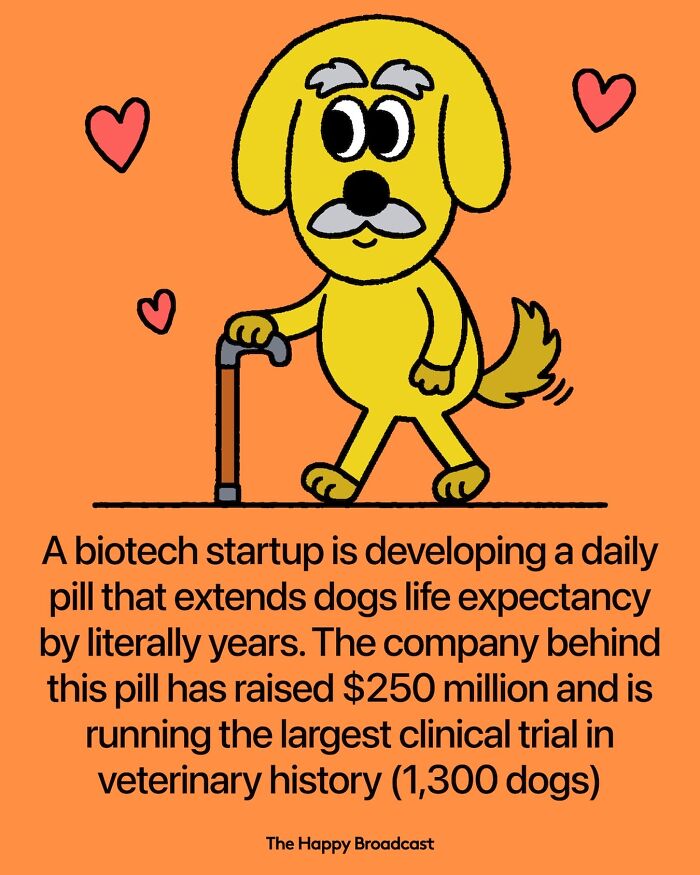
Scientists at Loyal are developing a daily pill designed to extend dogs’ lifespan by slowing down the aging process itself, rather than treating individual diseases. The drug targets a hormone linked to faster aging, with the goal of keeping dogs healthier for longer. Early research suggests it could add years to a dog’s life, especially for medium and large breeds that tend to age faster. The treatment is still under regulatory review, but if approved, it could become the first drug specifically aimed at extending lifespan in dogs, marking a major shift in how we care for aging pets.
© Photo: the_happy_broadcast
#16
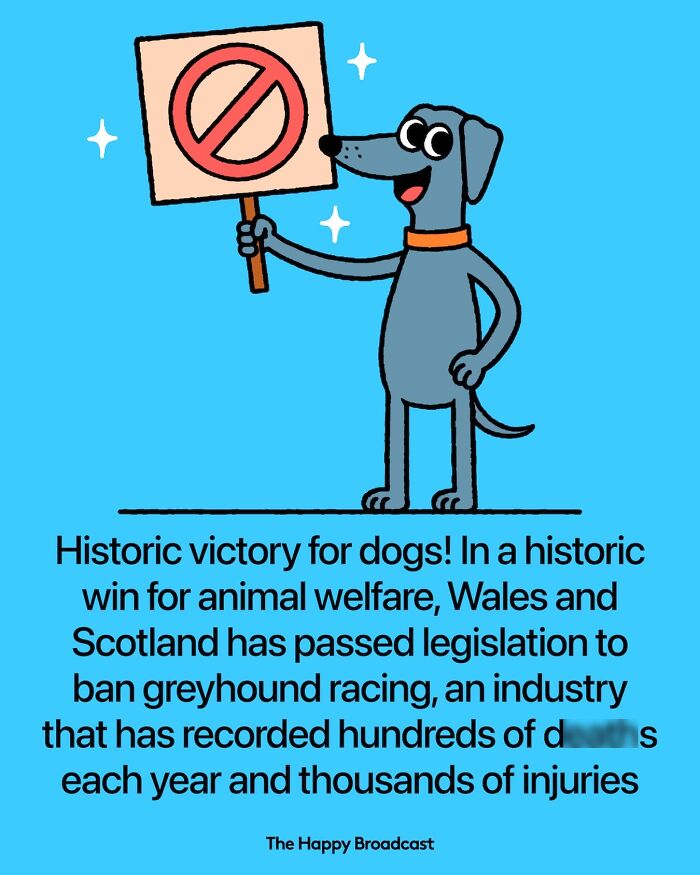
Wales and Scotland have both passed historic laws to ban greyhound racing, marking a major shift in animal welfare policy. The bans were approved within days of each other in March 2026, effectively ending the sport in both countries. The decision is driven by concerns over injuries and harm to dogs, with governments concluding that risks in racing cannot be fully eliminated. Overall, it represents a landmark move against greyhound racing in the UK, with growing pressure on other regions to follow.
© Photo: the_happy_broadcast
#17
© Photo: the_happy_broadcast
#18
Hercules and Ned, two trained Border Collies, work with a wildlife specialist at West Virginia International Yeager Airport (CRW) in Charleston, WV, to patrol the airfield and chase away birds, which helps to prevent bird strikes and keep planes and passengers safe. The dogs, led by handler Chris Keyser, run after birds like killdeer and geese on command from the airport tower. In addition to their wildlife control duties, Hercules has become a beloved airport ambassador, comforting passengers and even inspiring a children’s book.

© Photo: the_happy_broadcast
#19
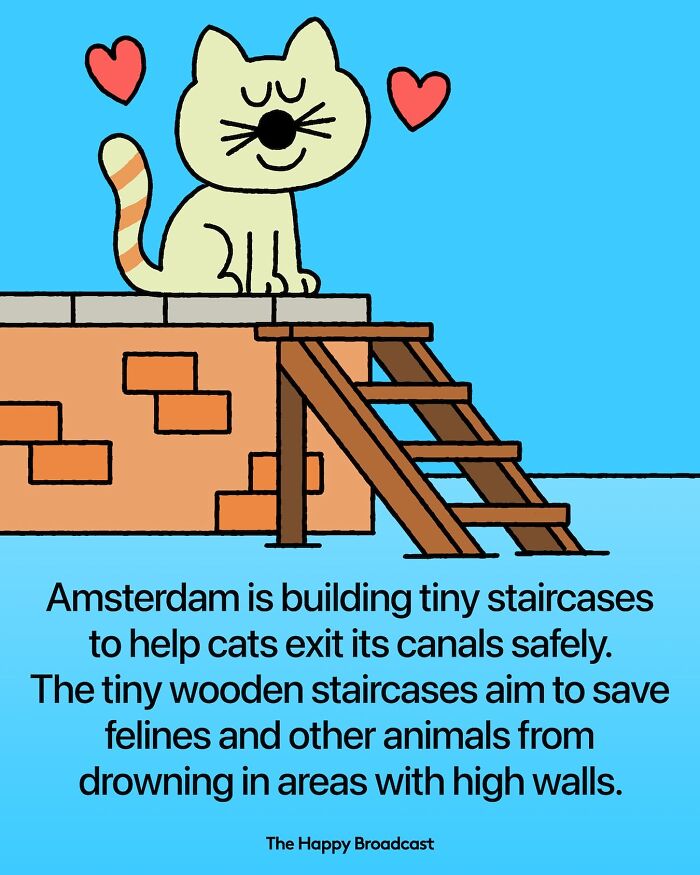
Amsterdam is rolling out a heartwarming initiative to protect its smallest canal residents by investing €100,000 to install miniature wooden staircases—essentially “animal escape ladders”—along canal walls. This compassionate measure responds to a troubling statistic reported by Dierenambulance Amsterdam: 19 cats drowned in the city’s canals over the past six months. The motion, proposed by Judith Krom of the Party for the Animals and passed by the City Council on July 10, will see the city collaborate with Dierenambulance to pinpoint high-risk areas and install the ladders later this year. Inspired by similar efforts in nearby Amersfoort—which plans to install around 300 such “cat stairs”—Amsterdam’s project reflects a growing trend of inclusive urban design that also addresses animal welfare.
© Photo: the_happy_broadcast
#20
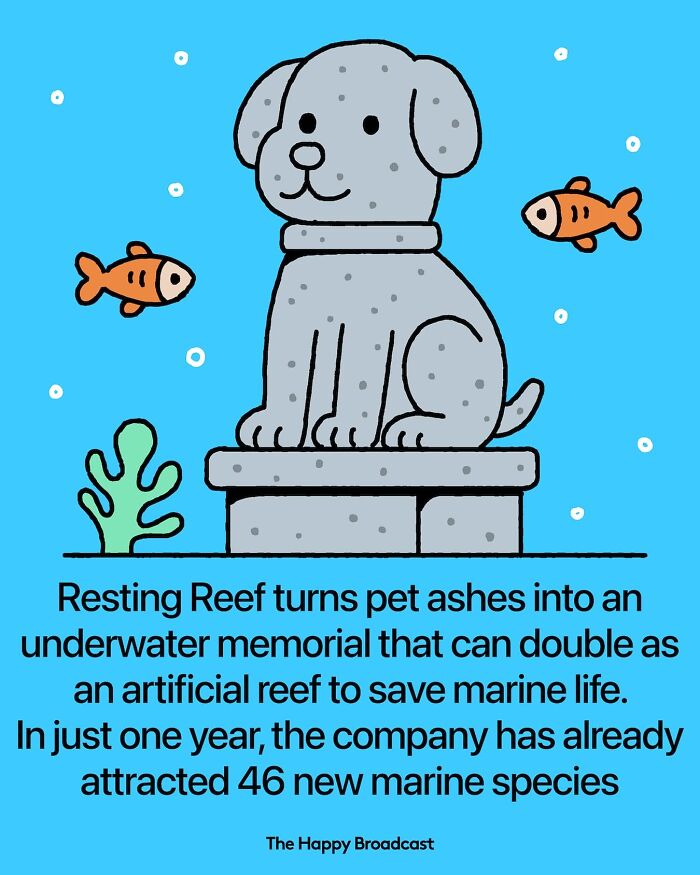
A new initiative called “Resting Reef” provides an eco-conscious way to honor loved ones by using their cremation ashes to create artificial reefs. Made from marine-safe concrete infused with ash, these reef structures are placed on the ocean floor to encourage coral growth and support marine biodiversity. This innovative approach not only creates a lasting memorial but also contributes to marine conservation by supplying habitat for fish, corals, and other sea life. The project taps into growing environmental awareness around traditional burial methods, which can consume land and release greenhouse gases. By transforming ashes into reef-building materials, Resting Reef merges legacy with sustainability—leaving behind not only memories but also vibrant ecosystems. As artificial reefs continue to gain popularity, memorial reefs like these blend personal commemoration with a positive ecological impact, turning remembrance into restoration.
© Photo: the_happy_broadcast
#21
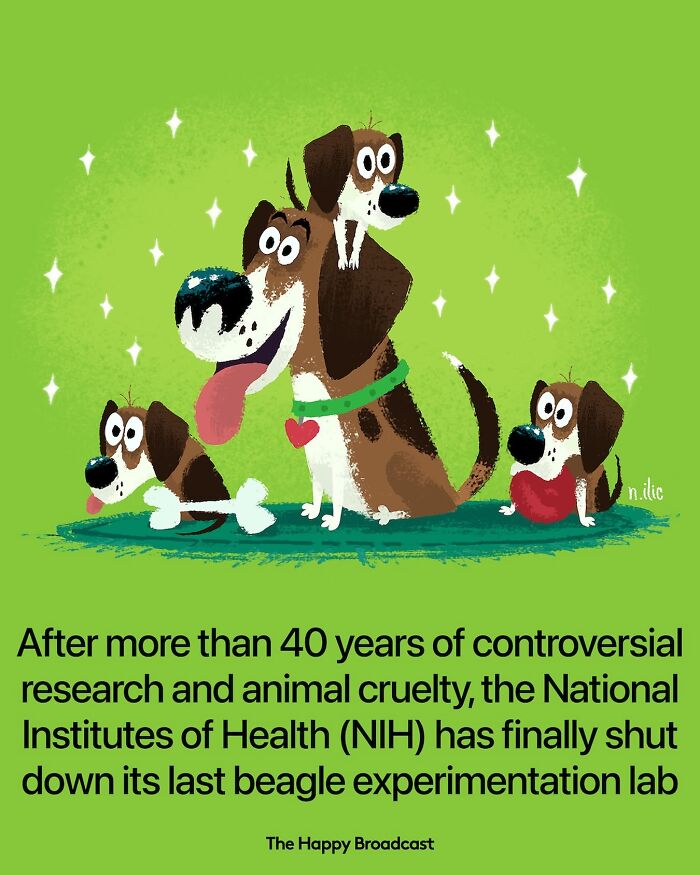
The National Institutes of Health (NIH) has officially closed its last in-house laboratory conducting experiments on beagles, marking the end of a controversial chapter in federal animal research. The closure follows years of advocacy from organizations like the White Coat Waste Project and PETA, who have campaigned against the use of dogs in painful experiments. In response to the announcement, PETA’s Director of Science Advancement and Outreach, Dr. Emily Trunell, stated, “After more than a decade of agitation… PETA welcomes the long-overdue news that NIH is canceling at least one of the appalling sepsis experiments that inflicted prolonged suffering on animals.” This move aligns with a broader shift within the NIH towards alternative research methods that do not involve animals. The agency has committed to prioritizing innovative, human-based approaches, such as organoids, tissue chips, and computational models, aiming to enhance the relevance and ethical standards of biomedical research.
© Photo: the_happy_broadcast
#22
Dogs have developed a unique facial feature—the ability to raise their inner eyebrows—that enhances their communication with humans. This expression, often referred to as “puppy dog eyes,” creates a look that humans find endearing and emotionally engaging. The muscle responsible for this movement, the levator anguli oculi medialis, is present in domestic dogs but largely absent in their wild ancestors, gray wolves. This anatomical difference suggests that the expressive eyebrow movement evolved specifically to facilitate human-dog interaction. The development of this muscle is believed to have been influenced by human preferences during the domestication process. Dogs that could effectively use facial expressions to communicate were more likely to receive care and attention from humans, leading to a selective advantage for those traits. This adaptation not only enhanced dogs’ ability to express emotions but also strengthened the emotional bond between humans and their canine companions.

© Photo: the_happy_broadcast
#23
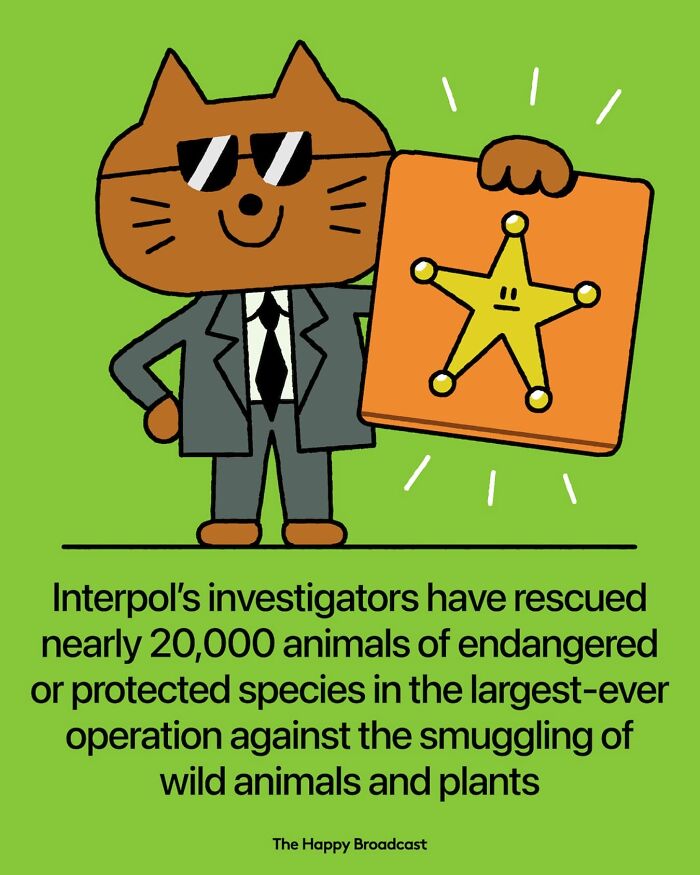
Authorities have successfully rescued around 20,000 protected animals from traffickers in a massive crackdown on wildlife smuggling. The operation, carried out by international investigators and local enforcement agencies, targeted a vast network of illegal traders involved in the trafficking of endangered species. They included more than 12,000 birds and more than 5,000 turtles, the Lyon-based international police organization Interpol announced. The investigators also rescued 18 big cats and 12 pangolins, many of which were being transported under inhumane conditions for sale on the black market. During the multi-week operation in 138 countries and regions around the world, investigators arrested 365 suspects. They identified six international networks allegedly involved in the smuggling of protected animals and plants. A good 100 companies that could be involved in the smuggling have also been uncovered. Conservationists have praised the rescue as a major victory in the fight against illegal wildlife trade but warn that stronger enforcement and stricter regulations are needed to prevent further exploitation. Authorities are now working to rehabilitate and relocate the rescued animals to appropriate sanctuaries or return them to their natural habitats. The operation highlights the urgent need for continued global cooperation to combat the illegal wildlife trade and protect the planet’s most vulnerable species.
© Photo: the_happy_broadcast
#24
© Photo: the_happy_broadcast
#25
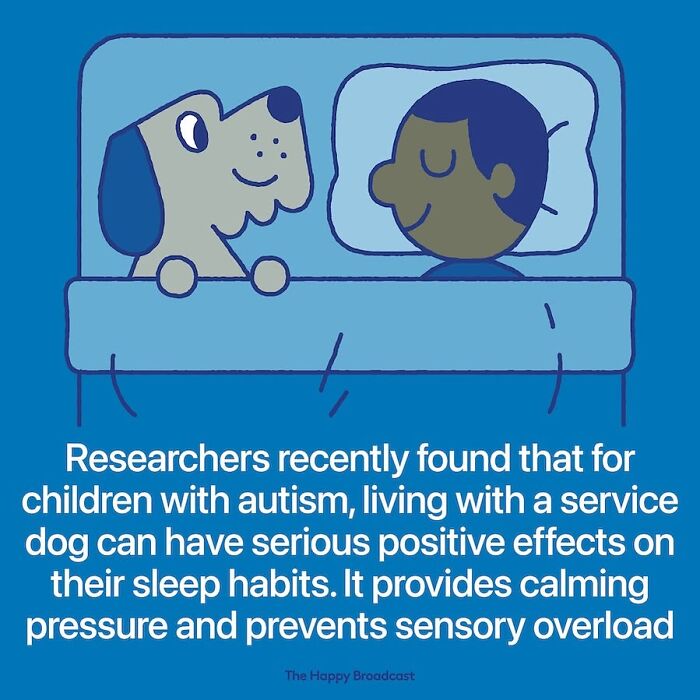
Researchers recently found that for autistic children, living with a service dog can have serious positive effects on their own sleep habits. According to a new study published in Frontiers in Psychiatry, service dogs significantly improve the sleep quality of children with autism. The study recruited 75 families of children with autism; 39 already had a service dog, and 36 were on a waitlist for a service dog. Researchers had the caregivers fill out a survey on their child’s habits and lifestyle, as well as their own. Comparing the results, they found that “having a service dog was significantly associated with better child sleep behaviors, including better sleep initiation and duration and less sleep anxiety,” wrote Dr. Kerri Rodriguez , the lead author of the study.
© Photo: the_happy_broadcast
#26
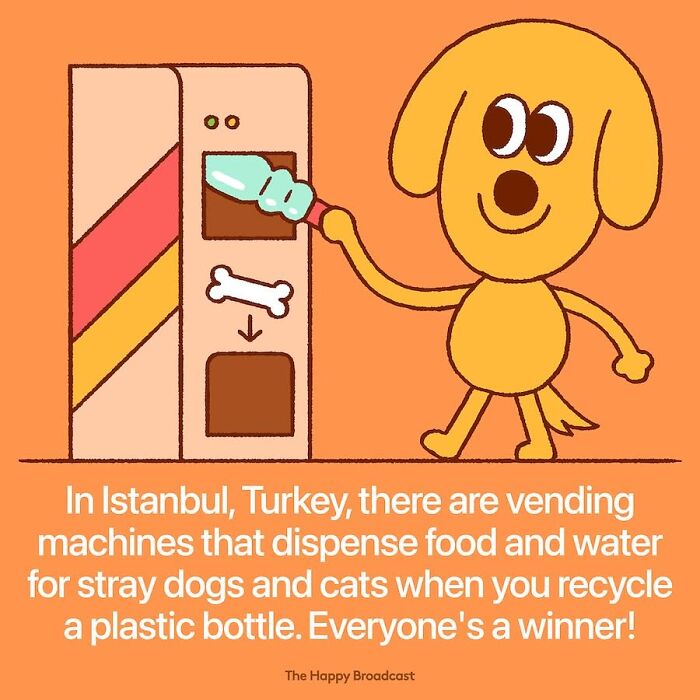
Like many cities, Istanbul has a problem with stray dogs and cats — reportedly, 150,000 of them roam the streets, eking out a living by digging through the trash or relying on the kindness of residents for their food. Now, there’s another option — vending machines. They’re scattered around parks and public areas in the Turkish city, dispensing food water to stray dogs and cats. It’s a wild idea, but even wilder is how the machines work. They don’t take money. They take plastic bottles. Pedestrians can empty their bottles into the machine, which can filter and dispense the water for the local dogs. Each time a plastic bottle is pushed through an opening in the front, a fixed amount of dog food trickles out at the bottom, next to the water. The company says the dog food costs are covered by the plastic that is recovered.
© Photo: the_happy_broadcast
#27
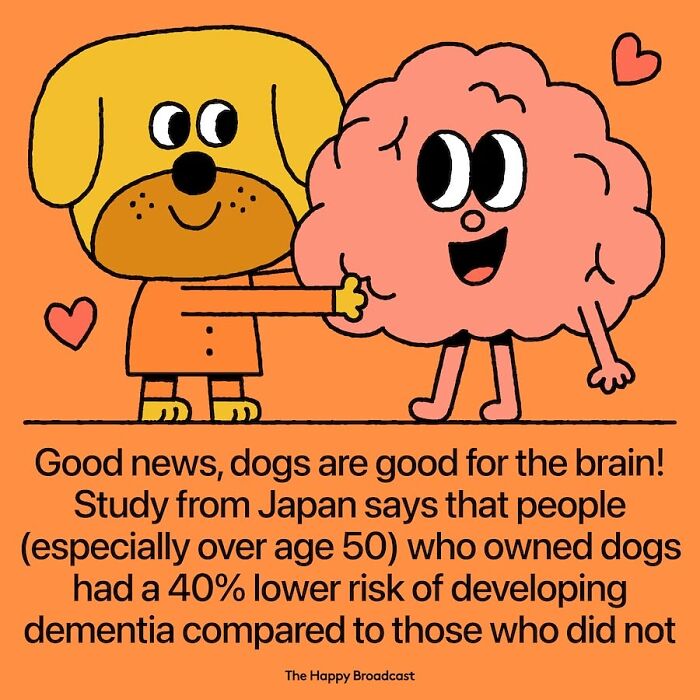
© Photo: the_happy_broadcast
#28
In a display of empathy and community spirit, a Brazilian priest has taken an unconventional approach to help stray dogs find forever homes. The clergyman is making sure that all members of his parish are cared for. The priest has opened the doors of the church to provide shelter and solace to abandoned and homeless dogs. His kind gesture encompasses the rescue of stray dogs from the streets, providing them with nourishment. What distinguishes his approach is the exceptional way he aids these stray dogs. Father Joao Paulo Araujo Gomes, from the Diocese of Caruaru, takes abandoned dogs off the streets, feeds them, bathes them, and then presents a dog to each mass, to be adopted. Dozens of stray dogs already have a home thanks to the priest.

© Photo: the_happy_broadcast
#29
Science shows petting a dog or even watching someone pet a dog, can lower blood pressure and anxiety, help increase the feel-good hormones serotonin and dopamine, and lower cortisol levels. Four-year-old golden retriever Beacon is USAG’s first therapy dog. Beacon was on hand earlier this summer to help calm the nerves of the athletes and coaches at the US Olympic trials. USAG hired him part-time to comfort gymnasts and staff. Beacon’s role was vital during the trials, where gymnasts competed for a spot on Team USA for the Paris Olympics. Beacon is just one of part of USA Gymnastics’ long-overdue mental health program. In addition to therapy pets, the initiative also includes mindfulness sessions and a team of therapists who are at the ready to work with athletes.

© Photo: the_happy_broadcast