
Women are often seen as powerhouses because they can multitask, create, do, and manage it all at once. That’s also why they’ve come up with so many creative ideas, inventions, and discoveries throughout history, but the past hasn’t been exactly kind to them.
So many women created things and then had to watch while someone else stole all the credit. That’s why we decided to shine a spotlight on the ladies behind the amazing things we use in our lives, so they can finally get the acclaim they deserve.
#1
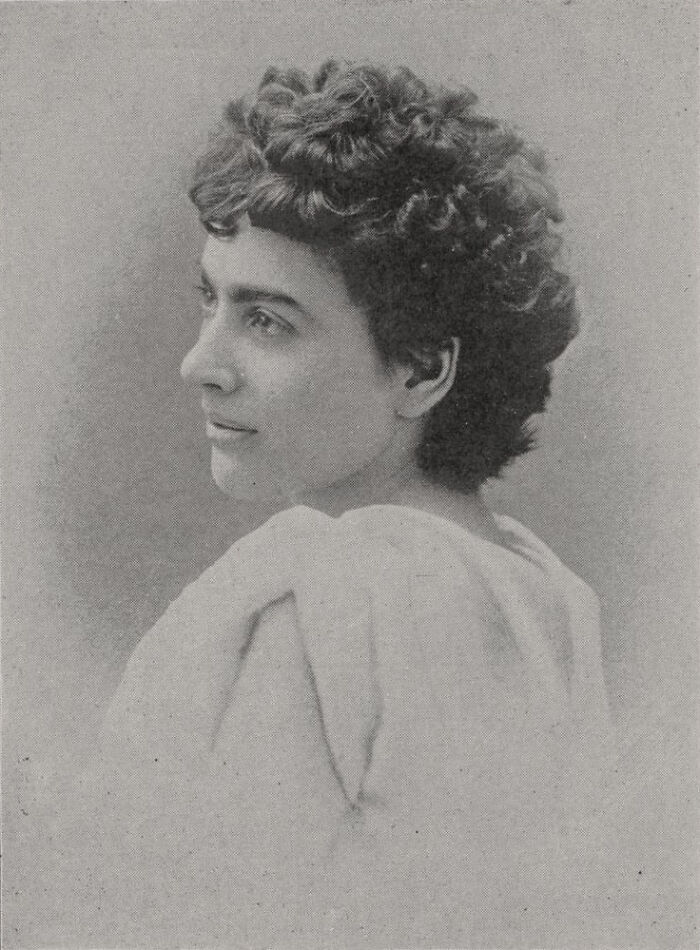
Lizzie Magie created The Landlord's Game in 1903 to illustrate the negative effects of land monopolies. Years later, Charles Darrow saw the game and sold it to Parker Brothers as his own creation, turning Monopoly into a global phenomenon and stripping Magie of proper credit for her concept.
© Photo: Individualchaotin
#2
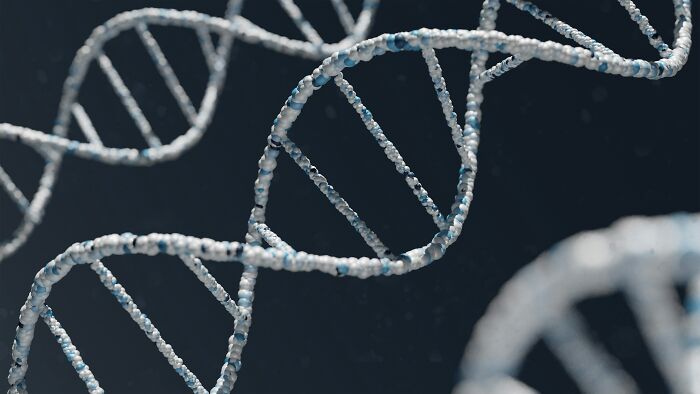
Not an invention, but a classic example would be the discovery of DNA's double-helix structure. Watson and Crick get the credit, but Rosalind Franklin was central to the discovery and rarely got mentioned until after her passing.
© Photo: casg355
#3
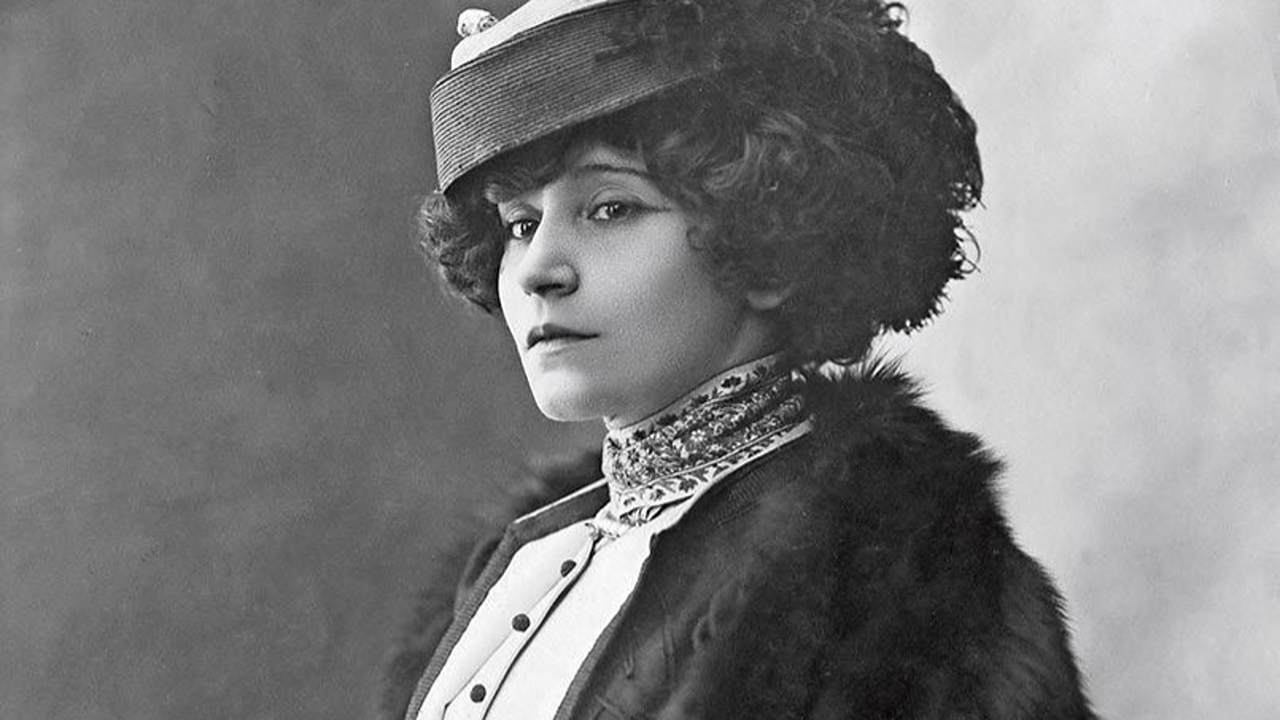
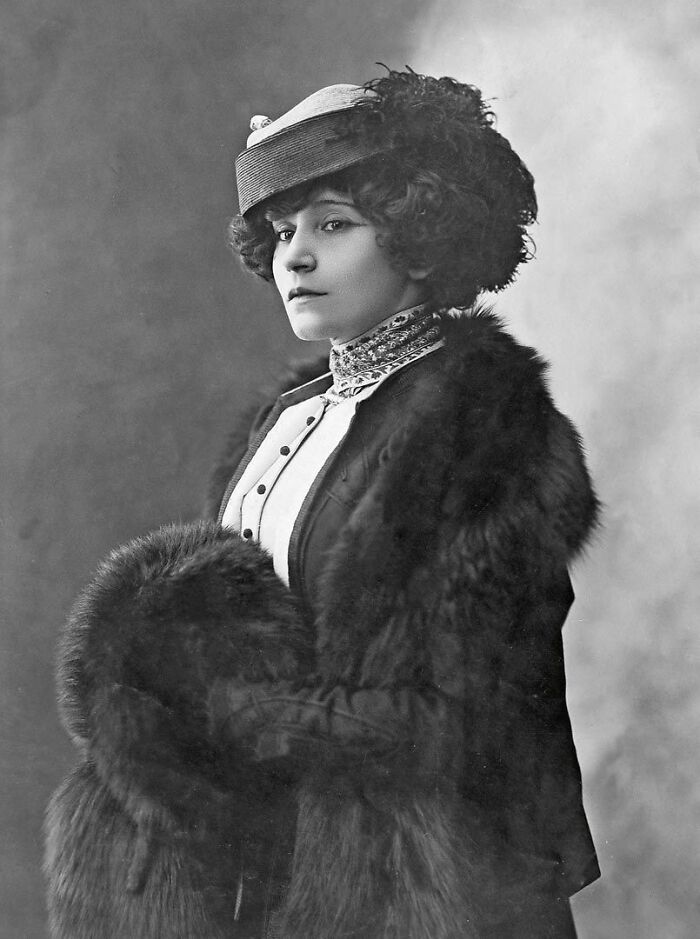
Gabrielle Colette was a bestselling French novelist. Her husband locked her in a room, forced her to write, and then published the work under his own name.
© Photo: Sarah_the_Virgo
Women have been creating things for a long time, but they haven't been getting the recognition they deserve. According to Venner Shipley, which is a full-service European intellectual property firm, the number of women in science, engineering, and tech fields is increasing but still lower than the proportion of men.
Even though many campaigns focus on increasing the number of girls and women in STEM, many still drop out on the way from undergraduate to postgraduate study and then into research. Women are also less likely to promote their successes and may therefore not speak up when they need credit. In addition, funding and commercialization barriers may hinder female inventors.
#4
Mary Anning discovered a lot of fossil specimens, but she wasn't allowed to join the Geological Society because she was a woman. She was also struggling financially, so rich men bought the fossils she found and published research about them without properly crediting her.
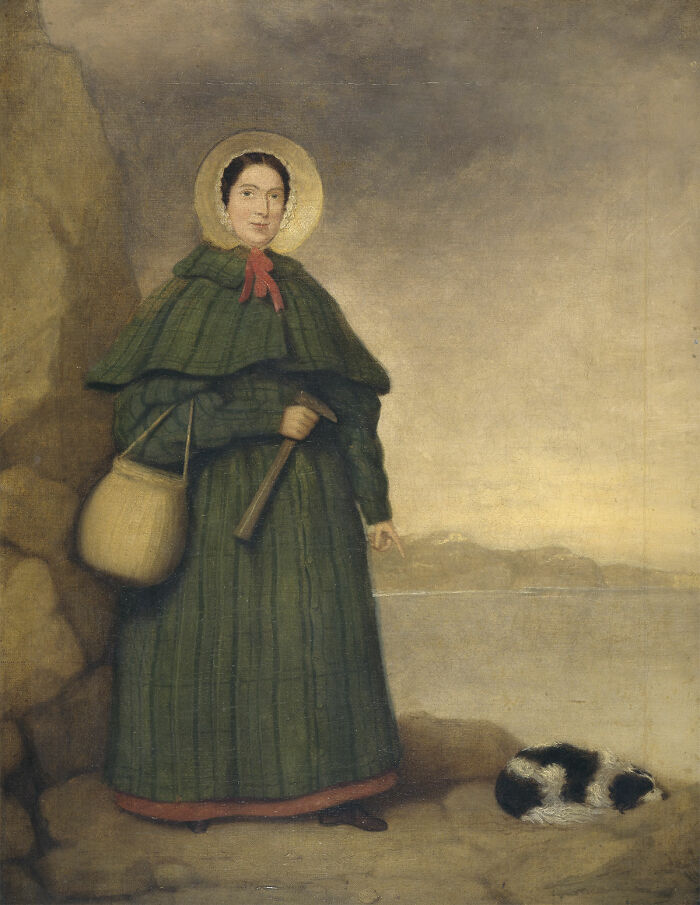
© Photo: CynicalPomeranian
#5
The classic Rider-Waite tarot cards had a third co-creator: Pamela Colman Smith. She did all of the illustrations and was very talented, but she's barely recognized for her input. People rarely call it the Rider-Waite-Smith deck.
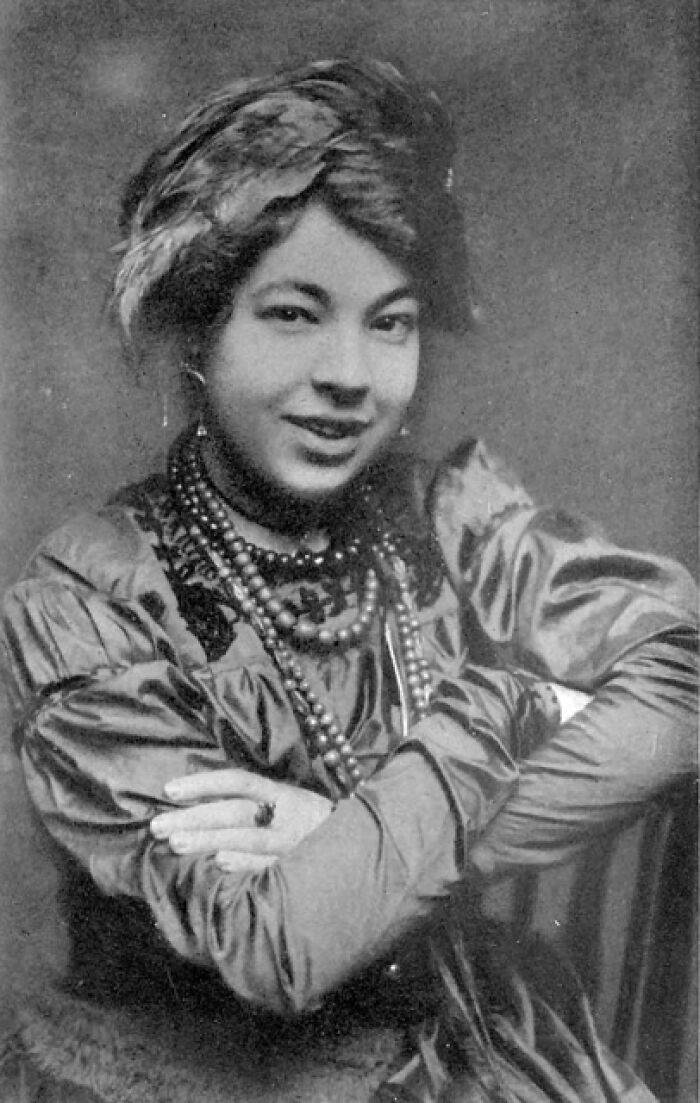
© Photo: [deleted]
#6
As an artist, I have to talk about the painter Janet Sobel. She was creating drip paintings before Jackson Pollock became famous for a similar technique. Her work was shown in galleries, but critics dismissed it as 'primitive' and treated it like the hobby of a housewife, while Pollock became closely associated with the style.
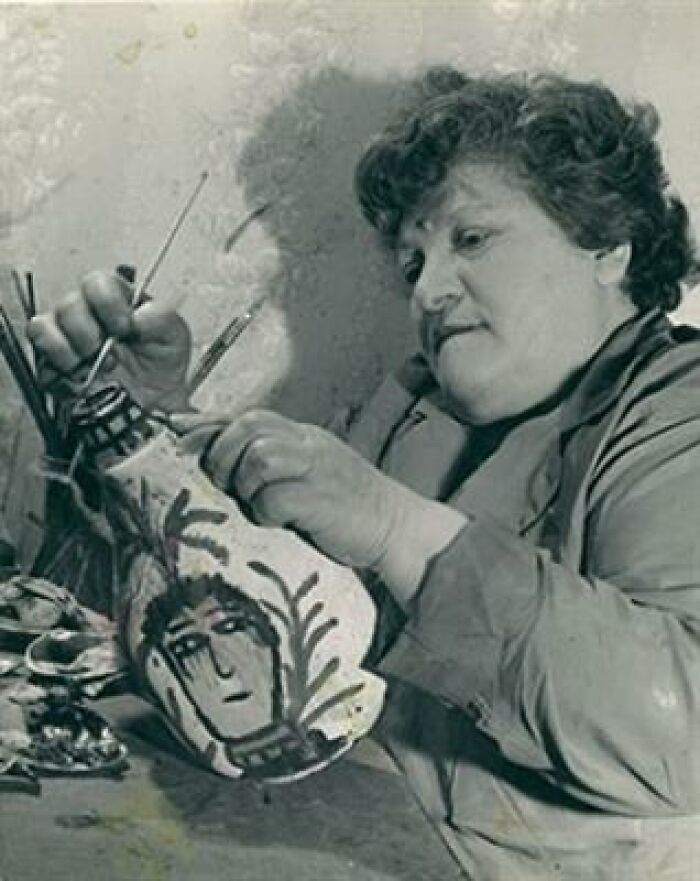
© Photo: [deleted]
In the past, women researchers definitely seemed to be pushed to the sidelines and not given their due. Luckily, the tide seems to be changing, and more women are being named as creators and inventors, with 13% being added to patent applications compared to 2% in the 1970s.
The pace of change is still quite slow, and it is estimated that it might take more than 20 years for the gender gap between inventors on patent applications to level out. Until then, we must note that figures vary by country and region, but it is encouraging that women seem to be getting the credit they deserve.
#7
As a postgraduate student, Jocelyn Bell Burnell discovered and analyzed the first radio pulsars in 1967. Despite doing the foundational work, her supervisor, Antony Hewish, received the 1974 Nobel Prize in Physics alongside Martin Ryle. Bell Burnell was excluded entirely.

© Photo: P1nealColada
#8
Sophia Andreevna Tolstaya basically transcribed and edited all of Leo Tolstoy's work. Without her contributions, he probably couldn't have published nearly as much.
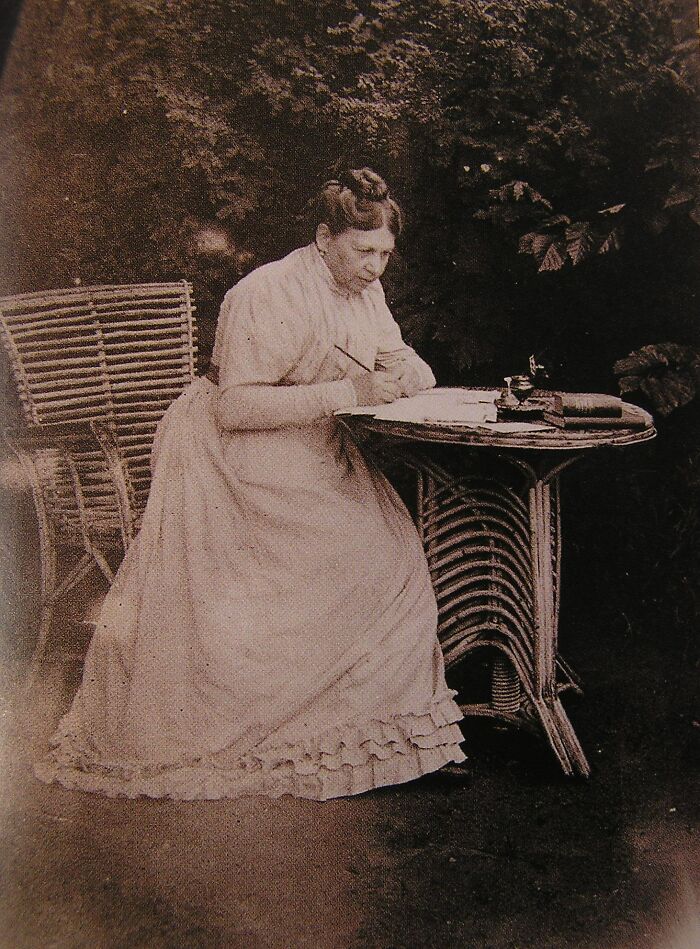
© Photo: Fast_Bee_9759
#9
In 1856, Eunice Newton Foote was the first to show that carbon dioxide retained more heat than the other gases she tested and suggested that rising levels could warm the planet. Her work was largely overlooked, while John Tyndall published related findings three years later.

© Photo: Silamasuk
For women working in academic professions, it is important to make their mark and encourage other young girls to flourish in these careers. When one person lifts others up, it can start a chain reaction and help more women stay in STEM fields, despite the challenges. This kind of mentorship and guidance is always invaluable.
Another thing academically oriented women can do is try to find older women in similar fields who can share their wisdom and knowledge. They might also offer good advice on how to navigate one’s career alongside motherhood, lifestyle, and other responsibilities, which can be an obstacle.
#10
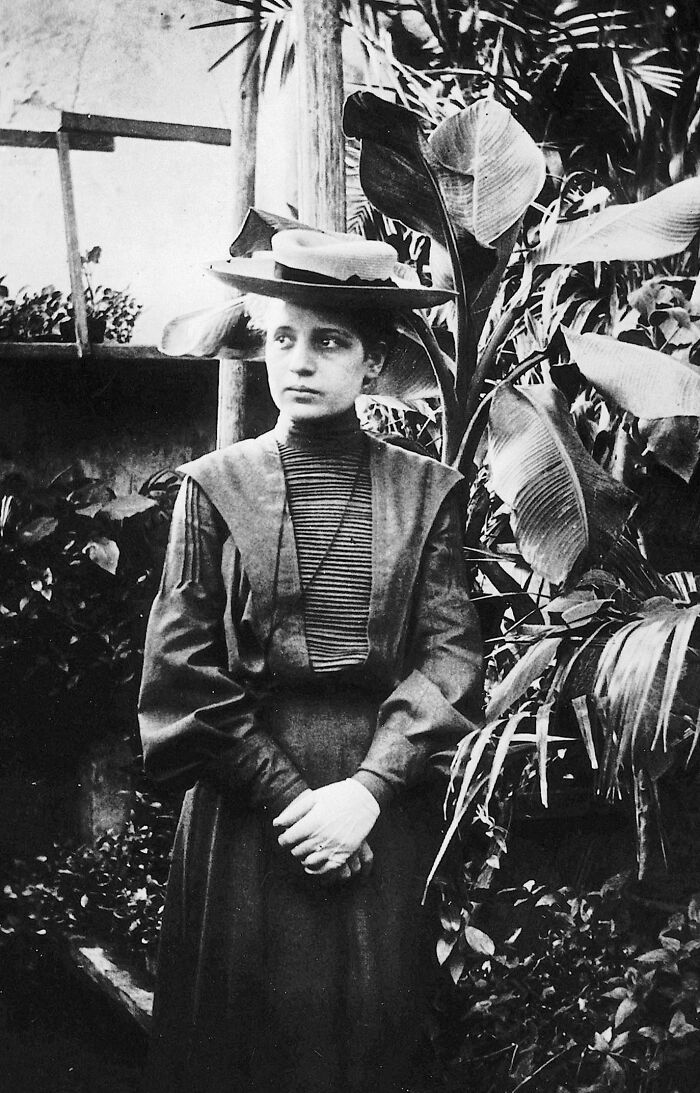
Lise Meitner helped explain nuclear fission, but Otto Hahn alone received the Nobel Prize.
© Photo: P1nealColada
#11
A man wrote a paper about a similar phenomenon and still excluded the woman who supplied the data. Harriet Zuckerman's interviews with Nobel Prize winners helped supply the research behind Robert K. Merton's 'Matthew effect,' and Merton later acknowledged that the paper should have had joint authorship. You can't make this up.

© Photo: bee-sting
#12
Marion Donovan, an inventor’s daughter, created a leakproof, reusable diaper cover from parachute cloth with snaps instead of safety pins, which became a hit at Saks Fifth Avenue in 1949. She then invented a disposable paper diaper, but paper companies laughed her off, and nearly ten years later Victor Mills built on the idea to create Pampers.

© Photo: Nathan Dumlao
Women definitely face many challenges when trying to make a name for themselves in science and technology. That’s why it’s important for ladies to start a women’s innovation network in their university or institution to make it easier for other girls to find support and encouragement.
Both women and men can question the gender biases in their workplaces and help guide people toward change. These concepts may take time for folks to accept, but calling out unfair behavior can create better systems for future generations.
#13
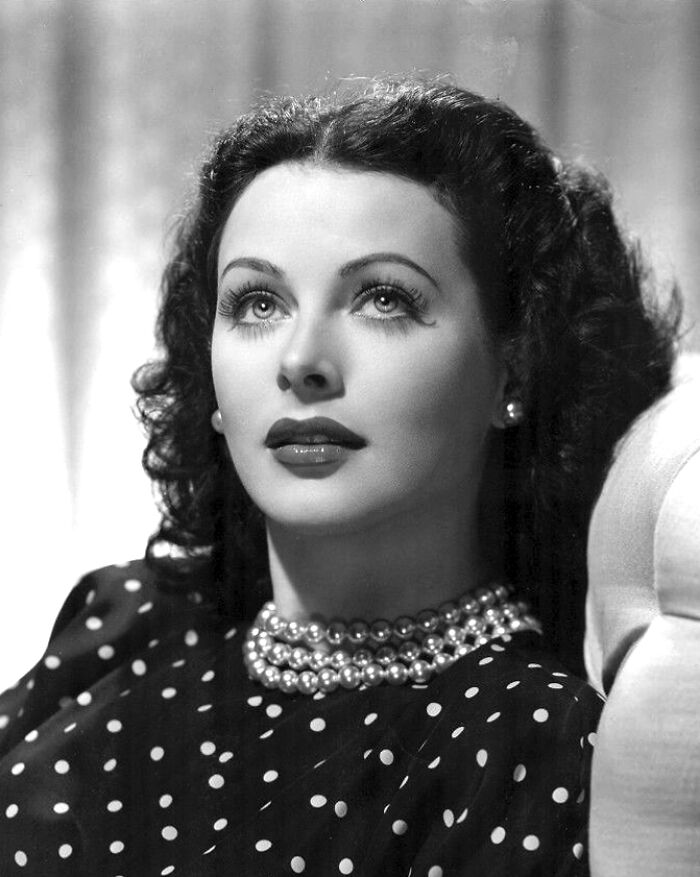
Hollywood star Hedy Lamarr, who used time between takes on set to invent, teamed up with composer George Antheil during World War II to create a frequency-hopping radio system to guide torpedoes. The U.S. Navy brushed the idea off, only to use the technology later, and it became the basis for today’s Wi-Fi, GPS, and Bluetooth.
© Photo: ebay

#14
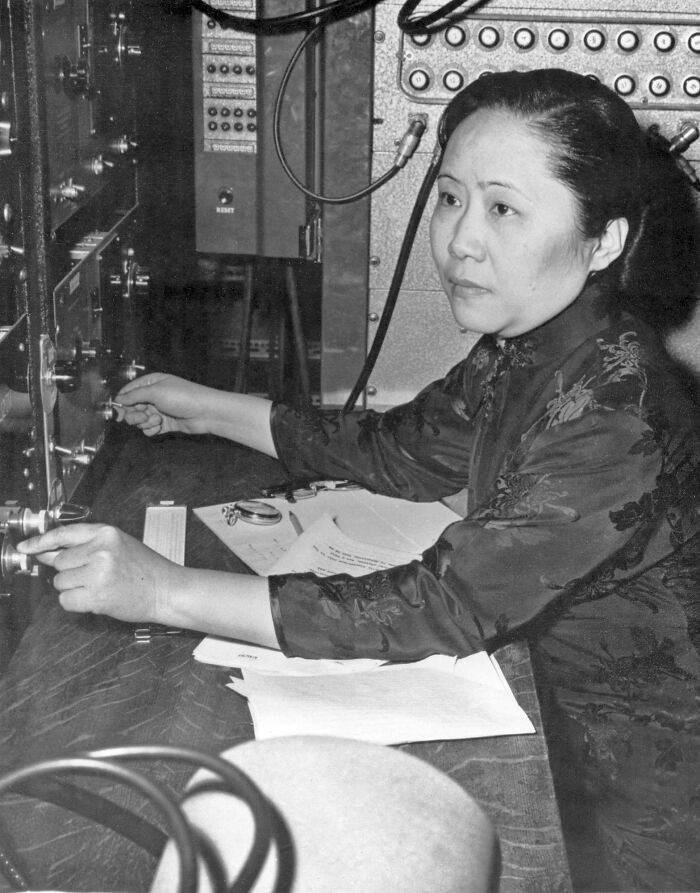
Chinese American physicist Chien-Shiung Wu was one of the few women on the Manhattan Project and the first woman hired to teach physics at Princeton. In 1956, her famous experiment proved a theory by physicists Tsung-Dao Lee and Chen-Ning Yang, but only the two men received the Nobel Prize for it.
© Photo: Smithsonian Institution

#15
In the 1940s, six young women programmed ENIAC, one of the first all-electronic computers, as part of a secret U.S. Army project, working without any programming languages or tools. When the computer was unveiled to the press in 1946, the women weren’t even introduced.
As you’ve probably realized from this list, so many incredible women inventors have untold stories and were pushed to the sidelines. One such lady was Jeanne Villepreux-Power, a French naturalist well known in her day for inventing a glass aquarium that helped advance marine studies.
A Mighty Girl blog mentions that Jeanne began her scientific studies in 1832 and tried to understand the paper nautilus. So to figure out whether it took its shell from another organism, she made a see-through box with controlled conditions to observe it. She also designed two more variants of this and was later rewarded for her groundbreaking work.
#16
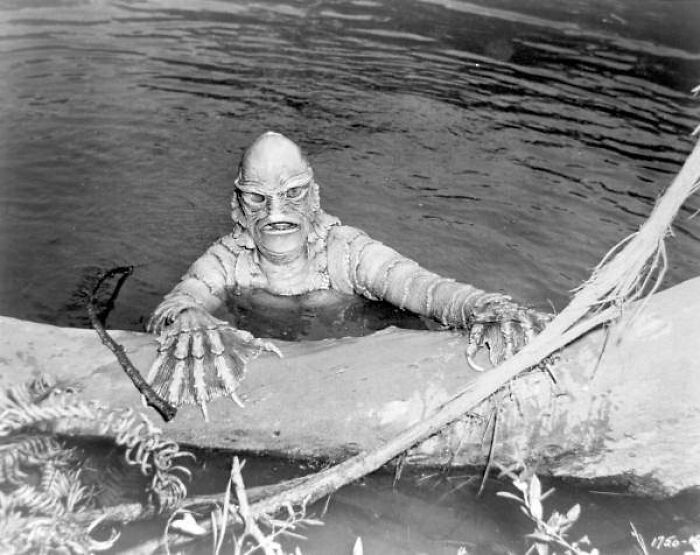
The Gill-man, the creature from Creature from the Black Lagoon, was designed by former Disney illustrator Milicent Patrick. Her role was deliberately downplayed by makeup artist Bud Westmore, who received the credit for the design for decades.
© Photo: Grateful_J561
#17
Trotula of Salerno, a medieval Italian physician often called the world’s first gynecologist, wrote important works on women’s health to teach male doctors about the female body. Over the centuries, people doubted a woman could have written them or that she even existed, which let male physicians put their own names on her work.
#18
In the music world Alma Mahler and Clara Schumann were both top tier composers but couldn’t eclipse their husbands.
Margaret Hamilton basically invented modern software engineering for the Apollo program. Grace Hopper was an early pioneer of symbolic programming languages, like COBOL.
When we go grocery shopping or order something, we don’t stop to think twice about the paper bag we’re using. In fact, Margaret E. Knight invented it, and she was considered one of the most famous creators of the 19th century. At 30, she built a machine that folded and glued paper in a specific way to make a flat-bottomed paper bag.
Unfortunately, this design was so popular that a man stole the idea and tried to patent it himself, but she took him to court and won by proving she created the machine. Even more inspiring, she invented over 100 different machines over her lifetime and patented at least 20.
#19
The movie Big Eyes was like this. Margaret Keane's husband took credit for her work. He was actually great at marketing and made the paintings nationally recognized. They settled the issue when a judge asked them both to paint a picture in court. Margaret painted one, and her husband did nothing. She painted for the rest of her life.
#20
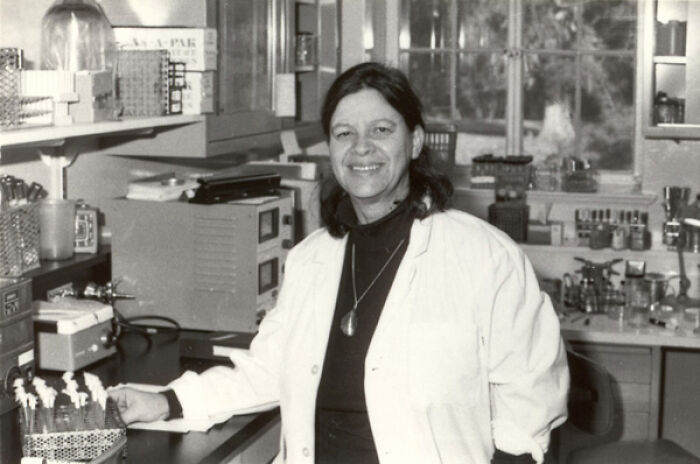
Esther Lederberg was treated like a lab assistant by her husband, Joshua Lederberg. She discovered the lambda bacteriophage and collaborated with him on other major advances in microbiology. He went on to win a Nobel Prize, while she took an untenured position at Stanford even though she felt overqualified.
© Photo: 400-Rabbits
#21
Camille Claudel was a sculptor who worked as Auguste Rodin's assistant, collaborator, and lover, but her career was long overshadowed by his.
An American inventor named Maria Beasley successfully marketed 15 creations like a barrel-making machine, foot warmer, and even an anti-derailment device for trains. These inventions earned her at least $20,000 a year at a time when most working women earned $3 a day.
In 1880, she created something that would later save many lives at sea: the life raft. The ones on boats were just planks of wood with hollow floats and no guardrails, but she built one that could withstand fire and water while staying compact and easy to launch. Despite this amazing invention, she was still not taken seriously, and the 1880 US Census listed Maria as an "unemployed housewife."
#22
British chemist and X-ray crystallographer Rosalind Franklin was studying DNA at King’s College London when, in 1951, she produced a groundbreaking image of its structure. A colleague showed it to James Watson and Francis Crick without her permission, and it became the turning point in their research. When they published their discovery of the DNA double helix in 1953, they barely mentioned her, and the pair went on to win the Nobel Prize after Franklin had passed of ovarian cancer, so their names remain tied to one of science’s biggest breakthroughs.
#23
Zelda Fitzgerald, a writer and dancer married to F. Scott Fitzgerald, saw her own words, diary entries, and letters end up in his novels, including a famous Daisy line in “The Great Gatsby.” When she published her own novel about their marriage in 1932, he was furious because he wanted the material for himself, and its failure hurt her fragile mental health.
#24
In 1810, Shaker weaver Tabitha Babbitt watched two men struggling with a pit saw and came up with the idea of a circular saw, which was used in a Shaker sawmill by 1813. Because of her beliefs, she didn’t want to profit from it, and a few years later two men read about her invention and patented it themselves.
Every single woman in this list has contributed something amazing to history, and Sarah Breedlove, also known as Madam C. J. Walker, is no less. She became the first self-made millionaire in the U.S. through her line of hair care products designed specifically for African American women.
When she was working as a laundress, she figured out that she and many other black women struggled with hair loss and scalp diseases because of the water and harsh ingredients in hair products. That’s what inspired her invention, and she also used her money and status to employ thousands of African American women, as well as make donations to schools, orphanages, and retirement homes throughout her life.
#25
Astronomer Vera Rubin was rejected by Princeton for being a woman, but went on to produce the first solid evidence of dark matter while studying how stars orbit in galaxies. It took her over a decade to convince other scientists, and she never got a Nobel Prize, while Fritz Zwicky, who first theorized it, was widely honored.
#26
English botanist Anna Atkins created the first book made entirely of photographs, “Photographs of British Algae,” using the cyanotype process in the 1840s. For about 150 years, the credit went to William Henry Fox Talbot’s later book, and her work was sometimes attributed to scientist John Herschel or to an “anonymous amateur.”
#27
French hairdresser Marcel Grateau is often credited with the hair straightener, but Ada Harris patented one first in 1893, while Grateau was actually known for the curling iron.
Women have accomplished so much throughout history that most of us never even knew about. It’s a tragedy that so many accomplishments were quashed or stolen by someone who didn’t deserve them. That’s why it’s important to know these ladies' names and appreciate all the effort they put into creating things that are still useful to us today.
We’d love to hear any examples you might have of women inventors. Do share your stories and opinions in the comments.
#28
Mary Anderson came up with windshield wipers while riding a streetcar in the snow and patented them in 1903, but every company she approached rejected her invention. By the time cars made wipers essential, her patent had expired, and inventor Robert Kearns later became famous for his version.
#29
Some say Einstein's wife, Mileva Maric, was an uncredited collaborator in his theories (I say *his theories* with some restraint).
She was a fellow student of his at the Swiss Polytechnic Institute in Zurich, also studying physics and passionate about it. This was in a time where women were generally prohibited to study, and she had good scores too.
She got pregnant with his kid, and became basically his wife-servant (I am not exaggerating, you can find his list of demands of her online). Because of her new wife-mother role she failed her exams and didn't finish her studies. To be fair he was very mysogynistic, there is plenty evidence of that, so stealing her work is something that would come easy to someone that rotten (again, not exaggerating.. of this we do have proof).
In 1907 he did steal what work she done with Paul Habicht and published & patented their work under only the names of the guys.
There is some evidence she at least contributed to the relativity theory, but it is unclear how much, and historians don't seem to be digging into this enough. Einstein admitted she did ALL his mathematics, so using her own ideas or at the very least augmenting his is not that farfetched. She could have done it all or just 10%, she still deserved to be credited AND to join him in winning the Nobel prize.
Maybe historians consider it blasphemy to question Einstein and try to frame it as not true (it's not like a mysogynist would admit in letters to his like minded friends that he stole her ideas), and that is possibly the saddest example anyone could give.
#30
One of the first known calendars was a bone with 28 notches, which some scholars believe would have been a woman's calendar to track her period.
#31
Alfred Hitchcock never did a movie with out his wife, Alma Reville, reading and okaying the script first. He had his issues, but he was very open about how important his wife was in his process.
#32
One could argue that the first superhero story was ***The Scarlet Pimpernel***, which was written by a woman.
#33
Cecilia Payne-Gaposchkin discovered that stars are mostly hydrogen and helium. Her supervisor, Henry Norris Russell, talked her into treating the conclusion cautiously, then later published a paper that endorsed and expanded on her findings.
#34
Nettie Stevens discovered the role of X and Y chromosomes in determining biological sex. Edmund Beecher Wilson published similar work around the same time.
#35
Katherine Johnson was an African American mathematician at NASA’s Langley Research Center whose calculations helped launch America’s first spaceflights, and astronauts trusted her to check their numbers before takeoff. Her sexist supervisor pushed for her male coauthor to take credit for their key report, but he refused because she had done most of the work.
#36
Ada Lovelace, Lord Byron’s daughter, worked with inventor Charles Babbage on his Analytical Engine in 1843 and wrote detailed notes on how the machine could solve complex problems and even compose music. Those ideas are seen as the earliest form of computer programming, yet her role is still often downplayed.
#37
In 1868, Margaret Knight invented a machine that made square-bottomed paper bags, but while she was building the iron model needed for a patent, a man named Charles Annan stole her idea and patented it. She sued and won the rights to her invention in 1871.
#38
It is believed that Marcel Duchamp stole his ‘Fountain’ urinal/toilet artwork from the artist Baroness Elsa von Freytag-Loringhoven. This is one of the most famous artworks in the world, and is cited as the beginning of modern art in America. So it’s a pretty massive deal if he did indeed steal it, which is probably like 90% certain that he did.
#39
El Dorado Jones, nicknamed the “Iron Woman,” ran a metalworking factory that only hired women over 40, and in 1917 she invented what was described as the first successful airplane engine muffler. It reduced noise without cutting power, but she never got funding to manufacture it, partly because of her famous distrust of men.
#40
Adeline D. T. Whitney, an author of books for children and adults, patented an early version of alphabet blocks in 1882. Her blocks came in different shapes and sizes and could form letters, numbers, and punctuation marks.