Some crimes begin with jealousy, others with lies, and some take a disturbing turn when people lose touch with reality.
The cases in this listicle show how situations that seemed ordinary at first ended in shocking tragedies.
From a young man who was questioned by police despite suffering a serious gu**hot wound to people whose obsessions led to mu*der, each story has a twist that is hard to forget.
These cases also raise troubling questions about the choices people make and the mistakes that can change lives forever.
Keep reading to discover five true crime stories that prove things aren’t always what they seem.
#1 Dave Kroupa
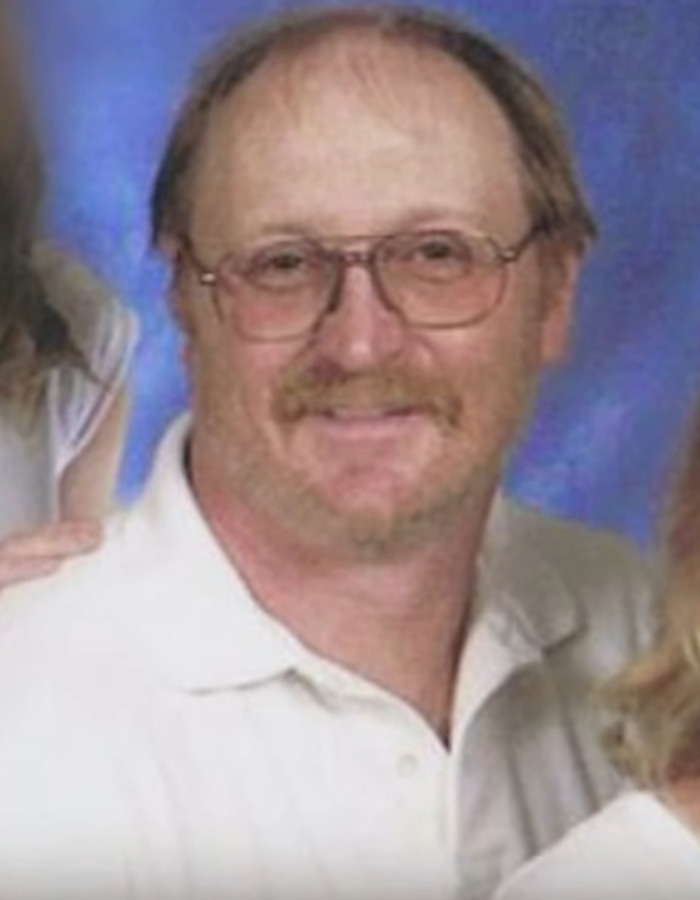
In 2012, Dave Kroupa moved to Omaha, Nebraska, hoping to start a new chapter after separating from his longtime partner, Amy Flora, with whom he shared two children.
Newly single and unsure how to navigate dating again, he turned to online dating sites.
“I didn't know how to venture back into the dating pool,” Kroupa later admitted. “I felt pretty rusty … so internet dating was … the way to go,” per ABC News.
He soon met Shanna Elizabeth Golyar, who went by Liz. She was a single mother and animal lover, and the two began dating casually.
However, Kroupa made it clear that he wasn't looking for commitment and intended to continue seeing other women. Golyar appeared comfortable with the arrangement.
About six months later, a woman named Cari Farver walked into the auto repair shop Kroupa managed.
She had brought her Ford Explorer in for maintenance, but their encounter quickly turned into something more.
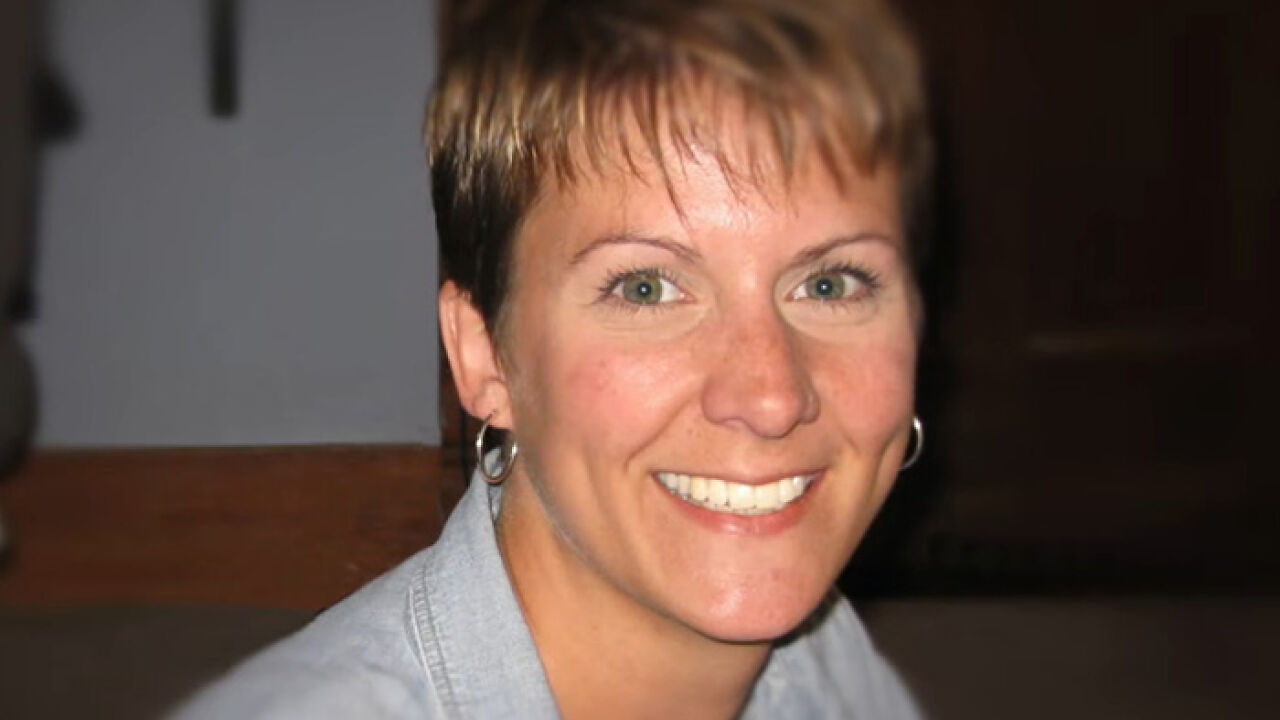
Farver was a single mother from Macedonia, Iowa, who worked as a computer programmer. Kroupa recalled feeling an immediate attraction.
“When we looked at each other, there was a little spark,” he said. “She's showing me something inside the vehicle and we're standing there, and we're very close ... and there was some tension.”
Farver's friend Amy Long remembered her as someone who naturally drew attention.
“You noticed Cari when she walked into a room,” Long said. “She had a laugh, she had a smile. She lit up a room... You couldn't help but notice her. You were drawn to her.”
Kroupa asked Farver out, and they discovered they wanted similar things. Neither wanted a serious relationship.
“I felt like I hit the jackpot with that,” Kroupa said.
However, their arrangement soon became complicated.
One day, Farver left Kroupa's apartment and briefly crossed paths with Golyar, who had arrived to collect some belongings. The encounter lasted only seconds, but it would later become a significant detail in the investigation.
Jenn Carpenter, host of the podcast So De*d, which followed the case, said, “It was just a brief encounter, maybe 10 seconds or less … but this encounter would go on to have lasting ramifications for all three of them.”
Over the following two weeks, Farver and Kroupa continued seeing each other.
When a major work project required her to be near his apartment, he offered to let her stay with him.
On the morning of November 13, 2012, Kroupa kissed Farver goodbye and left for work, expecting to see her later that day. He never saw her again.
Around mid-morning, Farver messaged him suggesting they move in together. Kroupa turned her down, reminding her of their casual arrangement. Her response was unexpectedly hostile.
“Fine. I hate you. I'm dating someone else. I don't want to see you anymore. Go away,” she wrote.
Kroupa was stunned by the sudden change in tone.
When he returned home that evening, Farver had disappeared with her belongings.
Initially, he assumed their brief relationship had ended badly. But within days, messages began arriving from someone claiming to be Farver. The sender accused him of ruining her life and soon began making disturbing threats.
“My favorite thing to do is stand outside and stare at you,” one message read.
Another threatened, “I hate you so much that I want to drive a knife in your heart.”
“I will destroy your life and take your happiness,” read another.
The messages continued for years. Kroupa changed his phone number repeatedly, but the sender kept finding ways to contact him. Some messages described details of his daily life so accurately that he began to believe someone was watching him.
On one occasion, he was sitting in his La-Z-Boy chair, watching television with his feet propped up, when a message described exactly where he was sitting and what he was wearing.
The experience left him frightened and increasingly paranoid. He eventually bought a g*n because he feared for his safety.
The harassment also affected people around him. His former partner, Flora, received hostile messages, while Golyar claimed Farver was targeting her, too. Golyar reported that someone had vandalised her garage, where the words “W*ore from Dave” had allegedly been spray-painted.
In August 2013, Golyar's house caught fire, kil**ng her pets, including two dogs, a cat, and a snake. Investigators suspected arson, and Golyar blamed Farver.
Kroupa's workplace was also vandalised. In another frightening incident, someone tried his front door handle before throwing a brick through his window. He believed Farver was responsible for the escalating threats, unaware that the person he was dating might be connected to the harassment.
Meanwhile, Farver's family was desperate for answers.
Her mother, Nancy Raney, received messages supposedly written by her daughter, claiming Farver had moved to Kansas for a new job and would eventually return for her son, Max. But Farver never called home or appeared in person.
She missed her son's 15th birthday, Thanksgiving, her half-brother's wedding, and her father's funeral. Raney also noticed that the messages contained spelling and grammatical mistakes that didn't resemble her daughter's usual writing.
At one point, a man claimed he had seen Farver at a homeless shelter and said she wanted her mother to collect her. Raney rushed there, hoping to bring her daughter home, only to discover that Farver had never been there.
“It was such a letdown and I was just devastated,” Raney recalled. “I get this raising in my hopes and then it's dashed again… I knew somebody was playing games here.”
Six months after the disappearance, Farver's son, Max, tried messaging her Facebook account. Someone replied, but the conversation stopped when he asked questions only his mother should have been able to answer.
Raney reported her daughter missing, but the initial investigation failed to establish what had happened.
Farver had previously been diagnosed with bipolar disorder, and her mother felt authorities focused too heavily on the possibility that she had left voluntarily.
The Pottawattamie County Sheriff's Office later said the available evidence had been inconclusive.
For Raney, the explanation never made sense.
Her daughter had a job, a home, and a son she loved, yet nobody could confirm that she was alive.
By spring 2015, two and a half years had passed since anyone had seen Farver. The messages continued, prompting investigators Ryan Avis and Jim Doty to revisit the case.
Avis explored whether Farver could still be alive, while Doty considered the possibility that she had been m**dered. One detail stood out: Farver's bank account had shown no activity throughout her disappearance.
“It's not normal for adults to just up and leave and literally spend no money. No one's seen them and no one's heard their voice... It just didn't make sense,” Avis said.
Doty also questioned Golyar's involvement. Although she had supposedly met Farver only once, her name appeared repeatedly in reports about the harassment.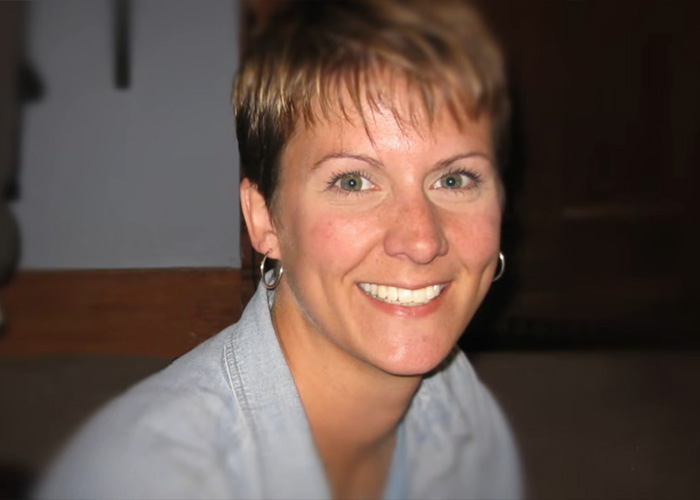
Netflix
“All of a sudden she's this focus of harassment,” Doty said. “Her name was all over all the reports. So to me, there was something with Liz. … She definitely was a person of interest.”
The investigators brought in digital forensics specialist Anthony Kava, who examined phone records, email accounts, and other electronic evidence.
He estimated that the person impersonating Farver had sent Kroupa around 15,000 emails over three years, along with tens of thousands of text messages.
Then investigators found a photograph of Farver's Ford Explorer on Golyar's phone. It had been taken about a month before police recovered the vehicle.
“Somehow Liz knew where Cari's vehicle was before law enforcement even did,” Doty said.
Other digital evidence strengthened their suspicions.
A photograph sent during the harassment campaign had been taken using Golyar's phone, while a video uploaded under Farver's name was linked to an internet address registered to Golyar's home.
Golyar later reported being sh*t in the leg while walking alone at Big Lake Park in Council Bluffs, Iowa.
She eventually suggested that Flora was responsible.
Investigators grew suspicious, particularly because Golyar had recently discussed Kroupa's missing g*n and correctly identified its make and calibre.
“It was pretty quickly determined that most likely Liz Golyar had sh*t herself,” Avis said. Investigators cleared Flora of involvement.
Kava also discovered that Golyar had used an app that allowed her to schedule messages in advance. This explained how messages could arrive while she was sitting beside Kroupa, making it appear impossible for her to be the sender.
Kava estimated that Golyar might have spent 40 to 50 hours a week impersonating Farver.
“This seemed to be a full-time occupation for her, trying to stalk people and send them messages,” he said.
Investigators still needed evidence establishing what had happened to Farver.
In December 2015, Golyar complained to the sheriff's office that Flora was harassing her.
Detectives used the opportunity to gather more evidence, pretending to believe her accusations and encouraging her to produce messages supposedly sent by Flora.
Some of the emails contained graphic descriptions of Farver's m**der, including claims that she had been stabbed and placed in a garbage bag.
“The details were ... bone chilling because they were graphic,” Doty said.
The messages prompted investigators to search Farver's vehicle again.
During the third search, they pulled back the fabric covering the passenger seat and discovered a red stain. Testing confirmed that it was Farver's blood.
A search of Golyar's apartment uncovered belongings investigators believed had been taken from Farver's home, including a digital camera and a camcorder.
The camcorder contained a video of Farver discussing vandalism to her car, timestamped two days before her disappearance.
Another crucial discovery came shortly before trial. Kroupa remembered a tablet he had stored away and handed it to investigators. Its memory card contained thousands of deleted images, which Kava managed to recover.
One photograph showed a human foot bearing a Chinese tattoo representing the word “mother.” Farver had the same tattoo on her foot. Investigators concluded that the image showed her body.
On December 22, 2016, Golyar was arrested and charged with first-degree m**der.
At trial, prosecutors presented the digital evidence, photographs, blood found in Farver's vehicle, and messages investigators had traced to Golyar.
The defence argued that the case relied on circumstantial evidence and pointed out that Farver's body had never been recovered.
Douglas County attorney Brenda Beadle described the case as unlike anything she had handled before.
“This was by far the most difficult case I've ever tried,” she said.
In 2017, Golyar was found guilty of first-degree m**der and sentenced to life in prison. She was also convicted of second-degree arson.
Judge Timothy Burns made clear that Farver had not simply chosen to disappear.
Netflix
“Cari Farver did not voluntarily disappear and drop off the face of the earth. Very sadly, she was m**dered,” he said.
Golyar has continued to maintain her innocence and claim that someone else ki**ed Farver. She remains incarcerated at the Nebraska Correctional Center for Women.
The case left Kroupa with years of fear and painful questions. He sometimes wondered whether Farver might still be alive if he had never met her.
“If I'd have known the choice was this craziness or tell Cari I'm not interested, I would've told Cari I'm not interested,” he said. “But you don't get that choice.”
He also thought about Farver's family and the lasting consequences of the ordeal. “Nancy and Cari's son were foremost … in my mind … They're, unfortunately, the ones that have to live with the repercussions,” he said.
Kroupa praised the investigators who helped uncover the truth, calling Doty, Avis, and Kava “heroes.”
Farver's mother wanted her daughter remembered for more than the circumstances of her d*ath. Investigators established a scholarship fund in Farver's name at the community college she had attended, connecting her memory with something positive.
Raney remembered her daughter as smart, talented, warm, and full of life.
“Cari was only 37 when she died,” she said. “If I could talk to Cari right now, I'd say 'I love you. I'm so glad that you are in my life. You have a beautiful son who's got a wonderful life coming, and I miss you terribly.'”
The case later became the subject of Netflix's true-crime documentary Lover, Stalker, Ki*ler, released in 2024 and directed by Sam Hobkinson, whose previous work included Fear City: New York vs. The Mafia.
The documentary reconstructs the investigation through interviews with Kroupa, people connected to the case, and law enforcement officials.
Dramatic reenactments also help viewers understand the fear and confusion that surrounded Kroupa for years. He even appears in scenes portraying parts of his own experience.
Rather than revealing the truth immediately, the film follows events largely through Kroupa's perspective.
Viewers encounter the messages and claims as he did, sharing his uncertainty before learning how the deception unfolded.
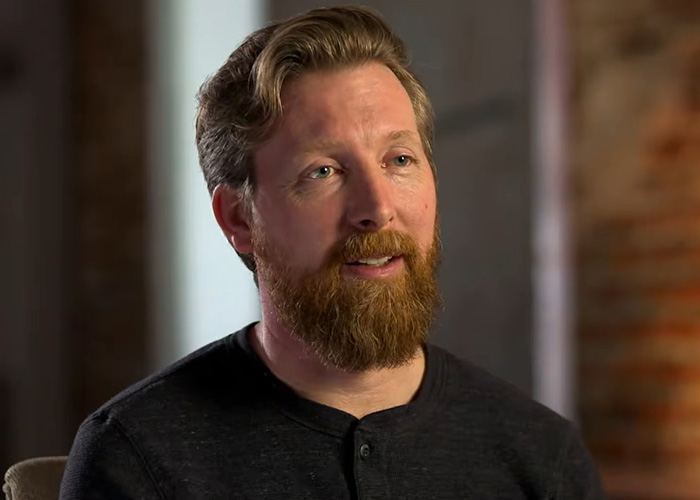
“We enter this story from the perspective of Dave, who is caught in a complete web of falsehood,” Hobkinson told Netflix Tudum. “I wanted the storytelling to somehow reflect that confusion, and ultimately, his total disbelief when he realizes what's happened.”
He added, “As a director, it was a gift of a story. Especially if you're interested in making structured narratives that are about deception and identity.”
Hobkinson also wanted the documentary to restore Farver's identity after years of impersonation had distorted how people perceived her.
“Everyone's perception of [Cari] has been completely distorted by the fact that somebody hijacked her identity,” he said. “One of the things that I hope the film does is somehow cement her true identity.”
© Photo: Netflix
#2 Ryan Waller
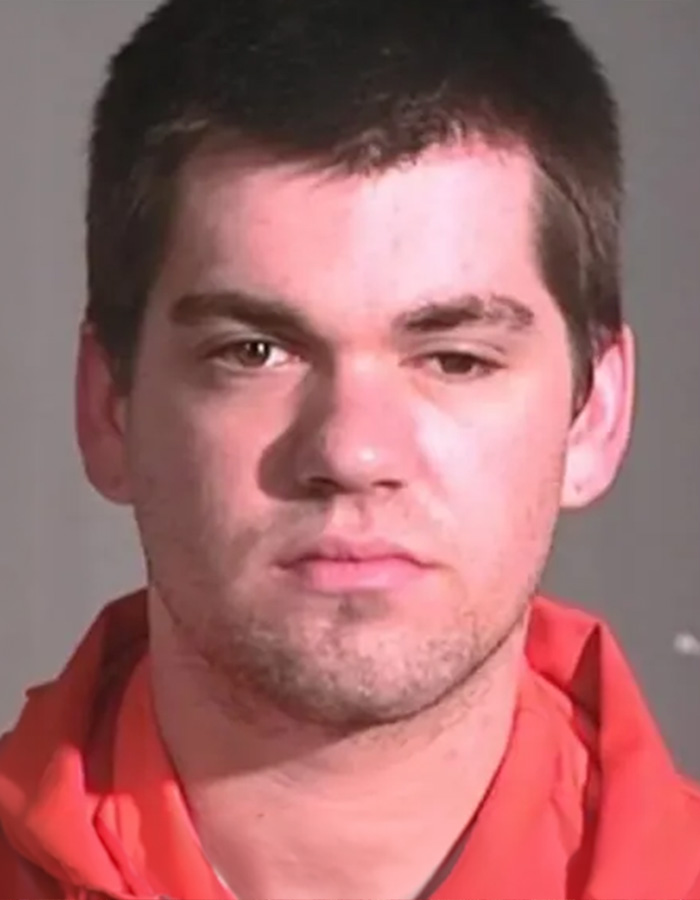
On Christmas Day 2006, 18-year-old Waller and his girlfriend, Heather Quan, were preparing for dinner with Waller’s father when two armed men arrived at their Phoenix, Arizona, home.
One was Waller’s former roommate, Richie Lee Carver, who had come with his father, Larry Lloyd Carver. What followed was a brutal attack that left Heather lifeless and Waller fighting for his life.
According to prosecutors, the Carvers forced their way through the doorway. Richie sh*t Waller in the head, leaving him for d*ad, before the men entered the home and sh*t Heather. They also stole weapons and a computer.
When Waller and Heather failed to show up for Christmas dinner, Waller’s worried father went to check on them.
He discovered Heather lifeless and Waller still alive, but severely injured.
What happened next made the case even more disturbing.
Despite Waller’s visible head wound, officers treated him as a suspect in Heather’s homicide rather than immediately prioritizing his medical needs.
He spent hours in police custody and was questioned by Detective Paul Dalton while suffering from a fatal gu**hot wound that had damaged his brain.
Waller struggled to answer basic questions and repeatedly said he was exhausted. He also identified the attackers, but investigators continued questioning him before he received emergency medical treatment.
Doctors eventually treated his injuries, but the damage was devastating.
Waller lost his left eye and part of his brain, and he experienced lasting complications, including seizures. He reportedly spent 35 days recovering from the initial injuries.
findagrave
The case later drew widespread attention because of the questions surrounding the police response.
Waller’s family believed that the delay in medical care had worsened his condition, while allegations of misconduct and mishandling of evidence added to their concerns.
Their lawsuit against the Phoenix Police Department and the City of Phoenix sought $15 million in damages, but the court ultimately dismissed it.
Meanwhile, investigators pursued the men responsible for the attack.
Richie Lee Carver was convicted in 2008 of felony m**der, burglary, aggravated a**ault, and misconduct involving weapons. He received a life sentence in prison without parole.
The case against Larry Lloyd Carver initially ran into a legal obstacle when his wife refused to testify against him.
Heather’s family then pushed for a change in Arizona law, leading to legislation known as “Heather’s Law,” which allowed the prosecution to move forward.
Larry was re-indicted in 2011 and, following a trial, found guilty on all counts in 2012. He faced the possibility of spending the rest of his life in prison.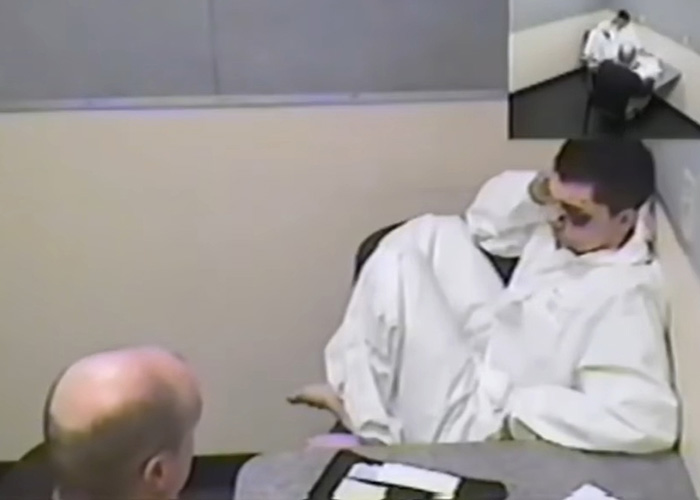
Across the Table/YouTube
Waller survived the attack, but he never fully recovered.
He continued experiencing seizures and other complications from his injuries.
On January 20, 2016, he passed away following a seizure at just 27 years old.
His story continues to raise painful questions about how authorities treated a critically injured young man, with one writing, “Lazy police work cost a man his life; why am I not surprised this has gone on for decades.”
Another wrote, “Sue that police department for failure to provide medical care as required by law.”
© Photo: Phoenix Police Department
#3 Sheila Davalloo
Davalloo’s obsession with a former lover’s new girlfriend ended in a brutal m**der that took years to solve.
The Iranian-American pharmaceutical researcher had built a career in the medical industry. Still, behind the professional façade, she had become consumed by a love triangle that existed largely on her terms.
When another woman entered the picture, the situation spiraled into a d**dly fixation that left one person de*d, another fighting for his life, and investigators searching for answers.
Davalloo worked at Purdue Pharma, where she became involved with her coworker Nelson Sessler.
Their relationship eventually ended, and Sessler began dating another colleague, Anna Lisa Raymundo.
Raymundo was a gifted student who had earned degrees from Harvard and Columbia.
She had her own career, ambitions, and future ahead of her.
Yet her relationship with Sessler placed her at the center of a fixation she did not appear to understand.
On November 8, 2002, Raymundo was found d*ad inside her Stamford, Connecticut, condominium.
Someone had bludgeoned her and stabbed her nine times.
The violence suggested a deeply personal attack, but investigators initially faced the difficult task of identifying the person responsible and establishing a motive.
The case would eventually lead them back to Davalloo, whose connection to Sessler gave detectives a possible explanation for the ki**ing.
The investigation produced a crucial piece of forensic evidence: Davalloo’s DNA was mixed with Raymundo’s blood on a bathroom sink handle.
During the trial, a state DNA analyst testified that the likelihood of another person having the same DNA profile was approximately one in 8.5 million.
The evidence placed Davalloo at the crime scene in a way the defense found difficult to dismiss.
Investigators also examined a 911 call made to report Raymundo’s m**der.
A voice-analysis expert claimed that Davalloo had made the call, but the match reached only 68 percent.
The analysis therefore remained less conclusive than the DNA evidence, which prosecutors relied on heavily when they eventually brought the case to trial.
For years, however, the m**der remained unresolved.
Davalloo was not arrested for Raymundo’s ki**ing until 2008, when she was already serving a 25-year prison sentence in New York for a separate attack on her husband, Paul Christos.
That earlier crime revealed another disturbing episode in her personal life and helped investigators understand the lengths to which she had gone when she felt threatened or rejected.
In 2003, Davalloo attacked Christos with a paring knife during what began as a blindfolded restraint game.
The situation turned terrifying when she used the knife against him.
Christos later recalled pleading with her to stop. “I kept saying, ‘Let go of the knife. Let go of the knife,’” he testified, per CBS News.
He survived, but the attack left him requiring open-heart surgery.
The violence did not end when Christos reached the hospital.
According to the account presented in court, Davalloo delayed getting him medical help and attempted to stab him again outside the hospital.
Christos survived his injuries, but the attack changed his life and ultimately became part of the evidence that prosecutors used to establish a pattern of disturbing behavior.
Christos also described Davalloo’s increasingly elaborate ideas about relationships involving her colleagues.
She spoke about a fictionalized love triangle, along with scenarios involving stalking and break-ins.
Investigators also learned that she had a lock-picking kit and had borrowed night-vision goggles.
These details added another layer to the picture of a woman whose private world appeared increasingly detached from the reality experienced by the people around her.
Sessler, meanwhile, said he had not understood the intensity of Davalloo’s feelings.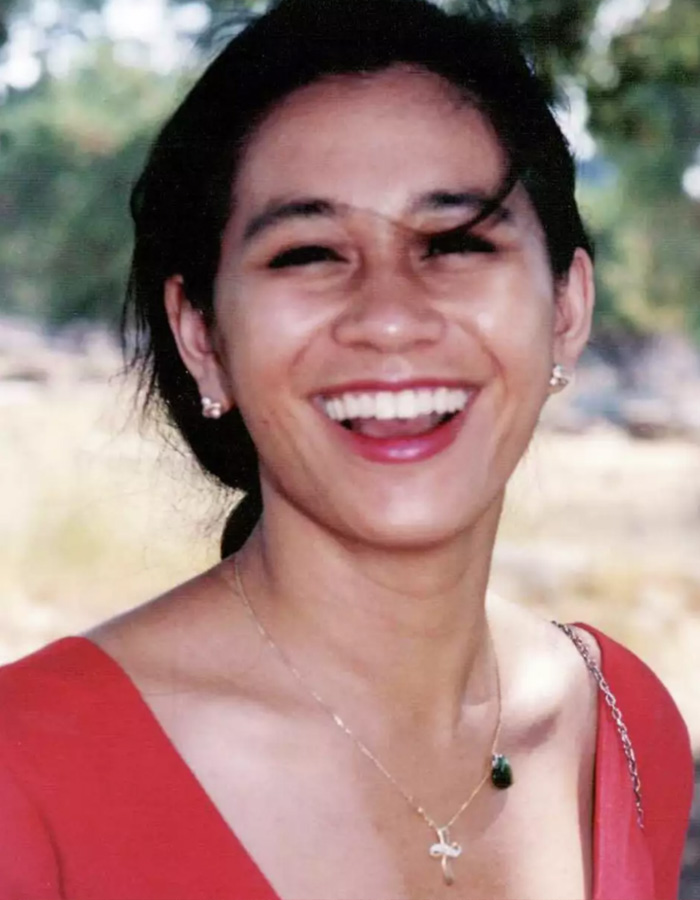
stamfordadvocate
When he testified, he described his reaction to the discovery of her alleged fixation in blunt terms: “I had no idea she was obsessed.”
He also explained that their relationship had never carried the emotional significance she seemed to attach to it.
“We never had that kind of relationship where we shared the word, love. It was completely left-field for me.”
After Raymundo’s m**der, Sessler recorded conversations with Davalloo in an attempt to understand what had happened.
In one exchange, he pressed her to explain the events surrounding the kil**ng.
“It would help me a lot to tell me what happened in the fall, so it's black-and-white and not gray,” he told her. Davalloo responded, “That would make my life a lot more difficult.”
A letter she sent Sessler also revealed how she viewed the situation.
In it, she wrote, “Maybe I would have called her and warned her about you; I would have felt sympathetic and not murderous.”
The wording offered a chilling glimpse into the jealousy and resentment that prosecutors believed had motivated the attack.
Rather than expressing simple regret over the loss of a life, the letter appeared to frame Raymundo’s fate through the lens of Davalloo’s own complicated feelings about Sessler.
When the case finally reached trial in 2012, Davalloo chose to represent herself.
She questioned witnesses, challenged the DNA findings, and disputed the voice-analysis evidence.
Her decision made the proceedings unusual, as she took an active role in confronting the testimony that prosecutors presented against her.
At one point, her questioning of Christos became emotional as she asked him about the scars left by his injuries.
The moment briefly interrupted the otherwise tense proceedings. Later, she addressed her earlier behavior with a joke, saying, “I apologize for earlier. I seem to have John Boehner's affliction.”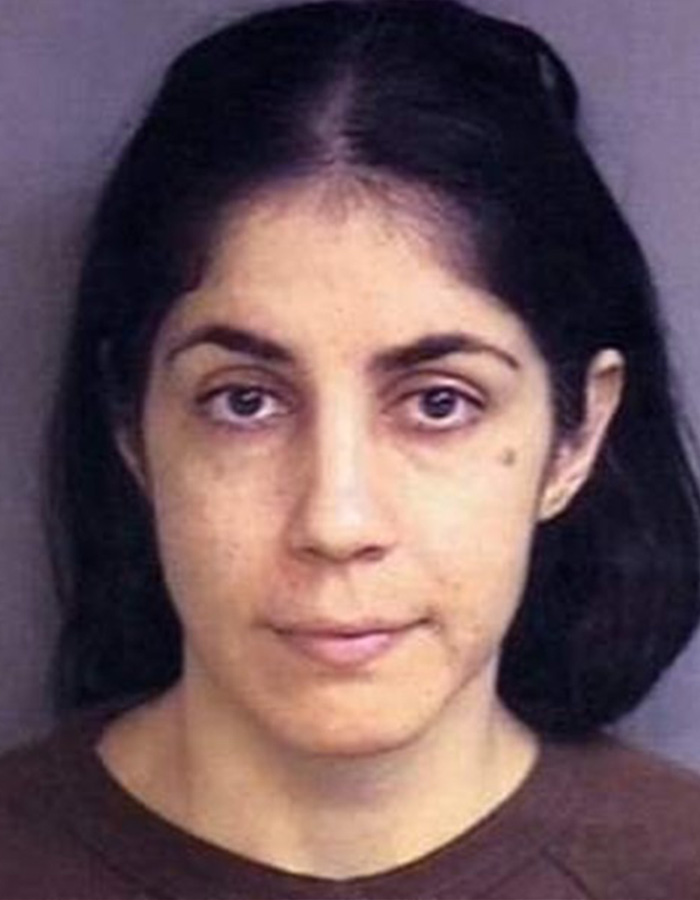
Foxctlive
The moment did little to change the weight of the evidence.
Prosecutor James Bernardi described the case as “a tale of obsessive vanity,” arguing that Davalloo’s fixation and jealousy had culminated in Raymundo’s m**der.
The prosecution’s case relied on forensic evidence, accounts from people who knew Davalloo, and material gathered during the investigation.
On February 10, 2012, the jury found Davalloo guilty of Raymundo’s mu**er.
The verdict brought an end to a case that had remained unresolved for years and gave Raymundo’s family a formal answer about who had been responsible for her d*ath.
Judge Richard Comerford sentenced Davalloo to 50 years in prison in Connecticut.
The sentence was due to begin after she completed her existing 25-year New York sentence, effectively ensuring that she would spend the rest of her life behind bars.
During sentencing, Comerford spoke about Raymundo’s character and the loss her family had endured.
“I hope you will be sure to contribute to those with whom you are incarcerated. I think the victim here would ask you to do that. She was a good soul. She was a charitable person,” he told Davalloo.
Davalloo offered her own words before the punishment was handed down.
“I pray for them and hope that the punishment you hand down here today will give them closure and some kind of solace,” she said.
Raymundo’s father, Dr. Renato Raymundo, described the devastation her de*th had brought to the family.
“Sheila Davalloo took away our most precious possession,” he said. He also condemned the ki**ing as “a savage act and uncivilized.”
His words reflected the profound loss left behind by the d*ath of a daughter whose academic achievements and promising future had made her family proud.
Christos, who had survived Davalloo’s earlier attack, offered a stark assessment of the woman he had once married: “She lives in her own shade of reality.”
The case exposed the devastating consequences of an obsession that had grown far beyond an ordinary romantic disappointment.
Raymundo had been k**led, Christos had survived a near-fatal attack, and Davalloo had received consecutive prison sentences for the crimes.
For those left behind, the verdict brought legal accountability, but it could not restore the life Raymundo had been building before November 2002.
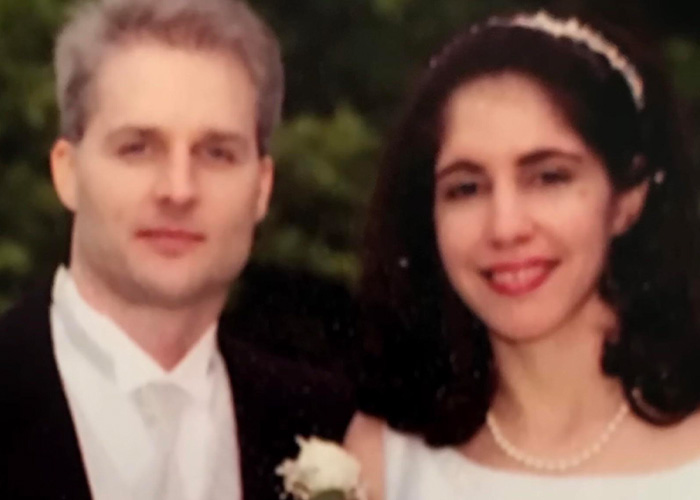
© Photo: TrueCrimeDiscussion/Reddit
#4 Stephen Allwine
Allwine spent years presenting himself as a devoted husband, father, and church deacon.
But when his wife, Amy, was found lifeless in their Minnesota home in November 2016, investigators uncovered a trail of digital evidence that prosecutors said exposed a m**der-for-hire plot gone wrong.
Allwine insisted a sophisticated hacker had framed him.
The evidence presented at his trial told a very different story, and he was sentenced to life in prison without the possibility of parole.
Years later, however, questions about the credentials of the computer forensics expert who helped convict him raised new concerns about whether he deserved another day in court.
Stephen and Amy had met at a Christian college, fallen in love, married, and adopted an infant son.
Their life in Cottage Grove, Minnesota, appeared to revolve around faith and family.
Stephen worked in information technology and served as a deacon at his church, while Amy ran a dog-training business near their home.
To outsiders, they seemed to have built a stable life together.
Prosecutors later argued that Stephen feared a divorce would cost him his standing in the church, giving him a reason to eliminate his wife rather than end their marriage.
The first major warning came in May 2016, when an FBI agent and a Cottage Grove police detective approached the couple with disturbing news: someone had been trying to arrange Amy’s m**der.
Investigators had received emails connected to a dark-web website called Besa Mafia, which claimed to offer contract killings carried out by professional Albanian assassins.
The messages came from an anonymous user operating under the name “dogdayGod.”
The first email, sent on Valentine’s Day, asked how to convert money into bitcoin without revealing the sender’s identity.
Other messages discussed payment, possible methods of kil**ng, and Amy’s movements.
One message offered a supposed explanation for the planned attack: “This b**ch has torn my family apart by sleeping with my husband (who then left me), and is stealing clients from my business,” the anonymous sender wrote.
The words suggested a motive rooted in jealousy and resentment.
But Stephen claimed the emails might have referred to another woman named Amy.
He later said he believed investigators had never seriously considered him a suspect during their interview with the couple.
Instead, he suggested that someone connected to Amy’s work had been responsible for the threats.
Investigators eventually believed the emails were part of Stephen’s own plan.
According to prosecutors, he had tried to arrange Amy’s ki**ing through the dark web, but the supposed h**man service turned out to be a scam.
The messages continued even after the plan failed, and investigators began examining whether the person behind “dogdayGod” had decided to carry out the m**der personally.
That theory depended heavily on digital forensics.
Mark Lanterman, a computer forensics expert hired by prosecutors, examined more than 60 electronic devices connected to the Allwine household.
The devices included phones, laptops, hard drives, thumb drives, and servers.
Lanterman said the information they contained created a trail that closely matched “dogdayGod's” online activity.
He identified more than 70 points of comparison between the anonymous account’s communications and activity on Stephen’s devices.
The timing of searches, downloads, bitcoin transactions, and deleted files formed a timeline that prosecutors argued was too precise to be coincidence.
On February 14, 2016, while “dogdayGod” contacted Besa Mafia, Stephen was searching for information about bitcoin on his MacBook Pro.
The following day, he looked up Amy’s itinerary for a dog-training convention in Moline, Illinois, and mapped the distance from Chicago.
Two minutes later, the anonymous account told Besa Mafia that the intended victim would be traveling to Moline and asked about the cost of a ki**ing that would ideally look like an accident.
Another connection emerged in March.
“DogdayGod” sent Besa Mafia a photograph of Amy taken during a vacation in Hawaii.
Investigators found that Stephen had downloaded the same photograph from the couple’s home server seconds earlier.
The bitcoin evidence proved even more significant.
After Besa Mafia explained how to purchase bitcoin and conceal the trail, Stephen bought 15.5 bitcoins worth more than $6,000 at the time.
He later told Cottage Grove police he had fallen victim to a scam.
Investigators also traced a distinctive, 35-character bitcoin wallet code through his devices.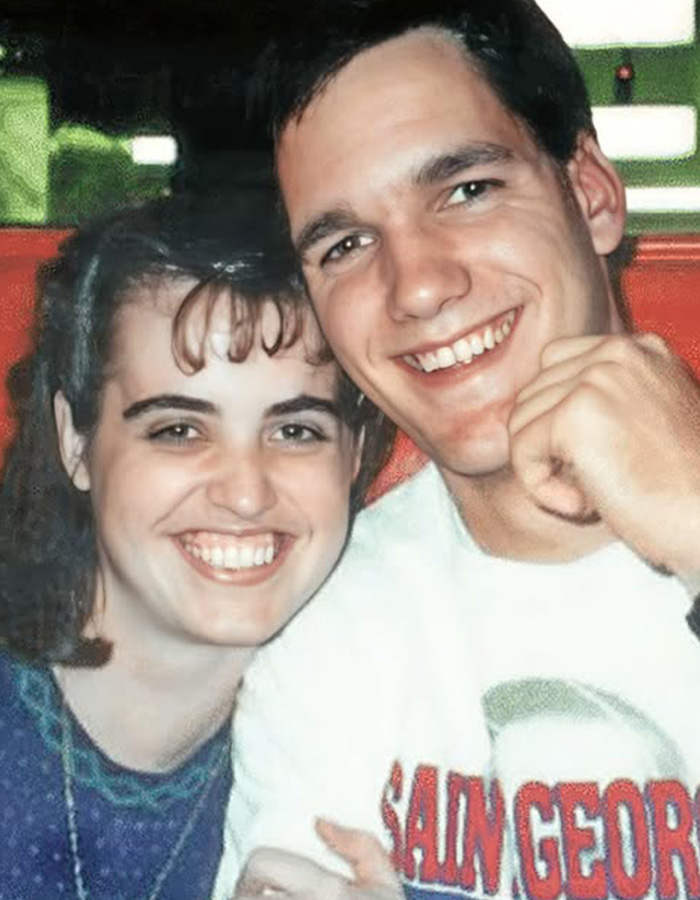
MiracleSurvivorsUS/YouTube
On March 22, Stephen copied the code into the Notes application on his iPhone 5.
Twenty-three seconds later, “dogdayGod” sent the identical code to Besa Mafia.
Forty seconds after that, the note disappeared from Stephen’s phone.
Although it had been deleted, the information was backed up to the cloud and later appeared on his newer iPhone and MacBook Pro.
For Lanterman, the sequence was particularly compelling.
“So we have a unique 35-character Bitcoin wallet being created on a Note, while we have communications from an independent source, the FBI, referencing that exact Bitcoin wallet.
And then that note being deleted all within the same one-minute period,” he explained.
Stephen offered another possibility: someone had hacked his accounts, placed the bitcoin code in the cloud, and allowed it to sync across his devices.
He admitted that he had not followed his own advice about keeping passwords secure.
Lanterman found 24 unique passwords on Stephen’s devices, but said the investigation uncovered no evidence the devices had been compromised, or even could be compromised, as Stephen described.
Prosecutors believed the Besa Mafia website had never intended to carry out a real m**der.
When Amy was not ki**ed during her trip to Moline, the service offered excuses and requested more money.
Investigators argued that Stephen eventually abandoned the failed arrangement and ki**ed his wife himself.
On November 13, 2016, Stephen called 911 and reported that Amy had apparently sh*t herself.
He had gone out to eat with the couple’s nine-year-old son and claimed that he found Amy’s body when they returned home.
During the call, he told the dispatcher, “I think my, I think my wife sh*t herself. There’s blood all over.”
At one point, their son asked his father, “Are you going to remarry?”
Stephen replied, “I don’t know, bud.”
The exchange later drew attention because of how calmly he appeared to speak while reporting his wife’s d**th.
Stephen defended his demeanor by saying his attention had turned to protecting his son from the horrifying scene.
“I've got a nine-year-old son that is 30 feet away. My thoughts have to go to him and how to best protect him from this ultimately gruesome situation,” he explained.
But the scene raised immediate questions.
Amy was right-handed, yet the g*n lay beside her left hand.
Investigators found no gunpowder residue on her hands, and the evidence suggested that her body had been moved.
Luminol testing also indicated that someone had cleaned blood from the floor before officers arrived.
The medical examiner estimated that Amy had died around 3 p.m., hours before Stephen said he had returned home.
Toxicology testing revealed scopolamine, a d**g that can cause incapacitation at high doses, in her system.
Investigators also questioned why an outside ki**er would have used the couple’s own firearm and entered through the back door, the only entrance without surveillance cameras.
The jury ultimately accepted the prosecution’s case.
Stephen was convicted of first-degree premeditated m**der in 2017 and sentenced to life in prison without the possibility of parole.
He continued to maintain his innocence, claiming that the real ki**er had planted evidence on his electronics and that investigators had overlooked physical evidence that could have cleared him.
In a later interview from prison, Stephen said, “When you look at all the scientific evidence, when you look at the hard physical evidence, I couldn't have done it if you know me as an individual. I couldn't have done it.”
True Crime News/YouTube
He offered no hard evidence proving that someone had framed him, but continued to challenge the digital findings that had helped secure his conviction.
Lanterman remained convinced that the evidence was overwhelming.
“In this case, the evidence was overwhelming,” he said, describing it as “probably the most compelling case I have ever worked on in the last 30 years.”
He also said Stephen had appeared to believe he could outsmart investigators. “I think Mr. Allwine thought he was smarter than everyone else. And fortunately for justice, that wasn’t true.”
Stephen’s conviction survived an appeal in which he challenged the prosecution’s conduct and the adequacy of his defense.
The Minnesota Supreme Court rejected those claims and upheld the conviction in August, according to FOX 9. Stephen said he continued to pursue other avenues for post-conviction relief.
Then, years after the trial, the credibility of the very expert who had analyzed the devices came under scrutiny.
Lanterman had worked on thousands of criminal and civil cases and had received approximately $2 million from Hennepin County since 2018.
His work involved unlocking phones, examining digital records, and explaining technical findings in court.
But questions emerged about whether the county had independently verified the qualifications he claimed.
Lanterman had long said he graduated from Upsala College in New Jersey, an institution that went bankrupt in the 1990s and no longer existed.
During a recorded deposition in a Florida civil case, he acknowledged that he had been unable to obtain his transcript.
The opposing attorney pressed him about how anyone could verify his educational history. “So you know where you went to college, right?” the attorney asked.
“Yes,” Lanterman replied.
“And how are we supposed to know?” the attorney continued.
“Well, because I told you,” Lanterman answered.
The exchange became part of a wider controversy after Wisconsin attorney Sean Harrington presented Hennepin County prosecutors with research that raised questions about Lanterman’s background.
The county said it had not previously received a complaint like that.
In March, prosecutors disclosed that they could not find proof that Lanterman had obtained some of the credentials he claimed.
The county launched a review of his cases and canceled his contract.
The FBI also opened an investigation.
Hennepin County declined interview requests while the federal investigation remained active, but spokesperson Carolyn Marinan said a panel reviewed prospective contractors’ education, experience, and credentials.
If a contract required specific licenses or qualifications, she said, the county would collect proof during the contracting process.
The controversy had consequences beyond Lanterman’s contract.
At least two convicted ki**ers in Minnesota began seeking new trials, citing concerns about his credibility.
Stephen Allwine was among them.
Records showed that Lanterman had analyzed more than 60 electronic devices tied to Allwine’s case, making his work a significant part of the prosecution’s presentation.
From prison, Stephen questioned what the newly raised concerns could mean for the testimony that had helped convict him.
“How many times has Lanterman lied under oath, whether at trial, in a deposition, in an affidavit that are all sworn under penalty of perjury?” he asked in an interview with 5 INVESTIGATES.
However, investigators had not made a specific allegation that Lanterman lied about the facts of any particular case.
Questions about a witness’s credentials did not automatically prove that the evidence in a conviction was wrong.
But legal experts said such concerns could matter if the witness had played a critical role in the prosecution.
“This is newly discovered evidence that might call into question a person’s conviction,” said Jennifer McAward, an associate professor at Notre Dame Law School who had studied credibility problems involving witnesses.
She added, “I would hope they’re going back and looking at all of the cases in which he testified and trying to assess whether they can continue to defend those convictions.”
Washington County, which prosecuted Stephen, said it had stopped using Lanterman in 2018 and was reviewing earlier cases in which he had been involved.
Stephen was among roughly a dozen defendants who received letters warning them of Lanterman’s “potential misrepresentations.”
The new scrutiny did not establish that Stephen had been framed, nor did it erase the digital evidence presented at his trial.
It did, however, raise a question the conviction alone could not answer: if an expert’s qualifications came under serious doubt, how should courts reassess cases that relied on his testimony?
For Amy’s family, the original trial had delivered a verdict and a life sentence for the man prosecutors said ki**ed her.
For Stephen, the credibility dispute offered another avenue to challenge that verdict.
Whether it would lead to a new trial remained unresolved, leaving the case caught between the evidence that had secured his conviction and the questions now surrounding one of the experts who helped present it.
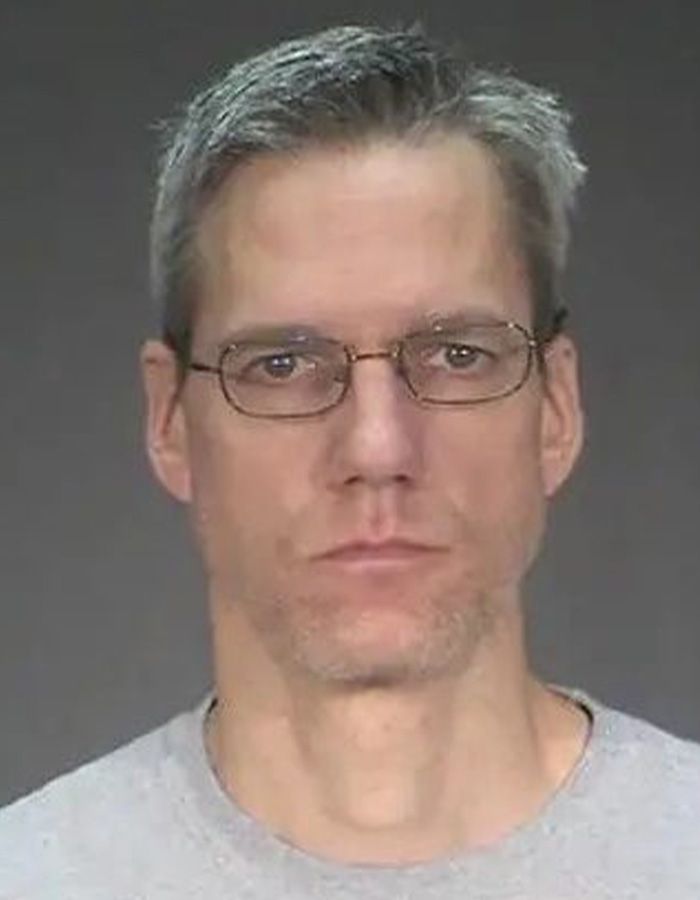
#5 Thomas Montgomery
Montgomery’s online romance began with a lie.
A married father of two, he entered a teenage chat room pretending to be an 18-year-old Marine.
The woman who caught his attention was hiding behind a false identity of her own, and their relationship soon grew into an elaborate fantasy that consumed both their lives.
But when another man entered the picture, jealousy shattered the illusion.
In September 2006, Montgomery sh*t his rival, Brian Barrett, outside the factory where they worked.
The mu**er turned a secret online love triangle into a real-life tragedy, leaving a young man de*d and exposing how far Montgomery had gone to protect a relationship that had never been what he believed it was.
In May 2005, Montgomery, then 46, joined a teen chat room on Pogo, a popular online gaming site.
He used the screen name “MarineSniper” and presented himself as a young Marine preparing to deploy to Iraq.
When an 18-year-old user known as “Talhotblond” began messaging him, he decided to lie about his age, too.
He later explained his reasoning: “I kept thinking, well, we're never going to meet. ... I'll just play the game with her.”
The woman behind the screen name identified herself as Jessi, a high school senior from West Virginia who played softball.
She sent Montgomery photographs, including some he described as “very provocative poses.”
When she asked him to send a picture of himself, he reached into his past and used a photograph from Marine boot camp taken decades earlier.
The image helped him create the younger man he wanted Jessi to believe she had met.
Montgomery served in the military for six years when he was young and qualified as a sharpshooter, but records reviewed by ABC News’ 20/20 showed he had never trained as a sniper or seen combat.
Online, however, “MarineSniper” suggested a more dangerous, heroic past.
Montgomery built on that impression, inventing a younger persona named “Tommy,” whom he described as six feet tall, with bright red hair, broad shoulders, and a muscular build.
The difference between the man behind the screen and the person he presented online grew wider with every conversation.
Montgomery was married and raising two teenage daughters, yet he began treating his relationship with Jessi as something more important than the life he already had.
The two exchanged gifts, phone calls, and love letters. Jessi wrote, “I love you always and forever, Tommy,” and Montgomery replied, “I have never felt this way.”
Their conversations became increasingly intimate.
Vicky Crimes/YouTube
Montgomery later acknowledged that the relationship included virtual s*x.
Although he admitted that it made him “feel kind of dirty,” he found himself unable to walk away.
“If I were smart, I would've just ended it, but it was like a dr*g that I needed every day,” he said.
The online romance gradually overtook his sense of reality.
Montgomery later described the relationship as one that “became more real to me than real life.”
He even wrote himself a note declaring that his old identity would disappear.
“On January 2, 2006, Tom Montgomery (46 years old) ceases to exist and is replaced by an 18-year-old battle-scarred marine ... He is moving to West Virginia to be with the love of his life,” he wrote.
For Montgomery, the fantasy had become more than an escape from everyday life.
He had begun imagining a future with Jessi, even though they had never met in person.
The relationship also carried a crucial imbalance: Jessi did not know the real man behind “Tommy,” and Montgomery had invested so much of himself in the invented identity that losing her became increasingly difficult to accept.
The situation grew more complicated when Montgomery’s wife discovered a package Jessi had sent to their home.
She contacted Jessi and revealed the truth about her husband: he was not an 18-year-old Marine but a married, middle-aged man.
The revelation threatened the carefully constructed world Montgomery had spent months building.
Barrett became involved after Jessi contacted him online to confirm what Montgomery’s wife had told her.
Montgomery had mentioned Barrett in his conversations with Jessi, and Barrett’s involvement drew him directly into the increasingly bitter dispute.
The relationship that had once existed largely through messages and imagined identities now had a real person standing between Montgomery and the woman he believed he loved.
As Jessi’s attention shifted away from Montgomery, his messages revealed growing resentment toward Barrett.
Prosecutor Frank Sedita later argued that Montgomery had pursued Jessi in an “almost predatory” way and had become fixated on the relationship over the course of roughly a year and a half.
The thousands of pages of chats recovered during the investigation documented that fixation.
“The chats reveal an obsessive desire to make Brian Barrett suffer,” Sedita said.
Barrett, 22, was a college student who hoped to become an industrial arts teacher.
He also worked at Dynabrade, a factory in Clarence, New York, where Montgomery was employed.
On September 15, 2006, Barrett finished his shift and climbed into his truck in the parking lot. Montgomery sh*t him three times at close range.
Barrett’s body was not discovered until two days later, when a coworker found him.
The online feud had ended in a kil**ng that had nothing to do with a face-to-face romantic rivalry. Barrett had become the target of Montgomery’s jealousy in a relationship built on false identities, emotional dependence, and a fantasy that Montgomery could not bear to lose.
The m**der devastated Barrett’s family, who struggled to understand how an online relationship could lead to such violence.
At Montgomery’s sentencing, his father, Daniel Barrett, described the family’s disbelief.
“My wife and I don't understand how this could happen, how such evil could walk the Earth,” he said. “To g*n down a boy over simple jealousy does not make sense to us.”
Vicky Crimes/YouTube
Montgomery pleaded guilty in August to kil**ng Barrett and was sentenced to 20 years in prison.
Prosecutor Sedita had asked for the maximum sentence of 25 years, pointing to the intensity of Montgomery’s pursuit of Jessi and the hostility he directed toward Barrett.
Justice Penny Wolfgang described the case as a “consequence of misuse of the internet.”
Montgomery’s lawyer, John Nuchereno, argued that the line between fantasy and reality had blurred for his client.
Before the m**der, Montgomery had been married, involved in his church, and served as president of his daughters’ swim club.
His attorney said the obsession had changed him.
“Until September 2006, this was a man who held his head high,” Nuchereno said. “By September 2006 — call it an obsession, call it an a**iction, call it what you want — he was suffering from a diminished capacity of some sort.”
Montgomery, who later divorced, attempted s*icide in his jail cell after his arrest.
He chose not to speak at sentencing, leaving Barrett’s family to confront the consequences of a ki**ing that had grown out of a relationship neither man had truly understood in the same way.
The case did not end with the prison sentence.
It later resurfaced amid questions about the credibility of Mark Lanterman, the computer forensics expert whose analysis of electronic devices helped prosecutors build their case against Montgomery in the broader investigation.
Years later, concerns about Lanterman’s credentials prompted convicted defendants, including Montgomery, to seek new trials.
Those concerns did not, by themselves, prove that the evidence against Montgomery was false, but they raised questions about how courts should reassess convictions that relied on his work.
What remained undeniable was the loss of Brian Barrett, a young man with plans for his future who had been drawn into a conflict that began behind computer screens.