

No fact is born equal. Some are short, interesting and straight to the point: the earth is round, a cloud weighs around a million tonnes and Australia is wider than the moon. Others are creepy: more than 100 corpses lay scattered across Mount Everest, chainsaws were once used for childbirth and Texas horned lizards can blast a stream of blood directly from the corners of their eyes.
Then there are facts so fascinating, fun or strange that they leave you wanting to know even more. Those are the type we're serving up today, along with some short stories that are equally intriguing. The posts have been selected from an Instagram account simply called Strangest. It has more than 837,000 followers, all hungry for knowledge of a different flavor.
If you're keen to learn about a time when working cats had passports signed with their paw prints, how to rewire your brain to change your life, or the man who drank bacteria to prove people wrong, now's the time to start scrolling.
#1
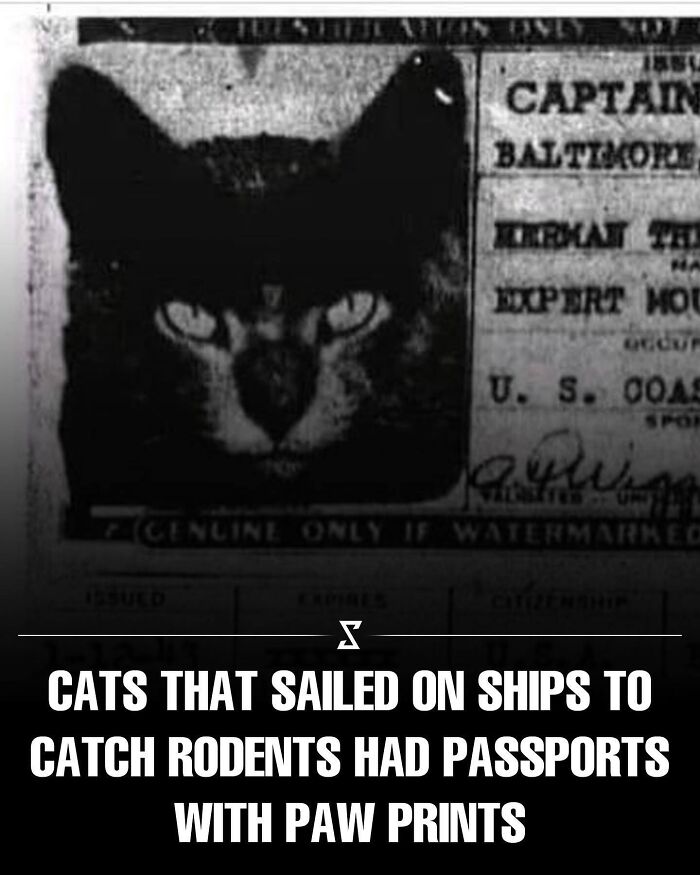
Up until the mid 20th century, cats that sailed on ships to catch rodents had passports signed with their paw prints.
Did you know this fun fact?
© Photo: strangest
#2
Would you try this new joint regeneration treatment?
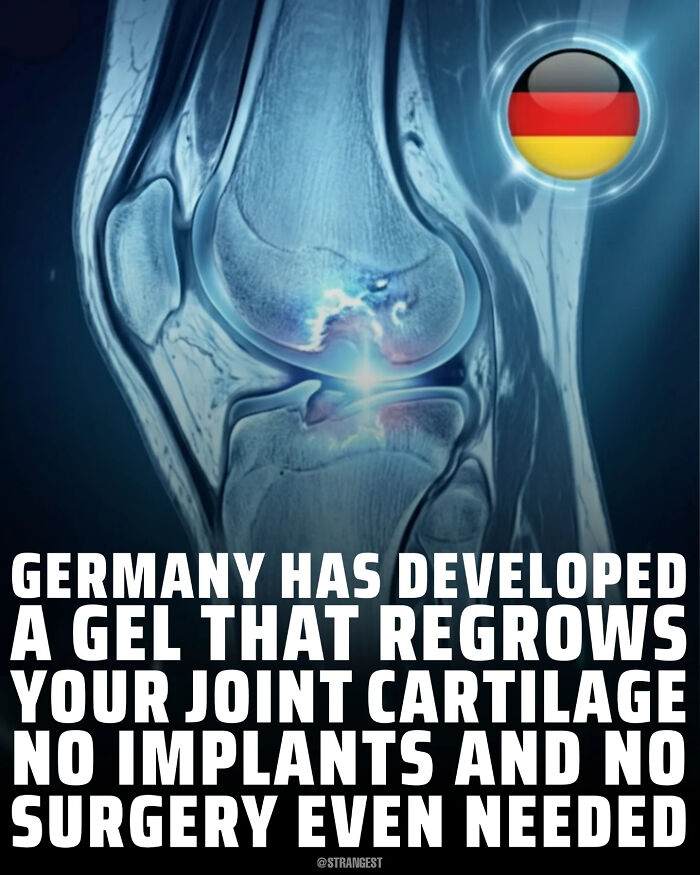
Germany may have just revolutionized the way joint pain is treated.
Researchers have developed a breakthrough injectable gel that can repair and regrow damaged joint cartilage without implants, surgery, or joint replacement.
This collagen-based gel fills areas where cartilage is lost, allowing your own cells to grow into it and form new, healthy cartilage from within.
It is minimally invasive, designed to restore mobility naturally, and experts believe it could transform orthopedic medicine, offering hope to millions living with arthritis, joint pain, and cartilage damage.
© Photo: strangest
#3
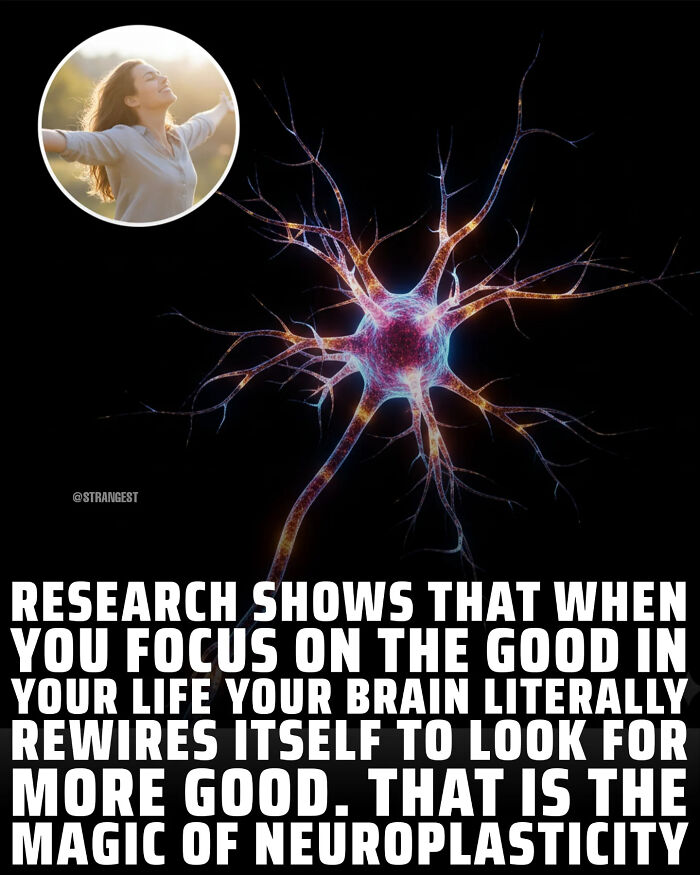
When you truly focus on the good in your life, your brain can literally rewire itself through a process known as neuroplasticity, strengthening neural pathways linked to positive emotions and making it more likely to notice good things in the future. Repeated attention to positive experiences builds new neural connections, much like exercise strengthens muscles, gradually shifting perspective, emotional patterns, and stress responses over time.
**Neuroplasticity in Action:** Your brain is constantly changing in response to your experiences, thoughts, and emotions. When you intentionally focus on what feels good, safe, or meaningful, you strengthen neural circuits associated with reward and positive experiences.
**Strengthening Positive Pathways:** Consistently practicing habits such as gratitude, mindfulness, or positive affirmations helps build and reinforce neural pathways that make positive emotions easier to access. Over time, positive experiences can feel more natural and automatic.
**The Opposite Is Also True:** When attention is repeatedly placed on negative thoughts or stress, the brain strengthens those pathways, becoming more efficient at detecting threats and problems.
**Changing Your Brain’s Default:** With consistent focus on the positive, your brain’s default setting can gradually shift, making it more inclined to notice solutions, hope, and possibility in everyday life.
**It’s an Active Process:** This is not about ignoring challenges. It is about actively training the mind to see the full picture, including what is working well. Choosing where to place your attention is a powerful way to shape thoughts, emotions, and reactions.
© Photo: strangest
#4
In April 2016, a dozen police officers ended up trapped inside a stalled elevator at a Missouri police academy after accidentally exceeding the cabin’s weight limit.
When local firefighters arrived on the scene to save the day, they made sure to take full advantage of the classic rivalry before pulling anyone out. Pausing the rescue mission for a brief moment, one smiling firefighter flashed a cheerful thumbs up right in the foreground, perfectly framing the sheepish looking officers stuck behind the metal gate.
The priceless photo quickly went viral after being shared online, with the police department good naturedly admitting that while every officer made it out completely safe, their “egos were severely injured.”

© Photo: strangest
#5
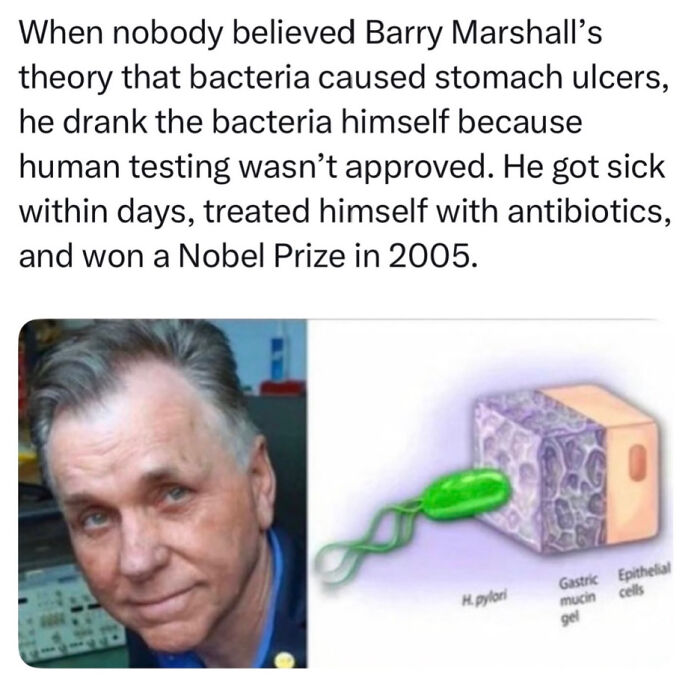
In July 1984, Australian physician Barry Marshall made medical history by intentionally drinking a beaker full of Helicobacter pylori bacteria just to prove that the microbe, rather than stress or spicy food, was the true culprit behind gastritis and stomach ulcers.
Because strict ethical guidelines barred him from testing his theory on human volunteers, Marshall decided to turn himself into the ultimate test subject. Within just a few days, he came down with severe nausea, bad breath, and morning vomiting. A follow up endoscopy confirmed acute inflammation and heavy bacterial growth across his stomach lining, which he promptly cured using a course of antibiotics.
That daring act of self experimentation overturned decades of entrenched medical dogma overnight, forever changing how ulcers are treated and earning Marshall and his colleague Robin Warren the 2005 Nobel Prize in Physiology or Medicine.
© Photo: strangest
#6
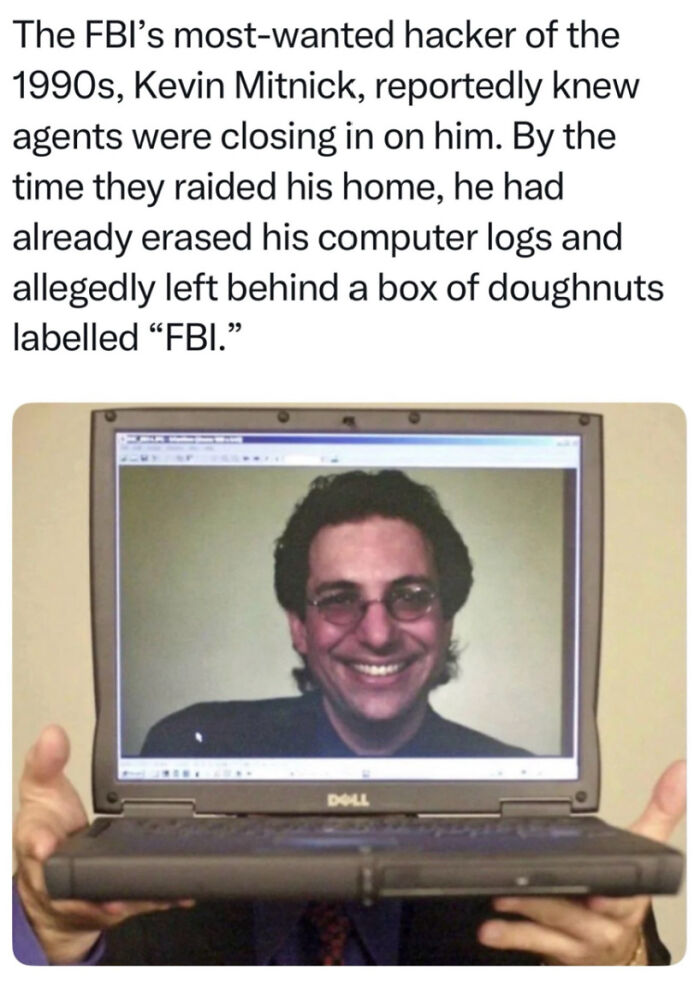
During the 1990s, legendary FBI most wanted hacker Kevin Mitnick realized federal agents were finally closing in on his hidden apartment hideout.
By the time armed officers kicked down the door and raided the place, Mitnick had already vanished, completely wiping every trace of sensitive activity logs from his computers.
Even better, the clever fugitive reportedly left behind a box of freshly glazed bakery doughnuts labeled with the bold capital letters FBI sitting right there for the agents to find.
The audacious prank publicly mocked federal investigators while cementing his reputation for unmatched technical bravado during one of the most famous cyber manhunts in history. Decades later, Mitnick’s legendary exploits still fascinate cybersecurity experts studying the wild early days of the internet age.
© Photo: strangest
#7
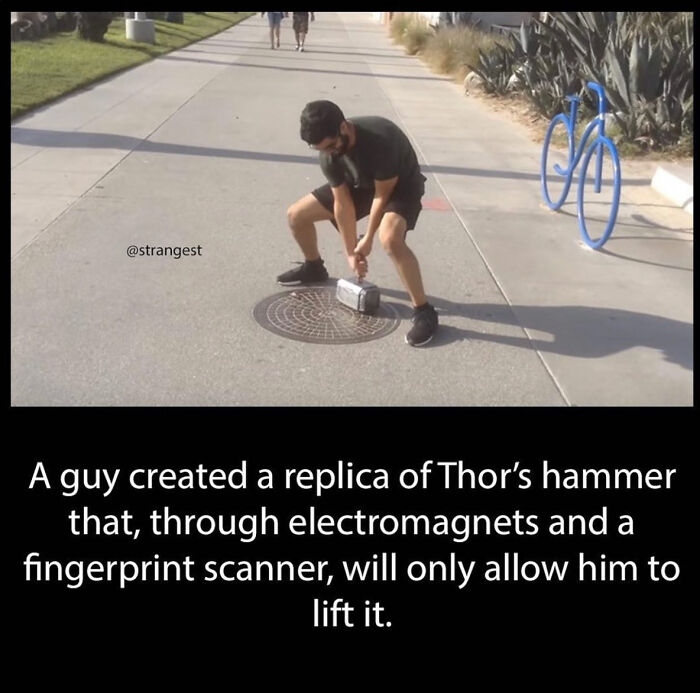
Thor's hammer.
© Photo: strangest
#8
Husbands who truly listen to their wives are not just emotionally intelligent, they are also more successful in life and love.
He did not just hear her, he listened.
Not the passive nod while thinking of football kind. The kind that says, “Your voice matters. Your ideas matter.”
Gottman’s research shows that when husbands welcome their wives’ input, something powerful happens. Trust grows. Connection deepens. Conflict softens. And yes, with that foundation of respect, success often follows, both at home and beyond.
It is not about giving up control. It is about gaining wisdom.
Tag a partner who makes you feel heard and seen.
Source:
The Gottman Institute’s longitudinal study of 130 newlywed couples found that husbands who accept influence from their wives have happier, longer lasting marriages.
© Photo: strangest
#9
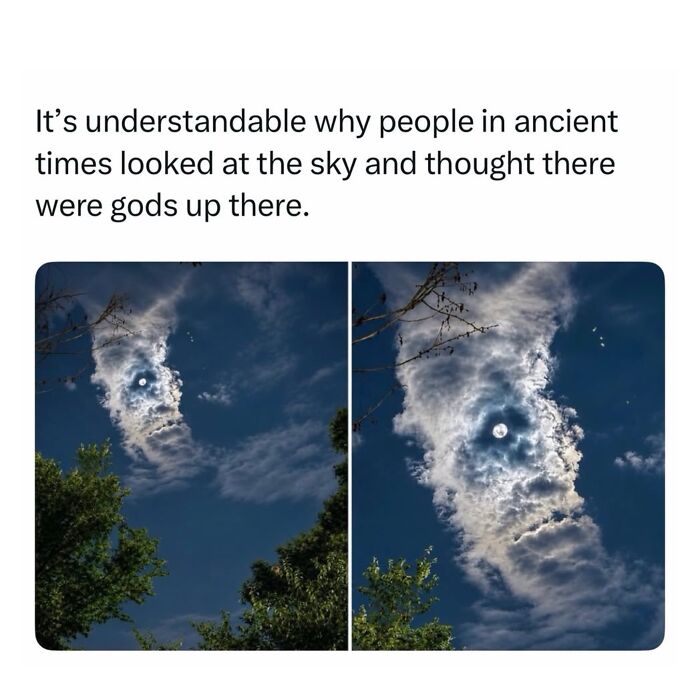
Seen side by side, these two striking sky photographs capture a bright glowing celestial sphere framed inside dramatic, richly illuminated clouds, closely resembling a giant eye watching down from above.
Long before modern meteorology or astronomy could explain optical phenomena and atmospheric lighting, early human societies witnessing eerie, majestic sights like this easily imagined powerful deities looking down from the heavens. Bright halos, shifting cloud formations, and luminous orbs piercing through the dark night sky felt deeply mystical and awe inspiring to ancient spectators gazing upward.
Confronted with vast celestial wonders far beyond their scientific understanding, people across ancient civilizations naturally turned toward rich mythology and divine belief to make sense of the ever changing skies above them.
© Photo: strangest
#10
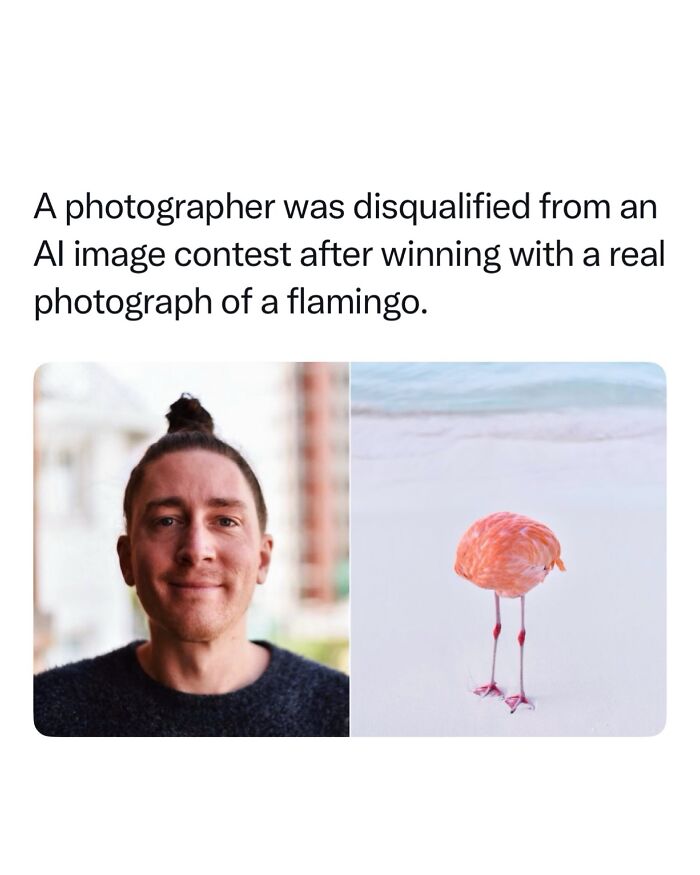
Professional photographer Miles Astray pulled off the ultimate reverse prank after winning an award in an international artificial intelligence image competition using a completely real, unedited photograph of a flamingo.
His clever submission featured a pink flamingo standing on a tropical beach with its head tucked beneath its feathers, creating a surreal optical illusion that looked just like computer generated art. The judges initially selected the shot as a top winner before discovering that no AI had been used at all, prompting annoyed organizers to strip away his award for violating the contest’s rules.
The ironic twist sparked massive debate across the creative world, proving just how blurry the line has become between genuine human photography and synthetic machine generated imagery.
© Photo: strangest
#11
What do you think was going on?
© Photo: strangest
#12
that’s just creepy.
© Photo: strangest
#13
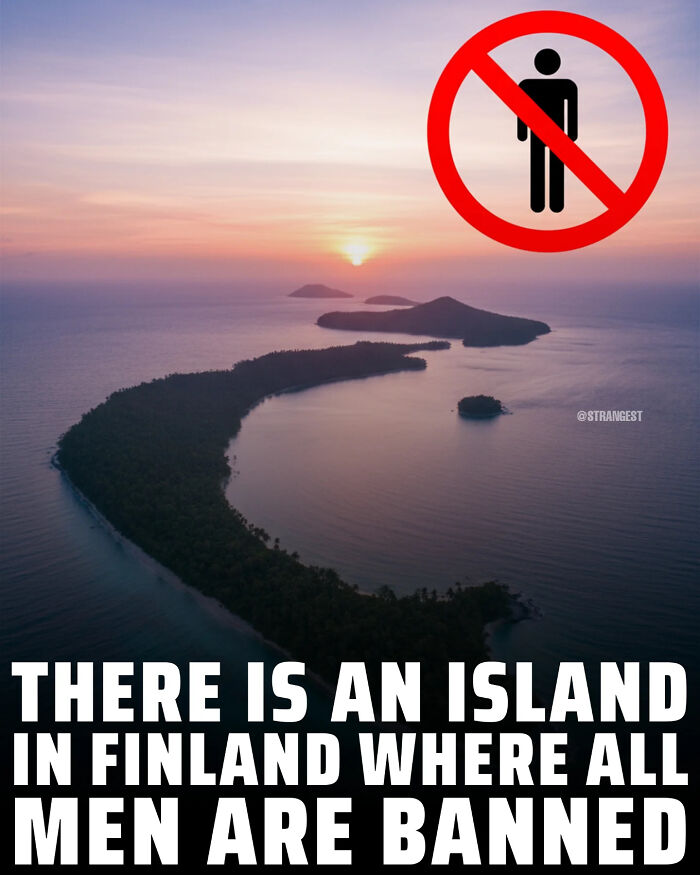
SuperShe Island, a private 8.4-acre retreat near Raseborg, Finland, gained international attention in 2018 for its policy of admitting only women.
Established by entrepreneur Kristina Roth, the luxury resort was intended as a ""wellness sanctuary"" where women could unwind, participate in yoga, and connect professionally, free from the social dynamics often present in co-ed settings. Media coverage frequently described it as enforcing a ""ban,"" but in practice it operated as an exclusive membership club requiring an application and approval process for visitors.
The island's time as a women-only retreat has now concluded. The property was listed for auction and sold to a private buyer in late 2023. It no longer functions as a gender-exclusive resort.
© Photo: strangest
#14
A Greek island is inviting visitors to stay for free if they are willing to help look after rescued kittens, many of which were abandoned or born to stray cats. Volunteers help with feeding, socialization, and basic daily care, all while experiencing island life. Organizers say the initiative reduces pressure on overcrowded shelters and helps the cats become more adoptable. It benefits both the animals and the people who care for them.
The upside is simple: doing something kind comes with beautiful scenery and, sometimes, a softly purring companion.
Source: Greek animal rescue groups and volunteer program reports.

© Photo: strangest
#15
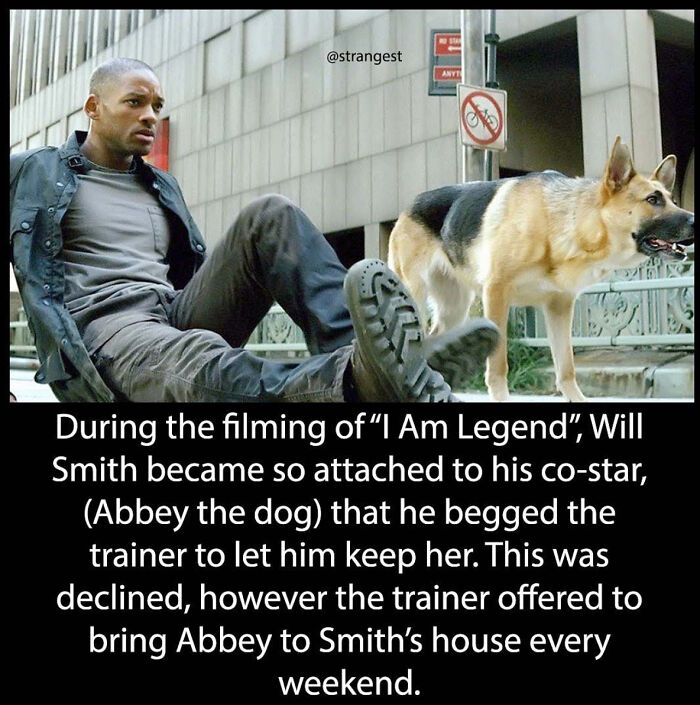
Wholesome.
© Photo: strangest
#16
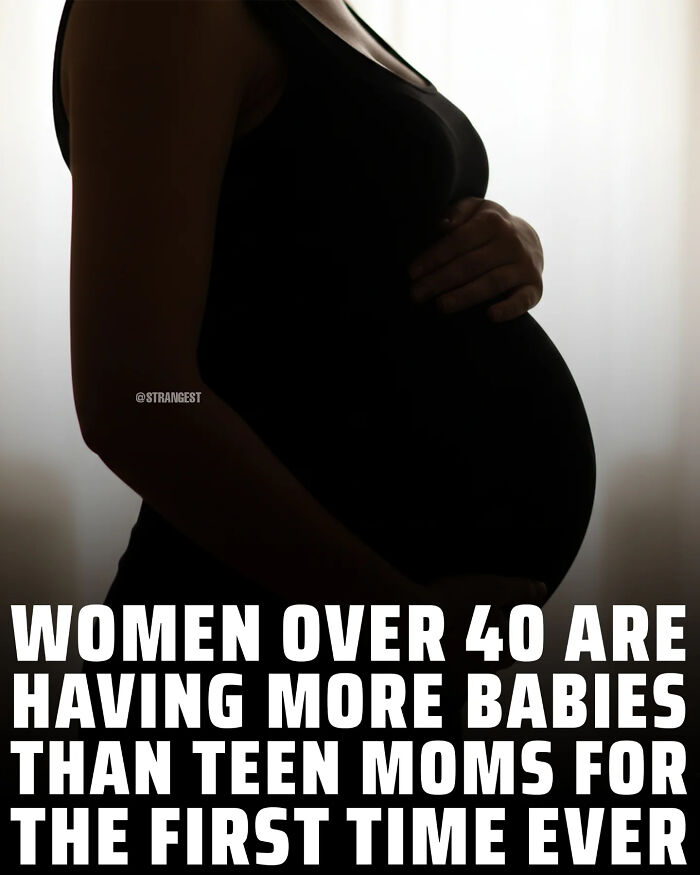
For the first time in U.S. history, women aged 40 and above are having babies at a higher rate than teenagers. Federal figures show that teen birth rates have reached record lows, while the rate for women between 40 and 44 has risen consistently over the last twenty years. This change points to significant shifts in education, career goals, contraceptive access, and reproductive medicine.
Specialists link this pattern to later marriages, longer lifespans, better fertility options like IVF, and stronger financial footing in later adulthood. Many women are now opting to build their careers, secure their finances, or enter new marriages before starting a family. Improvements in prenatal medicine have also lowered the health concerns that previously made pregnancies after 40 much rarer.
Although pregnancies after 40 still involve increased medical risks, physicians note that results have gotten much better with today's advanced care and observation. Population researchers say this represents a basic change in how American families are formed, showing that the timeline for motherhood is being rewritten for new generations.
Source: Centers for Disease Control and Prevention.
© Photo: strangest
#17
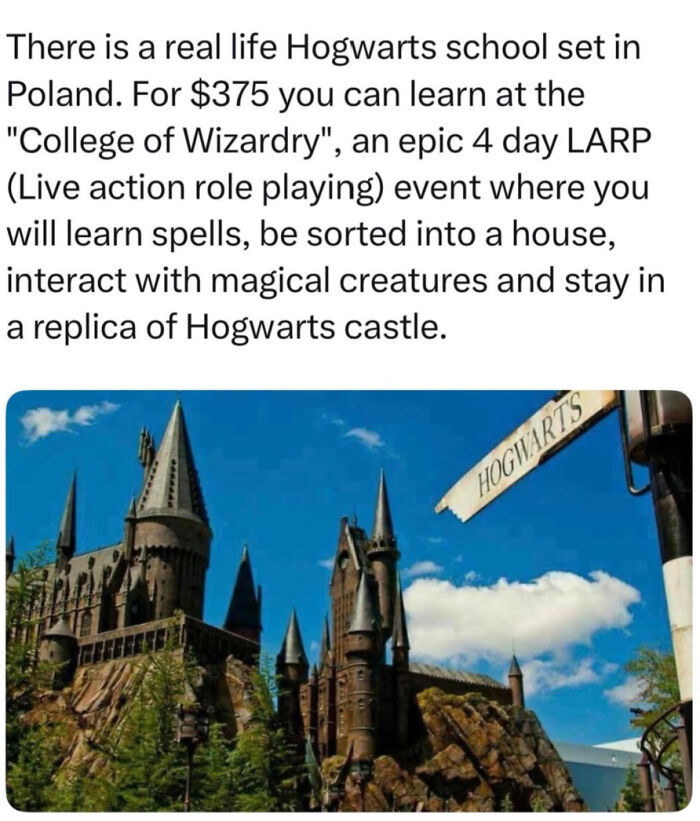
The College of Wizardry is a real four day immersive LARP experience that lets adults live out their own magical academy story inside a genuine 13th century Polish fortress called Czocha Castle.
Produced by the Witchards Society for participants aged 18 and older, the event supplies attendees with robes, custom textbooks, hands on magic classes, and formal sortings into five original, copyright safe houses: Durentius, Molin, Sendivogius, Libussa, and Faust. Because of its massive international popularity, tickets for recent runs, including the late 2026 “Ghosts of Czocha” event, have climbed significantly higher in price as demand continues to skyrocket.
From wandering hidden castle passageways to attending grand banquets and wand duels, this unforgettable roleplaying retreat proves that you never truly outgrow waiting for your acceptance letter.
© Photo: strangest
#18
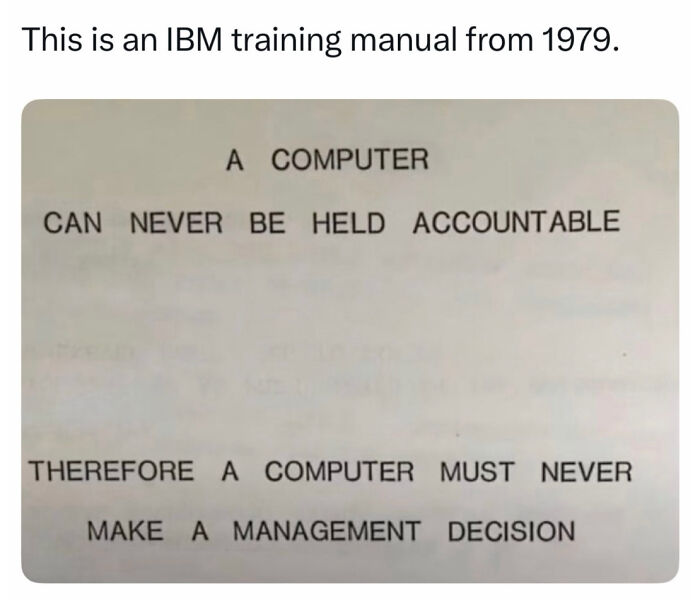
A widely shared page from a 1979 IBM training manual carries a blunt warning in plain capital letters: “A computer can never be held accountable, therefore a computer must never make a management decision.”
Created decades before modern artificial intelligence and automated software tools entered everyday corporate workflows, the slide established a strict boundary between technical data processing and human leadership responsibility. Today, technologists, executives, and ethicists frequently point back to this vintage corporate guideline during heated debates over algorithmic bias, automated hiring systems, and corporate governance.
As organizations increasingly rely on complex predictive models and autonomous tools, that 1979 principle serves as a sharp reminder that real human judgment must always carry final moral and legal ownership for major operational choices.
© Photo: strangest
#19
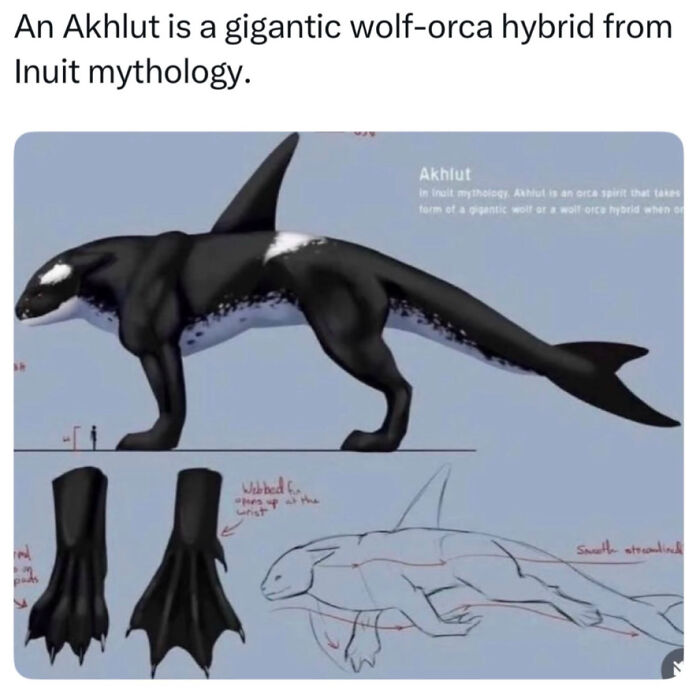
In traditional Inuit mythology, the Akhlut is a terrifying, gigantic shapeshifting spirit that blends the traits of a massive timber wolf and a killer whale.
According to Arctic folklore, this fierce creature prowls the frozen ocean depths as an orca before transforming into a colossal canine to hunt across snowy coastal terrain. Indigenous hunters historically warned travelers to watch out for massive wolf paw prints leading straight into the icy sea or disappearing abruptly near open water.
Born from deep cultural respect for the Arctic’s two top apex predators, the ancient legend helped explain mysterious tracks along shifting sea ice while cautioning coastal communities against venturing carelessly near treacherous winter shorelines.
© Photo: strangest
#20
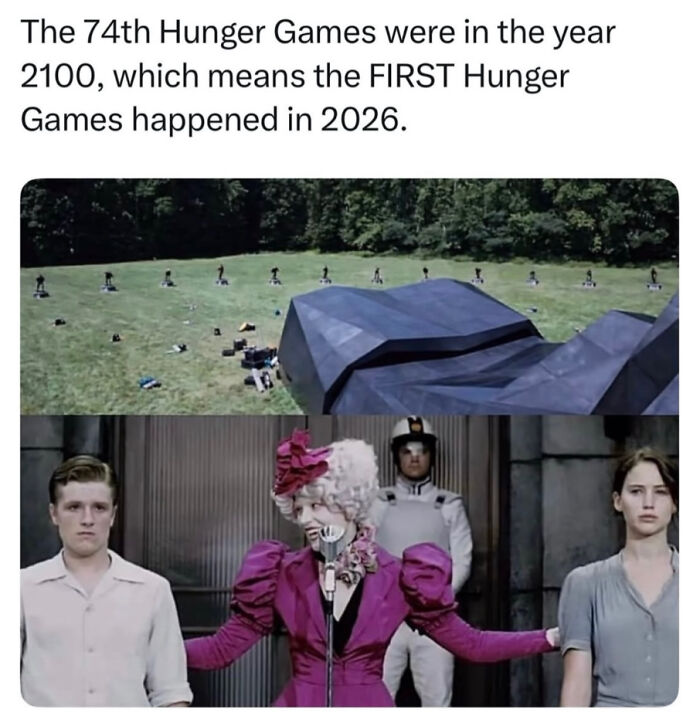
According to popular fan timeline theories surrounding Suzanne Collins’s bestselling dystopian series, the 74th Hunger Games took place in the year 2100, which places the very first inaugural competition right in 2026.
Subtracting 74 annual tournaments from Katniss Everdeen’s famous arena appearance means Panem’s brutal televised reaping would officially begin right now in the mid 2020s, immediately following the bloody Dark Days rebellion. Social media users have been resurging this unsettling chronological math online, joking nervously about global politics, reality television culture, and real world civil unrest catching up to young adult fiction.
Even though Collins never confirmed an exact calendar year in the books or films, the viral math has struck a chord with fans who remember when 2026 felt like a distant speculative future rather than an uncomfortable milestone on our current calendar.
© Photo: strangest
#21
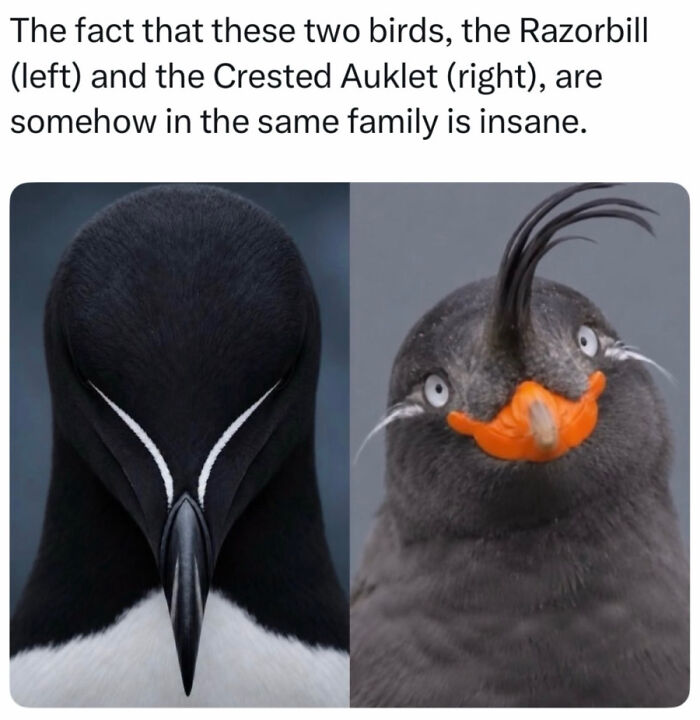
Despite their wildly contrasting appearances, the sleek Razorbill on the left and the quirky Crested Auklet on the right actually belong to the exact same seabird family, Alcidae.
While the Razorbill sports sharp black and white plumage, thin white facial lines, and a dark pointed bill, the Crested Auklet pairs wide pale eyes and a bright orange beak with a dramatic curling forehead plume. Side by side portraits of these two ocean dwelling relatives routinely amuse internet users, who playfully compare them to a serious, stoic older sibling standing next to an eccentric animated cartoon character.
Beneath those dramatic visual differences, both North Atlantic and North Pacific marine birds share dense waterproof feathers, powerful wing propelled diving skills, and deep evolutionary roots within the diverse auk family.
© Photo: strangest
#22
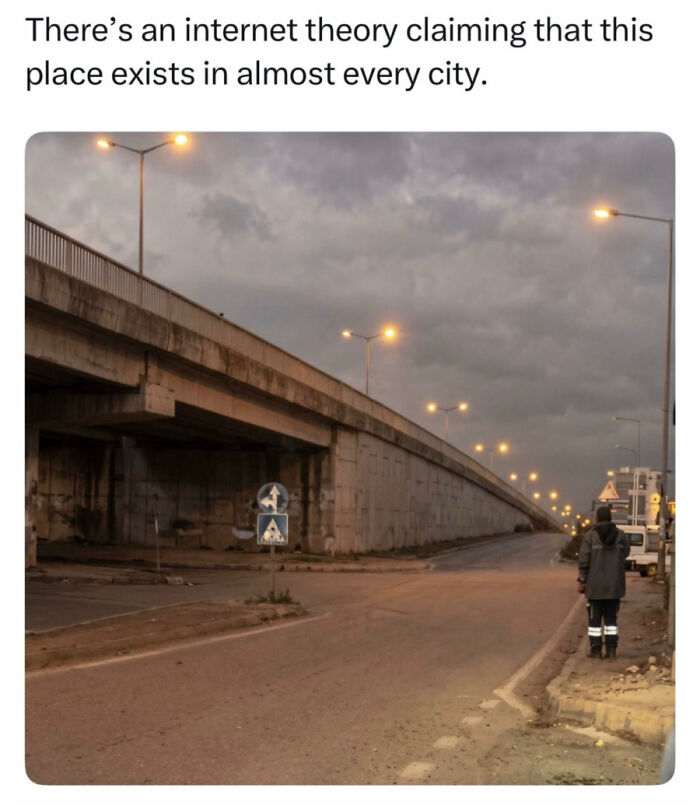
A popular internet theory claims that this gloomy concrete highway overpass, overcast sky, and solitary figure exist in almost every single city across the globe.
Social media users often joke that identical grey highway ramps, dim orange streetlights, and quiet streets appear whenever someone drives through an unfamiliar town at dusk. While this photograph depicts one specific urban location, online communities treat the scene as a shared visual template of modern city infrastructure.
Travelers and meme creators frequently spot eerily similar concrete retaining walls, road signs, and moody storm clouds in places thousands of miles apart, capturing how standardized modern engineering and familiar evening lighting can make distant cities feel strangely identical from a passing car window.
© Photo: strangest
#23
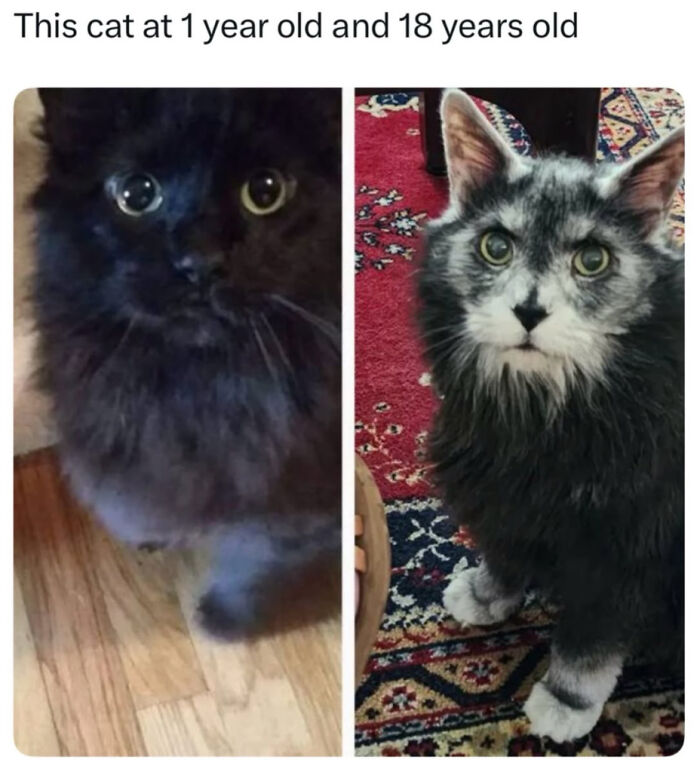
Meet Claws, the senior cat whose rare medical condition gave him an unforgettable, wizard like makeover.
Over time, Claws developed vitiligo, a rare condition that gradually stripped the natural pigment from his fur. What started as a solid coat slowly transformed into a striking, marbled pattern of snowy white and jet black by the time he reached 18 years old.
Despite his dramatic change in appearance, the condition was completely harmless and caused him zero pain. Claws went on to live a long, happy, and healthy life until age 19, looking every bit like a wise magical companion along the way.
© Photo: strangest
#24
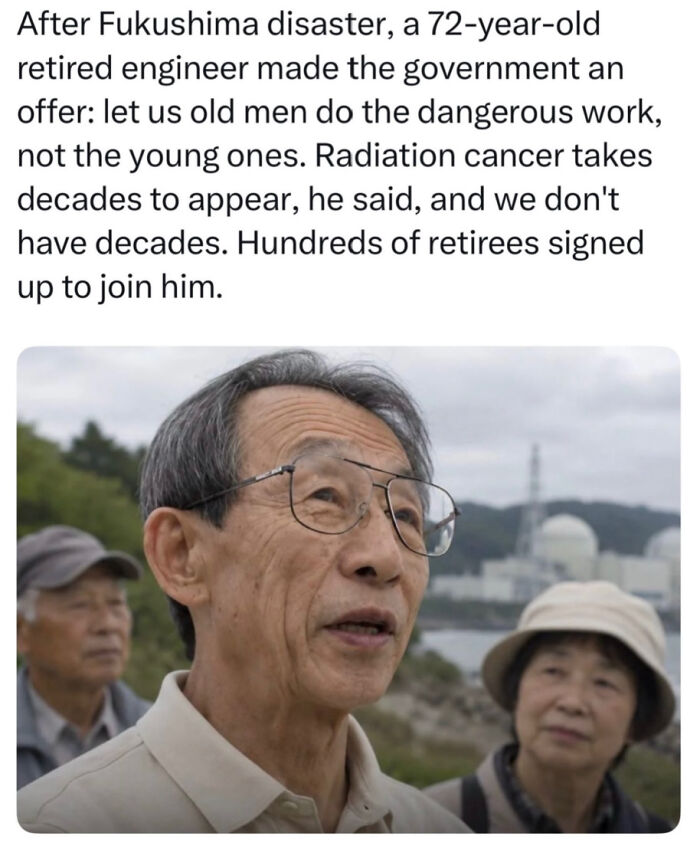
Following the catastrophic Fukushima nuclear power plant disaster in 2011, 72 year old retired structural engineer Yasuteru Yamada stepped forward with a remarkably selfless proposal for the Japanese government: let older seniors handle the dangerous radiation cleanup work instead of younger citizens.
Yamada publicly reasoned that radiation induced cancers typically take decades to develop, meaning senior citizens in their seventies and eighties simply do not have enough years left to worry about those long term health consequences. Deeply inspired by his courage, hundreds of other dedicated Japanese retirees quickly rallied behind him, volunteering to enter the hazardous stabilization zone themselves.
Their extraordinary bravery drew immense admiration from around the world, standing as a powerful testament to a generation willing to put their own lives on the line to shield their country’s youth from lethal radiation exposure.
© Photo: strangest
#25
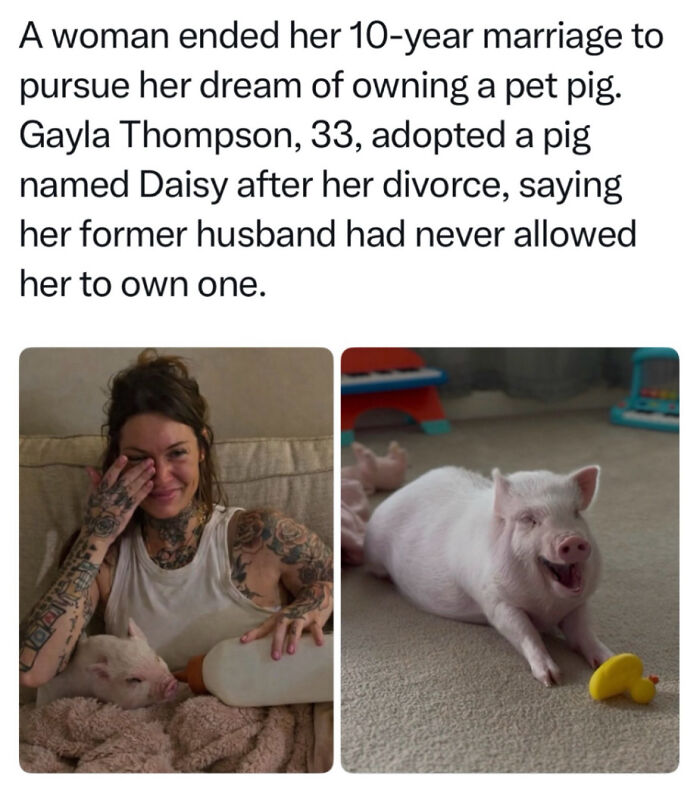
After 10 years of marriage, 33 year old Gayla Thompson officially filed for divorce so she could finally pursue a lifelong dream her husband had strictly forbidden: adopting a pet pig named Daisy.
While close friends and family were stunned to hear the unexpected catalyst behind her major life change, Thompson refused to keep putting her own happiness on hold after years of domestic compromise. Once the divorce was finalized, she welcomed Daisy home, sparking a heartwarming story that quickly went viral and drew widespread praise from animal lovers everywhere for choosing joy and personal fulfillment.
© Photo: strangest
#26
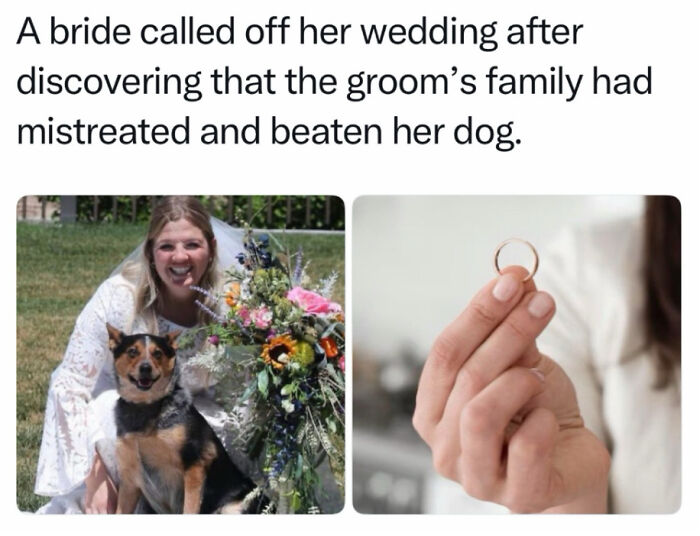
A bride immediately called off her upcoming wedding after discovering that her fiancé’s family had severely mistreated and beaten her beloved pet dog while visiting their home.
Without a moment of hesitation, she handed back her expensive engagement ring and canceled every single wedding plan, refusing to budge despite mounting pressure from extended relatives to reconsider.
Her fierce loyalty drew massive praise from guests and animal lovers alike, sparking widespread conversations online about standing firm against animal cruelty and protecting innocent pets above all else.
© Photo: strangest
#27
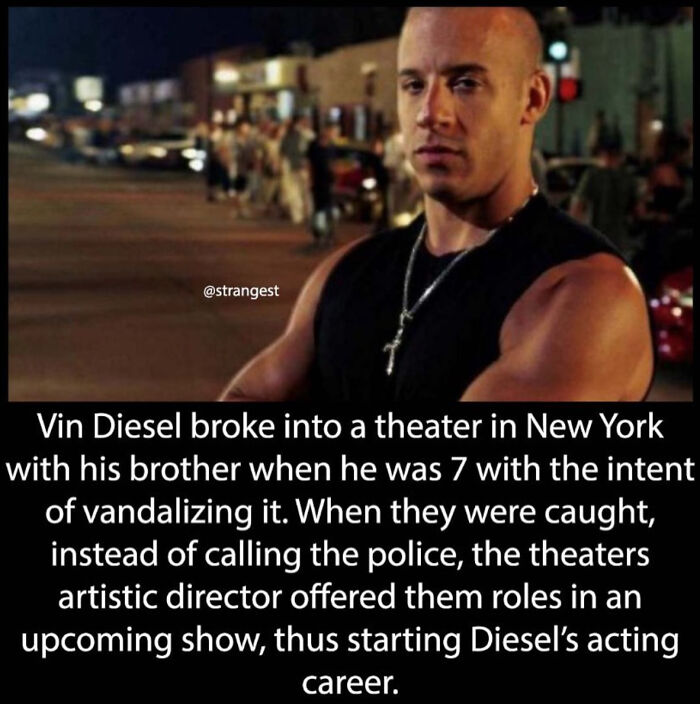
Thoughts?
© Photo: strangest
#28
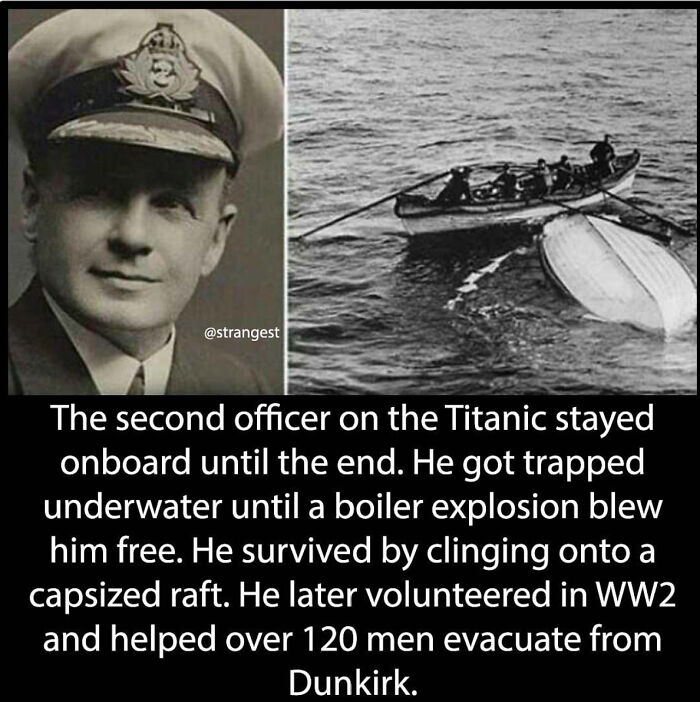
Hero.
© Photo: strangest
#29
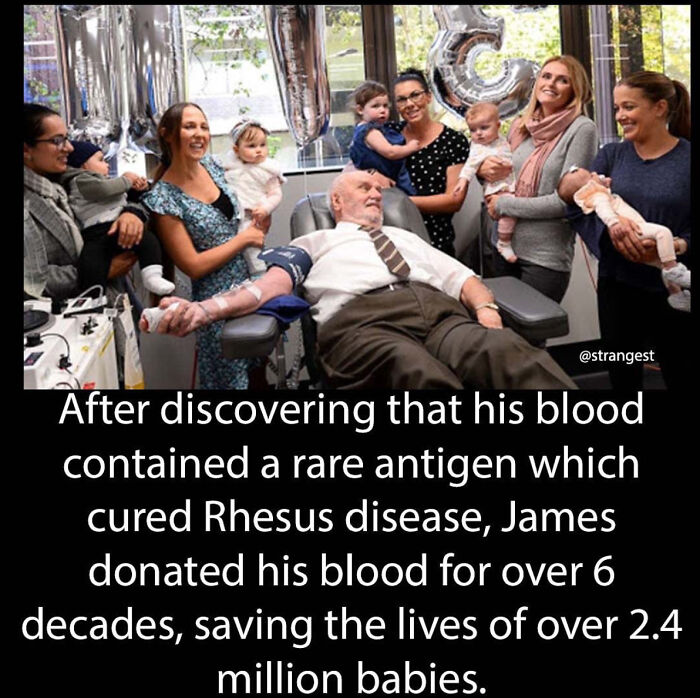
Wow
© Photo: strangest
#30
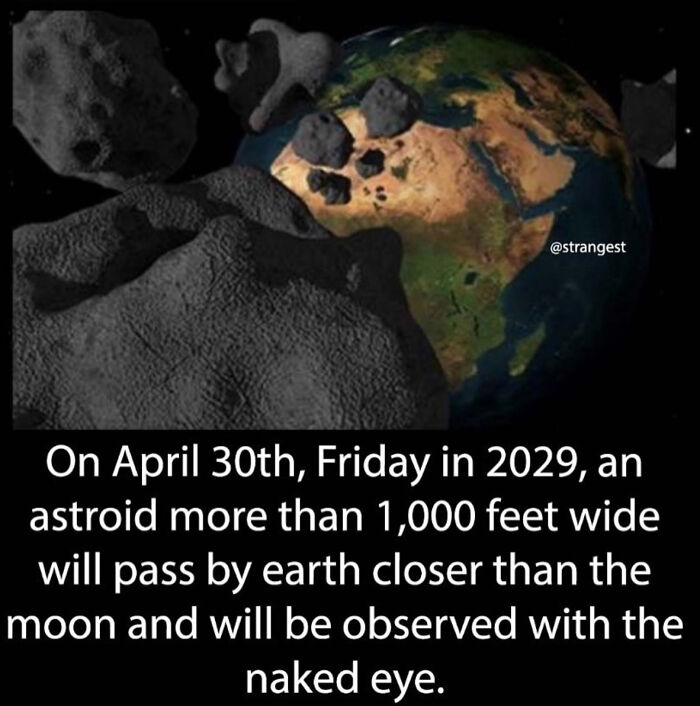
What do you think?
© Photo: strangest
#31
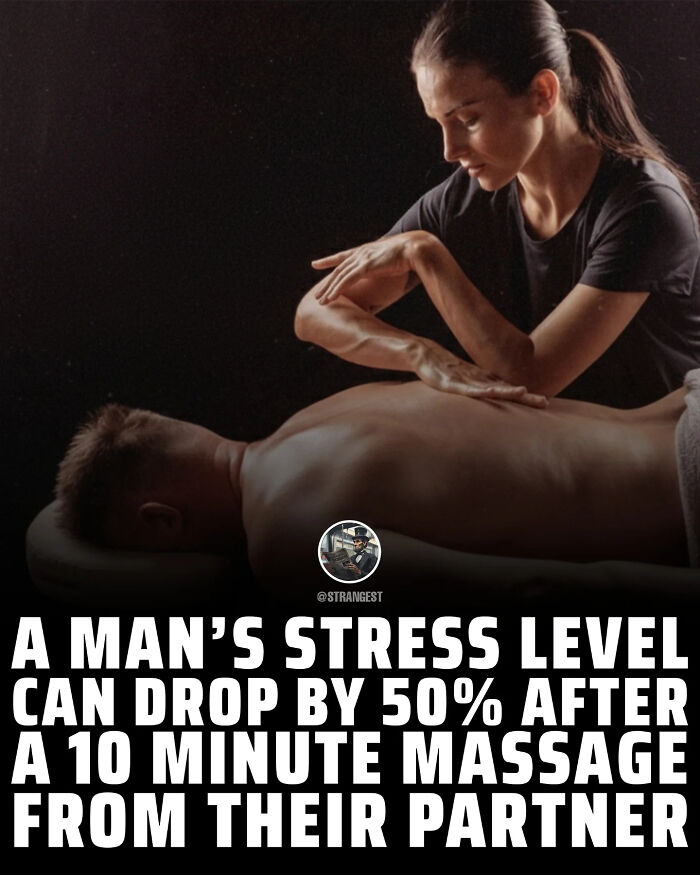
A recent study from the University of Konstanz found that just ten minutes of physical touch from a romantic partner can cut a man’s stress levels by more than 50%.
That brief connection activates calming responses in the nervous system and reduces cortisol, the body’s primary stress hormone.
Participants also reported feeling calmer, more focused, and emotionally steadier afterward.
Researchers say even short moments of closeness like this can deepen emotional bonds and support overall well-being in relationships.
© Photo: strangest
#32
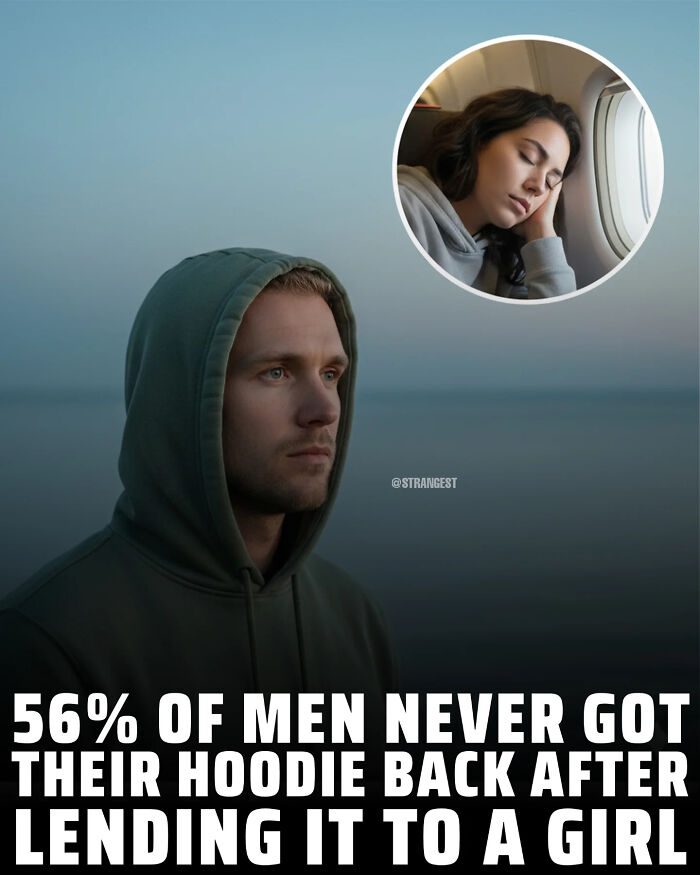
More than half of men who lend out a hoodie never get it back, and most know exactly why.
A survey found that 56 percent of men reported never seeing their hoodie again after lending it to a woman. It usually starts casually—a chilly evening, a borrowed layer, a promise to return it later. But hoodies have a way of staying behind. Research and behavioral surveys from the 2010s suggest women often keep borrowed hoodies because they associate them with comfort, scent, and emotional connection rather than practicality. Psychologists note that smell plays a strong role in attachment, and clothing is one of the best carriers of personal scent. What begins as convenience quietly turns into a keepsake.
For many men, the missing hoodie becomes more of a familiar joke than a loss worth recovering. Studies on sentimental attachment show that objects tied to relationships often gain emotional value far beyond their original purpose. A hoodie’s softness, size, and personal nature make it feel safer and more intimate than most borrowed items. In long-term relationships, some men even report accepting the loss as inevitable, seeing it as an unspoken tradeoff rather than theft. The hoodie becomes part of the shared history, even if it never returns to its original closet.
Sometimes the hoodie isn’t stolen. It is quietly adopted, elevated from clothing to memory.
Sources: YouGov, Psychology Today.
© Photo: strangest
#33
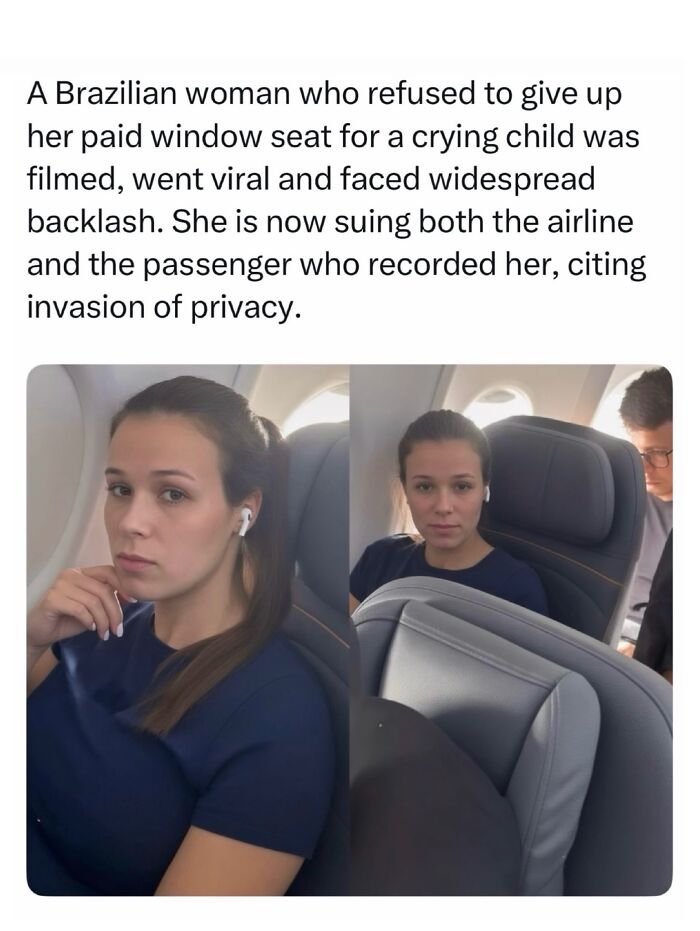
A 29-year-old Brazilian passenger named Jennifer Castro found herself at the center of a massive online storm after refusing to surrender the window seat she paid for to a crying child on a domestic flight.
Another passenger recorded the entire confrontation without her consent and posted it to social media, triggering a wave of relentless harassment and public shaming from strangers reacting to the brief clip.
Now, Castro is taking legal action against both the airline and the individual who filmed her. Her lawsuit claims invasion of privacy, unauthorized use of her image, and severe emotional distress, while alleging that the flight crew completely failed to intervene or protect her during the midair ordeal.
© Photo: strangest
#34
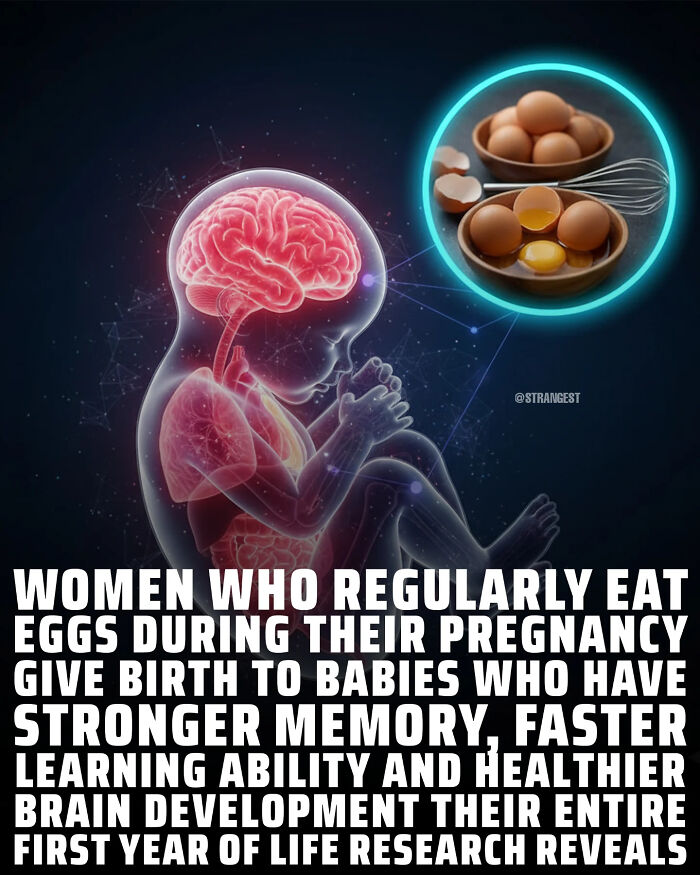
Research suggests that eating eggs during pregnancy may support healthier brain development in infants, with benefits for memory and learning throughout the first year of life. This effect is largely linked to eggs’ high choline content, a nutrient essential for brain structure and cognitive function.
Here’s how eggs may support fetal brain development:
**Choline and brain formation**
Eggs are one of the richest natural sources of choline, which helps build brain cell membranes and supports the production of acetylcholine—a neurotransmitter central to memory and learning.
**Epigenetic effects**
Adequate maternal choline intake has been shown to influence epigenetic processes in the developing fetus, meaning it can affect how certain genes related to cognition and brain development are expressed over time.
**Nutrient synergy**
Eggs provide a balanced combination of high-quality protein, essential fatty acids, and vitamins that work together more effectively than isolated nutrients, supporting overall fetal growth and neural development.
**Support for key brain regions**
Research indicates that prenatal egg yolk intake is associated with increased functional activity in brain areas such as the hippocampus and cerebellum, which are involved in memory, learning, and motor coordination.
**Early behavioral outcomes**
Some studies have linked maternal egg consumption during pregnancy with improved early-life cognitive and behavioral measures in infants, highlighting the role of maternal nutrition in neurodevelopment.
While eggs are not a guarantee of higher intelligence, the evidence suggests they can be a valuable part of a balanced prenatal diet that supports healthy brain development.
**Source:** PMID: 30332538.
© Photo: strangest
#35
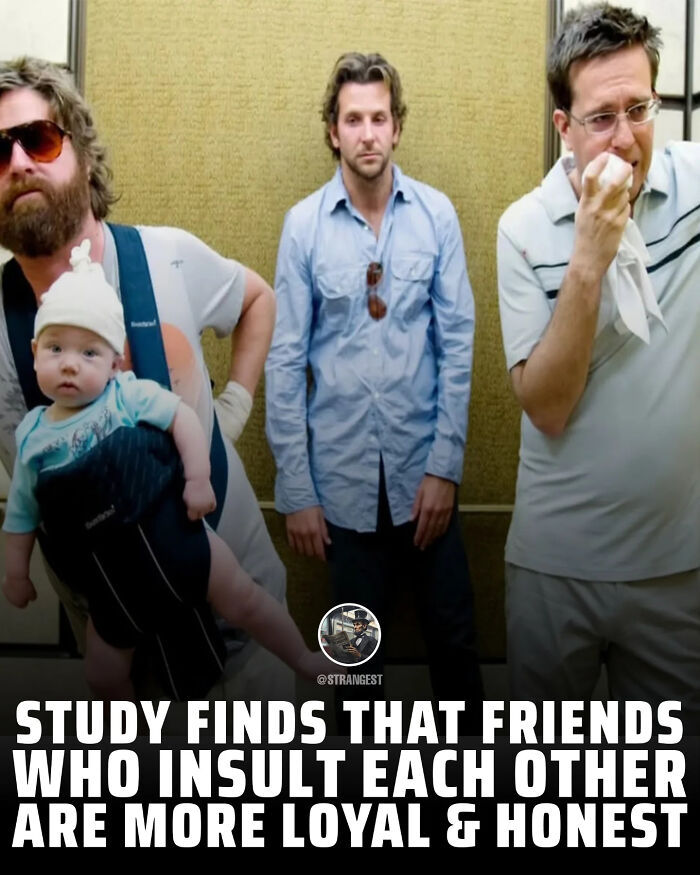
True friendship is not always about kind words and praise. It is about a bond where you can joke, tease, and roast each other while still standing firmly on each other’s side. Research suggests that friends who exchange playful insults often share deeper honesty and stronger loyalty. The teasing is not meant to harm. It is a way of staying real, calling out truths in a way only close friends can. This kind of dynamic builds trust, deepens the connection, and makes the friendship even stronger.
Still, there is a clear boundary between lighthearted banter and genuine disrespect. What matters is knowing the jokes come from care, not cruelty. When both people understand that, it creates a space where honesty feels safe and the friendship can thrive without fear.
© Photo: strangest
#36
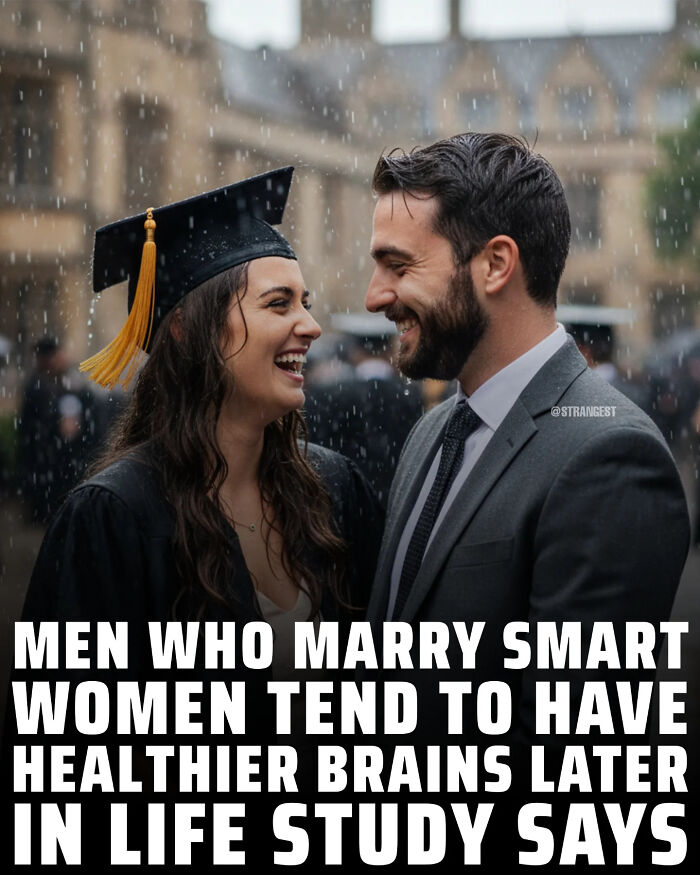
A long-term analysis from one of the largest studies on aging, the Health and Retirement Study, tracked thousands of married couples for decades. The research regularly assessed participants' memory, processing speed, and overall cognitive function as they grew older.
The key findings are as follows:
* Men with wives who completed more years of education scored higher on cognitive tests in their later years.
* These men also showed a slower rate of age-related cognitive decline.
* This connection held true even after adjusting for the man's own education, income, occupation, and health behaviors.
Specifically, each extra year of a spouse's education was linked to measurably stronger cognitive function around age 65 and a more gradual loss of memory and thinking ability over time.
Researchers suggest a possible explanation: sharing a life with a highly educated partner likely provides greater daily intellectual engagement. This can include more substantive conversations, collaborative problem-solving, exposure to new information, healthier lifestyle habits, and more strategic long-term planning. This sustained mental stimulation over many years may help preserve brain sharpness.
What is your perspective on this research?
Source:
Spousal Education and Cognitive Functioning in Later Life
Published in The Journals of Gerontology: Psychological Sciences
Based on data from the Health and Retirement Study.
© Photo: strangest
#37
That's amazing.
© Photo: strangest
#38
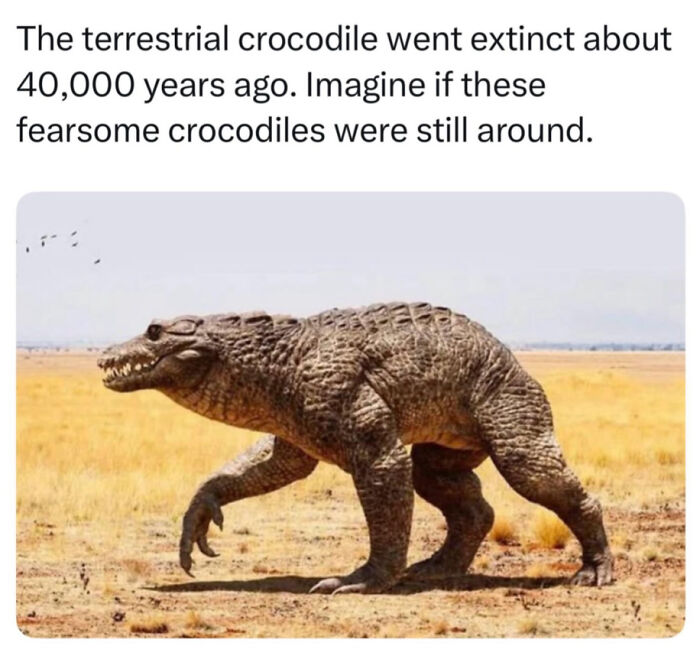
If massive land predators like Quinkana, the terrifying 20 foot prehistoric crocodile of ancient Australia, were still hunting today, our relationship with the outdoors would look completely different.
Unlike modern crocodiles that rely on stealthy water ambushes, these colossal beasts evolved long, muscular legs built for sustained, galloping sprints across dry ground. Instead of rounded, bone crushing teeth, they possessed serrated, blade like teeth specifically designed to slice straight through flesh like a dinosaur.
If they still roamed modern plains, everyday activities like camping, hiking, and suburban ranching would require heavy duty armor or high walled containment, turning simple nature walks into a high stakes game of survival.
© Photo: strangest
#39
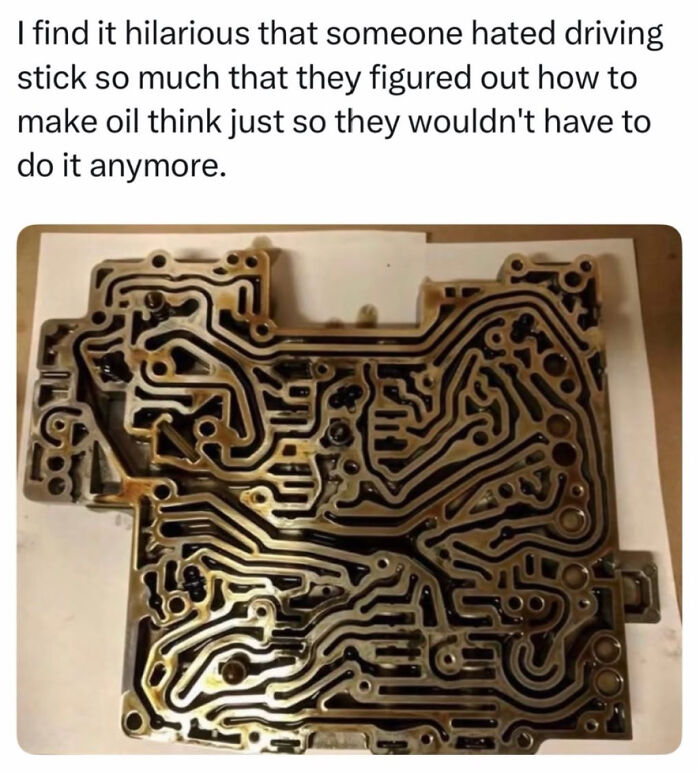
Invented in the 1930s by engineers led by Earl Thompson at General Motors, the Hydra-Matic gearbox forever changed driving by replacing tedious foot clutch pedals with complex fluid couplings, planetary gearsets, and valve bodies.
Acting like early mechanical brains, these transmissions routed pressurized fluid through intricate labyrinthine channels to sense vehicle speed and engine load, automatically shifting into higher or lower gear ratios without any manual input from the driver.
What started out of pure frustration with stalling on steep hills evolved into brilliant fluid-logic engineering, turning everyday commuting into an effortless ride for millions of motorists across modern highways.
© Photo: strangest
#40
When DreamWorks Animation released Kung Fu Panda in 2008, the animated comedy became an enormous box office sensation across China, sparking intense soul searching among local filmmakers and cultural commentators.
Audiences marveled at how faithfully the Hollywood studio blended traditional ink wash aesthetics, ancient martial arts philosophy, and playful slapstick humor into an internationally beloved family story. The movie’s runaway commercial success soon triggered a widespread national debate in newspapers and government forums over why Western creators crafted a sharper tribute to Chinese heritage than domestic studios.
Ultimately, that cultural wake up call inspired major investments in China’s domestic animation industry, pushing local artists to revitalize classic folklore for modern global cinema audiences.

© Photo: strangest
#41
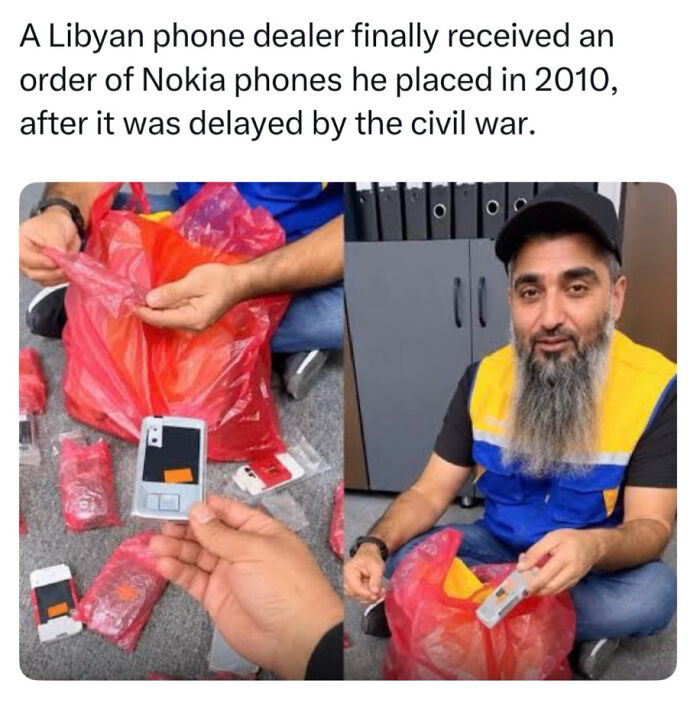
A Libyan mobile phone dealer finally received a long lost wholesale shipment of classic Nokia handsets that he had originally ordered all the way back in 2010.
The delivery had been stalled for 16 years after the outbreak of the 2011 Libyan civil war severely disrupted supply chains, closed ports, and left the cargo stranded in storage. When the sealed cardboard boxes eventually arrived in Tripoli, the shocked vendor opened the packages to find untouched, brand new button phones from a completely bygone technological era.
Videos of the surreal unboxing quickly went viral across social media, turning the long delayed shipment into a vivid snapshot of how prolonged conflict can freeze ordinary commerce in time while modern smartphones reshaped the rest of the world.
© Photo: strangest
#42
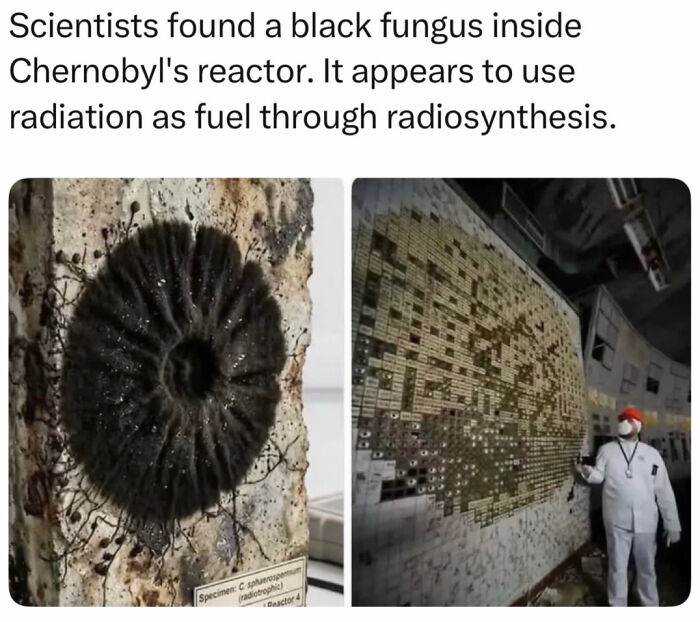
Scientists investigating the ruined Chernobyl nuclear reactor discovered a resilient black fungus species thriving directly on concrete walls saturated with intense ionizing radiation.
Packed with dark melanin pigments similar to those found in human skin, the microscopic organism appears to absorb harmful gamma rays and convert that energy into chemical fuel through a process known as radiosynthesis. Rather than retreating from the toxic radioactive environment left behind by the 1986 nuclear disaster, the fungi actually grew toward radiation sources during controlled laboratory tests.
Researchers are now studying this extreme biological adaptation to develop protective radiation shields for astronauts on long deep space missions, bio inspired cleanup tools for contaminated sites, and resilient materials capable of withstanding harsh cosmic conditions across future off world human habitats.
© Photo: strangest
#43
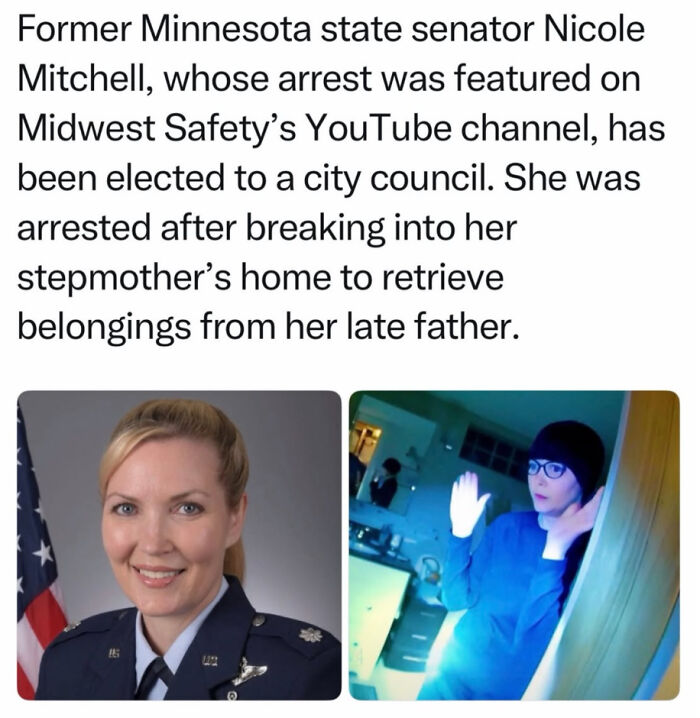
Former Minnesota State Senator Nicole Mitchell has pulled off a shocking political comeback by winning a seat on the Woodbury City Council in the November 2026 election, barely a year after a high profile felony burglary conviction abruptly ended her legislative career.
Her dramatic fall from grace began in April 2024 when police arrested her inside her stepmother's home in Detroit Lakes. During heavily publicized legal proceedings, prosecutors revealed that Mitchell had broken into the house in the middle of the night carrying a prybar and a backpack in an effort to retrieve items connected to her late father's estate, though she testified she was checking on her stepmother who suffers from Alzheimer's disease. Body camera footage of her startling arrest and courtroom testimony quickly went viral, garnering millions of views across major true crime channels and Midwest Safety on YouTube.
Following her conviction on two felony charges in July 2025, Mitchell resigned from the state Senate and served a 180 day work release jail sentence. Yet despite the intense legal fallout and widespread notoriety, Woodbury voters decided to give her a second chance, electing her to one of two open council seats in a crowded 10 candidate field and edging out an incumbent by just 101 votes.
© Photo: strangest
#44
When a shady business owner abruptly stopped paying earned wages to his hardworking truck drivers, immediate anger and outrage erupted among the staff.
Refusing to accept such blatant financial mistreatment, one fed up driver devised an unforgettable and extreme act of direct workplace retaliation. He drove his massive semi truck directly onto his boss’s private property and parked it squarely right on top of the owner’s luxury Ferrari sports car. After completely crushing the expensive exotic vehicle beneath the front wheels, the driver simply stepped out and walked away, leaving the heavy rig resting right where it was.
Viral videos capturing the shocking aftermath quickly spread across social media platforms, sparking massive online reactions from spectators cheering for worker justice.

© Photo: strangest
#45
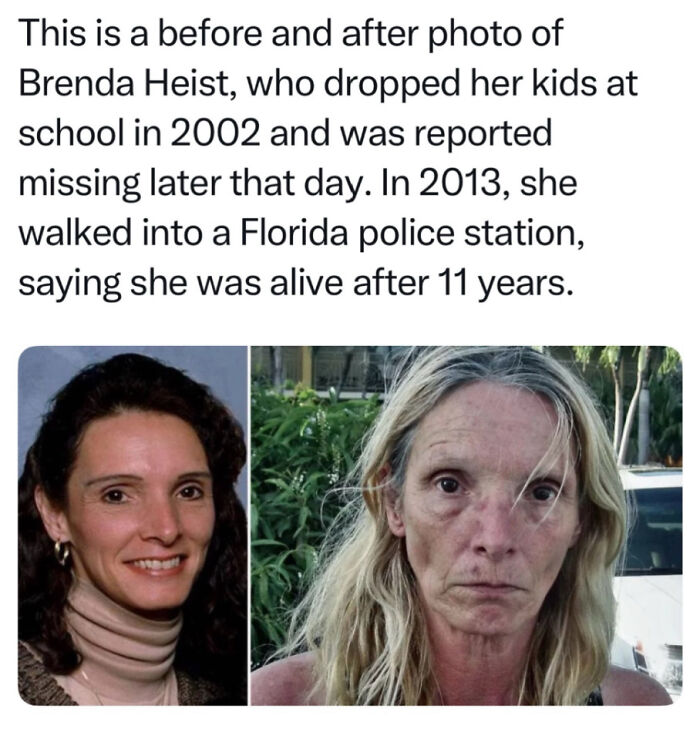
Back in 2002, Brenda Heist dropped her two young children off at school and mysteriously vanished later that same day, sparking an extensive multi state missing person investigation that left her family without answers for over a decade.
Eleven years later in 2013, she unexpectedly walked into a local Florida police station to announce that she was alive and well. Startling before and after photographs quickly surfaced, visually documenting her drastic physical transformation after spending more than a decade living completely homeless on the streets.
Her sudden reappearance left local authorities and shocked family members grappling with a complex emotional aftermath, shedding light on the profound psychological and physical toll of voluntary estrangement and long term homelessness.
© Photo: strangest
#46
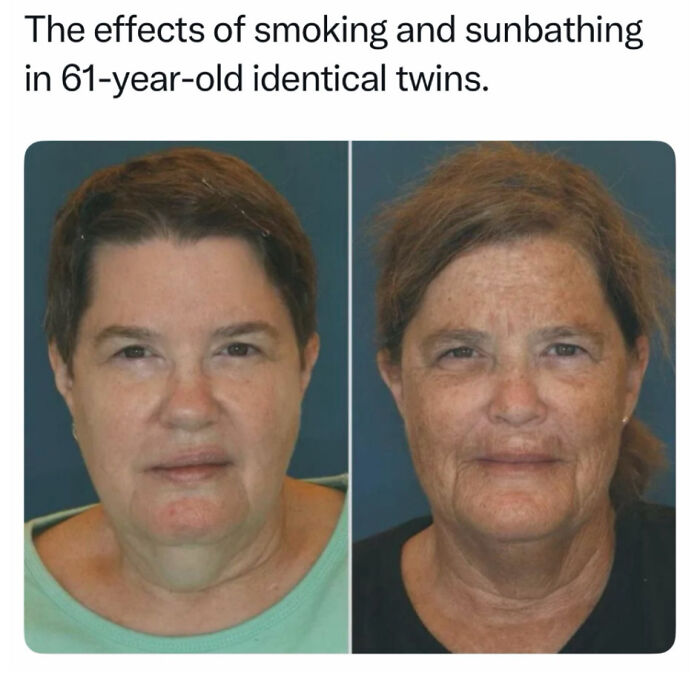
In a fascinating clinical study led by plastic surgeon Dr. Bahman Guyuron and published in the Plastic and Reconstructive Surgery journal, researchers examined 61 year old identical twins to uncover just how dramatically daily lifestyle habits impact the way we age.
Because identical twins share the exact same DNA, any major differences in their appearance come down to environmental factors rather than genetics. The side by side comparisons revealed striking results: twins who smoked cigarettes or spent prolonged hours tanning in the sun showed significantly deeper wrinkles, sagging skin, and pronounced age spots compared to their non smoking, sun protected siblings.
These compelling medical findings offer undeniable visual proof that everyday choices play a massive role in premature physical aging, showing just how powerfully protecting your skin and avoiding smoking can preserve a youthful appearance over time.
© Photo: strangest
#47
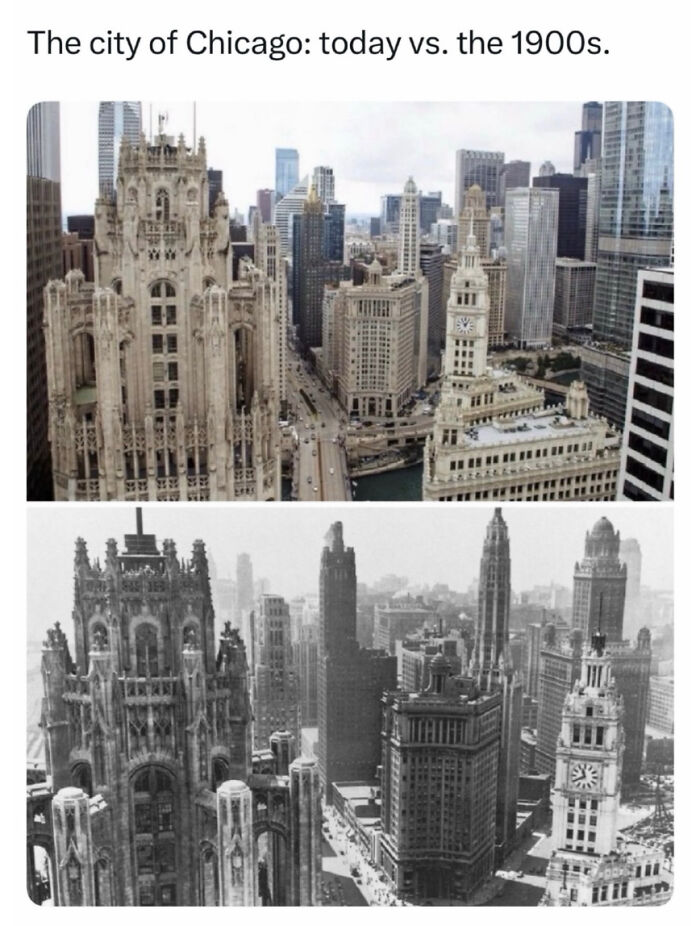
This striking side by side comparison contrasts modern day Chicago in the top frame with its early 1900s counterpart below, spotlighting the dramatic evolution surrounding historic architectural anchors like Tribune Tower and the Wrigley Building.
While classic stone and Gothic Revival designs originally defined the early 20th century skyline, subsequent decades transformed the landscape with towering glass and steel skyscrapers, expanded riverfront infrastructure, and modernized transit corridors.
Looking across Michigan Avenue through the decades offers a fascinating window into how one of America’s greatest cities built out its famous vertical skyline while carefully preserving the landmark engineering feats of its past.
© Photo: strangest
#48
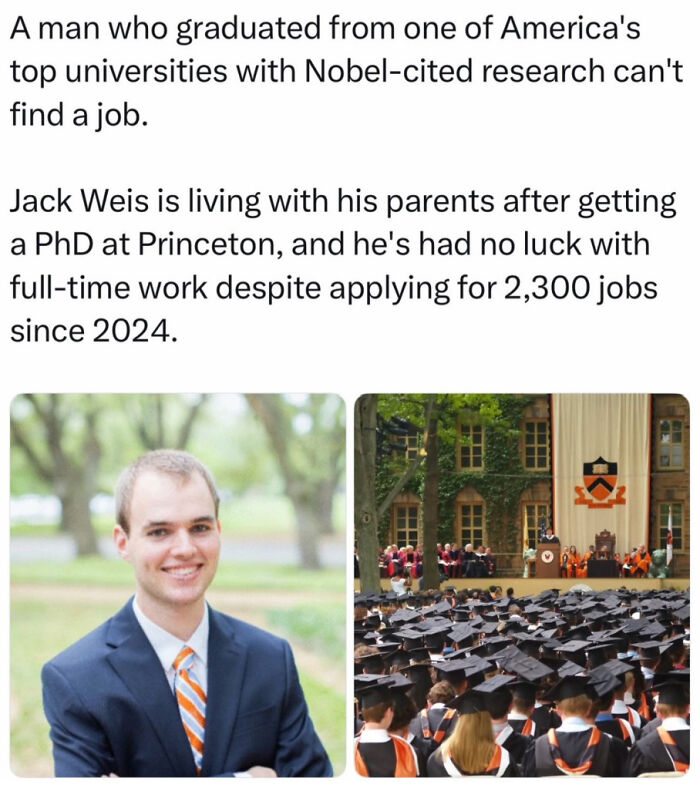
Despite holding a chemical engineering PhD from Princeton University and having his research cited by the Nobel Committee, 30-year-old Jack Weis has applied to more than 2,300 jobs since graduating in 2024 without landing stable employment.
After graduating summa cum laude from Rice University and earning his doctorate, Weis cast a wide net by applying for everything from high-level research and software engineering positions down to basic food prep roles, only to be met with endless rejections or radio silence. He briefly secured a $70 an hour contract training AI systems before the work dried up in March 2026, leaving him living back at home with his parents while weighing law school or launching his own business.
His struggle has struck a nerve online, spotlighting a harsh reality in today’s job market: when hiring freezes hit and automated screening filters stand between applicants and real human recruiters, even an Ivy League pedigree and world-class credentials cannot guarantee a foot in the door.
© Photo: strangest
#49
Armed with just seven months of jiu-jitsu training, 14-year-old Ana Clara pinned down a grown intruder for 15 minutes after he broke onto her family’s property in Brazil. Using grappling techniques she learned in martial arts classes, the teenager maintained complete control over the suspect until authorities could arrive.
Local Military Police officers rushed to the scene and arrested the trespasser without further incident. Her incredible display of bravery and composure astonished both her community and her jiu-jitsu instructors, serving as a powerful reminder of how practical self-defense training can be in real-life emergencies.

© Photo: strangest
#50
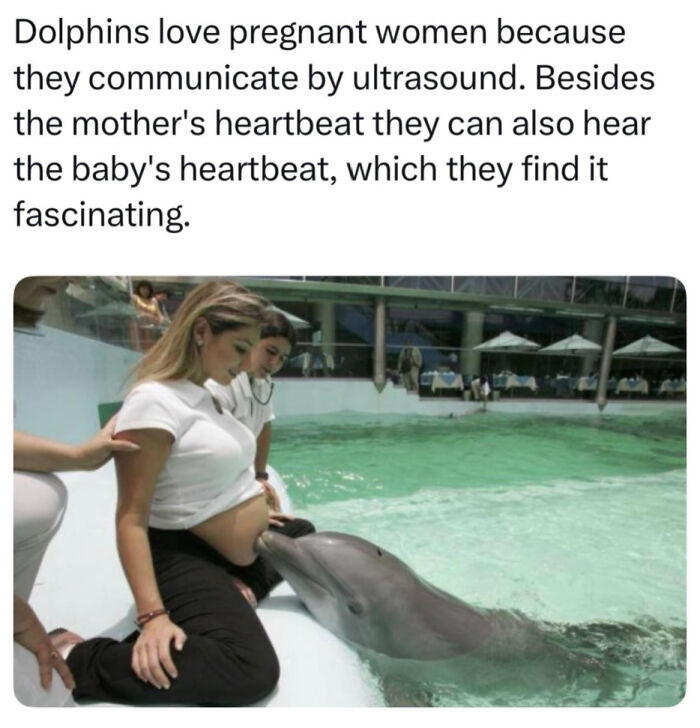
Dolphins possess an echolocation system so sophisticated that it works almost identically to a medical ultrasound machine, enabling them to detect a human fetus underwater.
Because sound waves travel effortlessly through water and tissue, a dolphin can instantly pick up on the acoustic signature of a pregnancy. Expectant mothers frequently report wild dolphins swimming straight toward them, focusing their attention, and “buzzing” sonar clicks directly against their bellies.
While it feels like a magical, maternal bond to humans, marine biologists explain it comes down to pure acoustic curiosity: the dolphin is simply fascinated by the unusual double heartbeat and unfamiliar echo pattern echoing inside the swimmer.
© Photo: strangest
#51
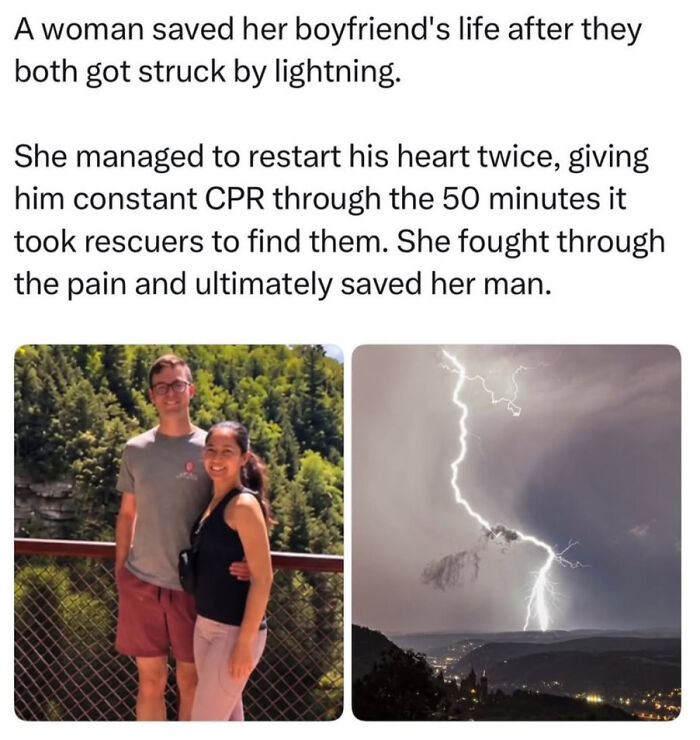
Eva Broderick saved her boyfriend’s life in a miraculous rescue after both were struck by lightning while hiking deep inside Wisconsin’s Kettle Moraine State Forest.
In August 2025, the couple was stranded more than two miles from their vehicle when lightning hit a nearby tree, sending a massive electrical surge through the ground that blasted both of them off their feet. Despite suffering painful injuries herself, Eva sprang into survival mode the moment she saw Nick unconscious, unresponsive, and turning blue. She dialed 911 and immediately began performing CPR on the trail, keeping him alive until first responders could reach them in the dense woods.
© Photo: strangest
#52
A 2025 social media post joking that “at least one guy in your friend group is gay” gained attention after being connected to demographic data. About 4.5 percent of U.S. adults identify as LGBT, with roughly 2 percent of men identifying as gay or bisexual.
Research suggests that even small groups of male friends are statistically likely to include at least one openly gay or bisexual person. Pew data shows that 41 percent of Americans have a close friend or family member who is gay or lesbian, and most gay men report being open about their orientation with close friends—making the joke not only funny but also statistically plausible.
© Photo: strangest
#53
A recent study suggests that spending money on your sister might do more than just make her smile—it could actually increase your own happiness and overall sense of joy. Researchers have long found that spending money on others, especially close family members, activates reward centers in the brain and strengthens emotional bonds. When that generosity is directed toward someone you grew up with—someone tied to shared memories and lifelong connection—the emotional payoff can feel even stronger. It’s less about the price tag and more about reinforcing closeness in a way that feels personal and meaningful.
Turns out, generosity at home hits different.

© Photo: strangest
#54
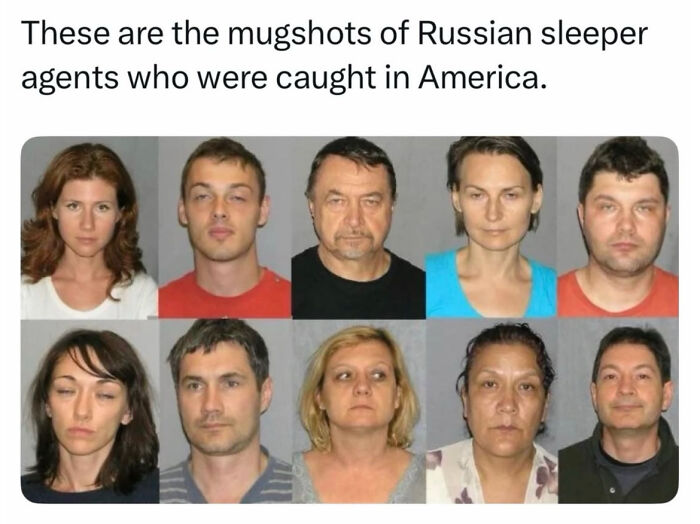
These mugshots show 10 Russian sleeper agents arrested by federal authorities in June 2010 following Operation Ghost Stories, an extensive decade long FBI counterintelligence investigation.
Disguised as ordinary American citizens, these deep cover operatives, including high profile agent Anna Chapman, raised families, blended into suburban neighborhoods, and worked regular civilian jobs while secretly trying to infiltrate U.S. policy circles for Russia’s Foreign Intelligence Service.
After their coordinated capture, all 10 spies pleaded guilty to conspiring as unregistered foreign agents and were later traded in Vienna during a dramatic Cold War style prisoner swap for four political prisoners held by Russia.
© Photo: strangest
#55
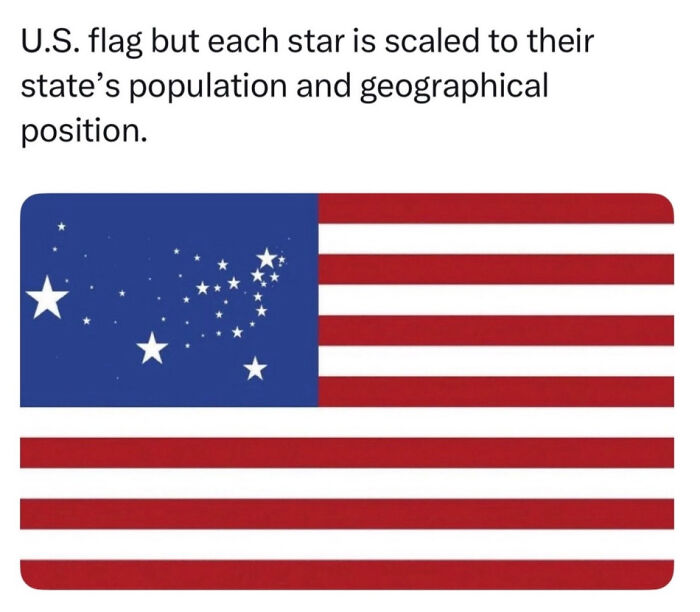
This clever redesign of the American flag swaps out the traditional neat grid of stars for a living population map of the United States.
Every star still represents one of the 50 states, but instead of appearing in identical rows, each one is positioned according to its actual geographic location and scaled proportionally to its population. That creates giant stars on the left and bottom left for powerhouse states like California and Texas, alongside a tightly packed cluster of varying stars across the upper right representing the densely populated Northeast and East Coast.
By blending demographic data directly into an iconic national symbol, the design offers a striking new perspective on the country, highlighting where Americans actually live rather than treating every state as an identical geometric shape.
© Photo: strangest