
Some people really think they're all that... But do they have blue blood, three hearts and nine brains? Can they edit their own RNA and change color or skin texture in a fraction of a second? We think not. However, do you know who can? An octopus. They have a central brain plus a mini-brain in each of their eight arms, and unlike humans, roughly two-thirds of their neurons are located in their arms rather than their head. Why are we telling you this? Because it's just a tiny taste of what's to come...
Bored Panda recently stumbled upon an Instagram account called MRU.INK. It's filled with fascinating and unusual facts like the ones above. The page is dedicated to seeking out the truth, and it digs deep to do so. From history to archaeology and everything in between, there's no shortage of knowledge around here.
We've put together an awesome list of the account's best posts, made up of pictures and the stories behind them. Expect to encounter a 75-pound giant pearl, the oldest printed book on earth, and a sword thrust into solid rock.
#1
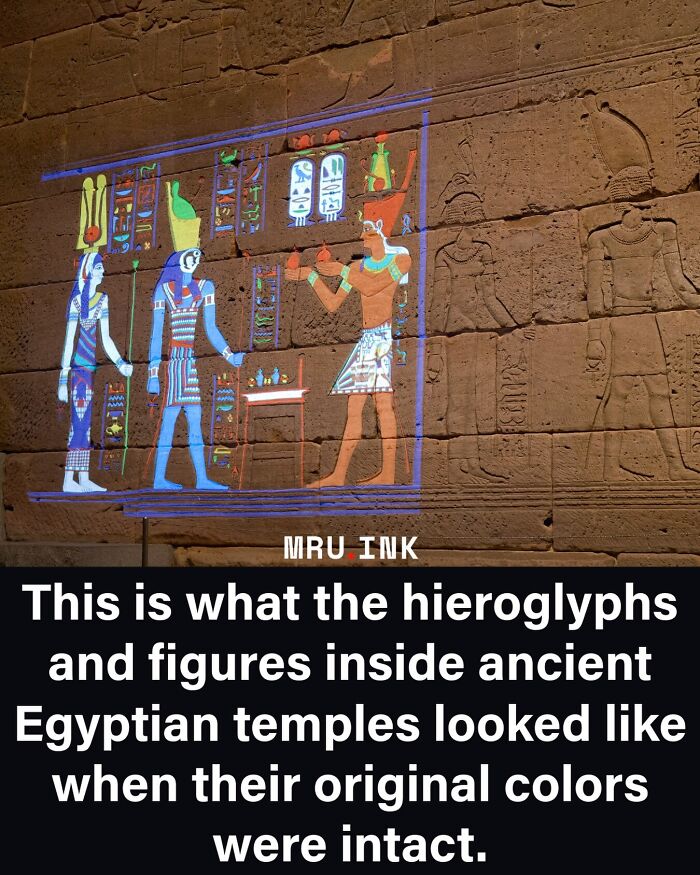
Originally, ancient Egyptian temple reliefs—like those on the Temple of Dendur (c. 15 BCE)—were painted in vibrant polychrome hues that faded over centuries of erosion. To demonstrate their true appearance, the Metropolitan Museum of Art launched “Color the Temple,” using light projections to overlay restored historical pigments—showing Roman Emperor Augustus presenting offerings to Isis and Horus. This technique reveals how brilliantly colorful these sacred stone carvings truly were.
© Photo: mru.ink
Imagine having more than $100 million under your bed and not having the foggiest clue... Many people might want to kick themselves, especially if the loot remained there for ten whole years, and then you just gave it away, none the wiser.
That's exactly what happened to one many from a man from Palawan Island in the Philippines. It was an ordinary day of fishing for him when his boat’s anchor caught on something so heavy that he had to swim down to dislodge it.
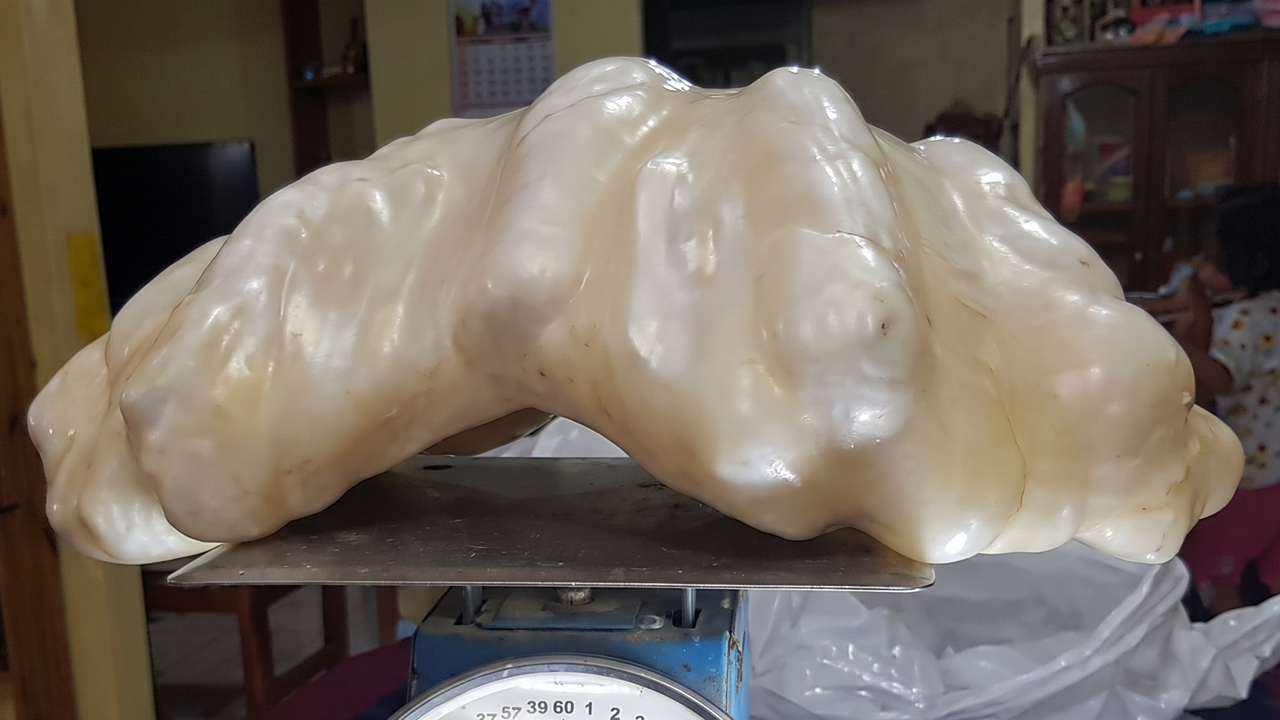
Possibly expecting to see a rock, the fisherman instead encountered a giant clam. Inside it: an enormous pearl measuring 1ft wide and 2.2ft long, and weighing in at a hefty 75lb.
#2
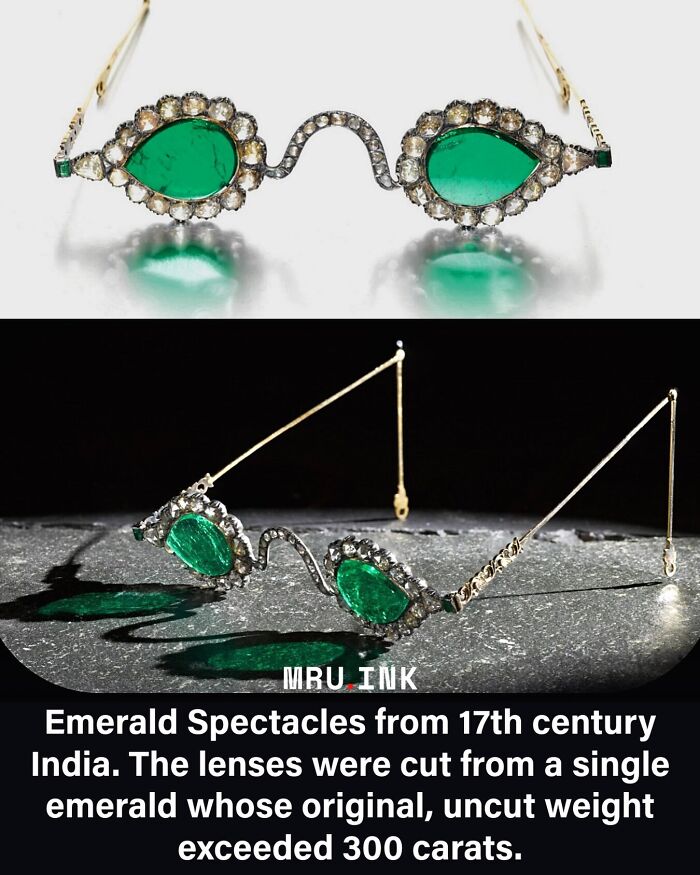
Crafted during India’s Mughal Empire between 1620 and 1660 CE, likely under Emperor Shah Jahan, the Astaneh-e Ferdaws (“Gate of Paradise”) spectacles are a masterpiece of ancient gem-cutting. Their drop-shaped green lenses were painstakingly sliced from a single Colombian emerald weighing over 300 carats and framed with brilliant diamonds.
Beyond luxury, green held deep spiritual meaning in Mughal culture, representing salvation, healing, and protection against evil. Shah Jahan was even said to use emeralds to soothe his grieving eyes after his wife’s passing. These magnificent spectacles were auctioned at Sotheby’s in October 2021 alongside their diamond-lensed twin, the Halqeh-e Nur.
© Photo: mru.ink
#3
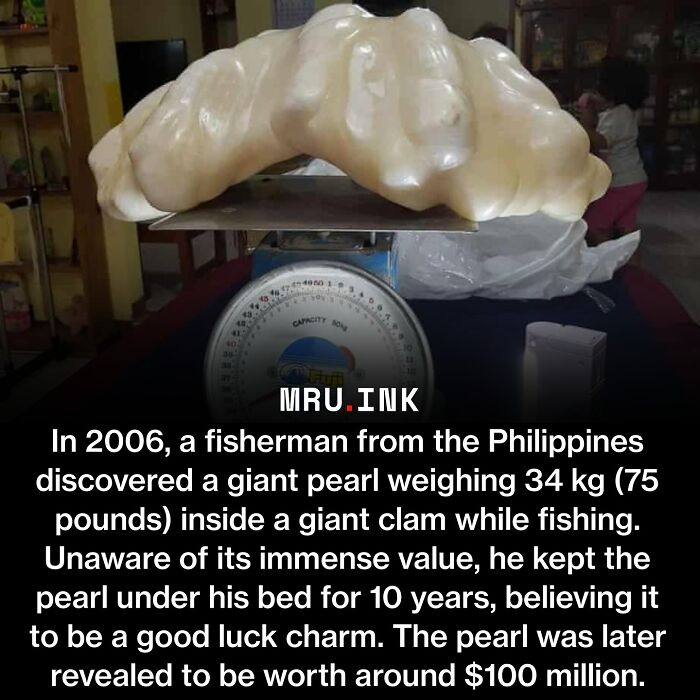
In 2006, a fisherman from the Philippines discovered a giant pearl weighing 34 kg (75 pounds) inside a giant clam while fishing. Unaware of its immense value, he kept the pearl under his bed for 10 years, believing it to be a good luck charm. The pearl was later revealed to be worth around $100 million.
© Photo: mru.ink
The man had no idea that what he was holding could potentially change his life forever, but he took it home anyway. And placed it under his bed as a good luck charm.
“He said every time he goes out for fishing he will touch the pearl,” a relative told the Guardian back in 2016.
When it was time to move, the fisherman gave the pearl to his aunt since it was too heavy to lug around. Aileen Cynthia Maggay-Amurao happened to work in local government as a tourism officer, and asked her nephew if she could give the pearl to the mayor to be used as a new tourist attraction for the city.
#4
The Vasa sank largely due to top-heavy design modifications demanded by King Gustav II Adolf, who insisted on adding a second enclosed gun deck mid-construction. When raised in 1961, archaeologists discovered fully preserved provisions, complete uniforms, and thousands of ornate wooden sculptures meant to glorify Sweden’s military power. Crucially, researchers used its remarkably preserved hull data to reverse-engineer 17th-century naval architecture secrets that had been lost for centuries.

© Photo: mru.ink
#5
For decades, scientists believed the coelacanth had disappeared from Earth around 66 million years ago, at the end of the Cretaceous Period. Then, on December 22, 1938, an extraordinary discovery changed our understanding of life’s history.
South African museum curator Marjorie Courtenay-Latimer was contacted about a strange blue fish caught by a local fishing vessel near the Chalumna River. When she examined it, she noticed its unusual fleshy, lobed fins, thick scales, and distinctive anatomy. The fish was later identified as a coelacanth, a group known previously only from fossils.
Its lobed fins were particularly remarkable. Unlike the thin, ray-supported fins of most modern fish, coelacanth fins contain internal bones and muscles arranged in a pattern that resembles the early structure of vertebrate limbs. This made the animal especially important for understanding how ancient fish were related to the evolutionary transition toward four-limbed vertebrates.
The discovery was scientifically astonishing: a lineage thought to have vanished millions of years ago was still alive in the deep ocean.
Today, coelacanths are not considered literally “unchanged living fossils.” They have continued evolving over millions of years. Yet their survival provides scientists with a rare glimpse into an ancient branch of vertebrate evolution—and a remarkable reminder that extinction in the fossil record does not always mean extinction in reality.
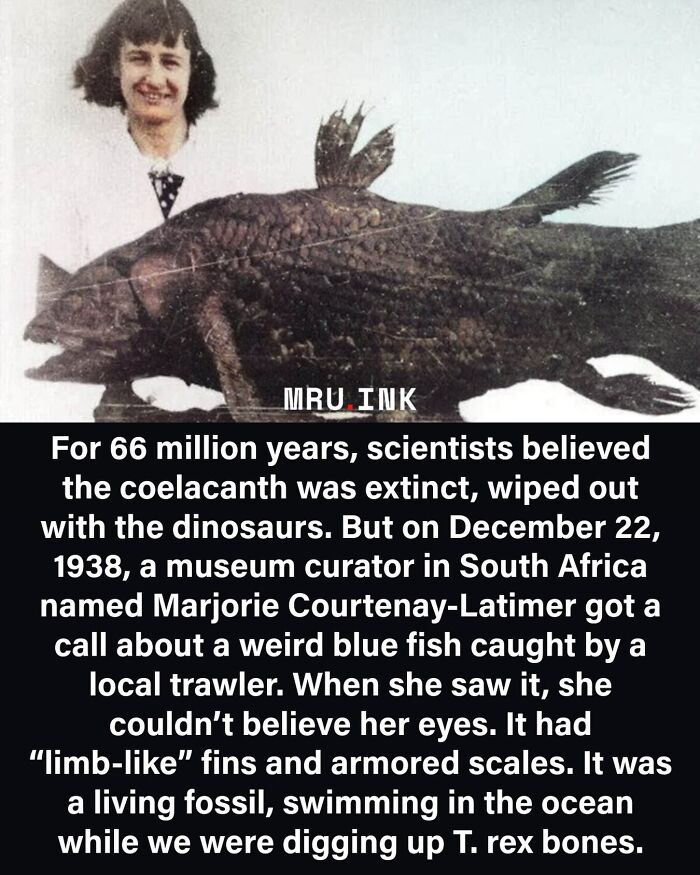
© Photo: mru.ink
#6
Discovered in Somerset’s Gough’s Cave in 1903, “Cheddar Man” is Britain’s oldest complete skeleton at 9,100 years old. DNA testing revealed a surprising physical appearance—dark skin, dark curly hair, and blue eyes.
In 1997, geneticists analyzing mitochondrial DNA discovered a direct maternal descendant living in the exact same town: history schoolteacher Adrian Targett. Their unbroken family link spans 300 generations, showing remarkable local genetic continuity over 9,000 years.
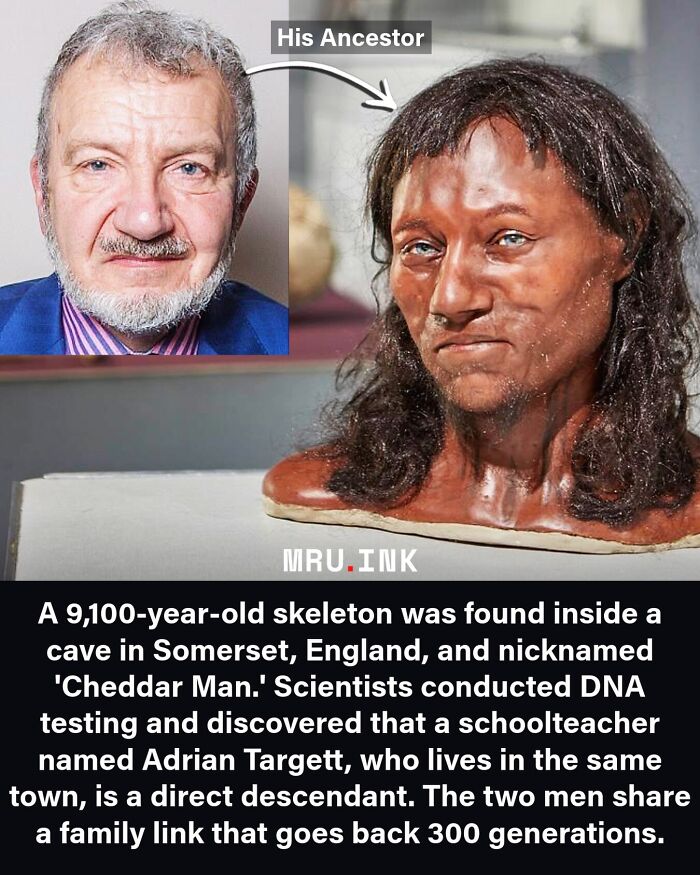
© Photo: mru.ink
#7
DNA is like an instruction book that stores an organism’s genetic information. Cells use these instructions to produce RNA, which helps them manufacture proteins essential for life. Although DNA and RNA work together, they are different molecules. DNA stores the original genetic instructions, while RNA carries a working copy of some of that information.
Octopuses possess an extraordinary ability called RNA editing, which allows them to modify certain RNA molecules after they have been produced from DNA. These changes can alter the instructions used to build proteins without changing the original DNA sequence. Think of it as editing a copy of a document while leaving the original untouched.
What’s particularly fascinating is that octopuses extensively edit RNA in their nervous systems, potentially allowing them to adjust how certain proteins function. Scientists are investigating how this ability helps them respond to environmental changes, including temperature fluctuations. Unlike organisms that rely prima.
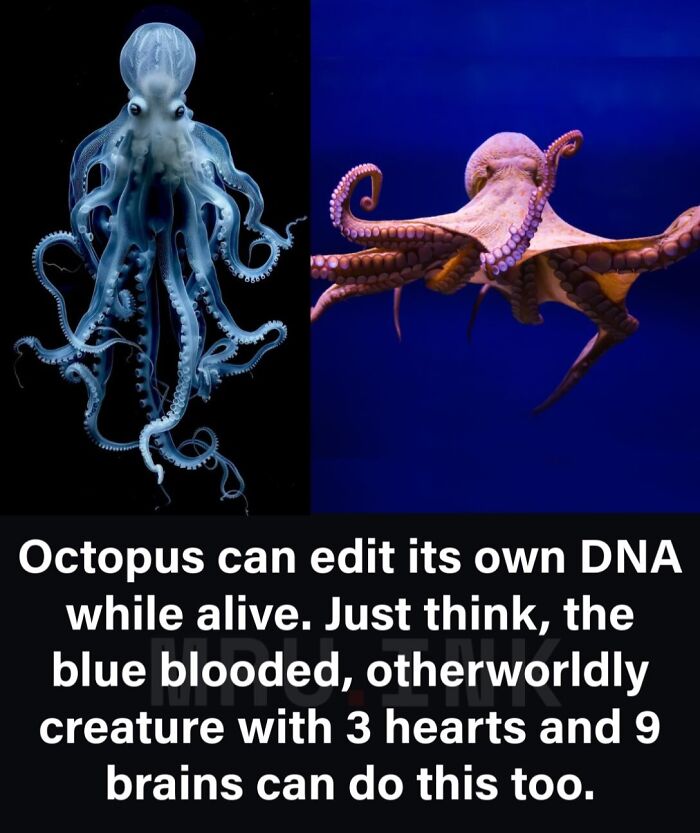
© Photo: mru.ink
#8
In 1900, a Daoist priest named Yuanlu discovered a hidden chamber at the Mogao Caves in China. Known as the “Library Cave,” it contained more than 15,000 paper books and shorter texts, around 1,100 bundles of scrolls, Buddhist art, and other priceless historical objects. In 1907, British-Hungarian archaeologist Aurel Stein visited the site and acquired thousands of manuscripts and printed documents from the cave. Among the treasures was the Diamond Sutra, printed in 868 CE and recognised as the world’s earliest known dated, complete printed book. The chamber had probably been sealed around the beginning of the 11th century.
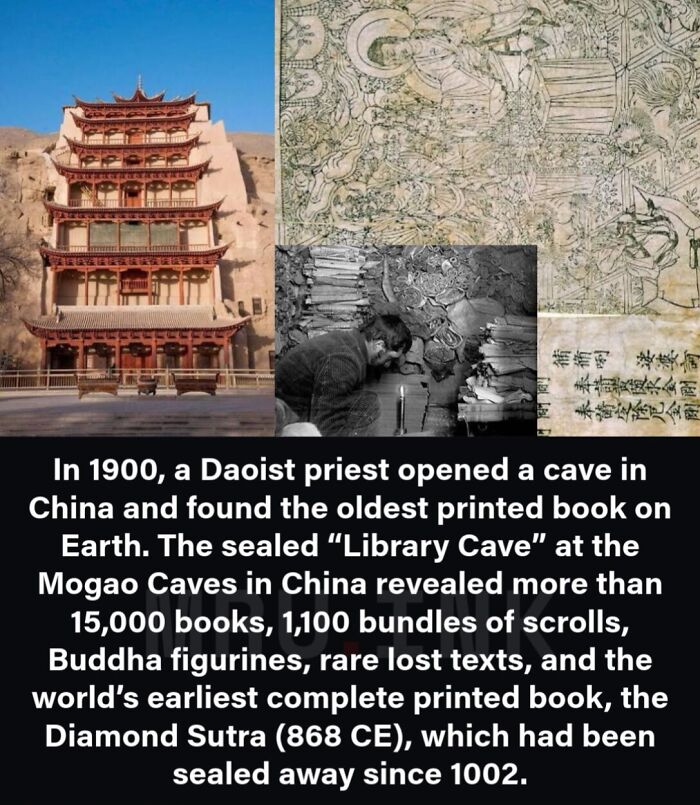
© Photo: mru.ink
#9
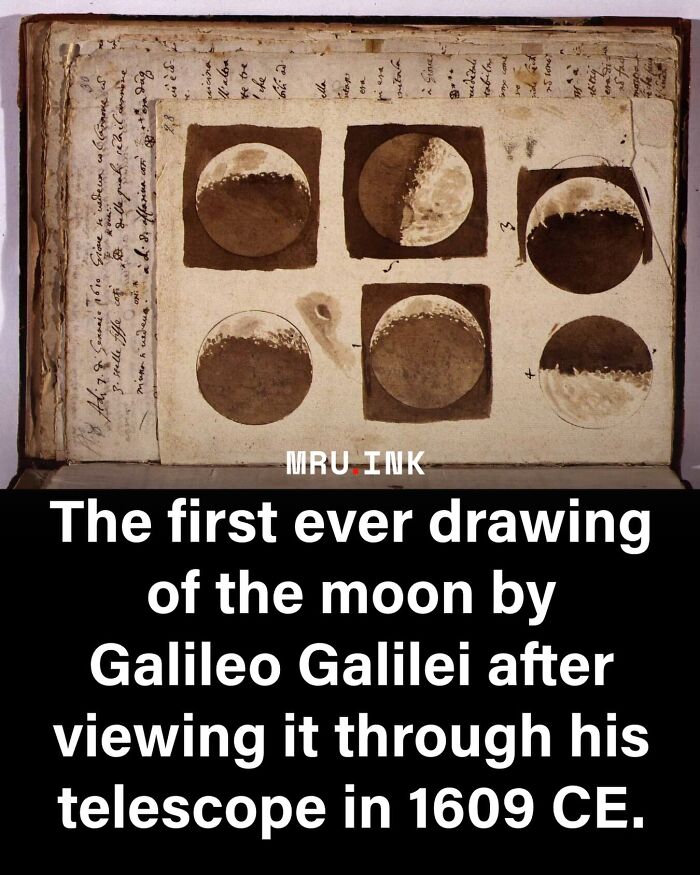
In the autumn of 1609, Galileo Galilei turned one of the first telescopes toward the Moon and forever changed our understanding of the night sky.
What he saw was revolutionary.
Rather than a perfectly smooth celestial sphere—as many believed at the time—Galileo observed mountains, valleys, and craters, carefully capturing them in a series of remarkably detailed drawings. By studying the patterns of light and shadow along the Moon’s terminator (the boundary between day and night), he concluded that the lunar surface was rugged and uneven.
These observations were published in Sidereus Nuncius (The Starry Messenger) in 1610 and became some of the most influential scientific illustrations in history. They challenged centuries of accepted belief and helped lay the foundation for modern astronomy.
Although the English astronomer Thomas Harriot made the first known telescopic drawings of the Moon a few months earlier in July 1609, Galileo’s observations were the first to correctly interpret the Moon’s topography and communicate its scientific significance to the world.
Sometimes, a simple sketch can change humanity’s view of the universe forever.
© Photo: mru.ink
#10
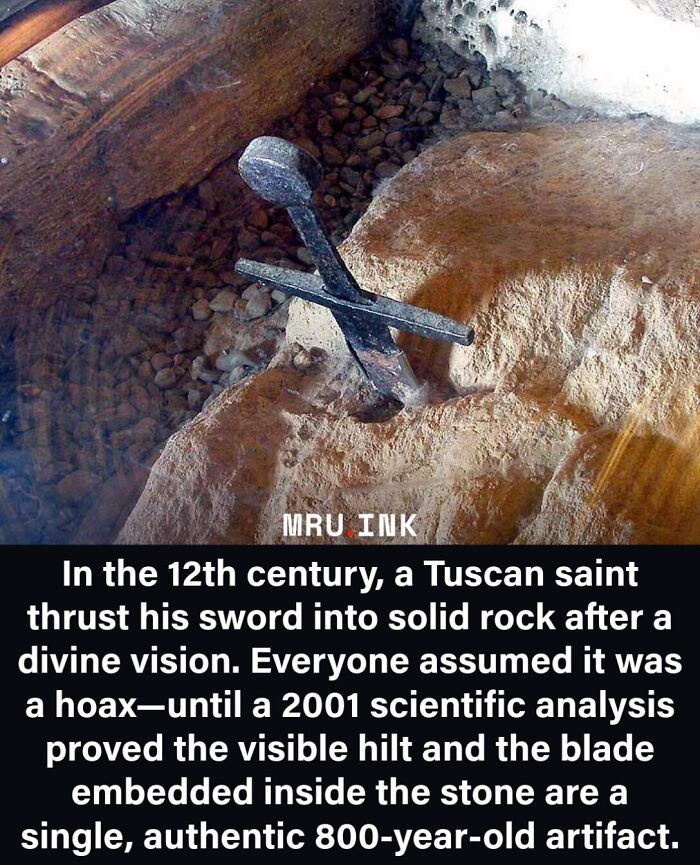
Known as Italy’s Excalibur, the Sword of Saint Galgano hides an extra secret. Beyond the continuous blade, 2001 ground-penetrating radar scans uncovered a hidden underground chamber beneath the stone. Inside lies an ancient tomb containing a pair of 12th-century mummified hands. Local legend claims they belonged to an envious thief who tried to pull the sword from the rock, only to be ambushed and mauled by wild wolves sent to guard the sacred weapon.
© Photo: mru.ink
#11
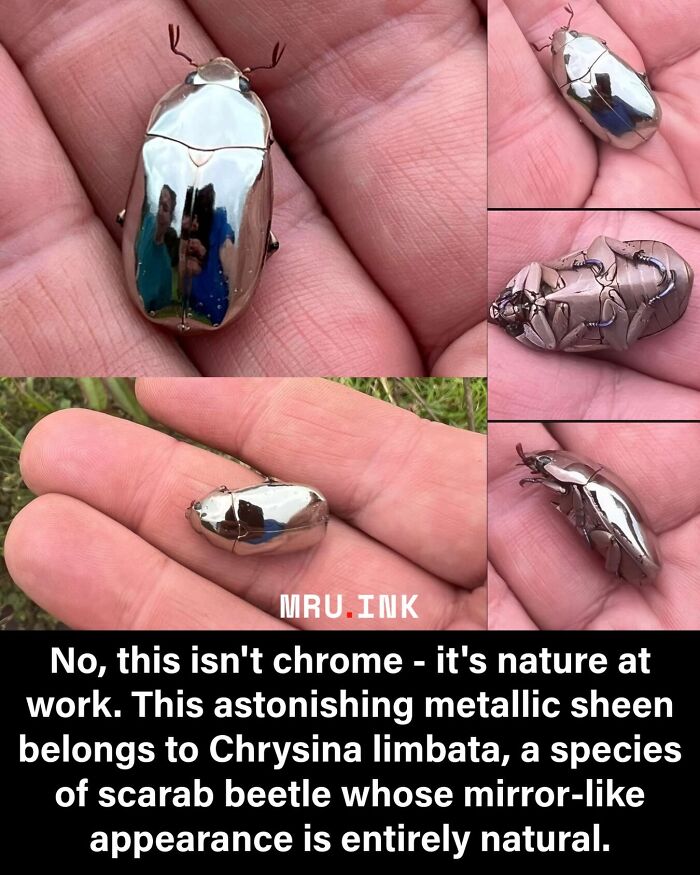
That mirror-polished shell isn’t paint, plating, or actual metal, it’s living tissue engineered by evolution to bend light the same way a stack of soap bubbles does. This is Chrysina limbata, commonly called the silver scarab, a jewel beetle native to Costa Rica’s rainforests, not a June beetle, which belongs to an entirely different, dull brown genus called Phyllophaga.
The science behind that chrome-like shine is genuinely elegant. Researchers at the University of Costa Rica found that the beetle’s exoskeleton, made of the same chitin found in cockroaches and crayfish shells, is built from roughly 70 microscopically thin layers stacked with slightly different refractive indices. Each layer reflects a small slice of incoming light, and those slices stack and reinforce each other until they combine into a bright, mirror-like glare, the exact same physical principle, called structural coloration, that makes butterfly wings and peacock feathers shimmer without a drop of actual pigment involved.
The purpose behind that shine isn’t showing off, it’s camouflage. Physicist William Vargas, who led the original 2011 study, explained that reflecting light from every direction lets the beetle blend into a rainforest canopy full of wet, glossy leaves, essentially disappearing into the glare rather than standing out from it.
The discovery has since moved well beyond entomology, researchers are now studying these layered chitin structures as inspiration for building better fiber-optic mirrors and light-based technology, borrowing a trick a rainforest beetle figured out long before humans did.
Does it change how you see the beetle, knowing that shine exists to hide it rather than show it off?
© Photo: mru.ink
#12
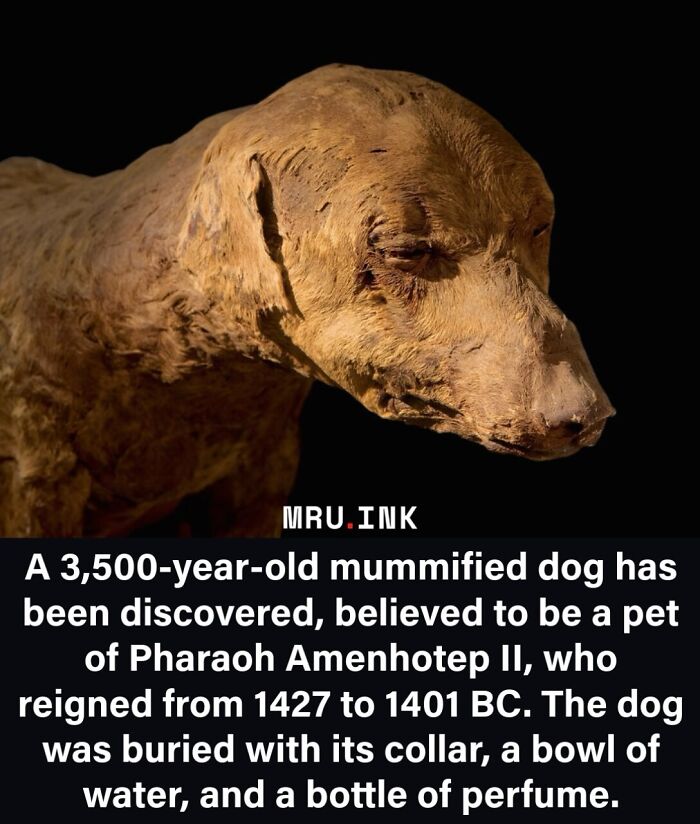
When archaeologist Edward Ayrton discovered this mummy in tomb KV50 in 1906, it was found standing upright against a tomb wall, stripped of its linen wrappings by ancient grave robbers. It was buried alongside a mummified baboon in a unique cluster of royal pet tombs. Analysis suggests this hound may be a Tesem—an extinct Ancient Egyptian hunting dog known for its lean build, pointed ears, and curled tail.
© Photo: mru.ink
#13
In the ruins of Chernobyl, scientists have discovered a black fungus called Cladosporium sphaerospermum feeding on gamma radiation and slowly growing toward the reactor core. This mysterious organism, thriving in the abandoned wasteland, is not just surviving but actively absorbing nuclear radiation, as if healing the scar left by one of the world’s worst disasters.

© Photo: mru.ink
#14
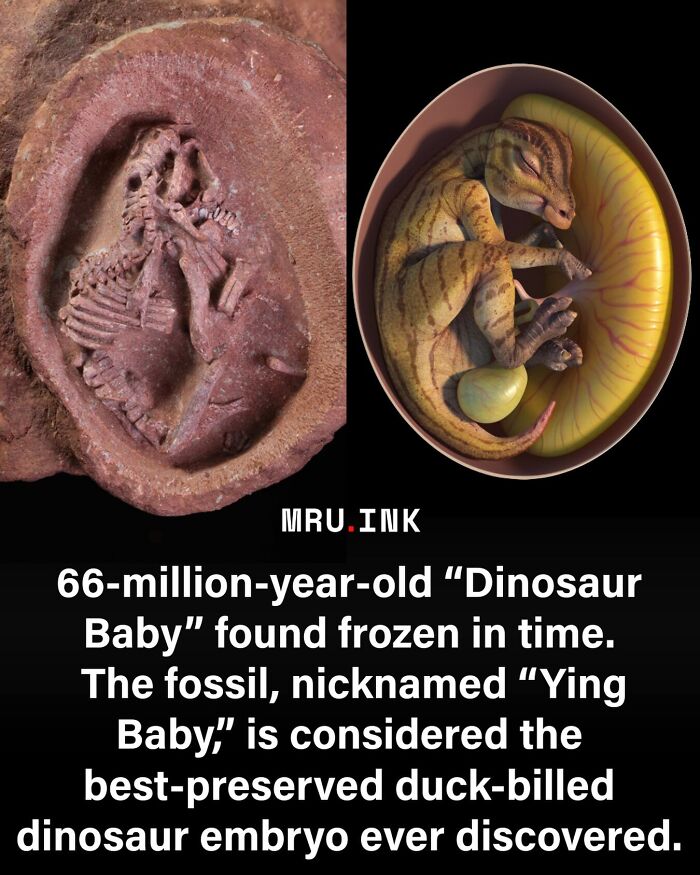
A tiny life frozen in deep time! Discovered in China’s Ganzhou Basin, the “Ying Baby” is one of the most complete duck-billed dinosaur (hadrosaur) embryos ever scientifically recorded. Dating to roughly 66–72 million years ago, the embryo was preserved inside an egg measuring about 9 cm across, with the embryo occupying around 40% of its volume. Scientists identified it from the distinctive shapes of its skull, vertebrae, and limb bones. Even more fascinating, its relatively small egg provides clues about how hadrosaurs developed before hatching. Preserved for millions of years, this fossil offers a rare glimpse into dinosaur life before birth.
© Photo: mru.ink
#15
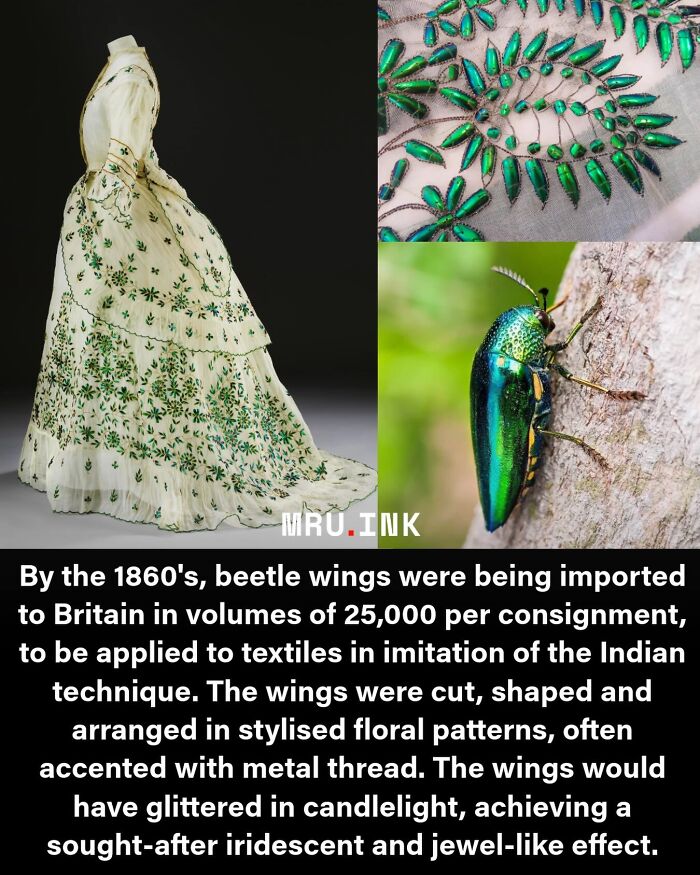
Imagine wearing a dress decorated with thousands of real beetle wings. During the Victorian era, the shimmering wings of jewel beetles became a fashionable luxury, prized for their natural metallic colours. Unlike ordinary sequins, their brilliance came from the microscopic structure of the wings, which reflected light in vivid green, blue, and gold tones. Artisans carefully cut and stitched the delicate wings onto fabric, often combining them with embroidery, beads, and metallic thread. The technique drew inspiration from Indian textile traditions, where beetle-wing embroidery had a much longer history. Under candlelight, these dresses could appear almost alive, sparkling with every movement.
© Photo: mru.ink
#16
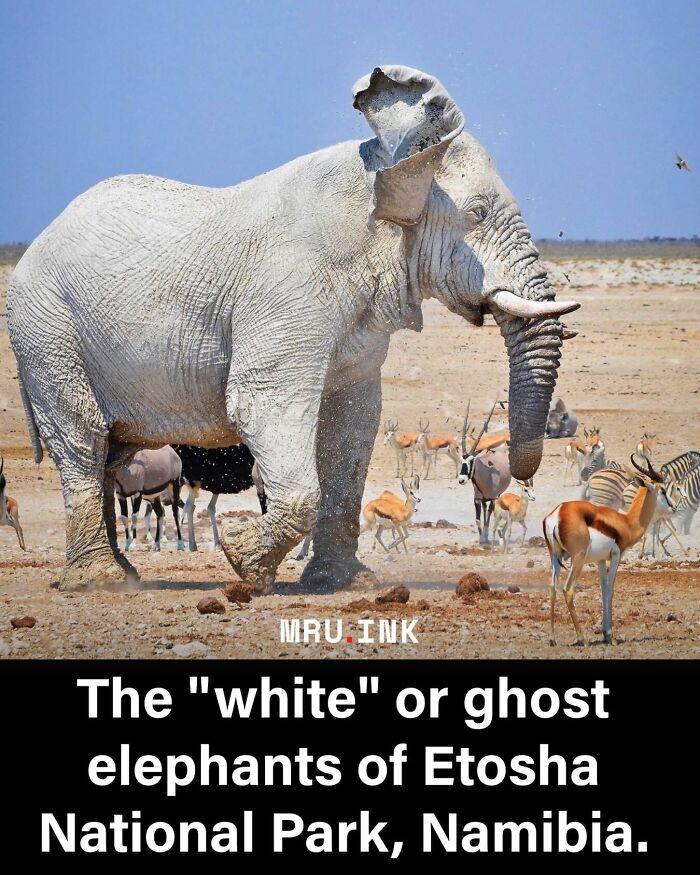
Because of white clay and calcite sand of their surroundings, the elephants of Etosha are known for their ghostly appearance, which they maintain with regular mud baths. Elephants use the cooling effects of the mud to escape the high temperatures of the park which usually hover in the region of 40° C during the daytime. When the water evaporates, their skin remains covered in a film of white soil, giving them this otherworldly air.
© Photo: mru.ink
#17
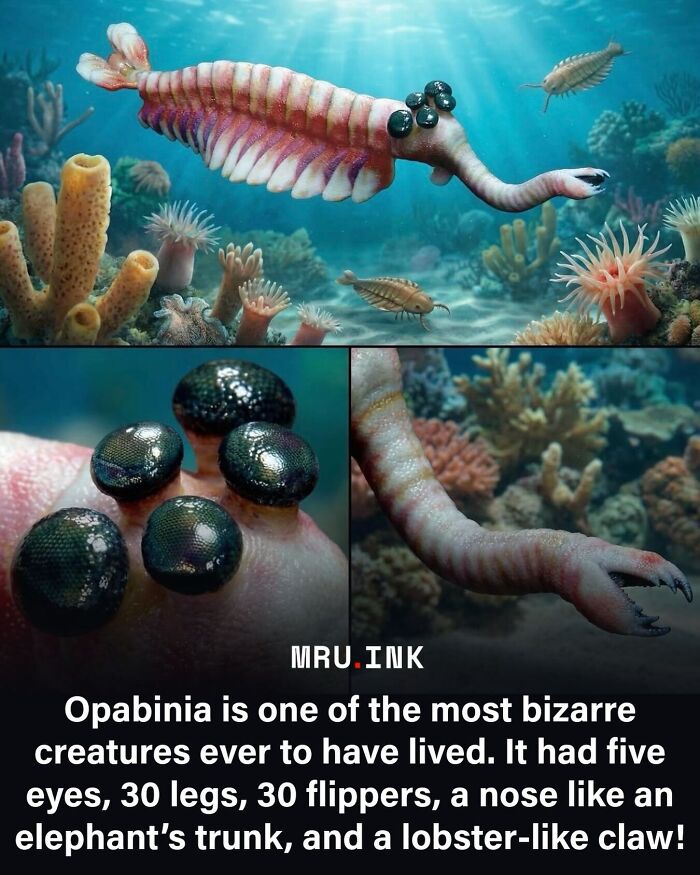
Imagine exploring the seafloor 508 million years ago and encountering one of the strangest creatures ever to evolve, as though it had been designed by a science fiction writer. Meet Opabinia—one of the strangest animals ever to inhabit our planet.
This bizarre marine creature possessed five eyes, fifteen pairs of swimming flaps, and a long flexible proboscis resembling an elephant’s trunk, ending in a claw-like grasping appendage. As if that weren’t strange enough, its mouth was located beneath its head and faced backward!
Opabinia lived during the Cambrian Period, a time when life on Earth was undergoing an evolutionary explosion and experimenting with extraordinary body designs. Measuring only about 4 to 7 centimeters (1.5 to 3 inches) long, it likely used its trunk-like appendage to pick up small prey from the seafloor and bring it to its mouth.
When scientists first reconstructed Opabinia from fossils discovered in Canada’s Burgess Shale, many researchers reportedly laughed in disbelief. The creature seemed so bizarre that some initially wondered whether the fossils had been assembled incorrectly. Yet Opabinia was real—a remarkable reminder that evolution’s early experiments produced forms far stranger than anyone had imagined.
Even today, Opabinia remains one of the most iconic and mysterious animals from the Cambrian seas, proving that reality can be far stranger than fiction.
© Photo: mru.ink
#18
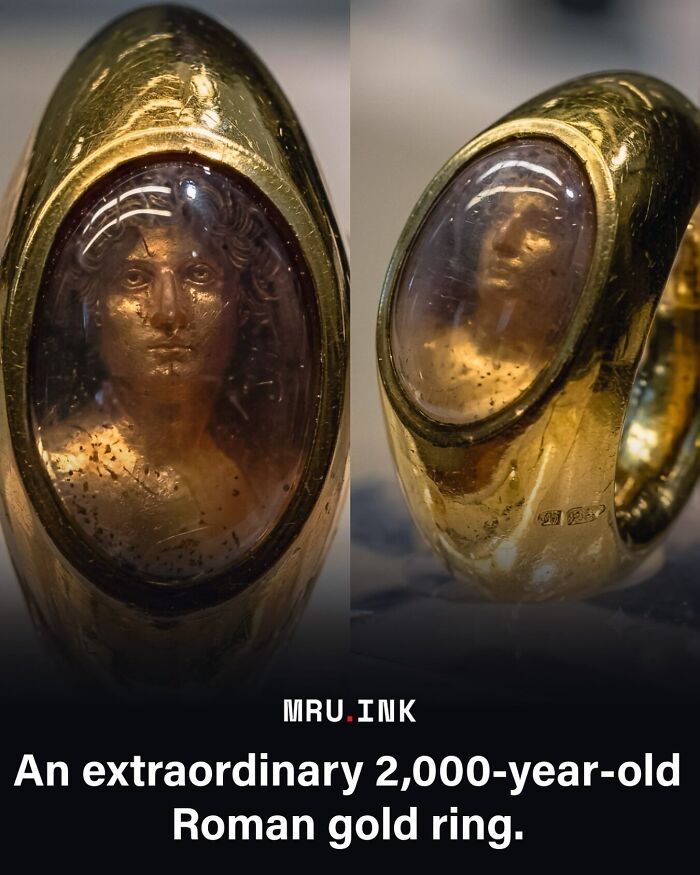
Discovered in the tomb of Aebutia Quarta near Rome, this extraordinary 2,000-year-old Roman gold ring features a transparent rock crystal intricately engraved with the portrait of her son, Titus Carvilius Gemello. Its rare reverse-carved intaglio creates a mesmerizing 3D, holographic-like illusion, showcasing the remarkable artistry and craftsmanship of ancient Roman jewelers.
© Photo: mru.ink
#19
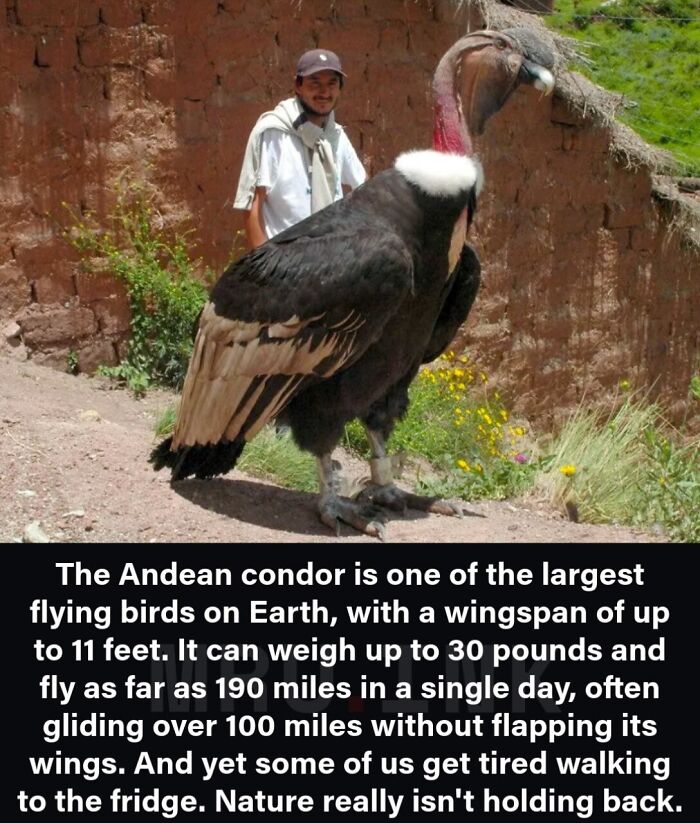
High in the Andes, one of nature’s greatest gliders rules the skies. The Andean condor uses rising currents of warm air to soar across vast mountain landscapes, conserving energy while searching for food. Its remarkable wings can span up to 11 feet, making it one of the largest flying birds alive. Even more astonishing, studies have shown that condors can spend remarkably long periods in flight with barely a single wingbeat. These scavengers also play a vital ecological role by consuming animal carcasses and helping keep their mountain ecosystems clean. Evolution really did give this bird an incredible upgrade.
© Photo: mru.ink
#20
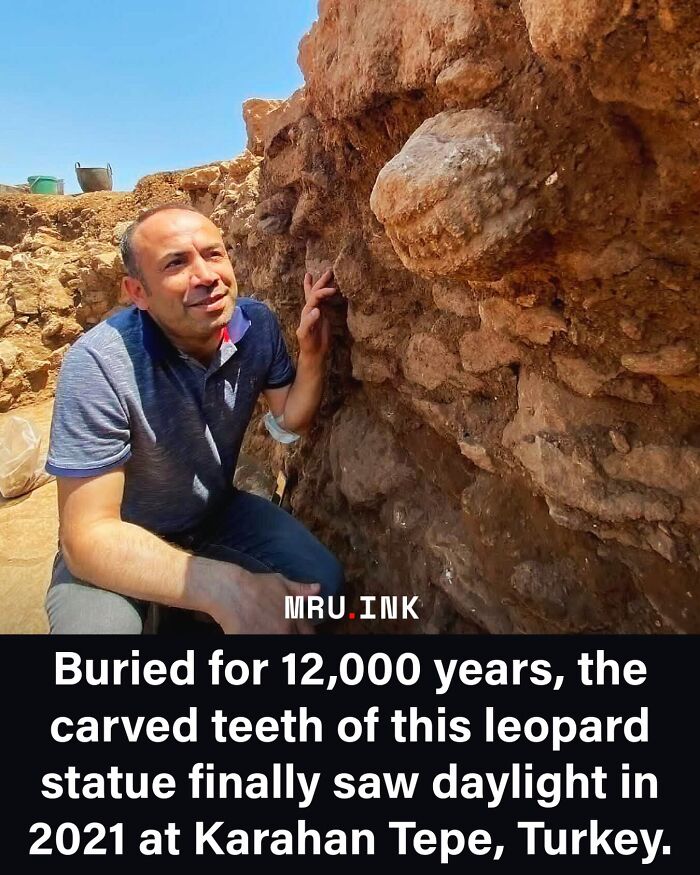
Beyond revealing this 12,000-year-old snarling leopard head, excavations at Karahan Tepe uncovered a complex dynamic between ancient humans and these predators. While earlier statues at the site depicted humans carrying aggressive leopards on their backs, a 70 cm discovery completely reversed this motif by showing a human figure seated on a leopard. Archaeologists believe this unique human-leopard iconography likely symbolized power, ritual authority, or a shamanic transformation.
© Photo: mru.ink
#21
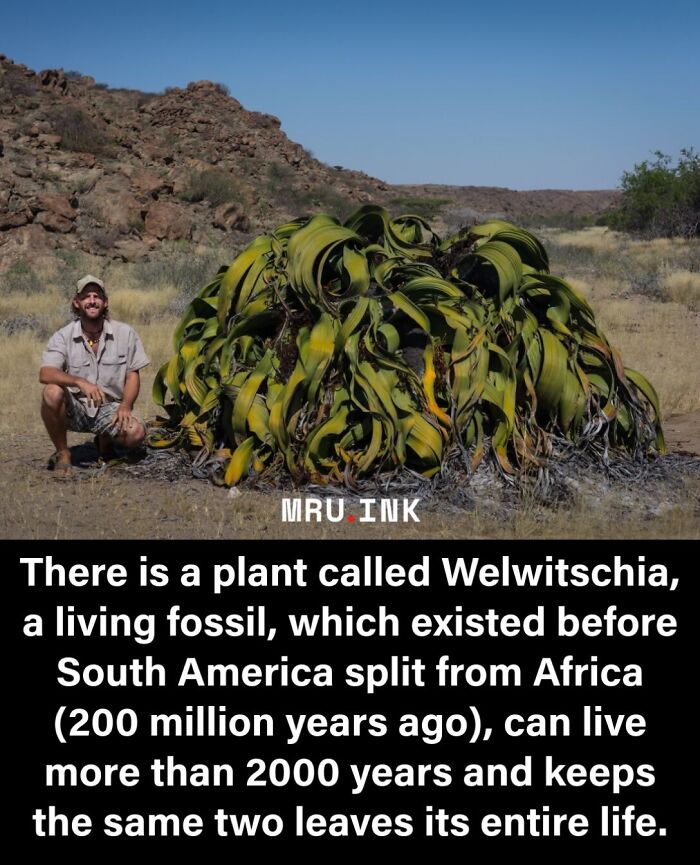
This plant can spend 2,000 years growing just TWO leaves. Meet Welwitschia, one of the strangest plants on Earth. Native to the Namib Desert, it survives in an environment so dry that most plants could never endure it. Its two strap-like leaves grow continuously from their bases throughout its lifetime, becoming battered and shredded by desert winds while the plant itself keeps going. Some individuals are estimated to be more than 2,000 years old. Even more remarkable, Welwitschia belongs to an ancient lineage with fossil relatives dating back over 100 million years. It is essentially a living time capsule from Earth’s distant botanical past.
© Photo: mru.ink
#22
In 1204, a Japanese courtier recorded an extraordinary red glow in the night sky, a possible account of an intense geomagnetic storm. Centuries later, scientists discovered that ancient trees preserve evidence of powerful solar events through unusual spikes in radioactive carbon-14, produced when cosmic radiation interacts with Earth’s atmosphere. By combining tree rings with historical records, researchers can investigate solar activity long before modern instruments existed. Such discoveries reveal something remarkable: ancient people were not merely observing history; they were recording clues that science would only learn to interpret centuries later. Their diaries became unexpected scientific archives.

© Photo: mru.ink
#23
During the Late Triassic, these massive conifers—some reaching over 200 feet tall—didn’t fall on dry land, but were washed into a vast tropical river system. Volcanic eruptions spewed immense ash clouds, saturating the river basins with dissolved silica. As the logs sank beneath heavy sediment, oxygen-starved groundwater flushed this silica deep into the wood cells. Instead of decaying, the organic structure was replaced molecule-by-molecule with sparkling quartz, preserved alongside prehistoric reptiles like phytosaurs.
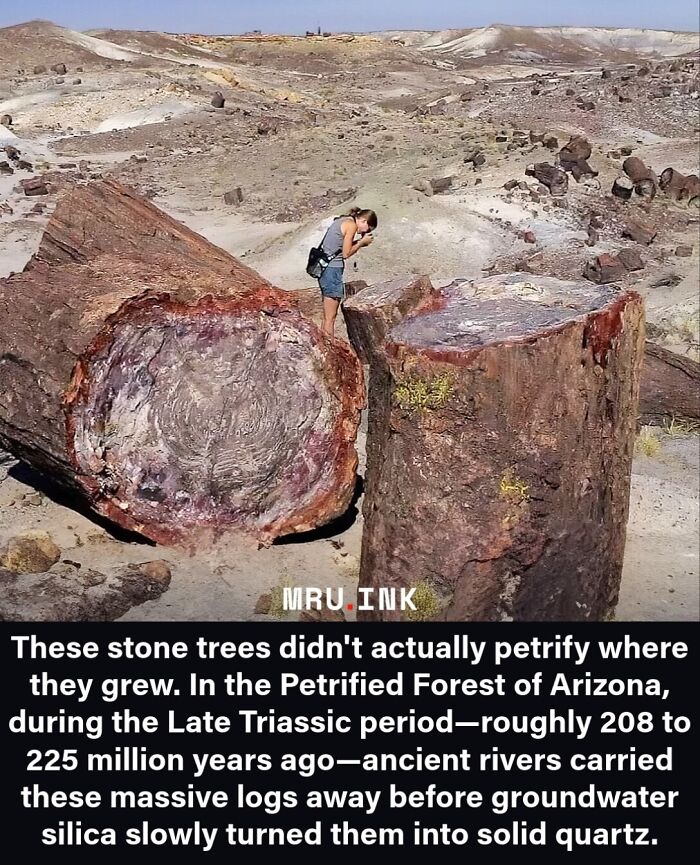
© Photo: mru.ink
#24
The Yarrabubba crater in Western Australia, spanning 70 kilometers, holds the title of Earth’s oldest known impact site. Surprisingly, it doesn’t resemble the aftermath of a massive collision. Dating back 2.229 billion years, this ancient scar marks a time nearly half the age of our planet itself.
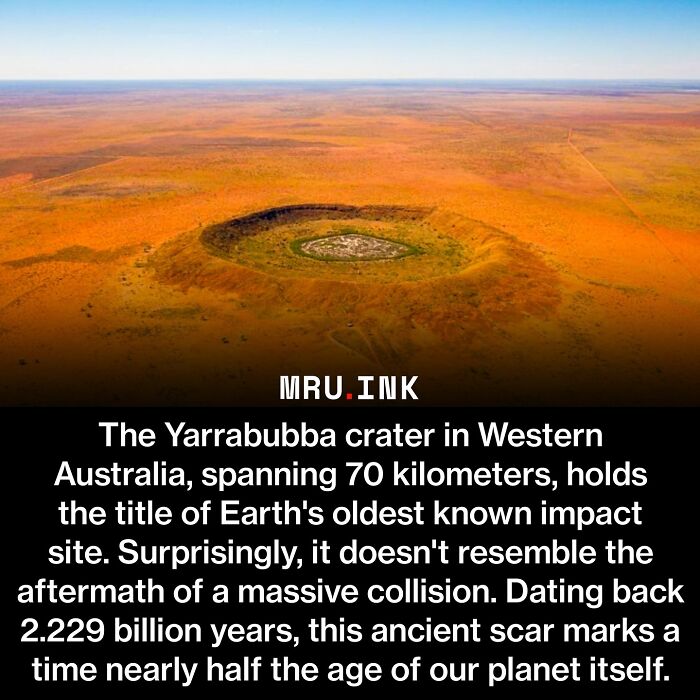
© Photo: mru.ink
#25
The maned wolf (Chrysocyon brachyurus) is the largest canid in South America and the sole species in its genus. Though its reddish coat and distinct markings resemble a giant fox, this solitary creature is neither a fox nor a wolf. Thriving in the vast grasslands of South America, it possesses extraordinarily long legs evolved to help it see over tall vegetation. Highly omnivorous, this unique animal hunts small prey but relies heavily on wild plants, particularly the native wolf apple.
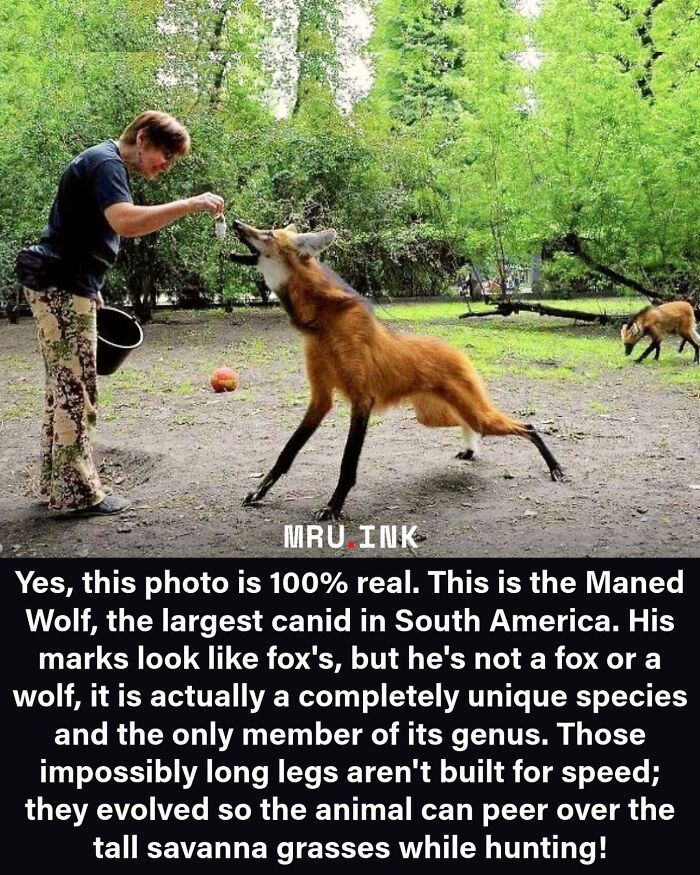
© Photo: mru.ink
#26
The Great Wall of China in Spain is the nickname of the Wall of Finestres, a natural rock formation in Spain. The Wall of Finestres is also known as Roques de la Vila.
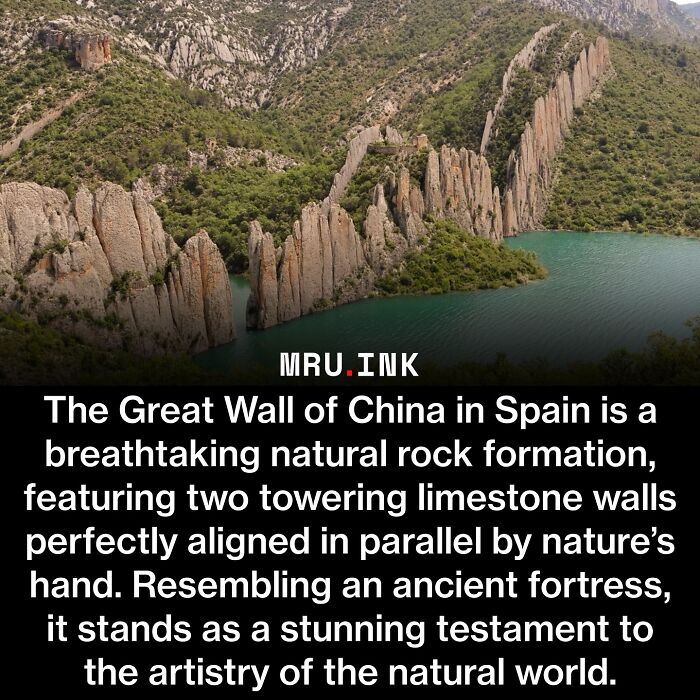
© Photo: mru.ink
#27
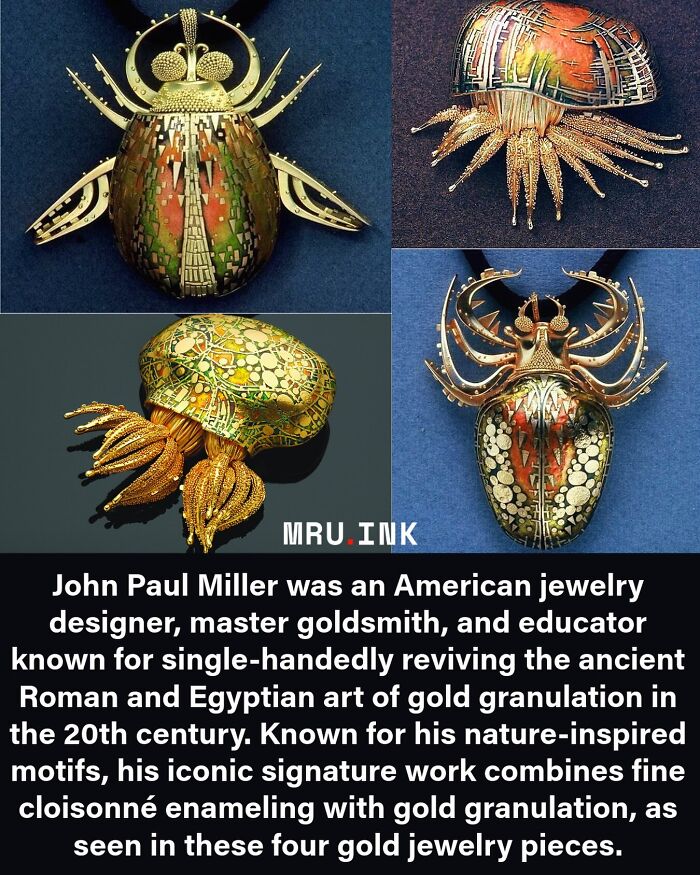
Beyond reviving the ancient technique of gold granulation, John Paul Miller was a master of combining high-karat gold with vibrant, high-temperature cloisonné enamel. Inspired by marine life, insects, and botanical forms, his intricate creatures took hundreds of hours to craft, requiring precise torch-firing without melting delicate gold spheres. Beyond his studio work, Miller spent over 40 years teaching at the Cleveland Institute of Art, where he profoundly influenced generations of modern American metalsmiths. Today, his rare, highly coveted masterworks are preserved in premier permanent collections worldwide, including the Cleveland Museum of Art and the Smithsonian American Art Museum.
© Photo: mru.ink
#28
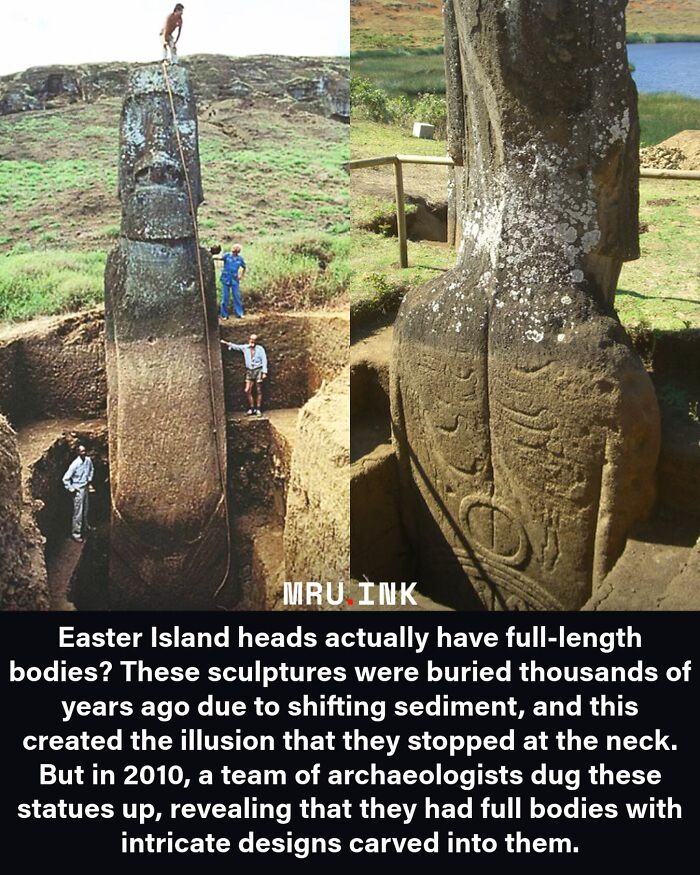
While famous as floating “heads,” Easter Island’s iconic Moai actually feature full-length bodies buried deep underground. Centuries of shifting natural sediment created the illusion that they stopped at the neck. In 2010, archaeologists excavating these massive stone statues dug them up to reveal complete torsos standing over 20 feet tall. Even more astonishing, their backs were covered in intricate petroglyph carvings, including Polynesian vaka canoes, highlighting the masterful artistry of the ancient Rapa Nui people.
© Photo: mru.ink
#29
Indonesia’s Blue Fire Volcano, where molten sulfur ignites into dazzling electric-blue flames, casting an ethereal glow against the midnight sky-an ultra-rare natural phenomenon found in just two places on Earth!

© Photo: mru.ink
#30
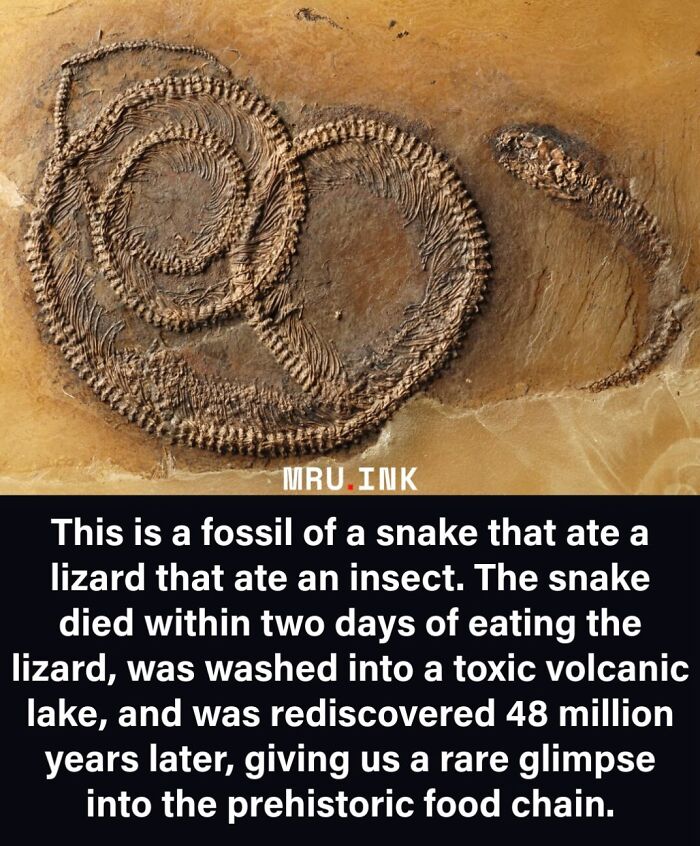
This 48-million-year-old fossilized Palaeopython showcases nested fossilization (trophic chain preservation). CT-scanning revealed that the swallowed lizard (Geelthesaurus) was ingested headfirst, a snake feeding strategy unchanged today. Surprisingly, the beetle inside the lizard’s gut still retained structural coloration, its exoskeleton gleaming iridescent turquoise. Cyanobacterial mats lining the lake bottom acted as a protective shroud, shielding the dying snake from scavengers while mineralizing its digestive tract fast enough to capture three distinct ecological tiers frozen mid-digestion.
© Photo: mru.ink
#31
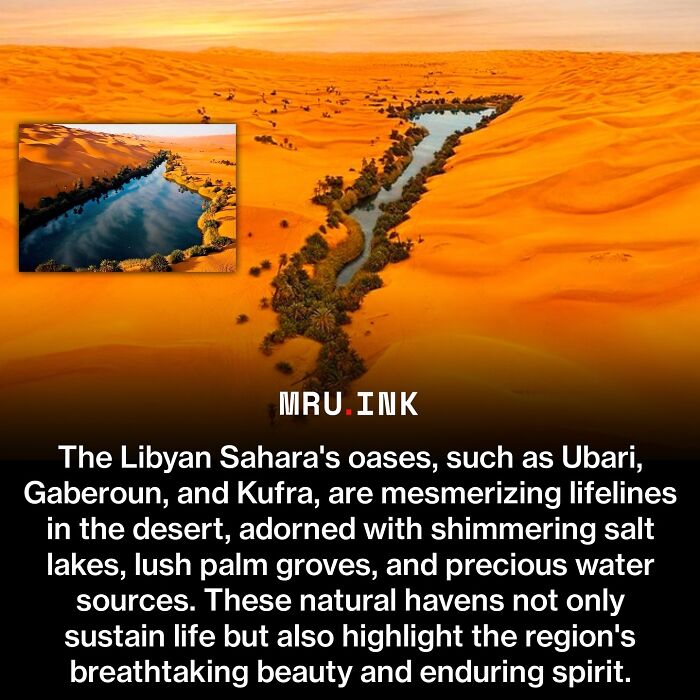
The Libyan Sahara’s oases #ubari #desert #oasis.
© Photo: mru.ink
#32
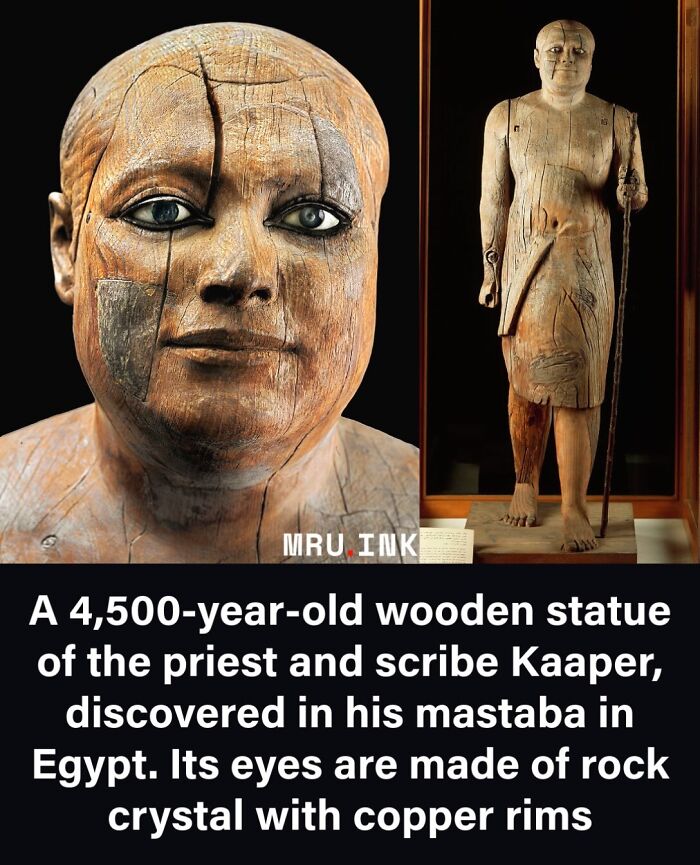
Unearthing Kaaper’s sycamore statue in 1860 startled Egyptian excavators—its lifelike realism so closely resembled their local mayor that they nicknamed it Sheikh el-Balad (“Village Chief”).
Unlike idealized, slim royal statues, Kaaper’s corpulent torso intentionally signified high administrative status and prosperity in the Old Kingdom. Remarkably, dry desert air preserved this rare wooden masterpiece, complete with its original plaster traces, for millennia.
© Photo: mru.ink
#33
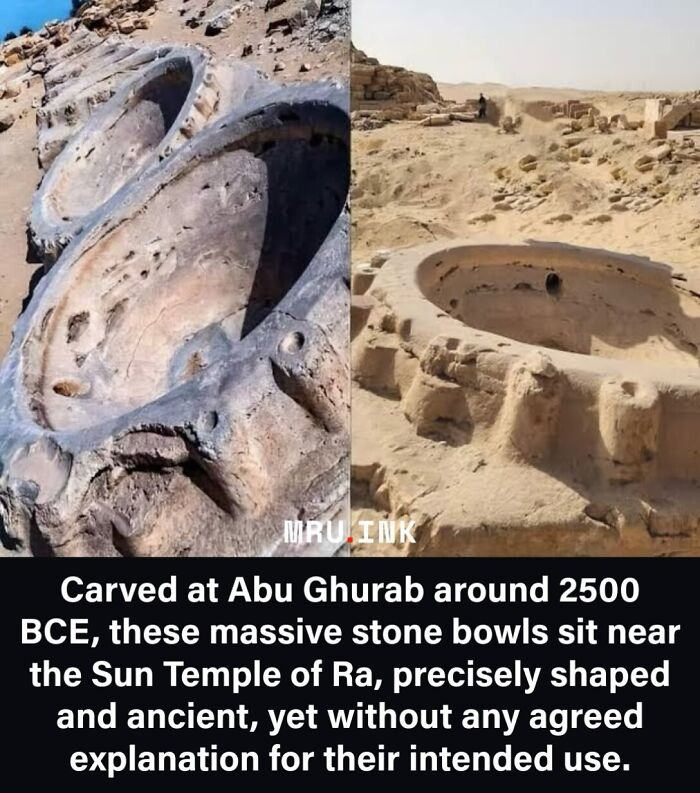
Dating to around 2500 BCE, these massive stone bowls were carved from Egyptian alabaster and found near the Sun Temple of Ra. Each basin is nearly four feet across, with perfectly circular holes drilled into its sides. Despite their precise craftsmanship, archaeologists still have no definitive explanation for what these unusual objects were originally used for.
© Photo: mru.ink
#34
Developed in Kyoto’s Kitayama region, Daisugi relies specifically on the non-mutated Kitayama cedar (Cryptomeria japonica). Foresters heavily prune base branches, forcing vertical shoots straight up like a giant bonsai.
This method produced perfectly straight, knot-free logs called taruki, essential for traditional tea-room alcoves. The harvested wood is 140% as dense and twice as strong as standard cedar, allowing a single tree to yield harvestable lumber every 20 years for centuries.

© Photo: mru.ink
#35
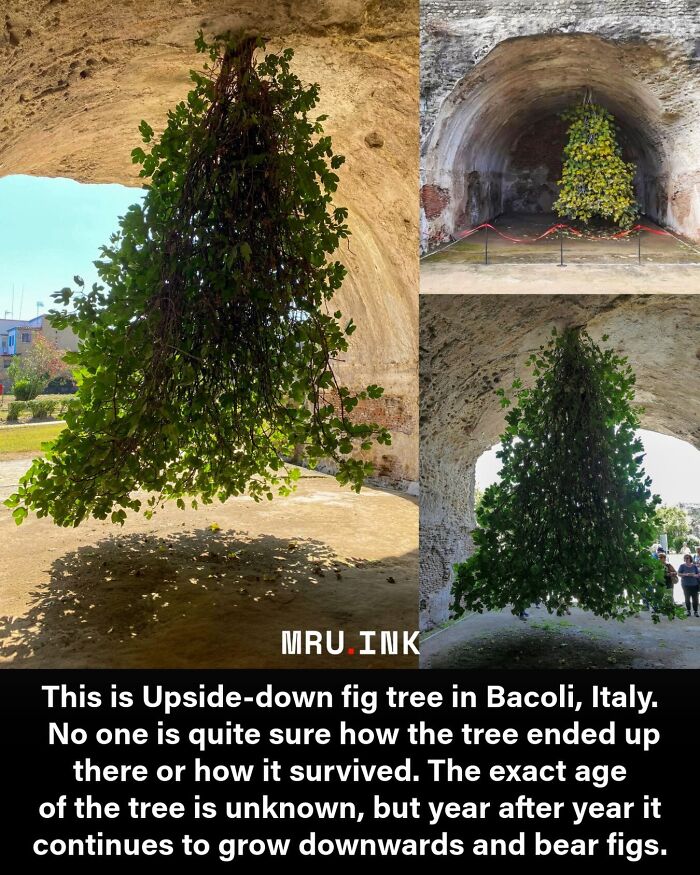
In the ancient ruins of Baia, near Bacoli, Italy, a wild fig tree grows in one of nature’s strangest arrangements. Its roots grip the ceiling of a vaulted Roman structure, while its branches descend toward the ground like a living curtain. The tree is found in the Archaeological Park of the Baths of Baia, close to the so-called Temple of Mercury. Some local accounts suggest it may have survived archaeological excavations in the 1940s, adapting to its unusual position, though the exact origin remains uncertain. Remarkably, the tree still produces figs, turning an ancient ruin into a botanical mystery that continues to thrive.
© Photo: mru.ink
#36
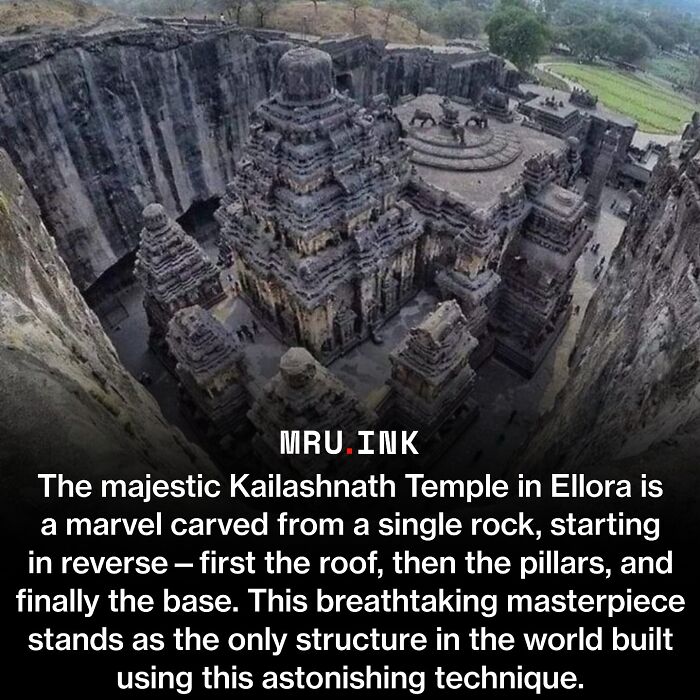
The majestic Kailashnath Temple in Ellora is a marvel carved from a single rock, starting in reverse - first the roof, then the pillars, and finally the base. This breathtaking masterpiece stands as the only structure in the world built using this astonishing technique.
© Photo: mru.ink
#37
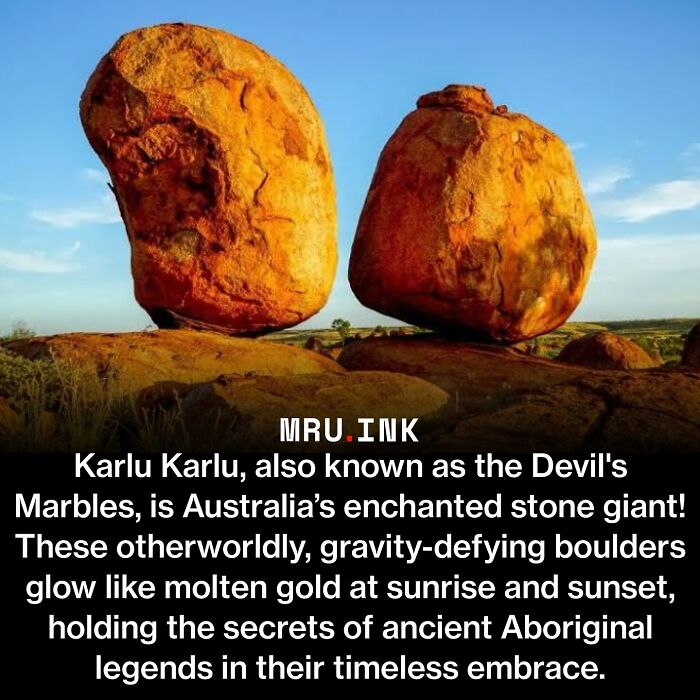
Karlu Karlu, also known as the Devil’s Marbles, is Australia’s enchanted stone giant! These otherworldly, gravity-defying boulders glow like molten gold at sunrise and sunset, holding the secrets of ancient Aboriginal legends in their timeless embrace.
© Photo: mru.ink
#38
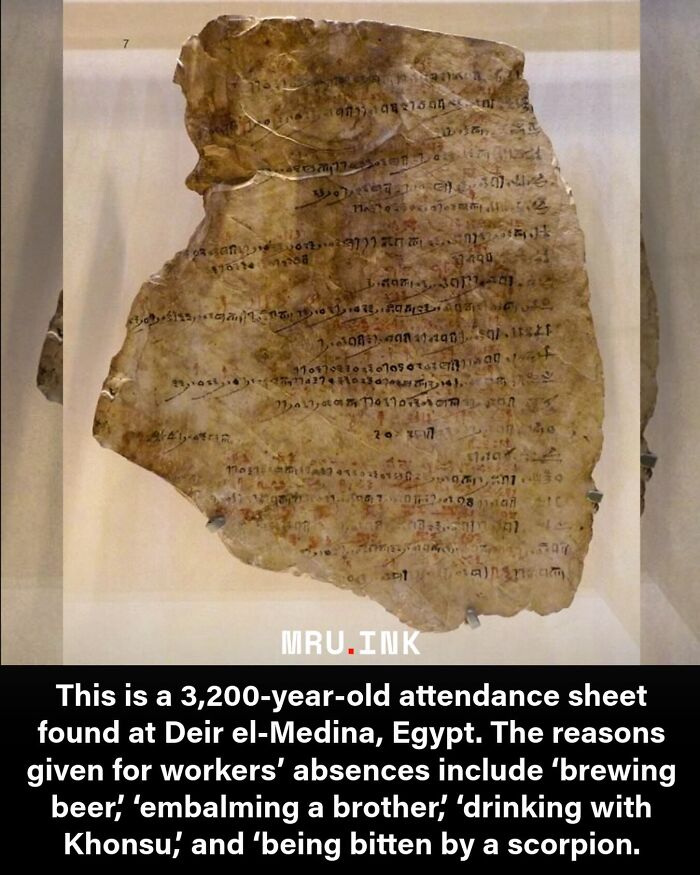
More than 3,200 years ago, Egyptian workers already had something surprisingly familiar: an attendance register. Found at Deir el-Medina, the village of craftsmen who built and decorated royal tombs, this limestone ostracon records 40 workers across 280 days. Written in Hieratic script, it lists names, dates, and reasons for absence in black and red ink. Some entries mention illness, brewing beer, religious duties, family matters, and even a scorpion bite. One worker was absent for “drinking with Khonsu,” while another was occupied with embalming his brother. Far from being mere bureaucracy, the record offers a rare glimpse into the everyday lives of ancient Egyptian workers.
© Photo: mru.ink
#39
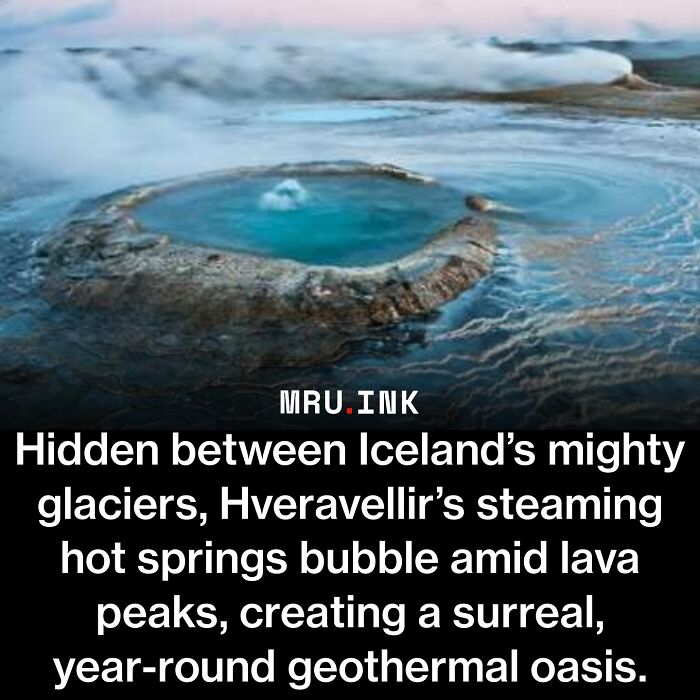
Hidden between Iceland’s mighty glaciers, Hveravellir’s steaming hot springs bubble amid lava peaks, creating a surreal, year-round geothermal oasis.
© Photo: mru.ink
#40
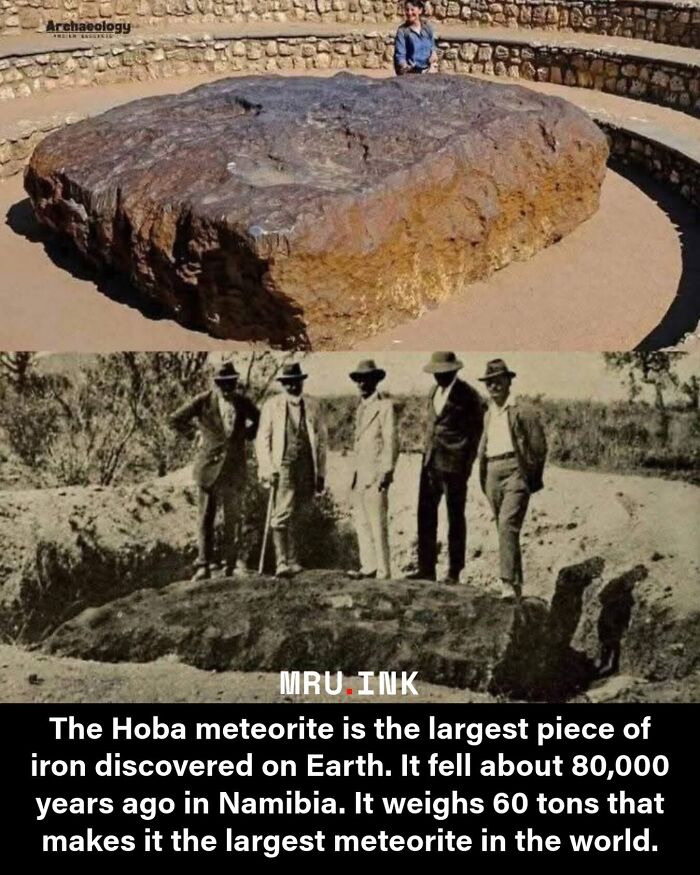
Discovered in the fields of Namibia, the Hoba meteorite is the largest known intact meteorite on Earth, estimated to have fallen over 80,000 years ago. Weighing more than 60 tons and composed mostly of iron and nickel, it rests not in a museum, but where it landed-embedded in the red earth near Grootfontein.
The meteorite’s massive, angular form bears the dark patina of time and space. Its presence is humbling, a visitor from the stars resting silently among us. The top image reveals the Hoba in its present enclosure, surrounded by concentric stone seating-an amphitheater for cosmic wonder. Below, a historic photograph captures the moment of its unearthing: suited men of the early 20th century standing before a celestial relic, stunned by its scale.
The Hoba meteorite is more than iron; it is a message from beyond the sky, a reminder that the boundaries between the heavens and the Earth are porous, and that even stones can fall like stories through time.
© Photo: mru.ink
#41
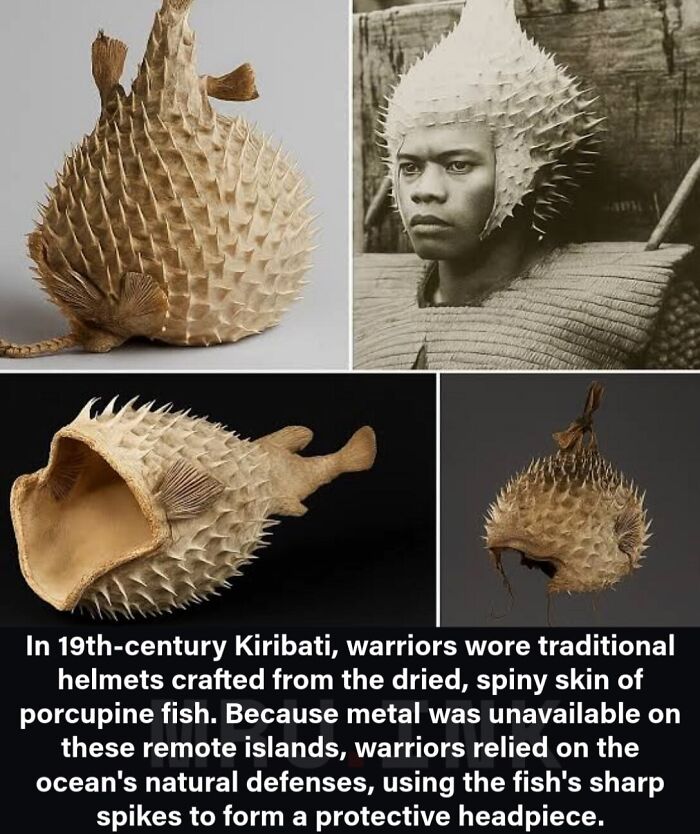
Beyond basic protection, Kiribati porcupinefish helmets (te barantauti) held deep spiritual significance. Artisans inflated and dried whole fish over coconut-husk fires to harden the spines permanently outwards. Paired with dense suit armor woven from woven coconut fiber (te tei), these intimidating headpieces transformed warriors into ferocious ocean spirits to psychologically disorient opponents during island duels.
© Photo: mru.ink
#42
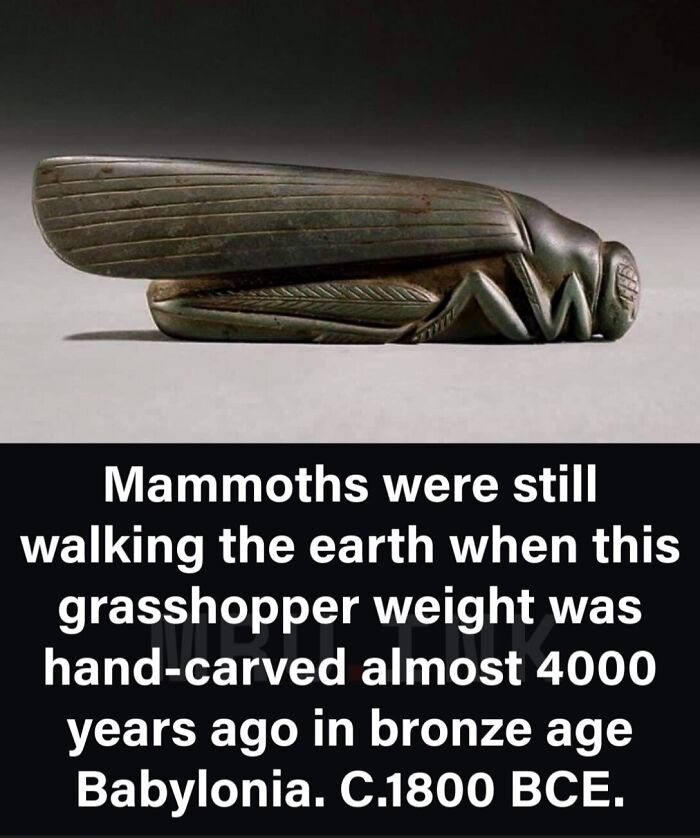
Nearly 4,000 years ago, a skilled artisan in ancient Babylonia hand-carved this grasshopper weight from bronze, around 1800 BCE. Remarkably, woolly mammoths still survived on Wrangel Island in the Arctic, making this tiny object a witness to a world far closer to the Ice Age than our own. Ancient Mesopotamians used standardized weights to measure goods during trade, helping merchants conduct transactions fairly. Shaped like a grasshopper, this artifact also reveals how everyday objects could incorporate the natural world into practical craftsmanship. Even a small measuring tool can preserve extraordinary clues about ancient commerce, artistry, and human ingenuity.
© Photo: mru.ink
#43
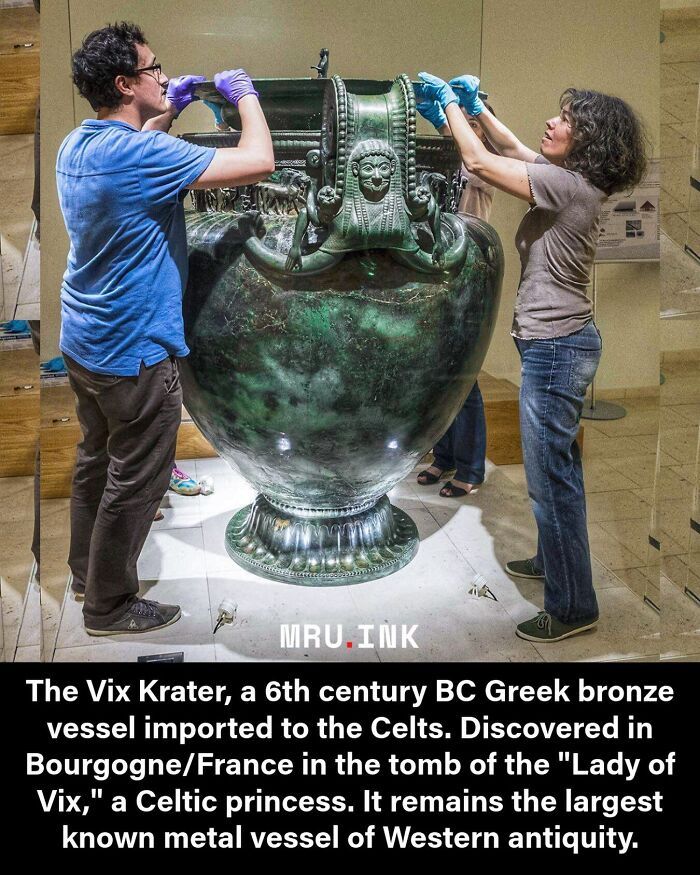
It was in the heart of the Châtillonnais region, during the winter of 1953, that two archaeologists, Maurice Moisson and René Joffroy, made an extraordinary discovery: a princely tomb at Vix, in Côte-d’Or.
In this tomb rested, for eternity, a Celtic princess from the 6th century BCE, belonging to a so-called “barbarian” society that maintained connections with the Greek and Etruscan worlds. Beneath the gigantic tumulus, which had long since been leveled, the burial chamber contained an extraordinary collection of lavish grave goods.
The central element was a krater, decorated with Gorgon heads and friezes depicting hoplites: a gigantic bronze vessel weighing more than 200 kilograms and holding over 1,000 liters—the largest metal vessel known from antiquity. Also found in the tomb were a silver phiale (libation bowl), an oenochoe (wine jug), bronze basins, and an exceptional golden torque.
This tomb represents one of the greatest Celtic archaeological discoveries made in France during the 20th century.
© Photo: mru.ink
#44
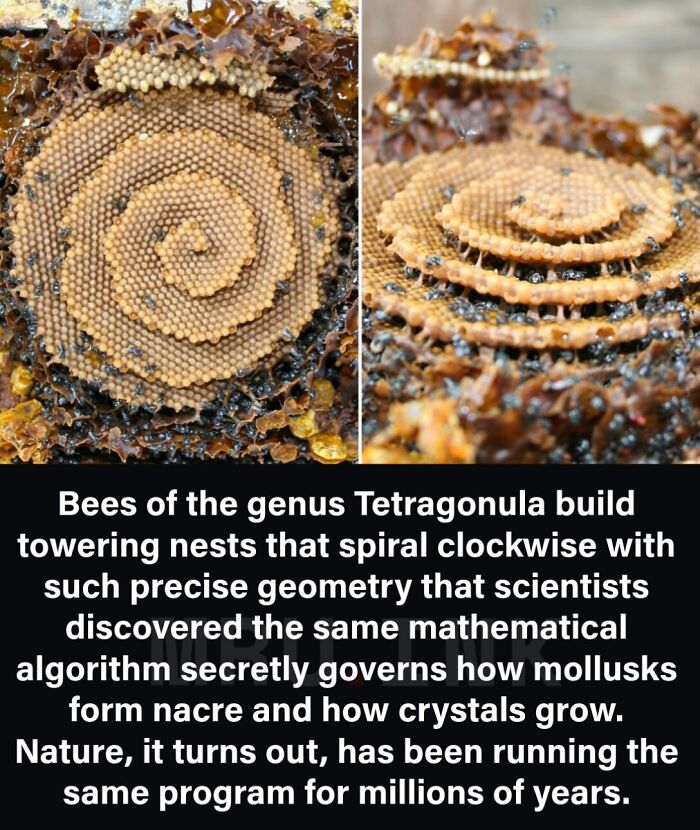
Tiny stingless bees of the genus Tetragonula are remarkable architects, constructing intricate nests with spiralling brood cells arranged in three-dimensional layers. These structures are built from wax and plant resins, providing protected spaces for developing larvae and stored food. Their repeating patterns reveal how simple building rules can generate surprisingly complex architecture without a central blueprint. Similar principles of self-organization appear in natural structures such as mineral crystals and the microscopic layers of nacre, the material that gives pearls their lustre. Nature’s elegance lies in how simple local interactions can produce elaborate patterns across vastly different forms of life.
© Photo: mru.ink
#45
Long before the pyramids were built and thousands of years before writing appeared, people in what is now southeastern Türkiye were already creating remarkably sophisticated works of art.
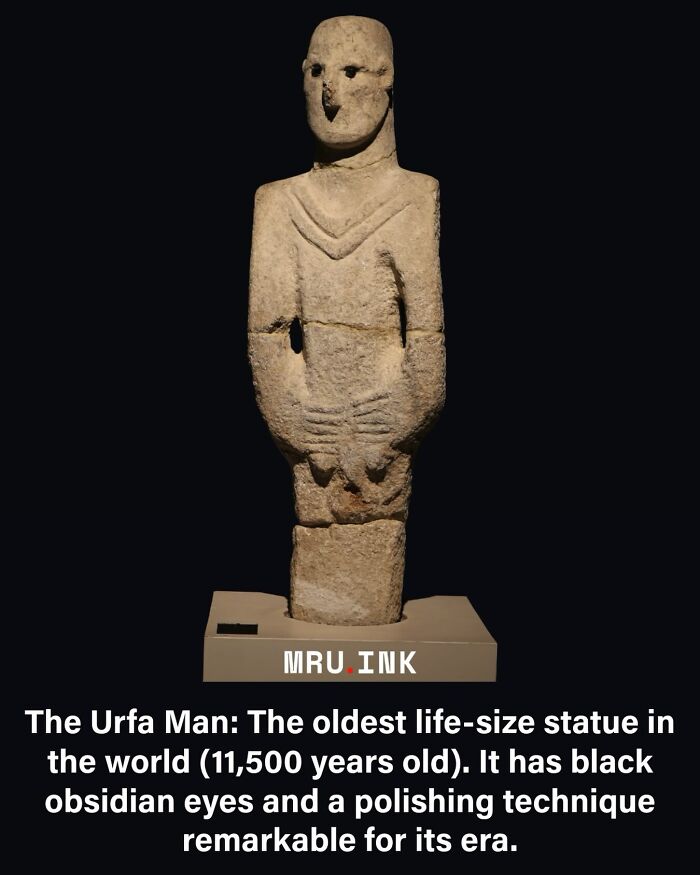
One of the most extraordinary examples is the Urfa Man, also known as the Balıklıgöl Statue. Dating to around 9,500 BC, the limestone figure is more than 11,500 years old and stands about 1.8 metres tall. Turkish Museums describes it as the world’s earliest known life-size human statue.
The statue was found in Balıklıgöl, in the centre of Şanlıurfa, an area that has become famous for its extraordinary Neolithic archaeological discoveries, including nearby Göbekli Tepe. The Urfa Man was discovered before the excavations at Göbekli Tepe began in 1995, making it an important early clue to the sophisticated artistic traditions that existed in the region during the Neolithic period.
What makes the figure particularly striking is its appearance. The roughly human-sized statue has a carefully carved face, prominent ears and nose, but no mouth. Its hollow eye sockets contain pieces of black obsidian, giving the face an unusually intense appearance. Its hands are clasped across the front of its body, while a V-shaped element may represent a necklace or part of its clothing. Rather than feet, the lower part of the stone continues into a block that could have been fixed into the ground.
But perhaps the biggest mystery is who the statue represents. Was it a deity, an important member of the community, an ancestor, or something else entirely? Archaeologists cannot say with certainty. No inscription survives to tell us who created it or what role it played.
© Photo: mru.ink
#46
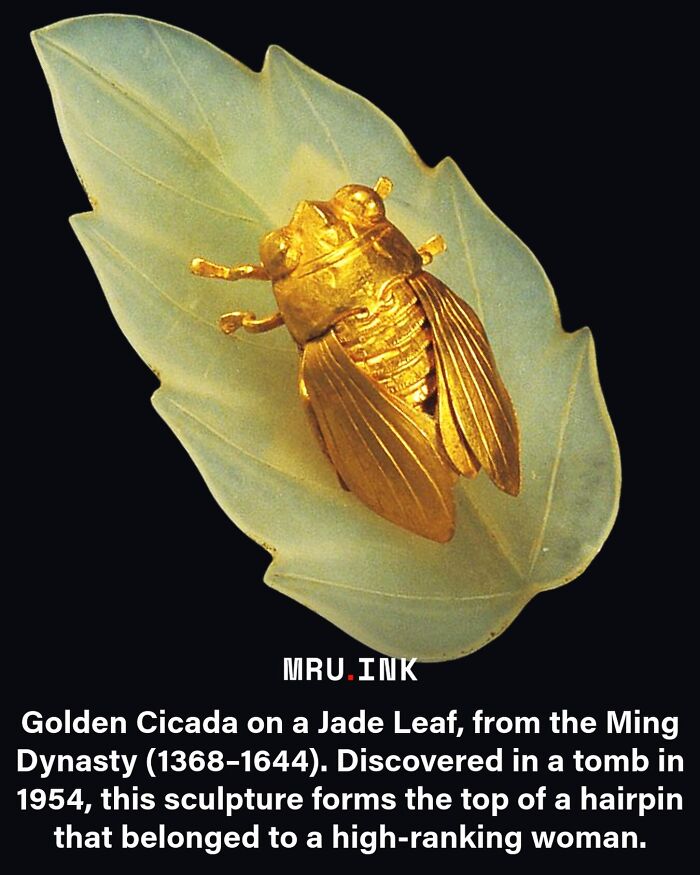
Excavated from the tomb of Lady Qian in Suzhou, this masterpiece visually embodies the Chinese idiom jinzhi yuye (“golden branches, jade leaves”), symbolizing noble birth and high status.
The cicada is crafted from 95% pure gold and represents rebirth and purity, while the lifelike leaf is carved from translucent Hotan jade. Weighing only 4.6 grams, the cicada’s ultra-thin wings highlight the absolute pinnacle of Ming Dynasty goldsmithing and luxury.
© Photo: mru.ink
#47
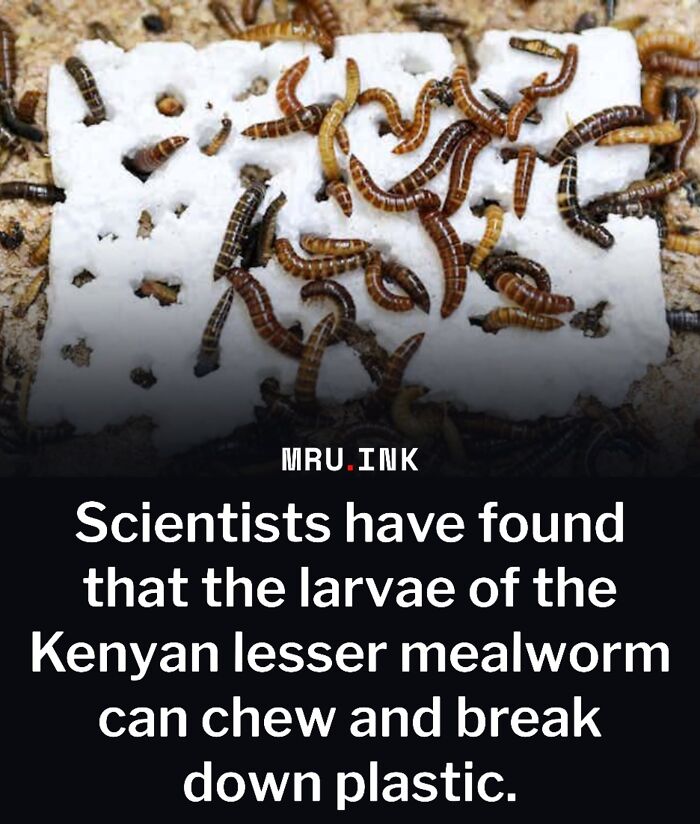
A team of scientists from the International Centre of Insect Physiology and Ecology who have found that the larvae of the Kenyan lesser mealworm can chew through polystyrene and host bacteria in their guts that help break down the material.
Polystyrene, commonly known as styrofoam, is a plastic material that’s widely used in food, electronic and industrial packaging. It’s difficult to break down and therefore durable. Traditional recycling methods – like chemical and thermal processing – are expensive and can create pollutants. This was one of the reasons scientists want to explore biological methods of managing this persistent waste.
By studying these natural “plastic-eaters”, scientists hope to create new tools that help get rid of plastic waste faster and more efficiently. Instead of releasing a huge number of these insects into trash sites (which isn’t practical), we can use the microbes and enzymes they produce in factories, landfills and cleanup sites. This means plastic waste can be tackled in a way that’s easier to manage at a large scale.
© Photo: mru.ink
#48
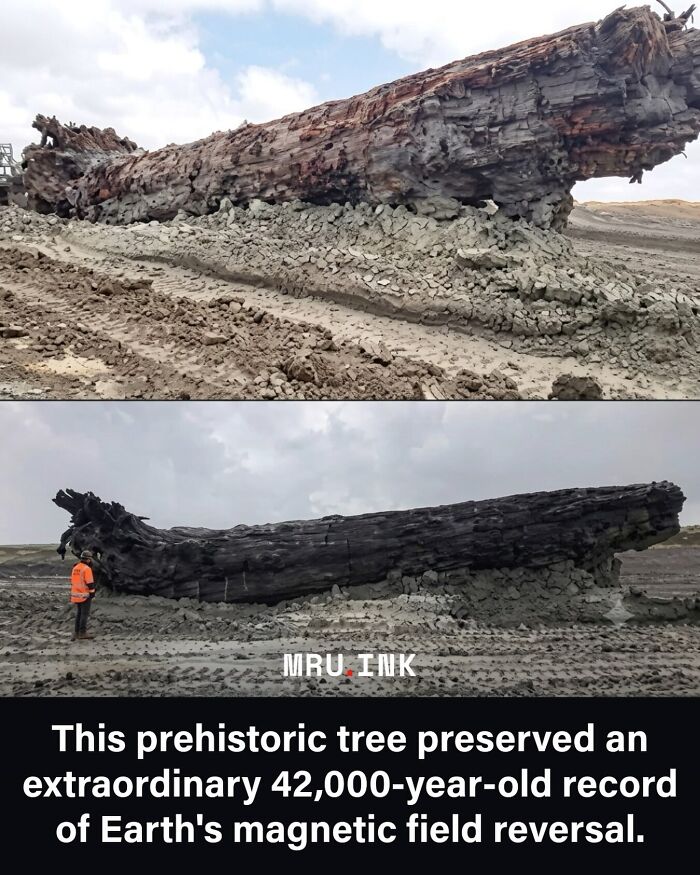
An ancient kauri tree discovered in New Zealand preserved an extraordinary 42,000-year-old record of Earth’s magnetic field reversal, known as the Laschamps Excursion. Its tree rings revealed dramatic changes in cosmic radiation and climate, giving scientists an unprecedented glimpse into one of the planet’s most mysterious geological events.
© Photo: mru.ink
#49
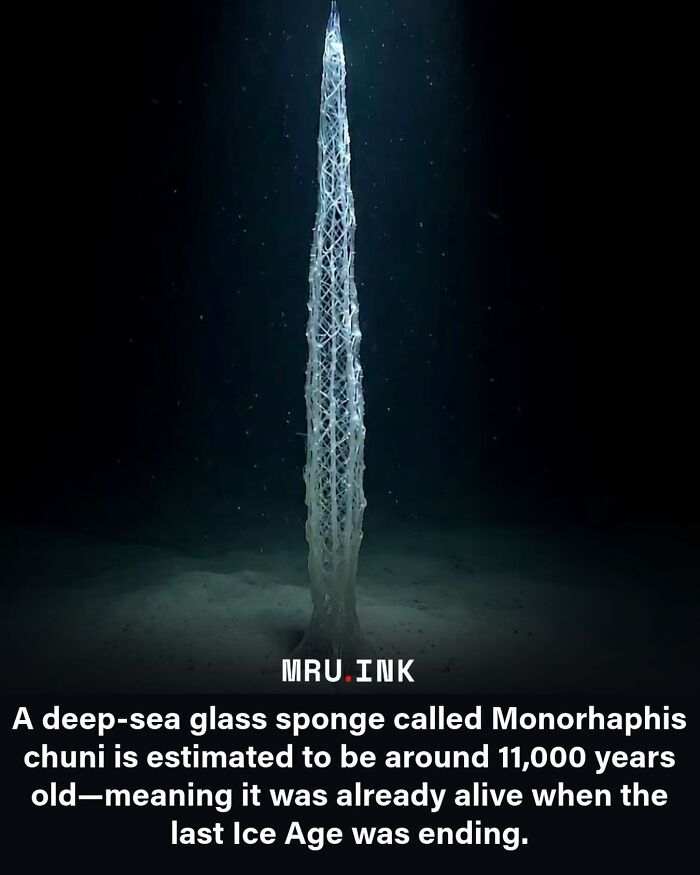
On the deep-sea floor, anchored in total darkness and near-freezing water, stands a thin glass spike that may be one of the oldest living creatures ever measured. It’s a sponge—and it has been alive since the last Ice Age was ending.
Scientists analyzed the chemistry locked inside the glassy skeleton of a deep-sea glass sponge called Monorhaphis chuni, and the layers told a story spanning roughly 11,000 years.
That means this creature was already growing when woolly mammoths still roamed the Earth, when humans were just beginning to experiment with the world’s very first agriculture, and when the Ice Age was giving way to the world we know today.
It has no brain. No heart. No muscles. It simply filters seawater, adding microscopic layers of glass to its skeleton century after century as it keeps going.
The secret? The deep ocean never rushes. No seasons. No predators. No chaos. Just cold, dark, still water—and time. Some animals measure their lives in years. This one measures its life in the rise and fall of ice ages.
© Photo: mru.ink
#50
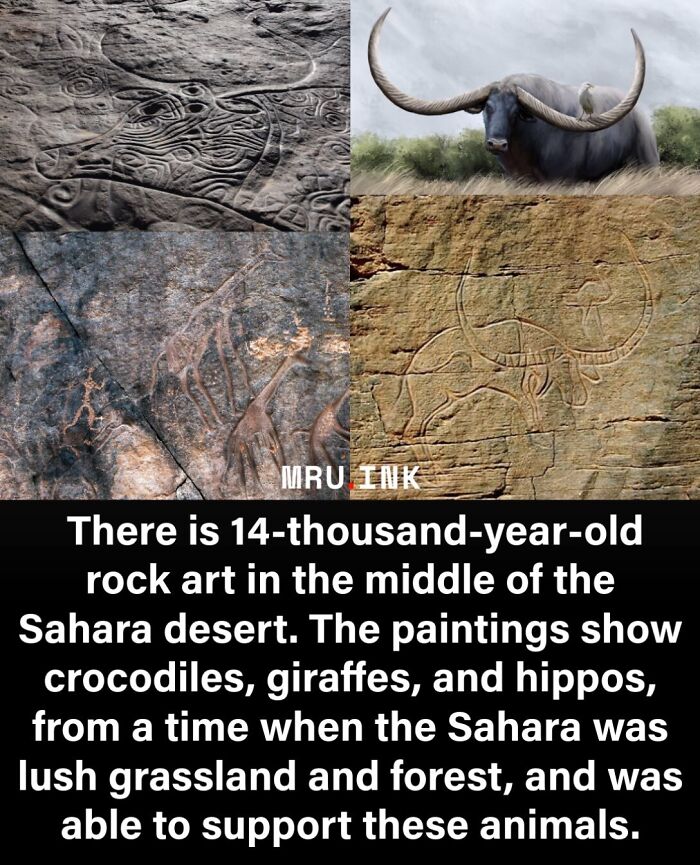
Imagine the Sahara with rivers, wetlands, and herds of giant wildlife. Thousands of years ago, that was reality. Across sites such as Tassili n’Ajjer in southeastern Algeria, prehistoric artists engraved and painted animals including giraffes, hippos, elephants, rhinos, and crocodiles—species that could no longer survive there today. These images preserve a remarkable record of the African Humid Period, when stronger monsoon rains transformed the desert into greener landscapes of grassland, lakes, and waterways. Some Saharan rock art dates back around 12,000 years, although exact ages vary by site and artwork. The stones became an unexpected archive of a vanished ecosystem.
© Photo: mru.ink
#51
Forget giant warriors—the true wonder of the 15th-century Norimitsu Ōdachi is metallurgy. Forged as a single steel blade without modern technology, maintaining precise, uniform heat across its 12.37-feet frame was an incredible engineering achievement. Blacksmiths built specialized, extended forge hearths and folded high-carbon steel continuously to avoid weak points. Created not for battle, but as a shrine offering to display supreme craftsmanship, it proved the artisan’s mastery to wealthy patrons. Would you ever attempt forging something this massive?

© Photo: mru.ink
#52
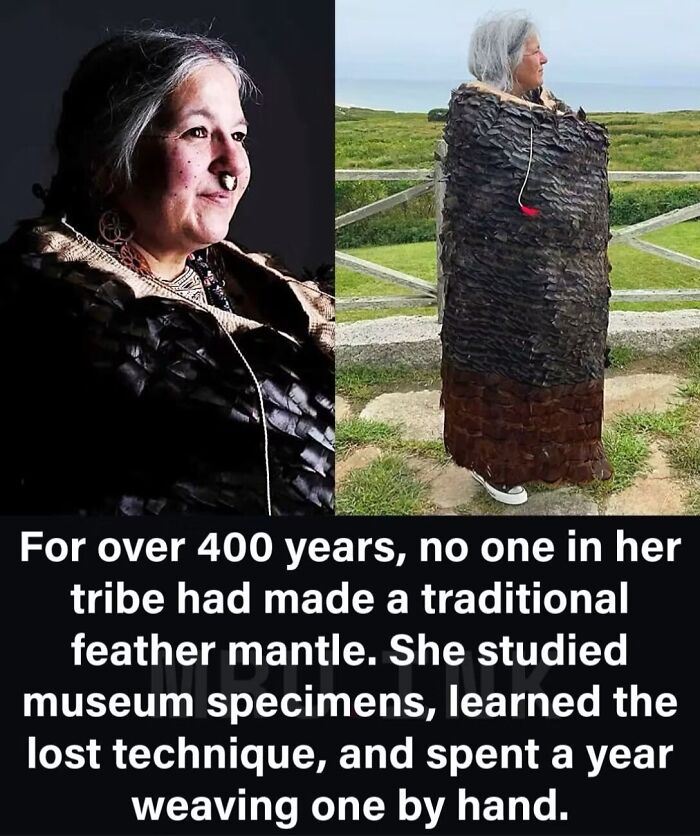
Julia Marden wearing her full-length turkey feather mantle at the Aquinnah Cultural Center in Massachusetts, 2024. Marden gained national recognition with the public unveiling of a spectacular turkey feather mantle—measuring four feet tall, six feet wide, and tailored to her body—at the Aquinnah Wampanoag Powwow in 2023.
With the production of two rows per day, each requiring approximately two hours, the project was completed over the span of a year from start to finish. Her work constitutes the first—and most historically accurate—close-twine feather mantle created in Aquinnah Wampanoag territory in the past 400 years.
© Photo: mru.ink
#53
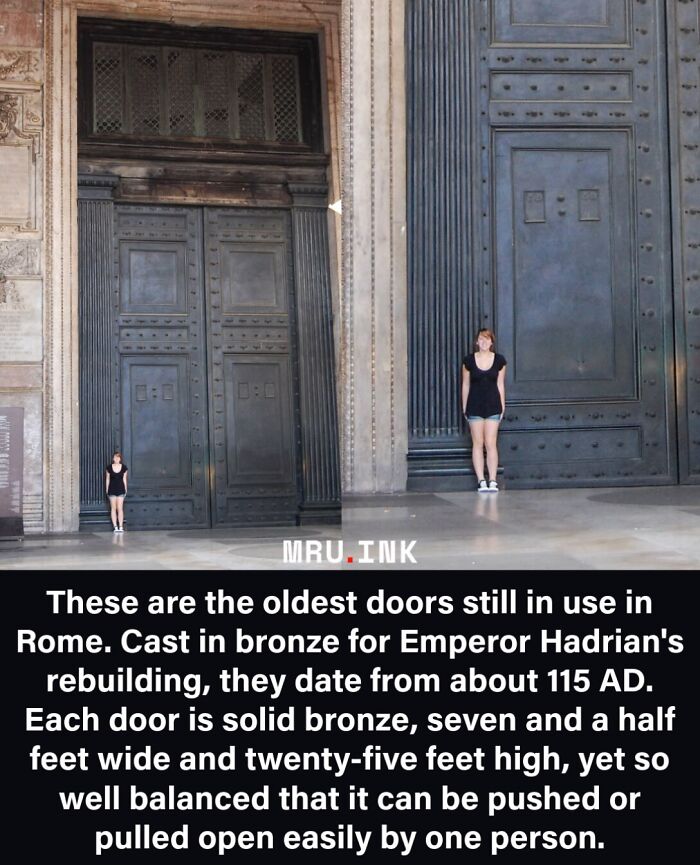
Beyond their sheer size, the Pantheon’s bronze doors hold a hidden marvel: they contain one of only two working 2,000-year-old Roman locks still in daily operation.
They also miraculously escaped being melted down for weapons during centuries of invasions and spoliation because the building was converted into a Christian church in the 7th century, preserving their ancient craftsmanship intact.
© Photo: mru.ink
#54
In 1910, an unusual animal was reportedly bred in Kolhapur, India, capturing attention because it combined the features of two of the world’s most famous big cats: a leopard and a lioness. The animal was called a leopon, a rare hybrid produced when a male leopard (Panthera pardus) mates with a female lion (Panthera leo). Unlike the familiar lion, with its powerful build and, in males, a prominent mane, the leopon can display a fascinating mixture of physical traits inherited from both parents.
The story became more remarkable when two cubs were born from the pairing. According to historical accounts, one cub died at around two and a half months old, while the other survived into its second year. The surviving animal’s skin was sent to British zoologist Reginald Innes Pocock through Walter Samuel Millard, secretary of the Bombay Natural History Society. In 1912, Pocock described the hybrid, noting that its body was covered in spots, but many were smaller, closer together and browner than those of a typical Indian leopard.
A leopon is not simply a leopard with a lion’s face. It can have a lion-like head and a sturdy body, leopard-like spots, relatively short legs and a tail with a tuft at the tip. Male leopons may also develop a short, sparse mane. Their appearance varies because they inherit a mixture of characteristics from both parents. Despite their unusual looks, they are not a separate species; they are hybrids of two closely related big cats belonging to the genus Panthera.
The experiment did not end in India. In the late 1950s, another breeding programme at Koshien Hanshin Park in Nishinomiya, Japan, produced leopon cubs in 1959, followed by more in 1962. These animals attracted attention because of their unusual appearance and behaviour, but such hybrids remain exceptionally rare. Lions and leopards have different social behaviours and ecological habits, making this pairing unlikely under natural conditions. The leopon remains a fascinating chapter in the history of captive animal breeding, demonstrating how two distinct big-cat species can produce offspring with a remarkable combination of traits.
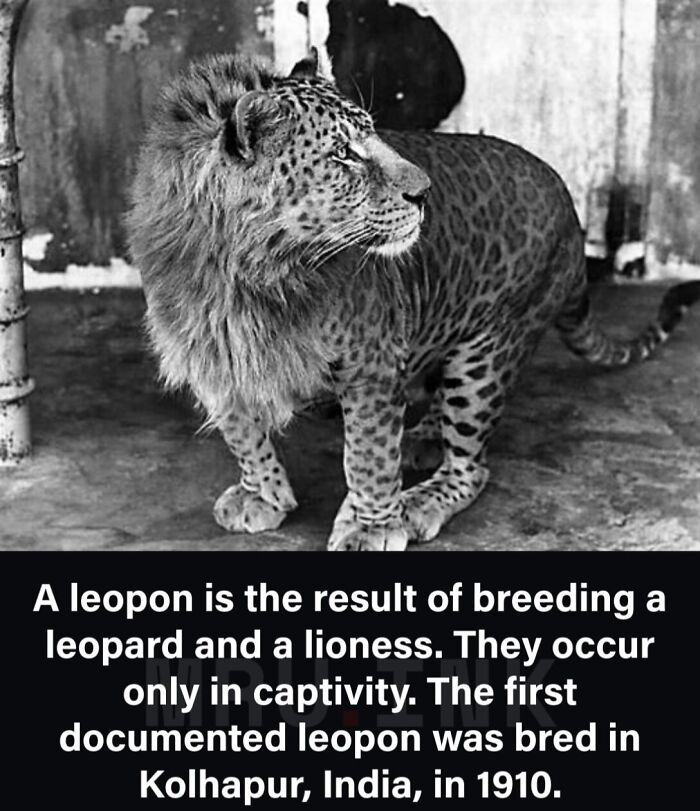
© Photo: mru.ink
#55
To pull off the giant penguin hoax, Tony Signorini and his boss, Al Williams, took a small rowboat off the Clearwater coast at night. Signorini had to balance on one leg and swing the other to gain momentum for long, 6-foot leaps in the heavy 30-pound lead feet. This technique created deep prints and convincing strides that fooled zoologists into believing an animal made them.

© Photo: mru.ink
#56
Dating back to around 350 AD, the ~1,700-year-old jadeite mosaic mask belonged to King Te’ K’ab Chaak, who was buried in a tomb lined with sacred red cinnabar. Skeletal analysis revealed the founding ruler stood 5’7” tall and was completely toothless when he died. His grave also contained Pacific Ocean shells and green obsidian imported from over 1,500 kilometers away.
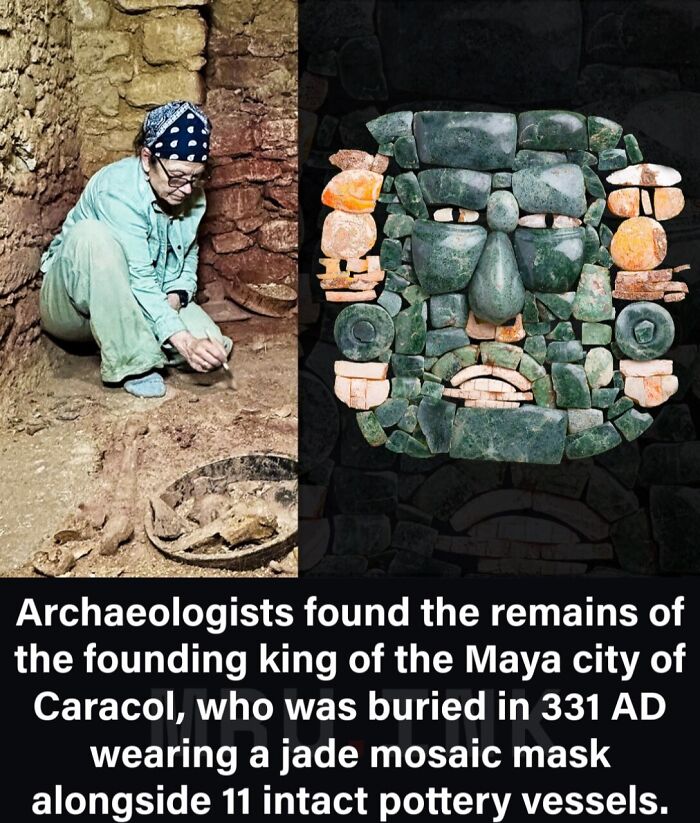
© Photo: mru.ink
#57
Beneath the waters off Egypt’s Mediterranean coast, archaeologists uncovered a remarkable stele from the lost city of Thonis-Heracleion. Dating to around 380 BC, it preserves a decree issued during the first year of Pharaoh Nectanebo I, founder of Egypt’s 30th Dynasty. The inscription reveals how closely religion and international commerce were connected: Nectanebo ordered that a portion of customs revenues from the bustling port be directed toward the temple of Neith at Sais. The discovery is especially significant because the submerged city once served as a major gateway for ships entering Egypt before Alexandria rose to prominence. History, preserved underwater.
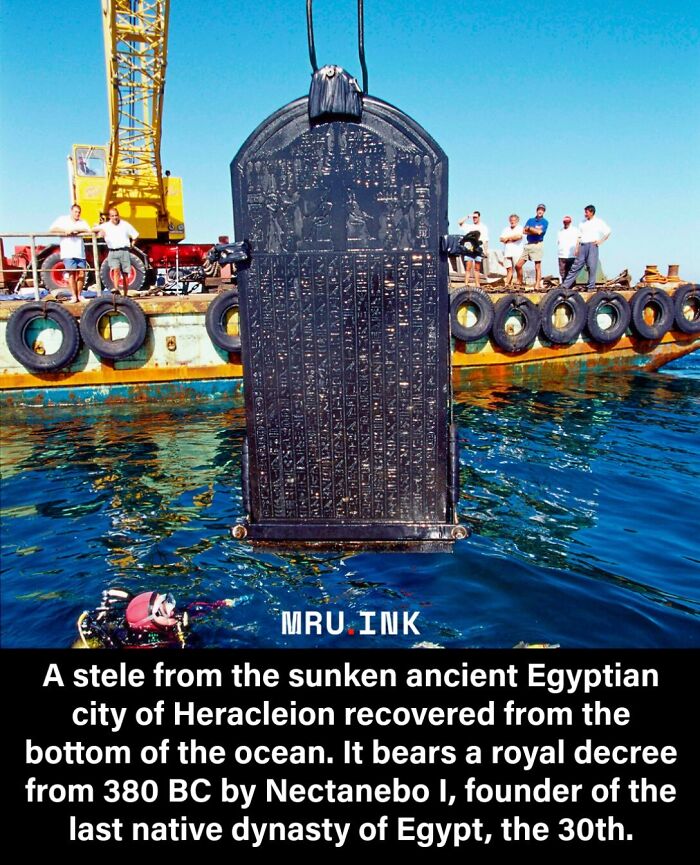
© Photo: mru.ink
#58
Found in 2008, the 5,500-year-old Areni-1 shoe is the world’s oldest. Made from a single piece of cowhide, it’s laced at the front and back and shaped to fit a right foot, measuring 24.5 cm long and up to 10 cm wide. Its incredible preservation, thanks to the cave’s dry air and a layer of sheep dung, reveals the wear of ancient steps with a compressed heel and toe.
© Photo: mru.ink
#59
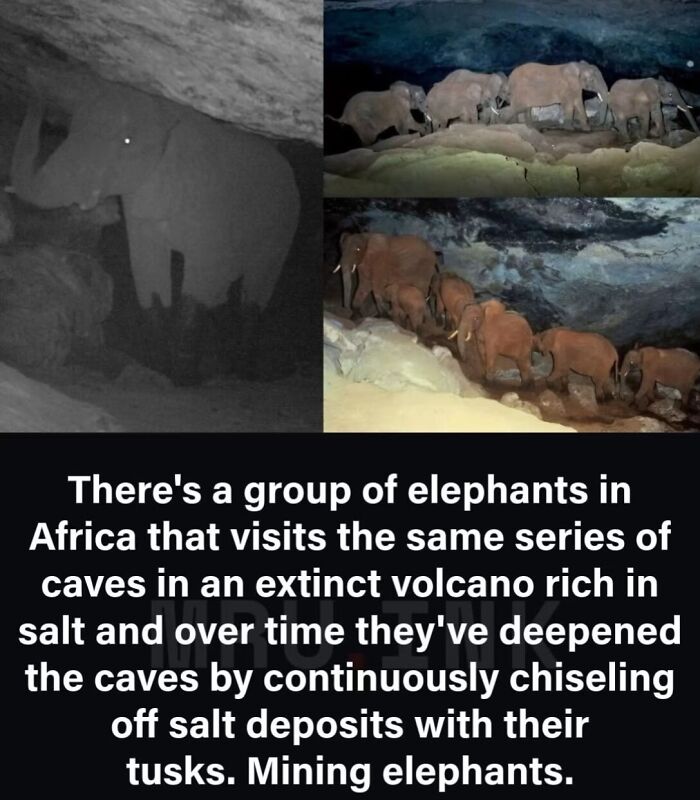
Deep beneath the African landscape, elephants have developed a remarkable way to obtain an essential mineral: salt. In certain regions, they venture into underground caves formed within ancient volcanic terrain, using their powerful tusks to scrape mineral-rich walls. Over generations, their repeated visits can gradually reshape the cave interiors. Salt provides sodium, an important nutrient that helps regulate bodily functions, particularly for herbivores whose plant-based diets may not supply enough. These underground journeys reveal just how resourceful elephants can be, using memory, strength, and learned behavior to find hidden nutrients. Nature’s original mining engineers!
© Photo: mru.ink
#60
Sacred Heart of Australia

© Photo: mru.ink
#61
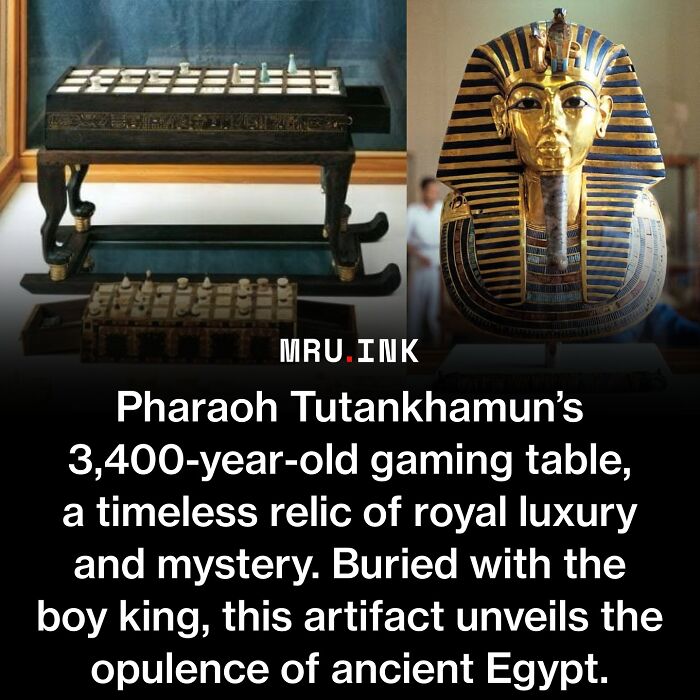
Pharaoh Tutankhamun’s 3,400-year-old gaming table, a timeless relic of royal luxury and mystery. Buried with the boy king, this artifact unveils the opulence of ancient Egypt.
© Photo: mru.ink
#62
“Swallowed by a whale” sounds like ancient folklore, but standard-issue scuba gear actually saved 56-year-old commercial lobster diver Michael Packard when a juvenile humpback engulfed him whole off Provincetown in 2021. Trapped in total darkness for nearly 40 seconds with his breathing regulator still in place, Packard was ejected feet-first when the whale surfaced and violently shook its head.

© Photo: mru.ink
#63
When the Titanic sank in 1912, thousands relied on canvas-and-cork lifejackets to keep afloat. Though over 3,500 were onboard, fewer than a dozen survive today.
These rigid 12-pocket cork vests saved lives from drowning, yet caused severe neck injuries when victims jumped into the sea. In 2026, one belonging to survivor Laura Mabel Francatelli—bearing eight lifeboat survivors’ signatures—sold at auction for over $900,000.

© Photo: mru.ink
#64
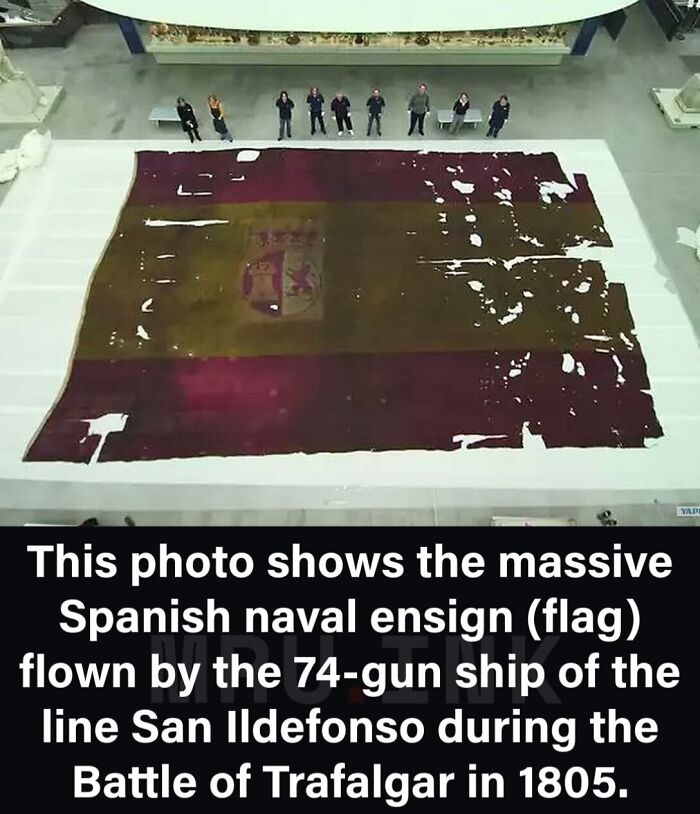
Flown by the 74-gun Spanish warship San Ildefonso during the Battle of Trafalgar (1805), this ensign spans 10 × 14.5 meters. Hand-sewn from 21 horizontal strips of lightweight wool bunting, it featured printed coat of arms rather than standard embroidery to reduce mast weight. Captured by Britain’s HMS Defence, it was inked with “SAN ILDEFONSO” along its hoist before being displayed at Lord Nelson’s 1806 funeral.
© Photo: mru.ink
#65
Fanjingshan Temple, perched above the clouds, offers a breathtaking fusion of spiritual serenity and nature’s untamed beauty - an untouched paradise where heaven meets earth. An unmissable gem for adventurers and seekers alike!

© Photo: mru.ink
#66
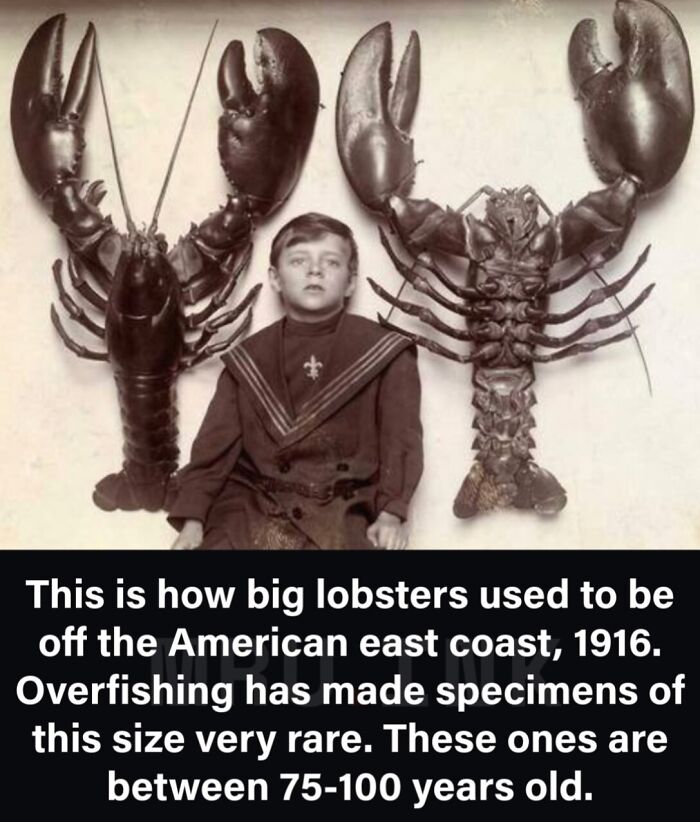
Once considered “poor man’s chicken,” lobsters were primarily used as fertilizer or fed to prisoners and indentured servants, who even revolted against eating them daily. Everything changed with the expansion of railways; train operators served cheap lobster to unsuspecting travelers who, ignorant of its poor reputation, found it decadent and sparked a nationwide demand.
© Photo: mru.ink
#67
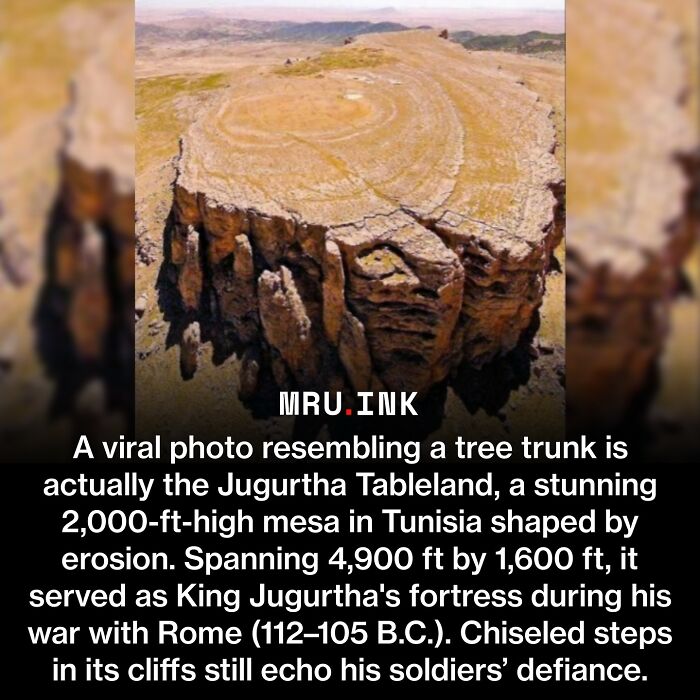
2,000-ft-high mesa in Tunisia.
© Photo: mru.ink
#68
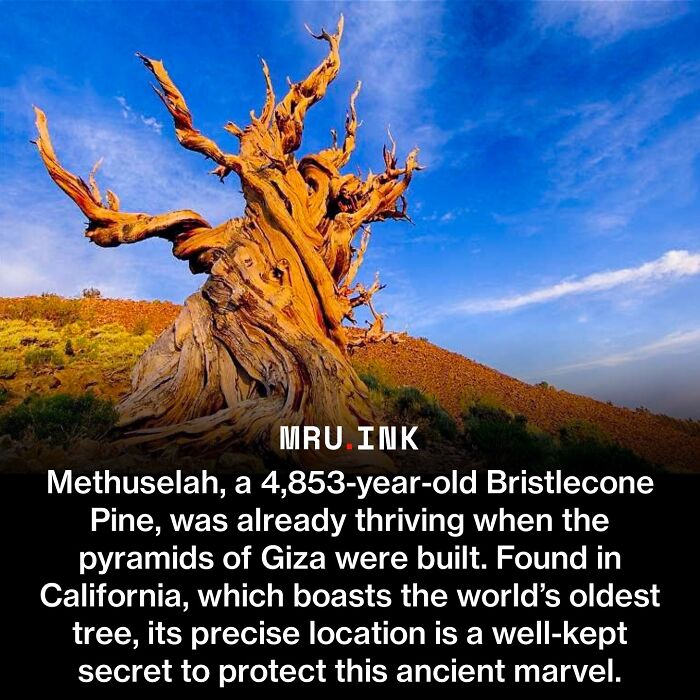
A 4,853-year-old Bristlecone Pine #ancienttrees #ancienthistory #wonderful_places.
© Photo: mru.ink
#69
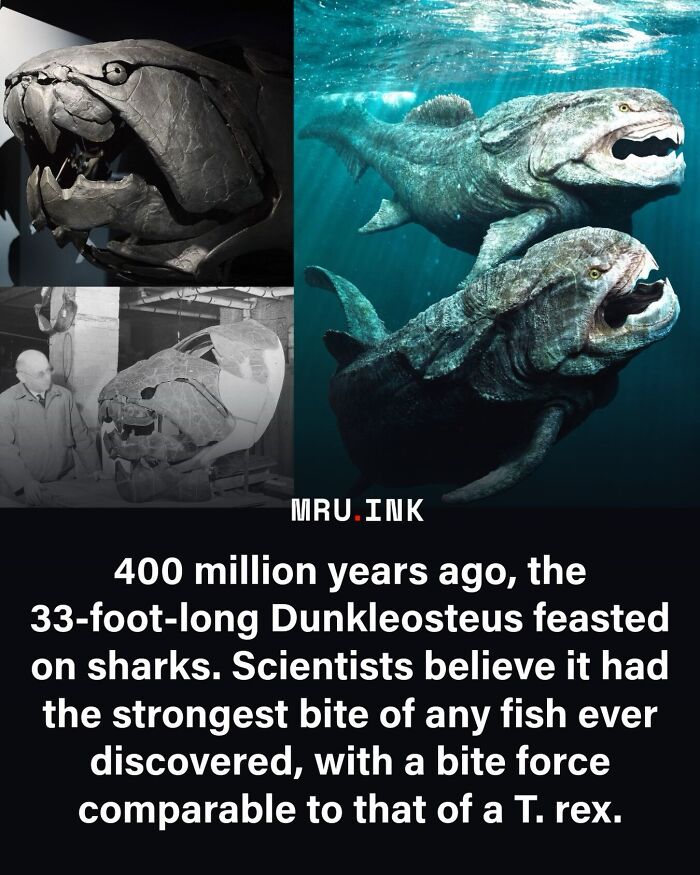
Around 400 million years ago, Dunkleosteus ruled the ancient seas as one of the most formidable predators of its time. Its massive armored head was powered by sharp, self-sharpening jaw plates that could slice through prey with remarkable efficiency. Unlike modern fish, it had no true teeth—just a terrifying set of cutting edges.
© Photo: mru.ink