If you ever spent a Friday night at your friend’s house wishing your mum was more like Kris Jenner or Gretchen Wieners’ mum from Mean Girls, the one with the wine, the no-questions-asked attitude, and a fridge that was always open, you are not alone. The cool parent household was every kid’s dream.
No curfew, no rules, cigarettes in the backyard, adults who wanted to be your friend more than your guardian. It seemed like the ideal setup. But those kids grew up. And one creator went online to ask the question nobody had thought to ask before: were they actually okay? The comment section that followed was, to put it mildly, a lot. A trauma dump tsunami opened up, and you should be checking up on your friends who grew up in a ‘cool house’.
As a kid, growing up in the ‘cool house’ is the dream, but as an adult, you might look back in horror
senivpetro / Magnific (not the actual photo)
One guy asked people online who grew up in the cool house to tell us how they are doing now as adults
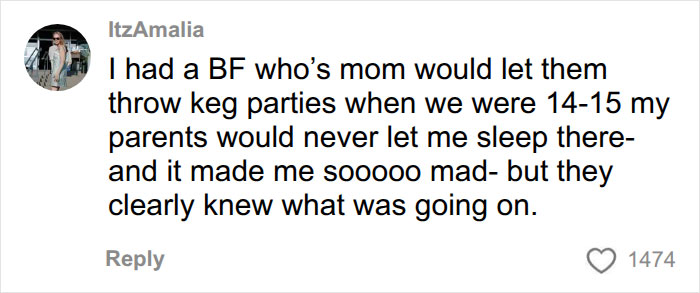
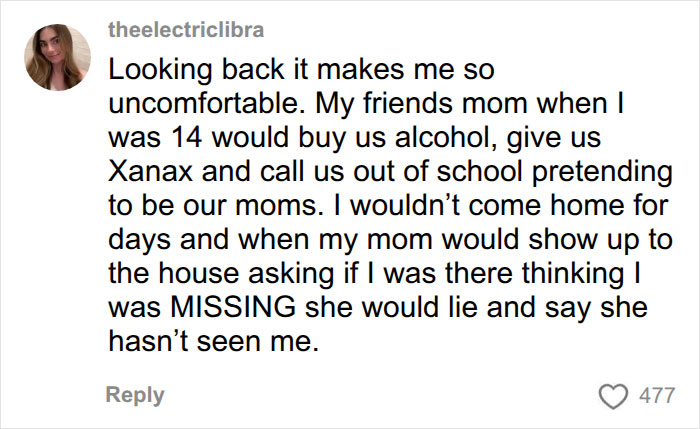
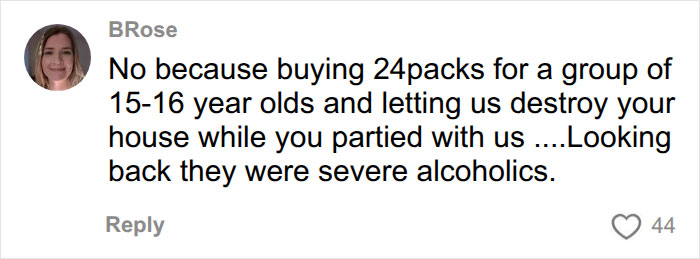
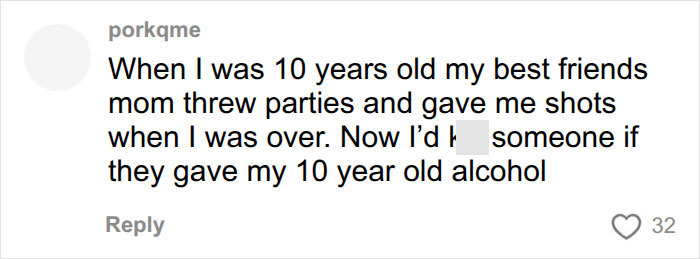
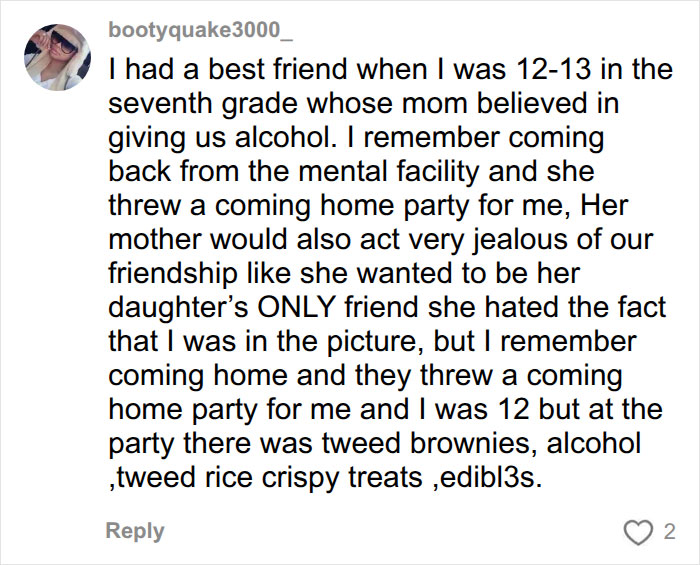
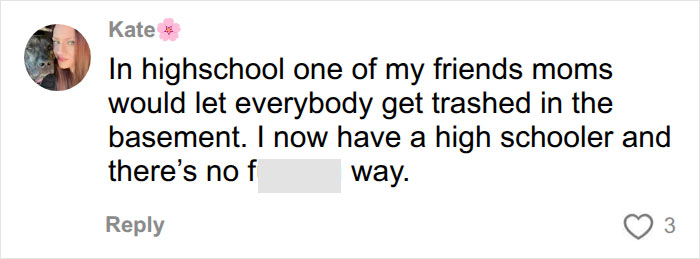
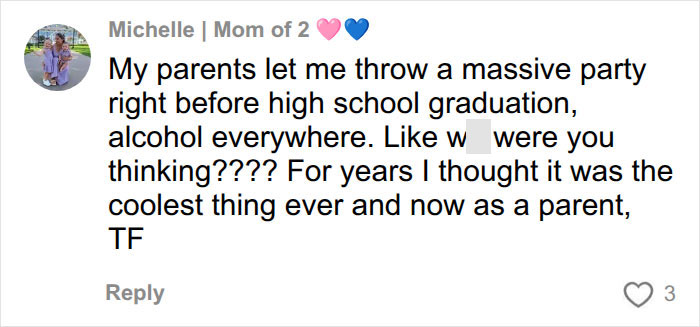
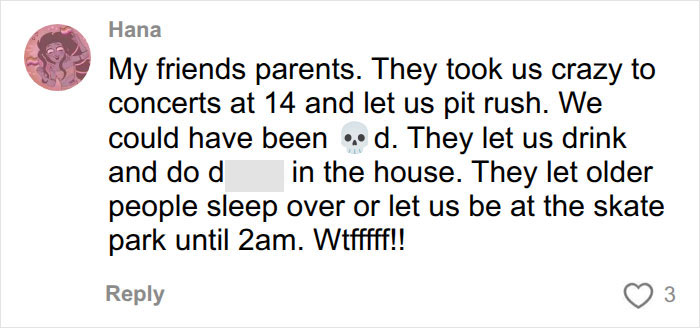
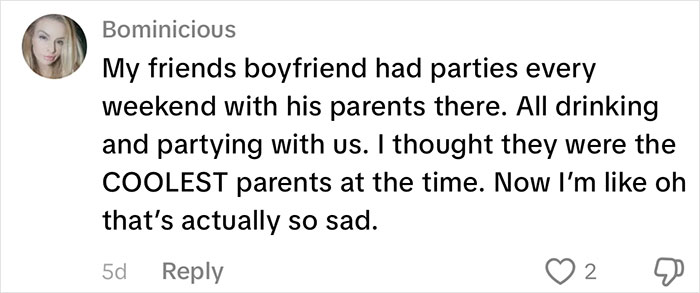
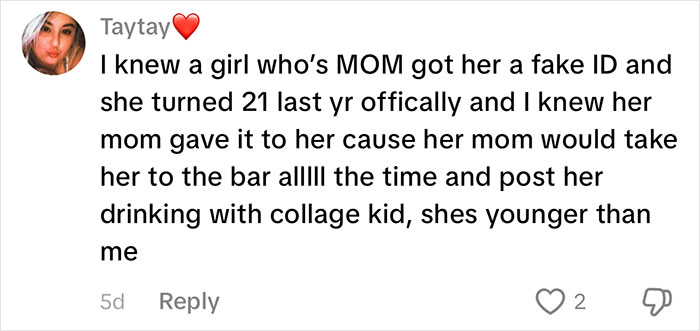
The video opened the floodgates. Hundreds of people descended on the comment section with stories that followed a very consistent pattern, and almost none of them were the fun, nostalgic reminiscences you might expect. The cool house was rarely as glamorous as it appeared from the outside. Alcohol featured heavily as parents let teenagers drink freely, supplied the drinks at parties, and joined in rather than supervised.
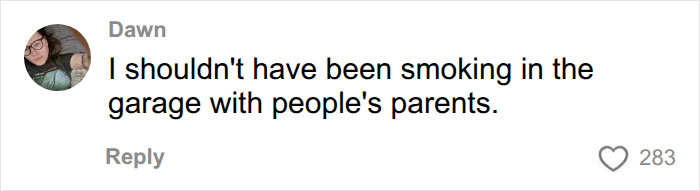
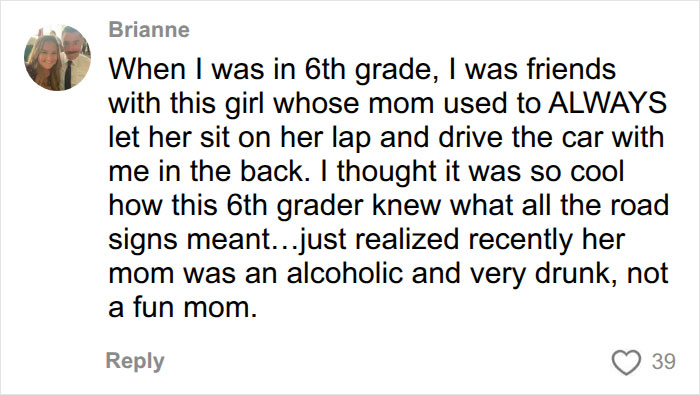
Cigarettes were another common thread, with multiple commenters describing being offered their first cigarette by a friend’s parent before they were old enough to drive. Several people described growing up in households where the boundaries between parent and peer had dissolved so completely that there was essentially no adult in the room.
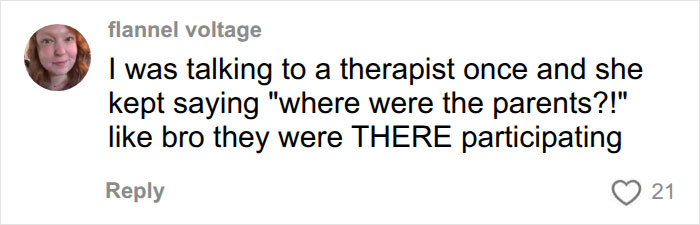
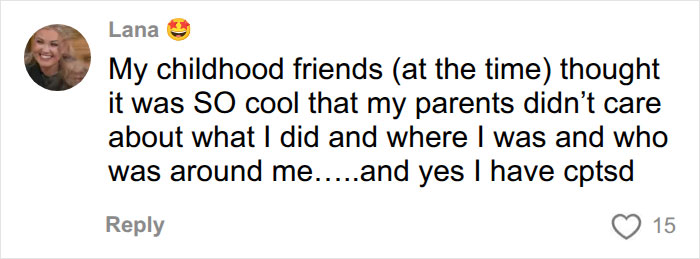
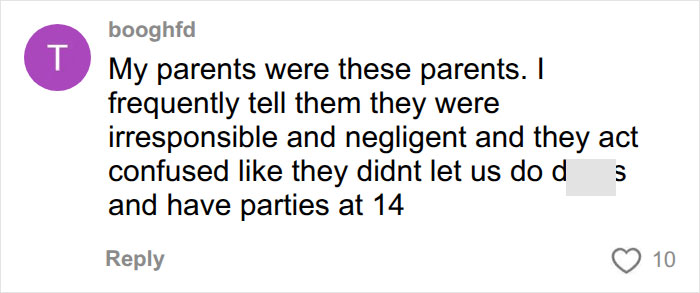
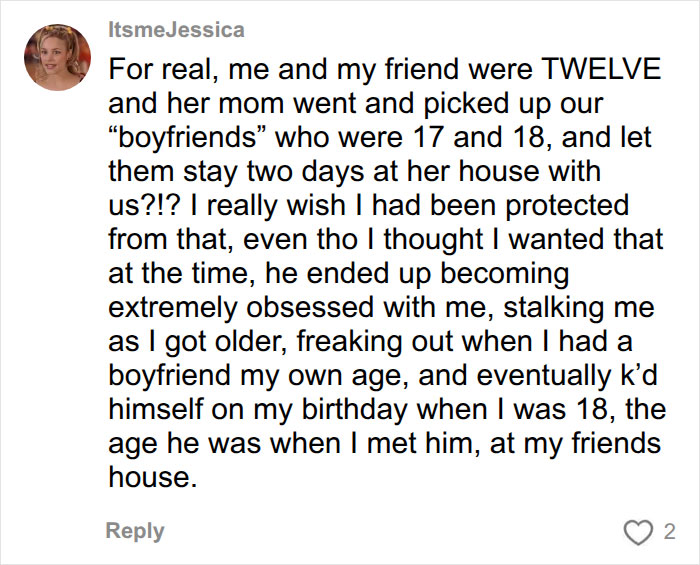
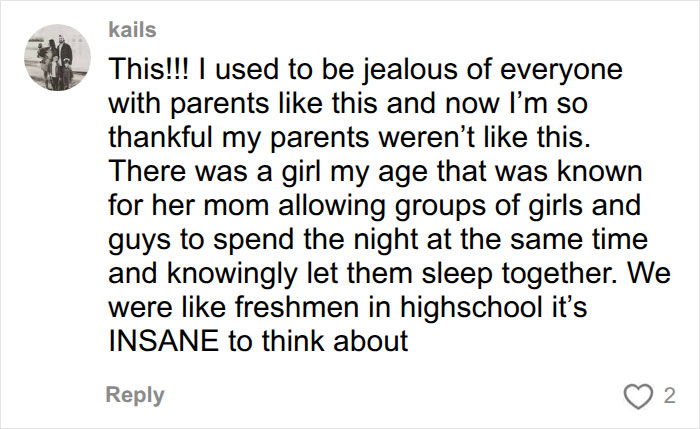
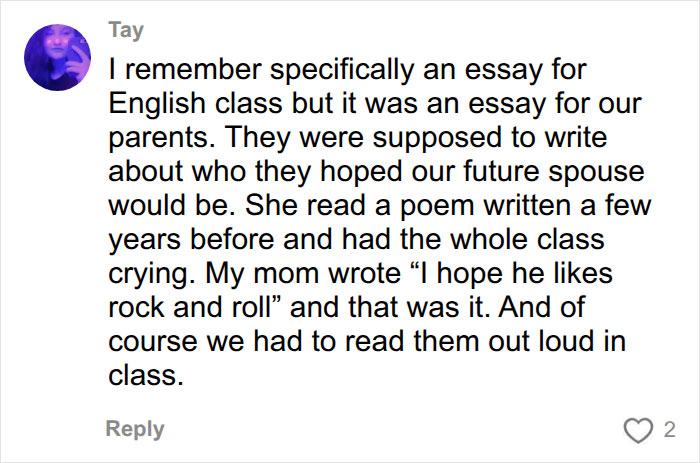
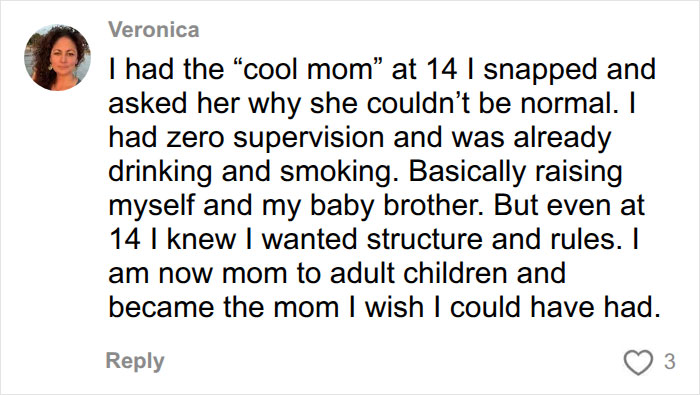
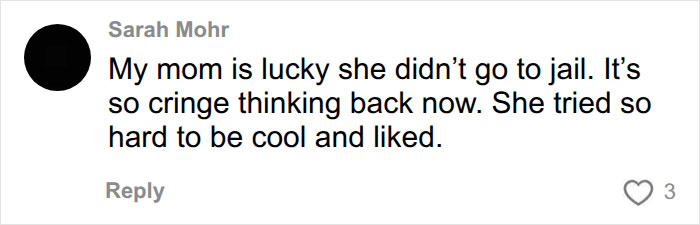
“My mom is lucky she didn’t go to jail,” one commenter wrote. “Basically raising myself and my baby brother,” wrote another. One commenter even admitted that they now suffer from CPTSD, Complex post-traumatic stress disorder. Not a word most people associate with a house that seemed fun at the time.
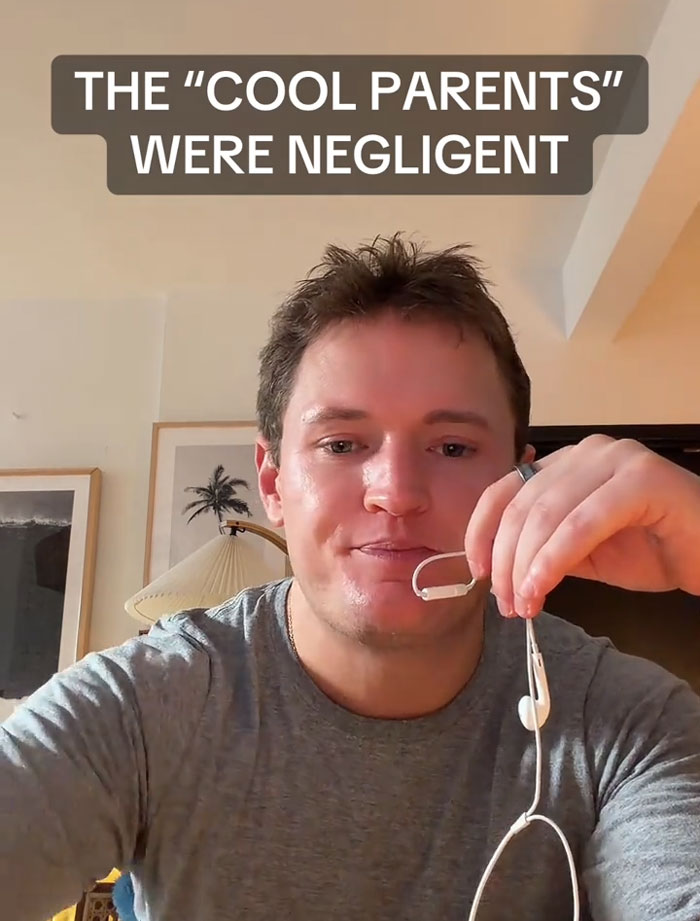
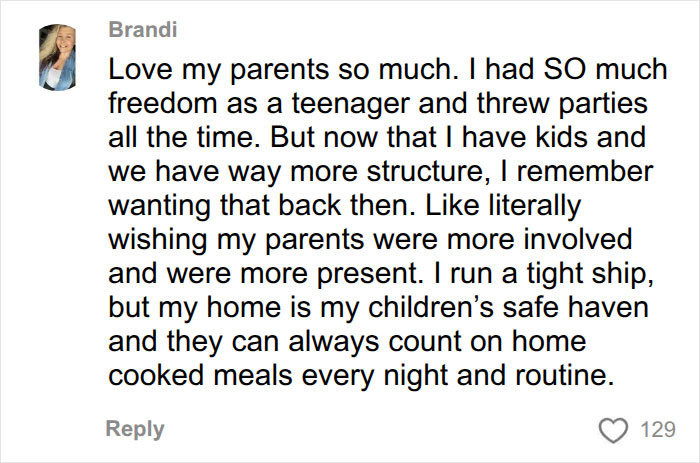
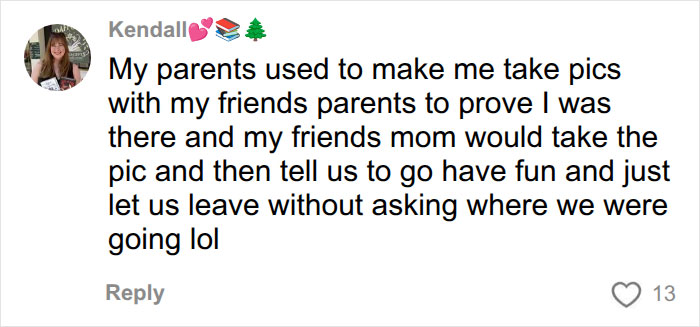
Overwhelmingly, people admitted that it was very traumatic, and they wished they could have had some structure and rules
But why do parents adopt the cool parent role? Psychologists point to several overlapping motivations. Some parents genuinely believe that a permissive, friendship-based approach produces happier, more confident children. Some are working through their own unresolved need for acceptance and validation, essentially using their children’s social circle to meet emotional needs that were never met in their own lives.
Others are struggling with their own substance use and normalising it as a household dynamic rather than confronting it. And some, perhaps the most well-intentioned of the group, simply overcorrect from their own strict upbringings, swinging so far in the opposite direction that the pendulum lands somewhere very harmful. The result, in many cases, is a household that looks like freedom from the outside and feels like neglect from the inside.
senivpetro / Magnific (not the actual photo)
Experts call this boundaryless style “permissive parenting,” and it has its benefits and drawbacks
Permissive parenting is the clinical term for the approach characterised by high warmth but low boundaries, and it paints a complicated picture. Diana Baumrind, the developmental psychologist whose foundational work in the 1960s established the four main parenting styles, found that permissive parenting produced children who were often creative and socially engaging but struggled significantly with self-regulation, impulse control and the ability to tolerate frustration or delayed gratification.
More recent research has linked permissive parenting to higher rates of anxiety and depression in adolescence, greater susceptibility to peer pressure and more problematic relationships with alcohol and substances in adulthood, particularly when substances were present and normalised in the home. The distinction that psychologists consistently draw is between warmth and structure. Children need both.
A parent who provides warmth without structure is not giving a child freedom — they are leaving them without the scaffolding they need to develop. “Kids don’t need you to be their friend. In fact, your friendship will bury them. They’re not strong enough to carry you,” writes Dr. John Delony. “Instead, kids are desperate for you to be their parent. A safe, regulated, mature adult. They need their own friends…And you need yours.”

magnific / Magnific (not the actual photo)
Looking back at this kind of childhood, people often admit they have difficulty with authority figures, because authority was never modelled or respected at home. They also have problems in romantic relationships, because the boundaries between appropriate and inappropriate were blurred so early that recalibrating them in adulthood has required significant work.
They can also show a tendency to people-please at the expense of their own needs, because in a household where the parent needed to be liked, the child learned quickly that keeping the peace was their job. Several commenters described only understanding in their thirties, often through therapy, that what they had experienced was a form of emotional neglect.
According to research, adolescents whose parents supplied them with alcohol at home were significantly more likely to develop problematic drinking patterns in adulthood than those whose parents did not, regardless of whether the intention was to create a controlled environment.
Another study by the American Psychological Association also found that children raised in permissive households showed higher levels of internalising disorders like anxiety and depression by early adulthood compared to those raised with authoritative parenting, which combines warmth with clear expectations.
The cool parents were not always the villains of the story; some of them probably thought they were doing right by their kids. But the comment section does not lie, and the kids from the cool house grew up and found their way to therapy eventually. Turns out the curfew was not the enemy after all.
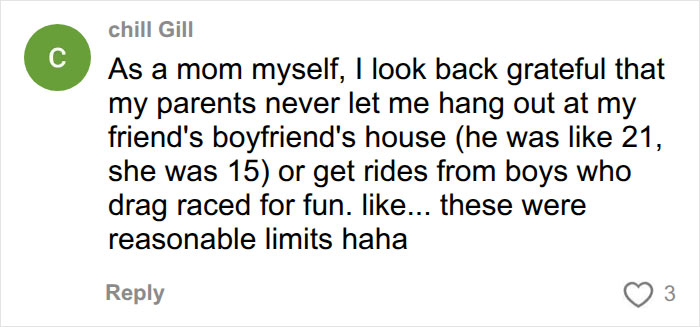
Commenters were quick to share all the rules they were able to break, and how it impacted them later in life