
Parenting has become a matter of constant scrutiny in the contemporary era, with even the smallest choices, from children’s diets to their toys, inviting unsolicited opinions.
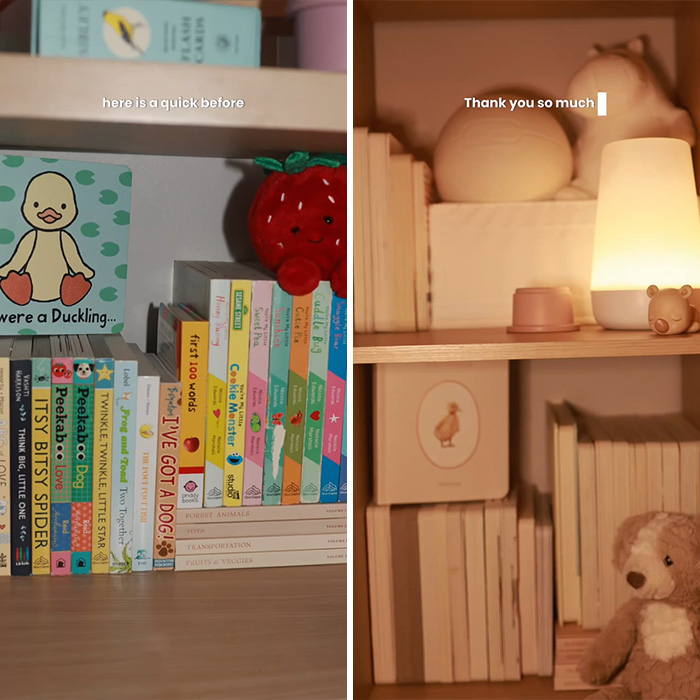
The latest subject of debate in this regard is the “beige mom trend,” which sees parents dressing their babies in neutral shades and decorating their nurseries with muted colors such as beige, cream, and white.
Critics argue that limiting babies’ exposure to bright hues could deprive them of essential visual stimulation and potentially affect their eyesight and cognitive development.
But are these concerns supported by science, or is the trend simply another reason to judge new mothers for their choices?
To find out, Bored Panda spoke to Dr. David Hunter, Ophthalmologist-in-Chief at Boston Children’s Hospital and Professor and Vice Chair of Ophthalmology at Harvard Medical School.
“Liking something isn’t the same as needing it,” he said.
A vision expert put an end to the debate surrounding the viral “beige mom trend”
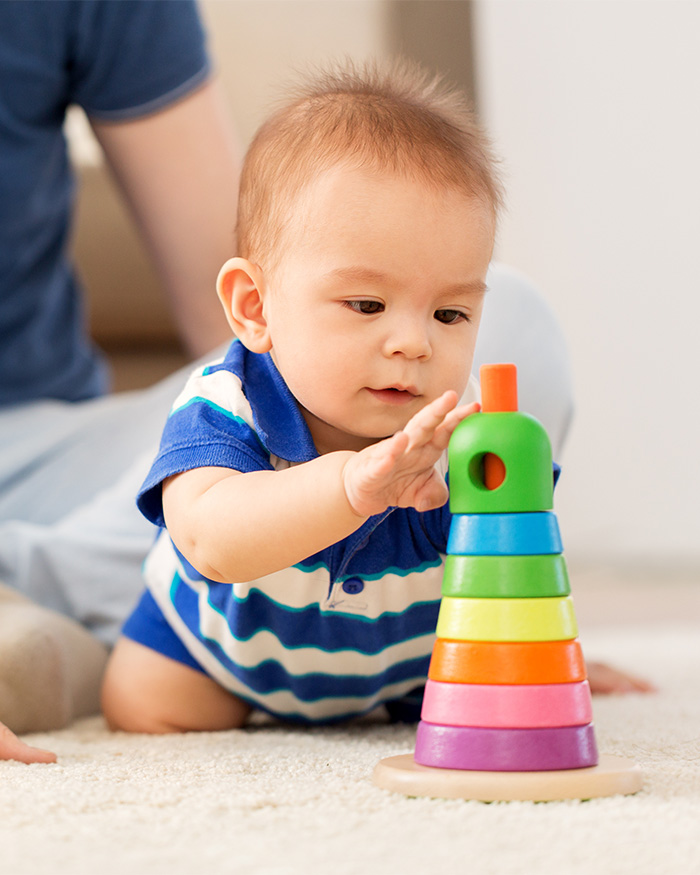
Syda Productions/Adobe Stock (not the actual photo)
Babies’ ability to recognize and distinguish colors develops rapidly during their first year, with some visual abilities emerging within weeks of birth.
“Newborns can already pick out strong reds, most babies can distinguish red from green by 2 months of age, and most can see the full range of colors by about 3 months,” Dr. Hunter said.
By four to six months, infants also begin categorizing colors in ways similar to adults, while their contrast sensitivity, which is relatively low at birth, improves considerably.
However, babies’ preference for colorful surroundings does not necessarily mean that neutral environments are detrimental to their development.
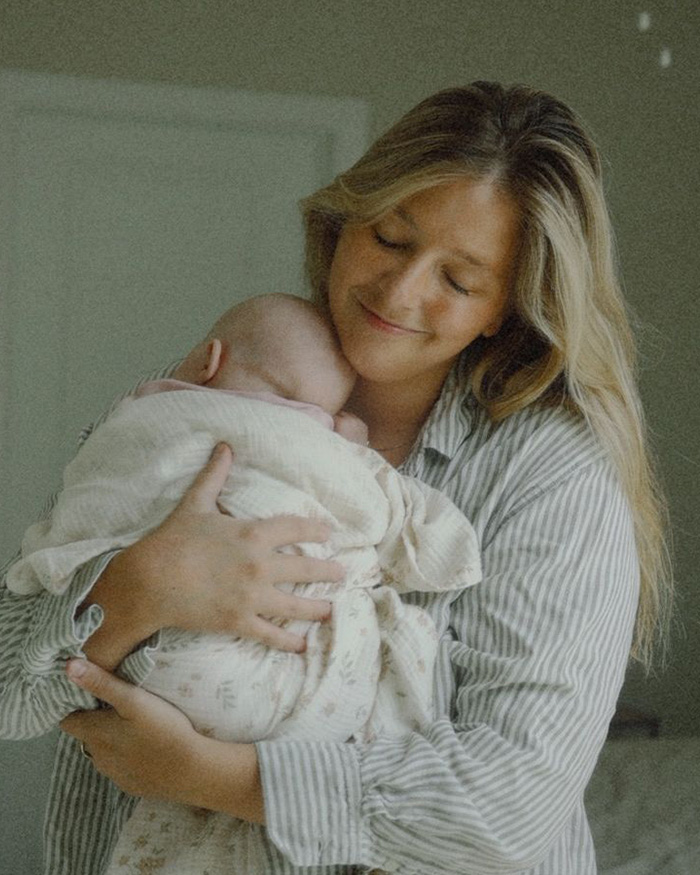
Dr. Hunter cited research on children with vision impairments to explain what the developing visual system requires.
“What we have learned from children whose vision was blocked early in life, for example by a cataract, is that the developing visual system needs a clear, focused image in both eyes,” he said.
He added that “any normal home, whether beige like a hotel conference room or rainbow like a Barney’s house, provides that.”
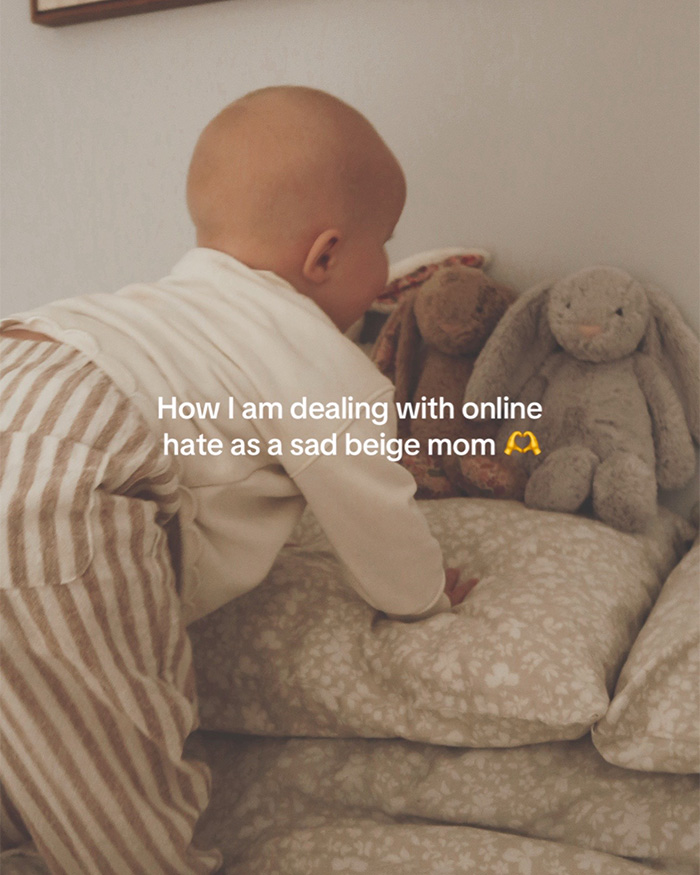
Addressing concerns about whether limited visual variety could affect a baby’s emotional or cognitive development, meanwhile, Dr. Hunter noted that there is little scientific basis for such claims.
“What might matter based on brain science is that the thing babies pay attention to is human faces, and a face with eyes and mouth standing out from the skin around them is exactly the kind of high contrast pattern a newborn’s eyes are tuned for, whatever color the walls are,” he explained.
The expert had several suggestions for parents to ensure their babies’ vision develops properly

While colorful surroundings are not a substitute for proper eye care, parents should remain attentive to their children’s visual development and keep up with regular pediatric appointments.
Dr. Hunter recommended well-child visits starting from birth, as pediatricians routinely examine babies’ eyes during these appointments.
One of the checks is the red reflex test, which can help identify cataracts and other serious eye conditions early.
The next step, Dr. Hunter said, was “to be prepared to ask the pediatrician questions about how their child’s vision is developing at each visit.”
He also identified several symptoms that should lead parents to seek an ophthalmological assessment.
@thedanispencer POV: You refuse to let “Dr. Seuss Red” destroy your home’s beige frequency. Neutrality is a love language. 🌾🤍✨🦢🧺 #BeigeMom #AestheticNursery #NeutralHome #MinimalistParenting #mamaknowsbest ♬ Aesthetic vibes – TopGoat
“When there is a possible eye problem, such as severe eye crossing in the first months of age, any eye crossing after about 4 months of age, a droopy eyelid, a white glow in the pupils in photos, or a baby who isn’t following faces by 3 months, then it is important to get an ophthalmologist to examine the child,” he explained.
Even when parents do not notice any obvious problems, routine screening remains important.
“Instrument-based vision screening should start at 18-24 months of age,” Dr. Hunter said.
What other things can parents provide to ensure their baby’s overall development?
Syda Productions/Adobe Stock (not the actual photo)
Beyond visual stimulation, parents can support their children’s early development through everyday activities that encourage communication and interaction.
Dr. Hunter recommended avoiding screen exposure during the first 18 months, with video calls involving family members being the exception.
“A growing body of research links early screen time to delays in language and attention, and screens crowd out the back-and-forth talk between parents and child that builds those skills,” he argued.
“Once any screen time is introduced after that age, it should be minimized and preferably provided only if the content is viewed together with an adult,” he said.
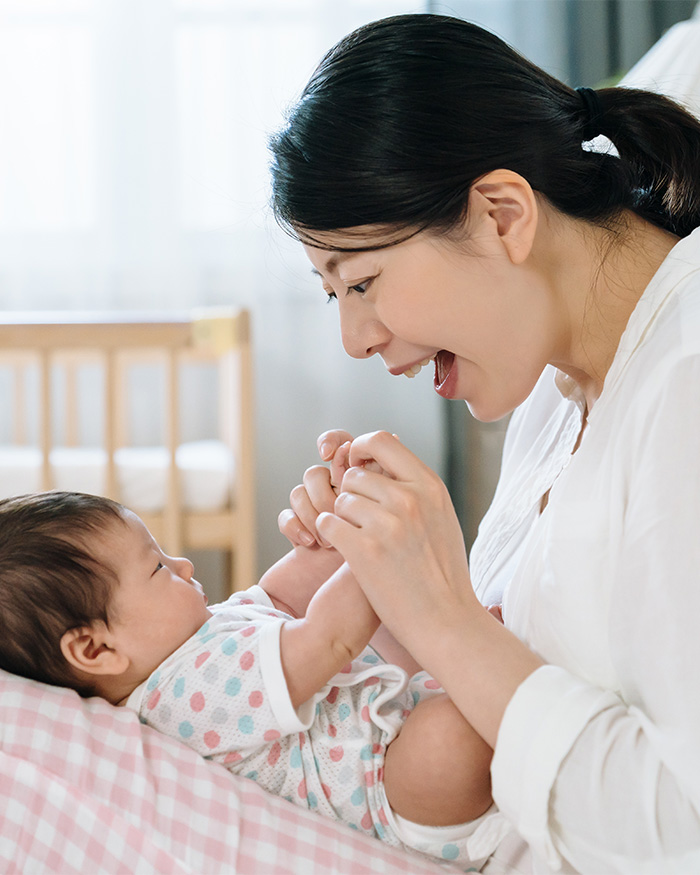
PR Image Factory/Adobe Stock (not the actual photo)
“The time this frees up is best spent talking, reading and playing face to face,” the expert added.
The American Academy of Pediatrics also recommends reading aloud to babies starting at birth.


Dr. Hunter also highlighted the benefits of spending time outdoors.
“While we want to protect newborns from direct sunlight, time outside in the shade can be healthy,” he said.
“For toddlers, outdoor play with sun protection (and avoiding peak UV hours) is great.”
“As children approach [school age], most experts recommend 1-2 hours a day outside, which lowers the risk of developing myopia,” he noted.
Lastly, Dr. Hunter called out social media-fueled parenting criticism, urging people to base their opinions on evidence.
The expert encouraged people to distinguish genuine concerns from beliefs shaped by misleading online content
@thedanispencer Are people hating on the cloud collection??🏀 this thing is so cuteeeeee #minimalist #cloudcollection #littletikes @LIttle Tikes ♬ original sound – Lina <3
“As well-meaning as the criticism might be, before speaking out it is worth making sure that their criticism is based on evidence and not the latest clickbait that their social media algorithm has fed to them,” Dr. Hunter said.

He also pointed out that unsolicited advice over minor parenting choices rarely has any positive effects.
“It is hard enough to be a parent,” Dr. Hunter said.
“Splitting hairs over whether a sippy cup should have red-and-green polka dots or be plain beige is not going to make the parent or the child (or the person giving the unsolicited advice!) even a little bit happier or healthier,” he added.
“This is depressing,” a social media user said about the Beige Mom trend