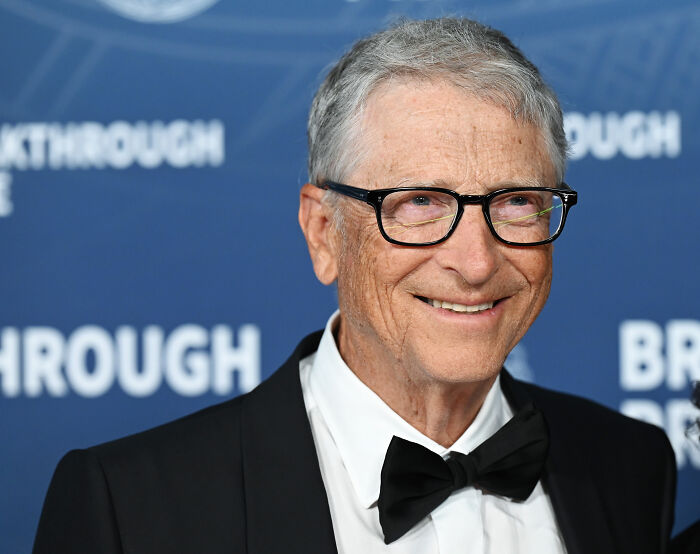
Is the 9-5 grind getting you down? Have you been daydreaming of shorter work weeks and longer weekends? While some people may laugh at your lofty ideals, Bill Gates believes a more relaxed life for all is not that far-fetched. In fact, the Microsoft founder predicts that AI can replace ‘most’ things by 2036, meaning humans will not have to work as hard.
Speaking on The Tonight Show Starring Jimmy Fallon, Gates said that while AI will be able to do the bulk of our work, there will be some things that we will reserve for ourselves. “We won’t want to watch computers play baseball,” he quipped.
“Should we just work like 2 or 3 days a week?”: Bill Gates believes it can happen within a decade, thanks to AI
“Will AI steal my job?” is a question many people have been asking over the past few years, and for good reason… According to Programs.com, more than 170,000 employees have already been affected by AI-related layoffs in 2026. That’s 13% more than the total number in 2025, and 4x the number of AI-related layoffs since since 2024.
Programs’ team says most AI-related layoffs come from big companies with more than 100,000 employees. Accenture, Amazon, Citigroup, Meta, Dell and yes, Microsoft are among those to have announced massive job cuts affecting 10,000+ employees each. In the case of Microsoft, 28,000 workers have been let go in just over a year, as the tech giant shifts resources toward AI infrastructure.
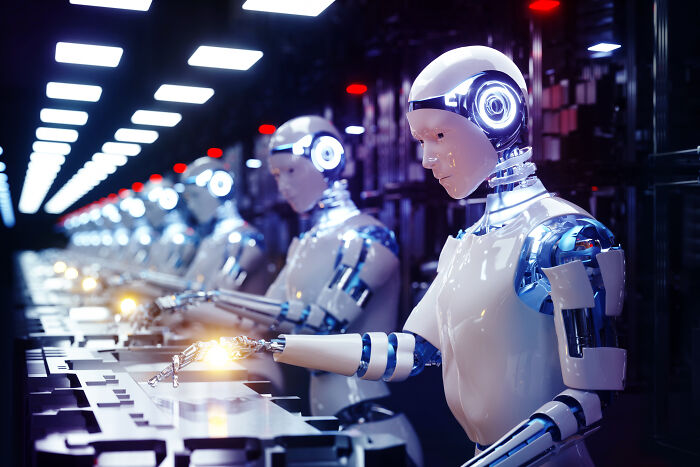
Andriy Onufriyenko / Getty images
The Stanford Institute for Economic Policy Research’s experts say that we need to dig deeper before pointing the finger squarely at AI.
“While some narrow layoffs may be connected to AI-related automation, others appear driven by a desire to free up cash flow for AI investments or to reduce headcount after pandemic-era over-hiring,” reads a 2026 report on the institute’s site. “Human resource executives say the impacts of AI are more evident in role consolidation and hiring avoidance in roles where AI can automate many tasks,” it adds.
The experts say that young graduates do face a tougher labor market nowadays due to AI advancements. That’s because junior roles often involve routine research, analysis, and writing tasks that can now largely be done with AI. “Consistent with this intuition is empirical evidence that AI may be dampening demand for new hires,” they conclude.
Meanwhile, Microsoft founder Bill Gates had many people celebrating when he told Jimmy Fallon we could be working less and relaxing more sooner than many of us might think. Gates was promoting his new memoir Source Code when the AI topic came up.
He said that we’re currently in an era where intelligence is rare. “You know, a great doctor, a great teacher,” he told Fallon. The billionaire then went on to say that within the next decade, “that will become free” and “commonplace.”

Gates believes that AI will be able to solve a lot of our problems over the next ten years. For example, the shortage of doctors or mental health professionals can be overcome with AI’s “great medical advice, great tutoring.”
It was then that he uttered the words that many people have merely been dreaming about: “Should we, you know, like just work 2 or 3 days a week?” Gates says AI will replace humans when it comes to “making things and moving things and growing food.” But there’ll be some things we’ll reserve for us, like live baseball games.
The Stanford Institute for Economic Policy Research (SIEPR) is sceptical. “No one can predict the future,” its experts say.
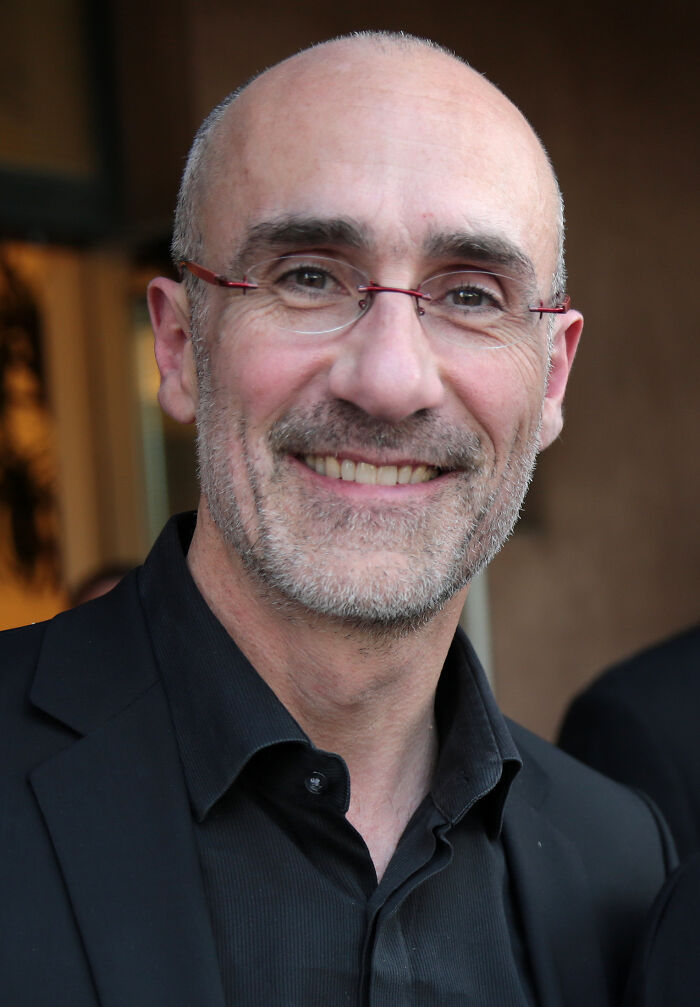
As far as Gates is concerned, “intelligence will be completely free.” That’s what he told Harvard professor and happiness expert Arthur Brooks during a sit down in 2025. He said that unlike the first PCs, which merely amplified human capabilities, AI now has the potential to replace them. While computing was once about making existing tasks more efficient, AI can now redefine what tasks humans delegate to people or to machines, he explained.
But Gates notes that it’s not all positive. “[Sometimes when] you empower humans, it doesn’t always get pushed in the right direction,” he said, referring to AI’s ability to twist narratives if it falls into the wrong hands.

Geoffrey Hinton, who has become known as the ‘Godfather of AI’, has also warned of the negative impact that AI could have. He says that “scary” robots can increase the wealth gap and “make society worse.”
“It’s because we live in a capitalist society, and so what’s going to happen is this huge increase in productivity is going to make much more money for the big companies and the rich, and it’s going to increase the gap between the rich and the people who lose their jobs,” he cautioned.
With many people feeling stressed and overworked, there’s no doubt that a shorter work week can be beneficial to our mental health. And many companies around the world have been testing out this model. Microsoft Japan, Bolt, and Kickstarter are among those that have adopted a 4-day workweek to enhance work-life balance and productivity.
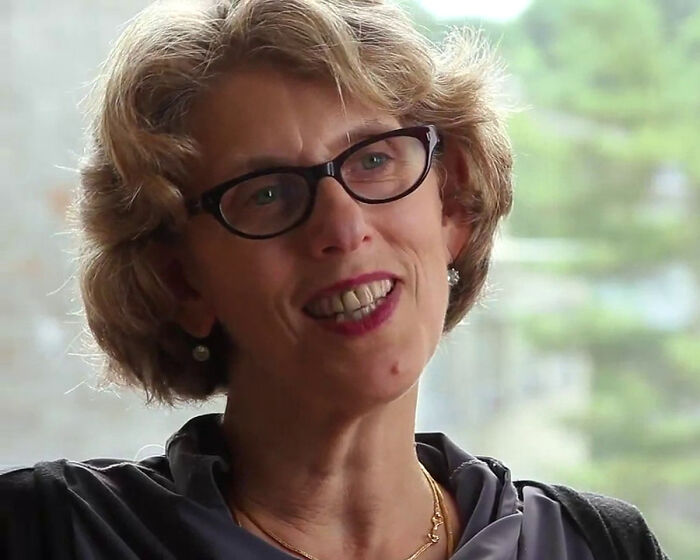
Juliet Schor, a Boston College sociologist says there’s evidence that reducing the number of hours or days we work can help prevent burnout. ‘The results are really stable. It’s not a novelty effect,” she notes. “People are feeling really on top of their work with this new model.”
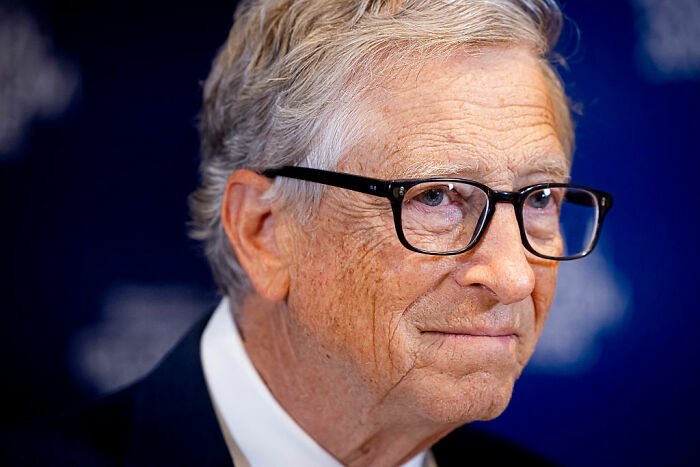
Patrick van Katwiik / Getty Images
Back in 2023, Gates wrote that there’s the possibility that AIs will run out of control. “Could a machine decide that humans are a threat, conclude that its interests are different from ours, or simply stop caring about us?”, he pondered. “Possibly, but this problem is no more urgent today than it was before the AI developments of the past few months.”
Despite any criticism, Gates remains excited, and sees AI advancement as a positive step for the human race.
“Once developers can generalize a learning algorithm and run it at the speed of a computer… It will be able to do everything that a human brain can, but without any practical limits on the size of its memory or the speed at which it operates. This will be a profound change,” he wrote.
Watch Bill Gates talk about AI on The Tonight Show Starring Jimmy Fallon here:
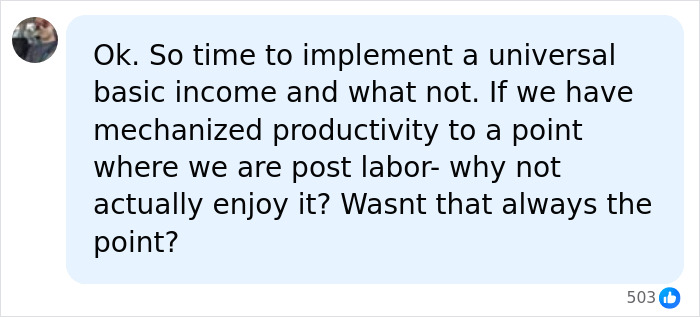
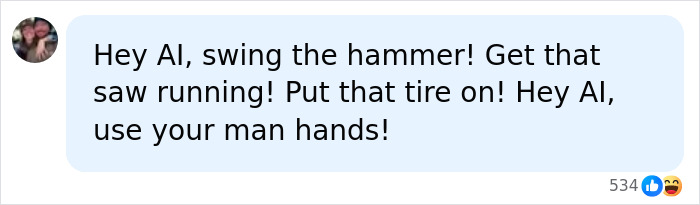
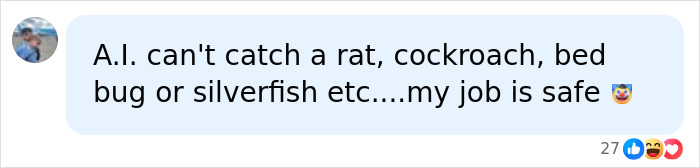
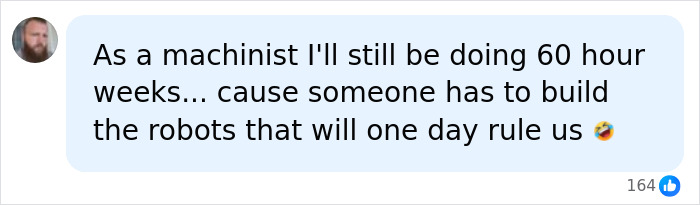
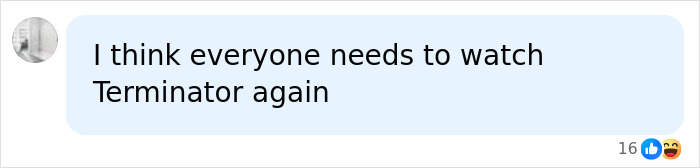
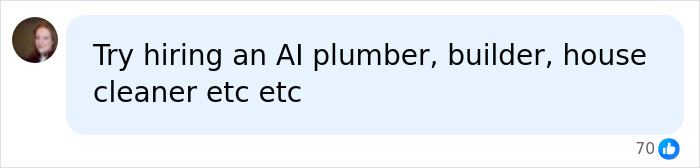
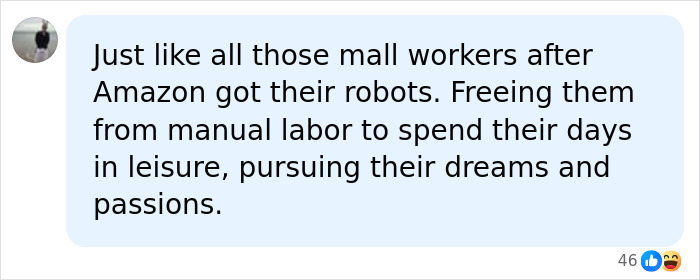
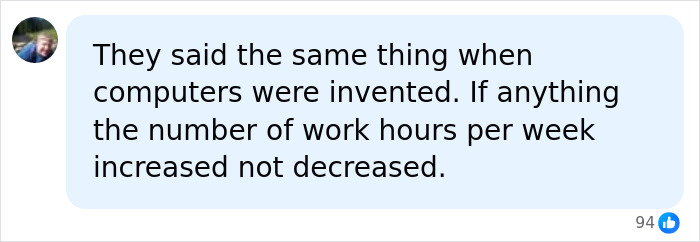
“Maybe 1,000 years”: Many people have taken Gates’ prediction with a pinch of salt