
Key U.S. Treasury yields surged to fresh two-decade highs Thursday, as the price of oil jumped to as high as $108 per barrel.
The yield on the 30-year U.S. Treasury bond soared as high as 5.47%, a level not seen in 22 years.
After posting its biggest one-day rise since April 2025, the yield on the 10-year U.S. Treasury bond continued advancing on Thursday. In early trading it climbed as high as 5.18%. That remains its highest level since 2007.
Due to the influence that the 10-year yield has over consumer borrowing rates, the average 30-year fixed mortgage rate jumped to 7.37% on Thursday, its highest level since May 2024.
Meanwhile, oil prices jumped again overnight after a mediated U.S. dialogue with Iran at the United Nations General Assembly produced no tangible evidence of any progress toward ending the seven-month war.
Much of the day’s gains in oil were reversed shortly after midday Eastern time, following a Reuters report that U.S. and Iranian negotiators are exploring a phased path out of the war. The path reportedly involves Tehran reopening the Strait of Hormuz, according to Reuters’ multiple unnamed sources.
NBC News has not confirmed the Reuters report.
However, the reversal was short lived and international Brent crude oil continued rising by more than 4.5% to more than per $107 barrel. U.S. crude oil was still up more than 3.5%, at nearly $96 per barrel.
Since the start of the year, both Brent and West Texas Intermediary crude are up more than 60%.
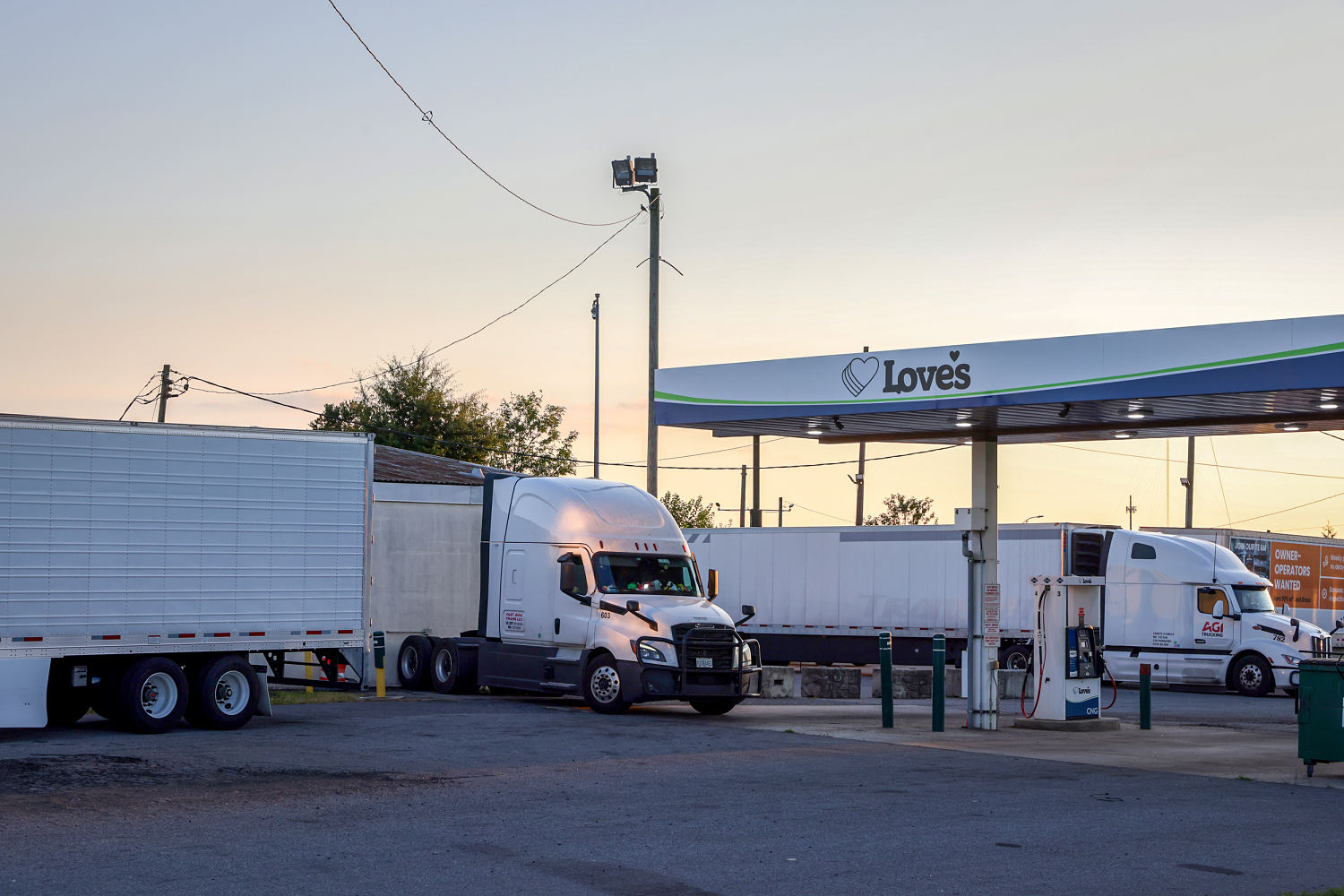
Those rising oil prices have continued to push commercial diesel fuel prices to all-time records. On Thursday, the national average price for diesel was $6.51, effectively unchanged from a day earlier, but up 73% since the Iran war began.
Likewise, the national average price of regular unleaded gas was 50% higher Thursday than it when the U.S. and Israel attacked Iran in late February, at $4.48 per gallon.
Stocks fell in early trading, but like oil, sharply reversed course on the Reuters report. The S&P 500 erased a drop of 0.5%, while the Nasdaq Composite erased a 0.9% slip. Both indexes were trading flat around 2 p.m. ET.
A global sell-off
Around the world, the bond sell-off is roiling sovereign debt markets.
“The acceleration higher in US rates yesterday is being felt globally as to highlight for the umpteenth time that we’re all in this global bond boat together,” wrote Peter Boockvar, chief investment officer at OnePoint BFG Wealth.
The yield on Japan’s 10-year bond rose to its highest level since 1996 on Thursday, while Germany’s 10-year bund notched its highest yield since 2009.
“As summer officially ends, macro data are still fairly solid in the US, as indicated by a 4%-type unemployment rate and 2%-ish growth,” wrote Bank of America’s global rates analysts.
“But the risks continue to pile up for anxious markets,” they added, pointing to ongoing trade wars, the energy supply shock, upcoming midterm elections and potential risks to the AI boom.
One major driver of the surge in bond yields this week was a report from S&P Global, released Wednesday morning, that found that while U.S. business activity accelerated in September, “firms’ input costs have meanwhile jumped in September at the steepest rate for four years, with fuel and transport costs spiking higher.”
That led investors and traders to ramp up their bets on Fed rate hikes.
Federal Reserve Bank of New York President John Williams said the central bank still has more work to do to help bring down inflation.
It’s “likely that another rate hike may be appropriate by the end of the year,” Williams said during a speech in London Thursday.
Nonetheless, he said, the U.S. economy has demonstrated “remarkable resilience” in the face of “significant shocks” hitting it.
Another key official, Anna Paulson, president of the Philadelphia Fed, said Thursday that she too expects “some modest further tightening may be warranted.”
In central banker parlance, tightening refers to raising rates.
Bessent’s next move
The rise in bond yields has continued despite a series of measures taken — and warnings delivered — by Treasury Secretary Scott Bessent earlier this month.
“I am the house now,” Bessent said on Sept. 8, “and you can bet against me if you want.”

At the time, Bessent was defending a Treasury Department intervention to help prop up the Japanese yen. The hope was that a stronger yen would relieve pressure on the Japanese government to sell U.S. Treasury bonds.
But it hasn’t entirely worked, and as of Thursday, the Japanese yen had again weakened to levels on par with it’s exchange rate against the U.S. dollar from early September.
Bessent has also intervened in the U.S. bond markets, buying back longer-dated Treasurys in an effort to keep their yields low.
The next test for Bessent’s plan will arrive later on Thursday, when the Treasury Department is set to buy back up to $6 billion worth of 20- to 30-year bonds.
In response to the department’s initial buyback earlier this month, bond yields rose — exactly the opposite reaction from what the administration intended.
But Bessent has brushed off the stumble, insisting that the U.S. bond market is still the “best performing” in the world and crediting President Donald Trump for it.
“If some of the Bloomberg Terminal bros are unhappy with what I’m doing, well, that’s too bad,” Bessent said in an interview on Sept. 10.
But not everyone is entirely convinced by Bessent’s swagger.
“US Treasury Secretary ‘House’ Bessent seems to be demonstrating the house does not always win,” wrote Paul Donovan, the chief economist at UBS Global Wealth Management, on Thursday morning.
CORRECTION (Sept. 24, 2026, 2:19 p.m. ET): A previous version of this article misstated Thursday’s national average price for diesel. It was $6.51, not $4.51.