Choosing the childfree life is a commitment. It shapes the house you buy, the career you prioritise, the holidays you take, and the future you build together. For many couples, it is the entire architecture of their existence, not just a choice. So when a Facebook message arrived out of nowhere announcing that a five-year-old boy existed and that her husband was his father, this woman was understandably thrown for a loop that no amount of planning could have prepared her for.
What followed across three updates and several years is one of the most honest, complicated, and ultimately wholesome stories the internet has ever had the privilege of following. Nobody behaved perfectly, yet everyone tried their best. And the family that emerged at the end looked nothing like anything any of them had planned.
The childfree life is a commitment, one that most couples design their whole life around

magnific (not the actual photo)
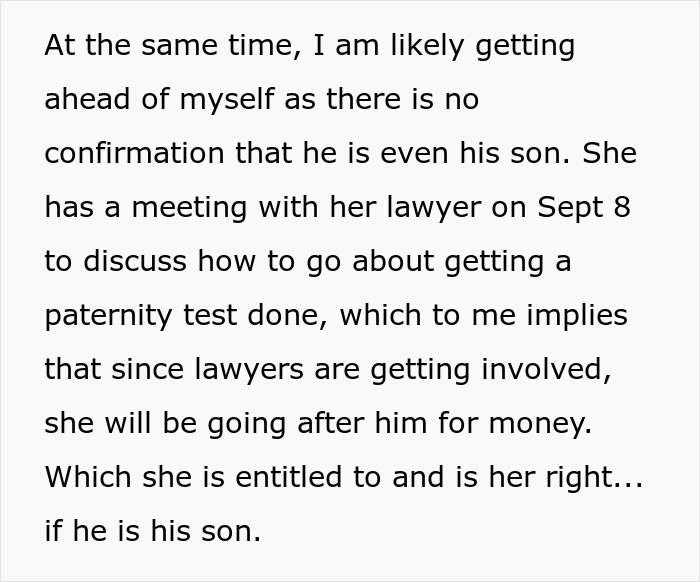
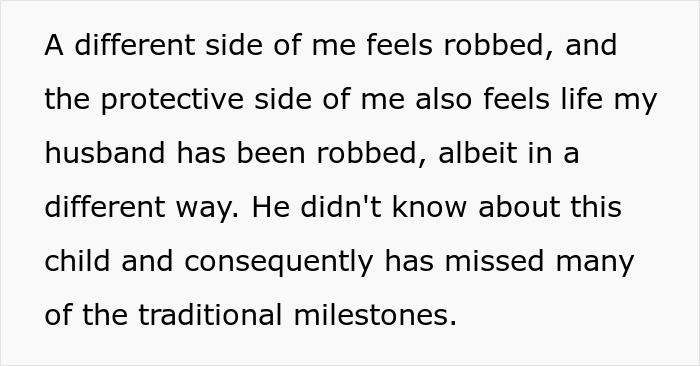
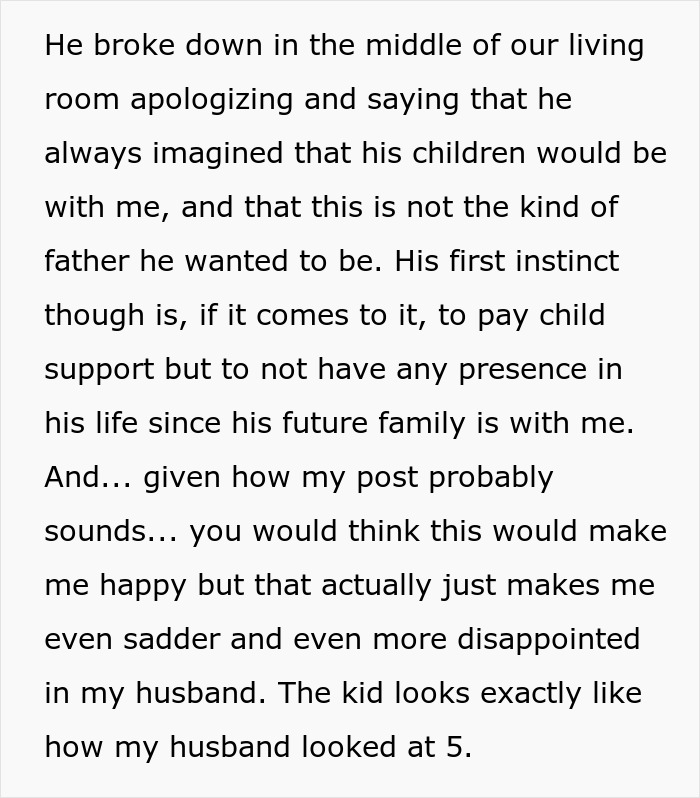
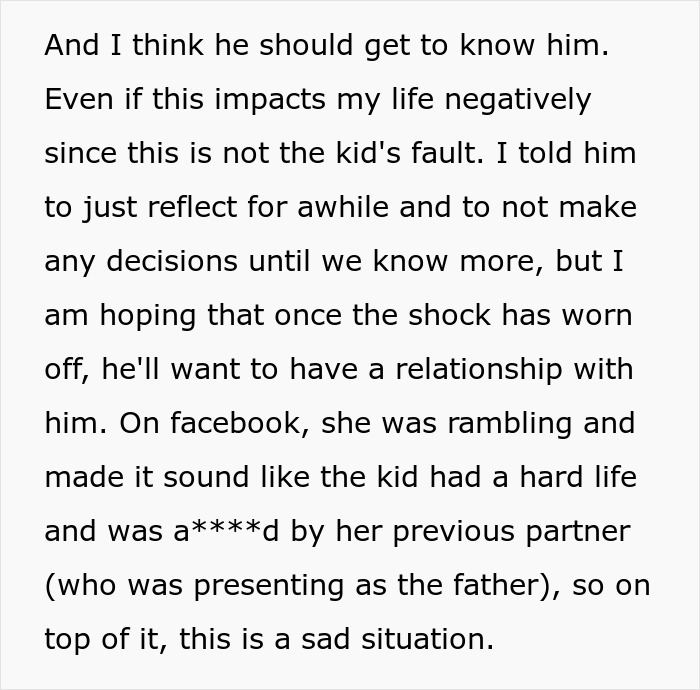
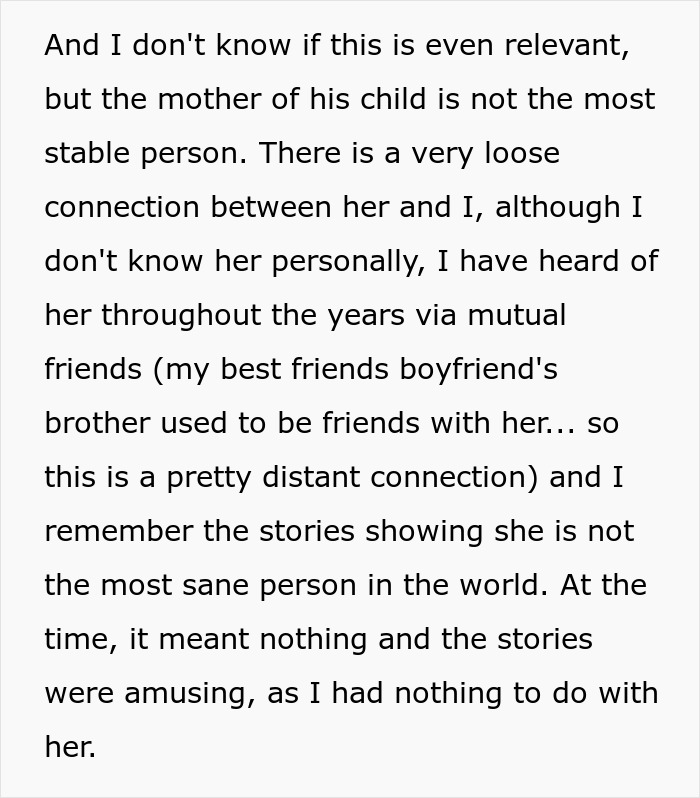
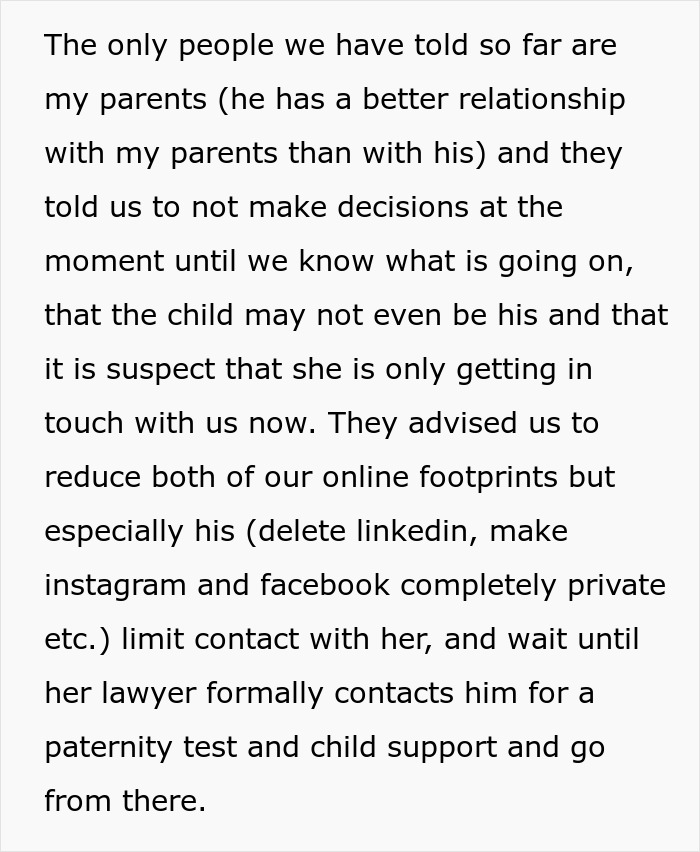
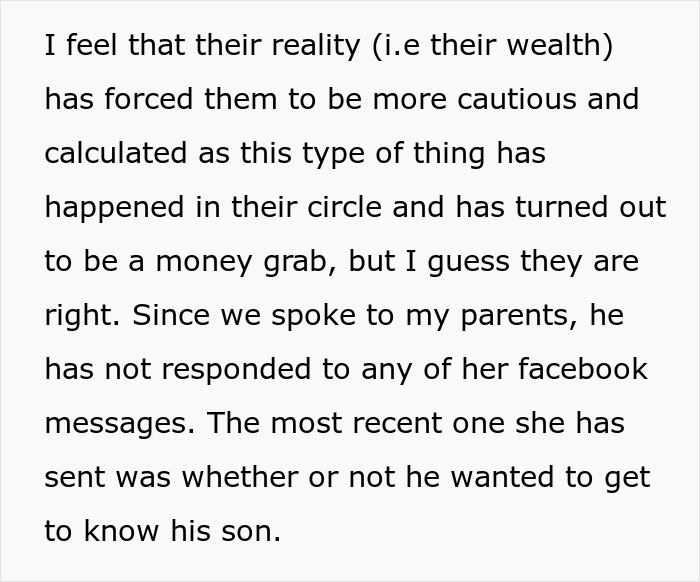
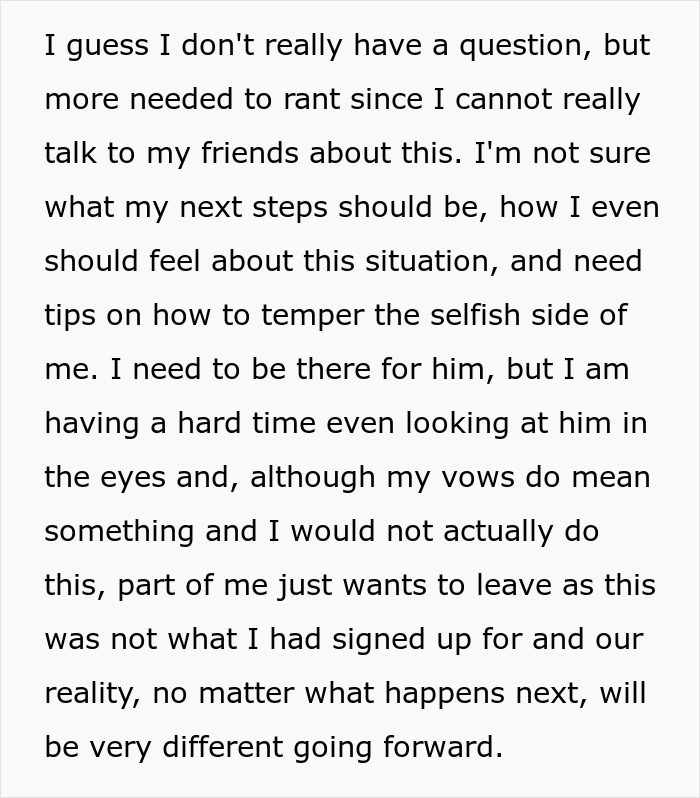
But one Facebook message changed it all for this couple, one that announced there was an illegitimate child they were not aware of






Getty Images / unsplash (not the actual photo)
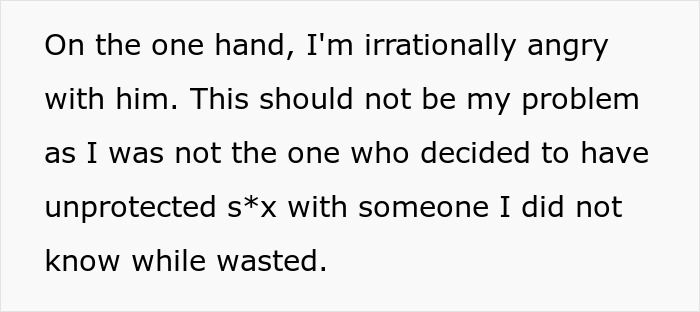
The author was left confused, wanting to be there for her husband but also feeling deeply hurt and angred by the news
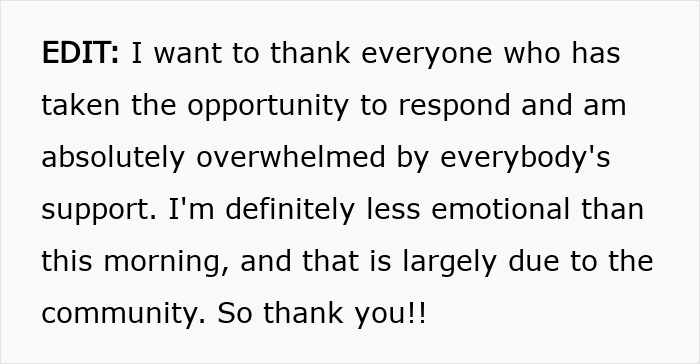
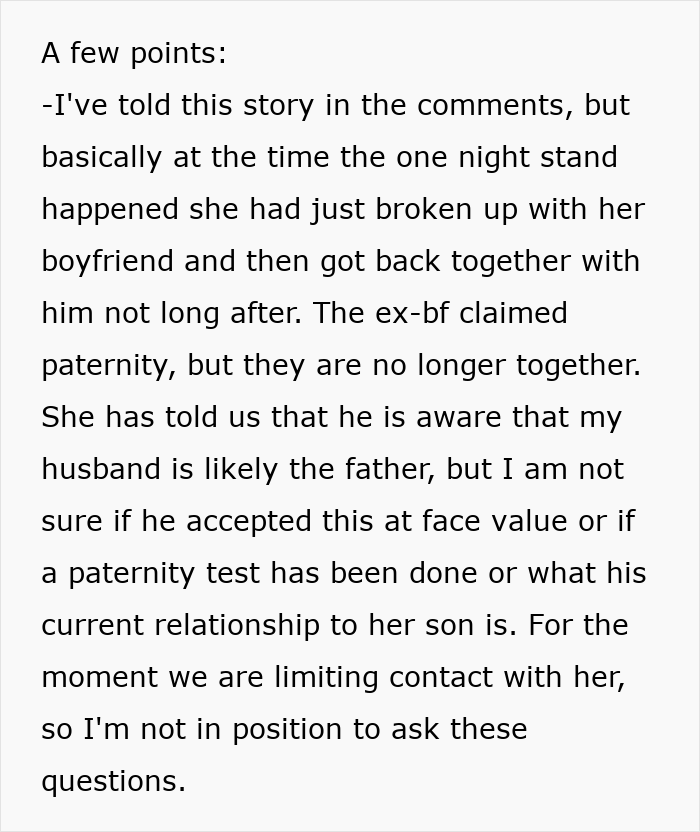
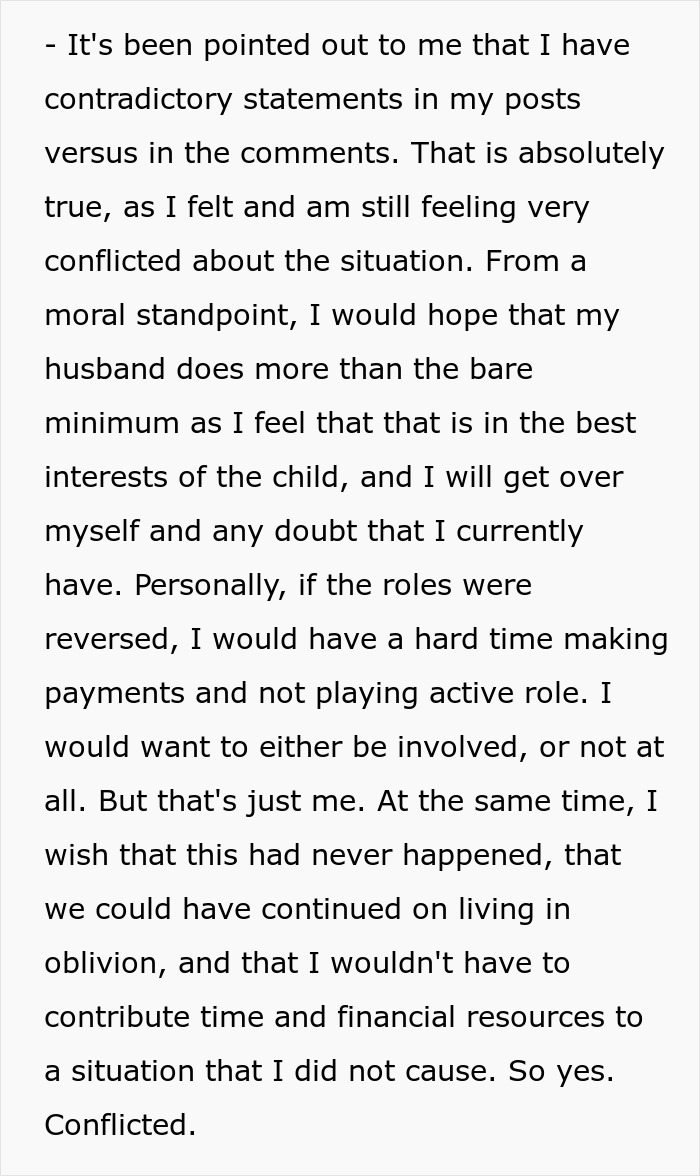


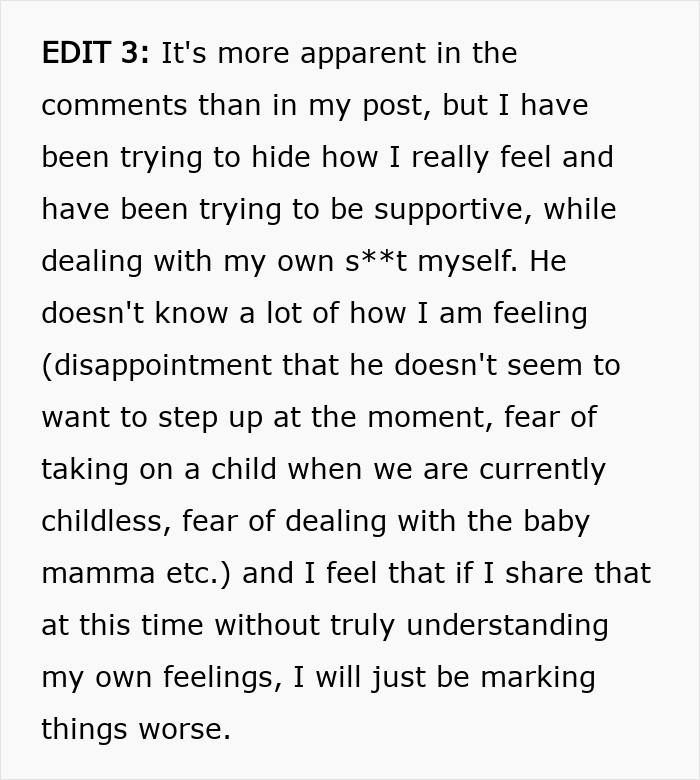
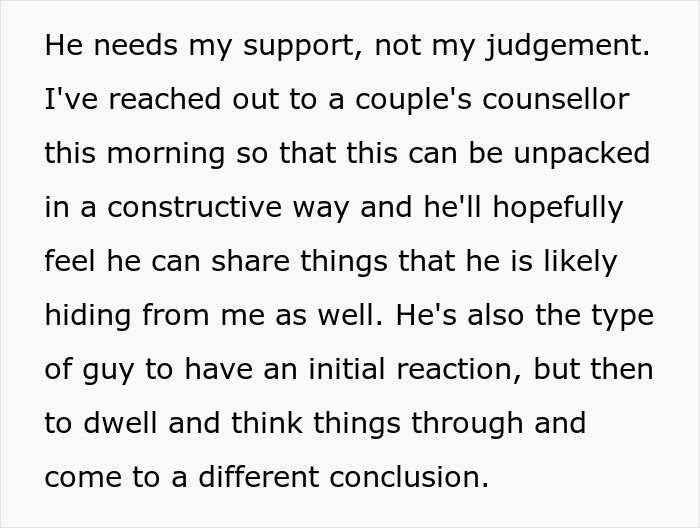
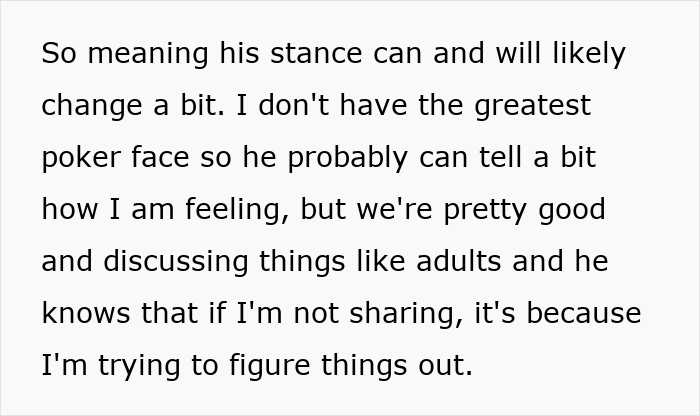
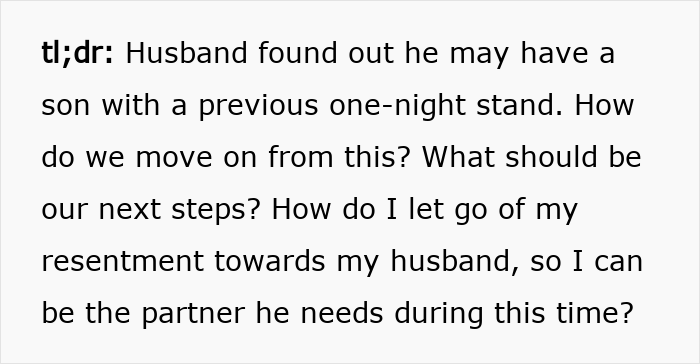
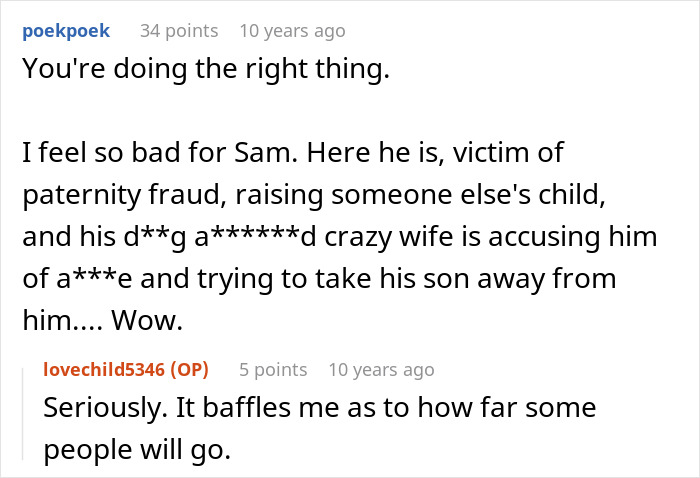
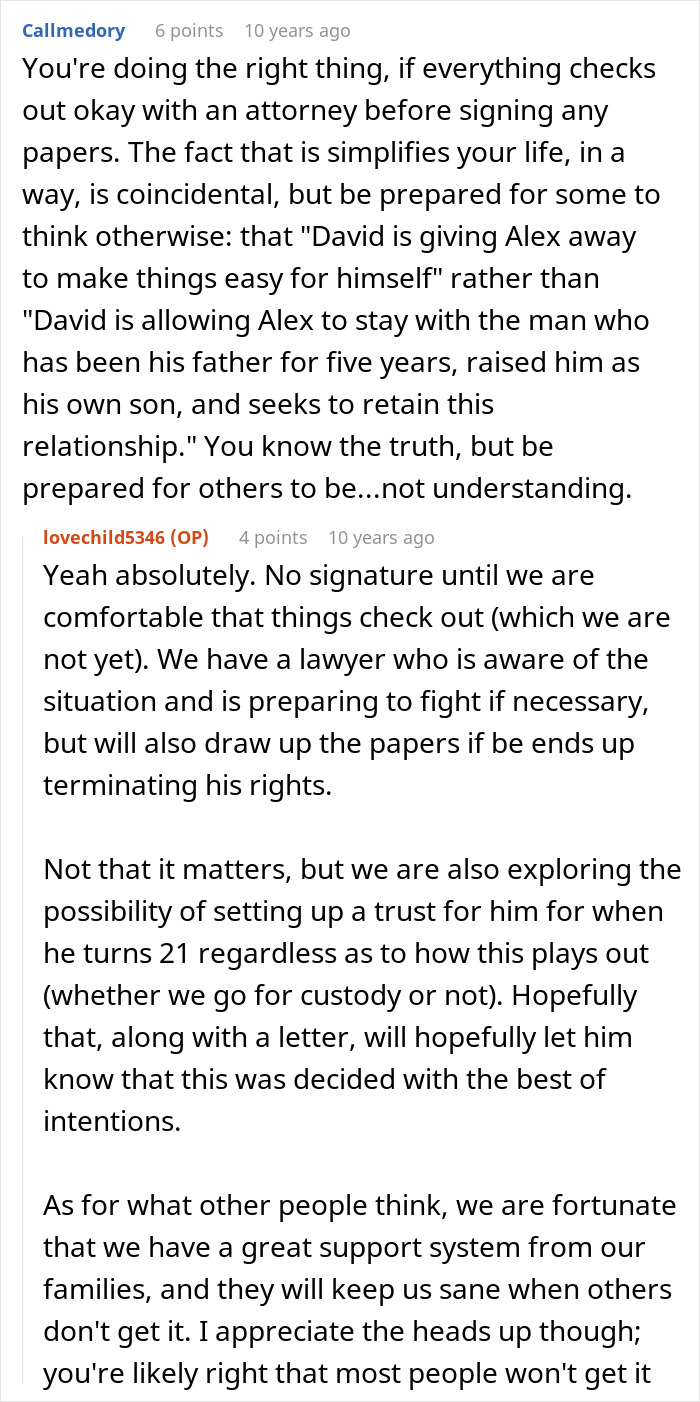
Commenters applauded the author for her honesty but urged her to get speaking to a lawyer ASAP
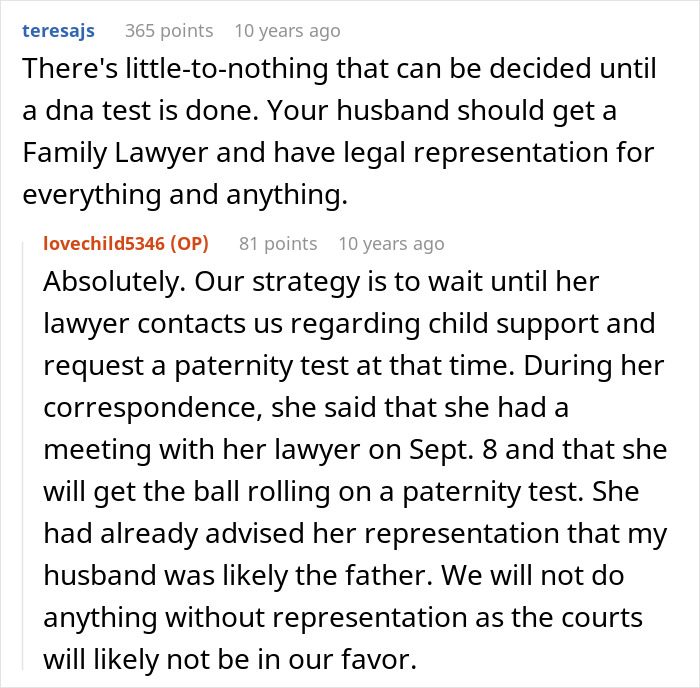
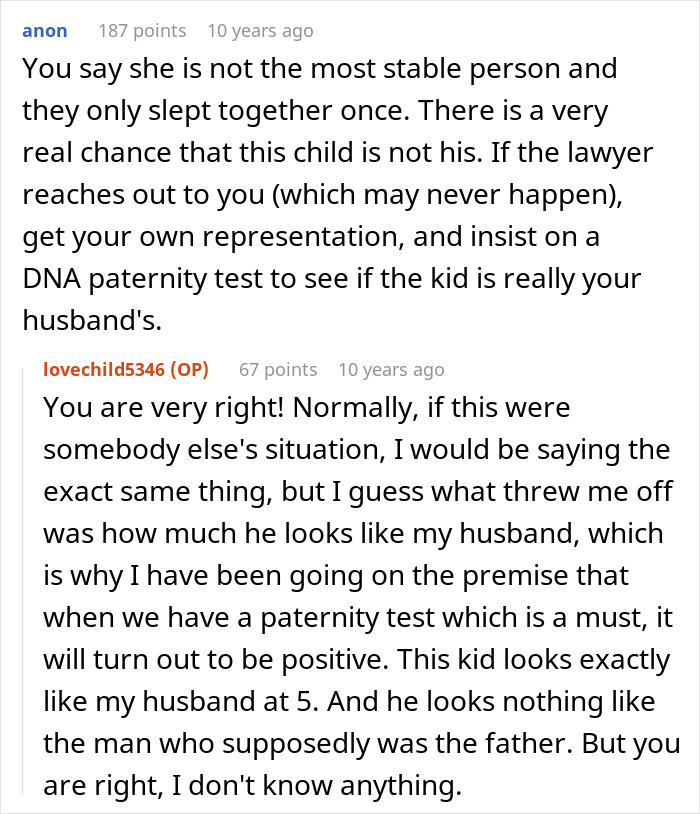
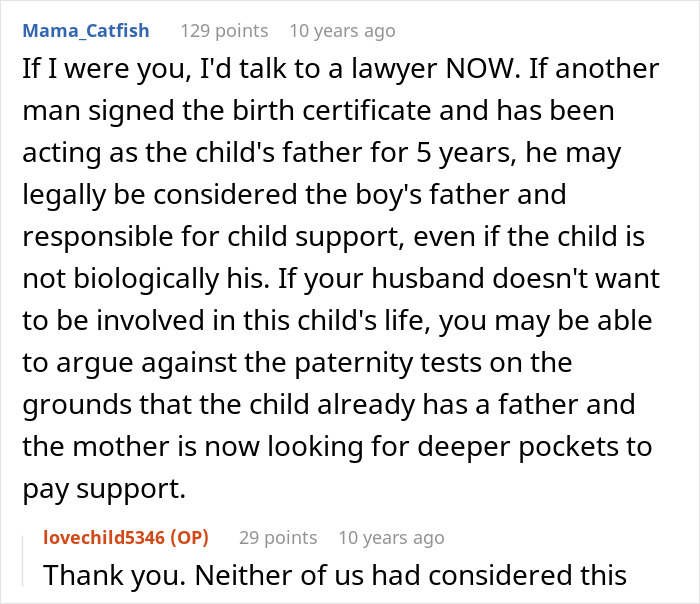


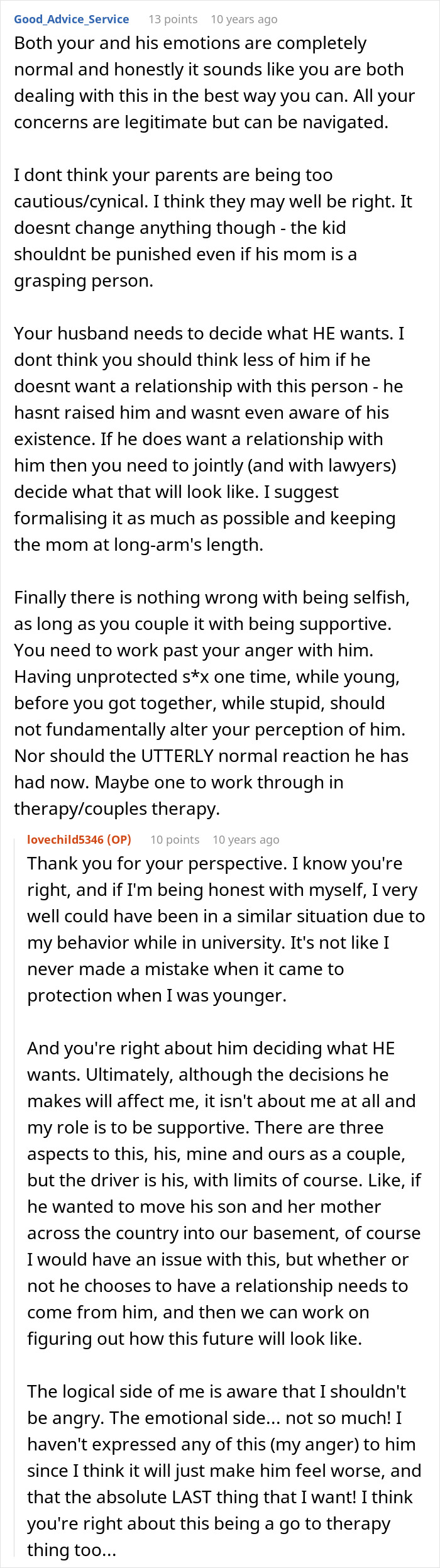
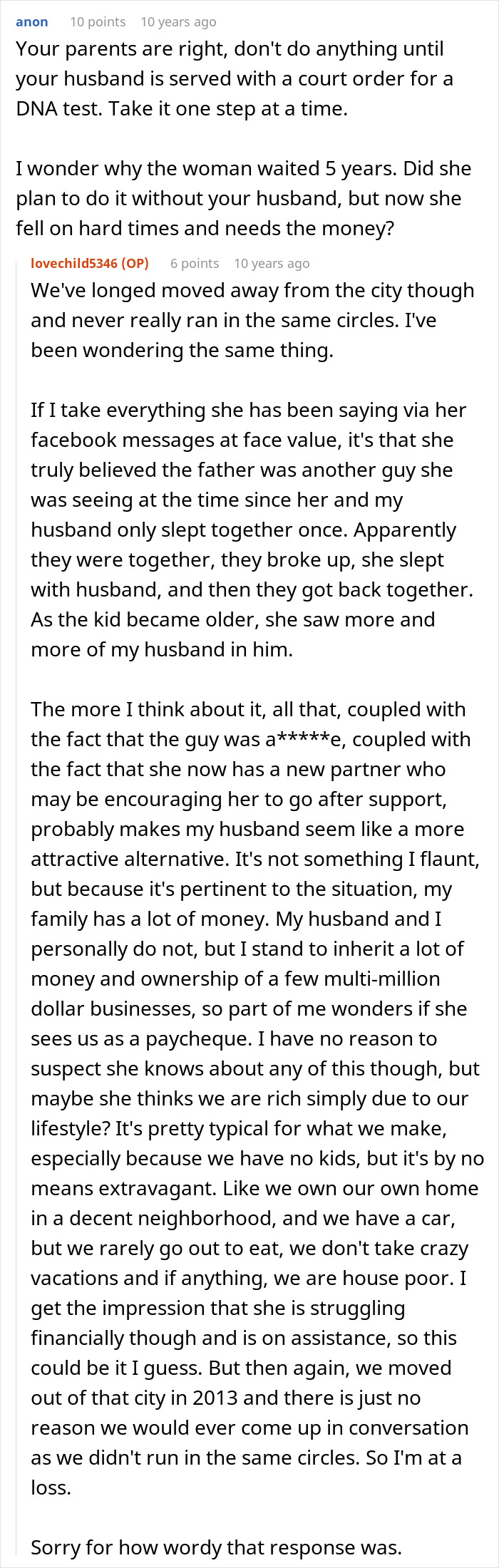



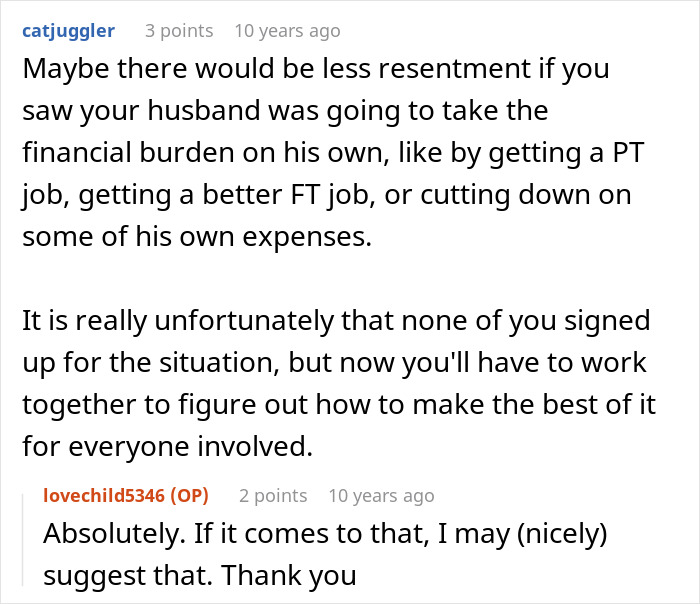



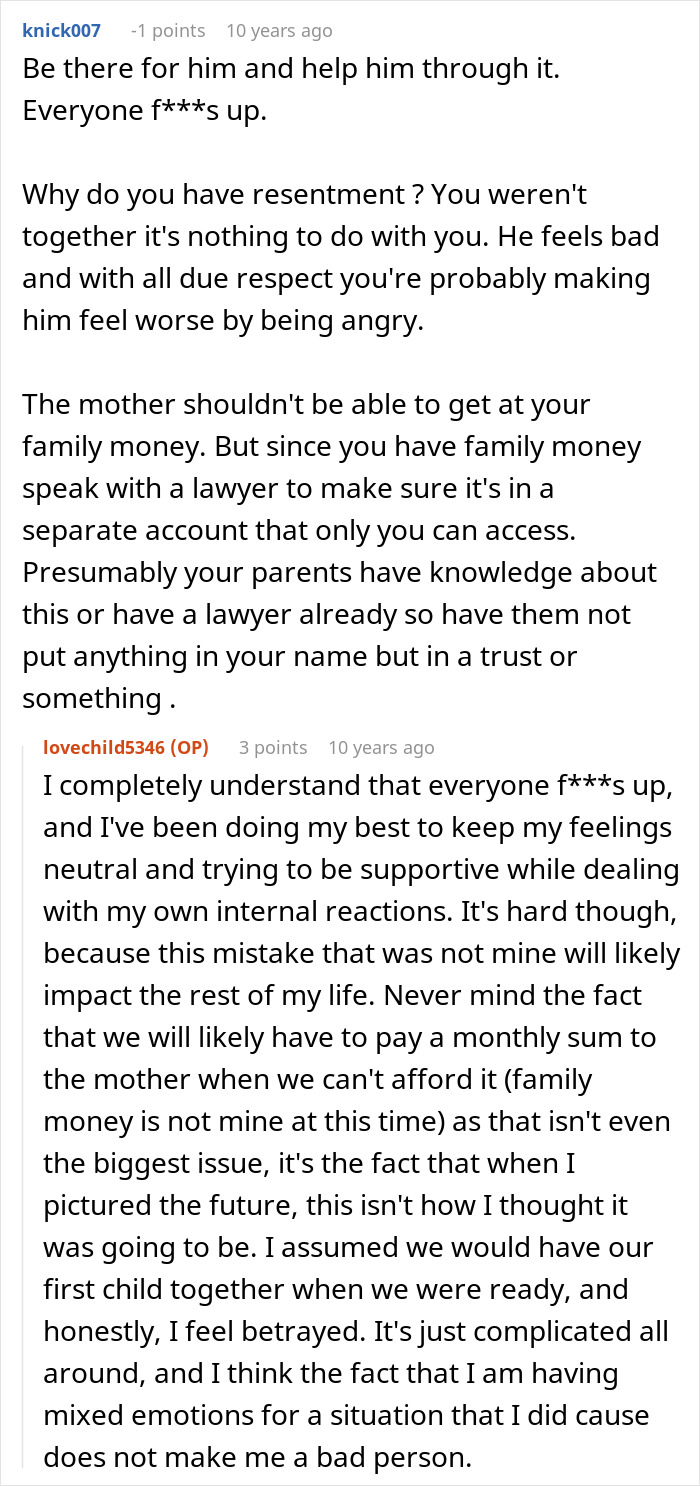
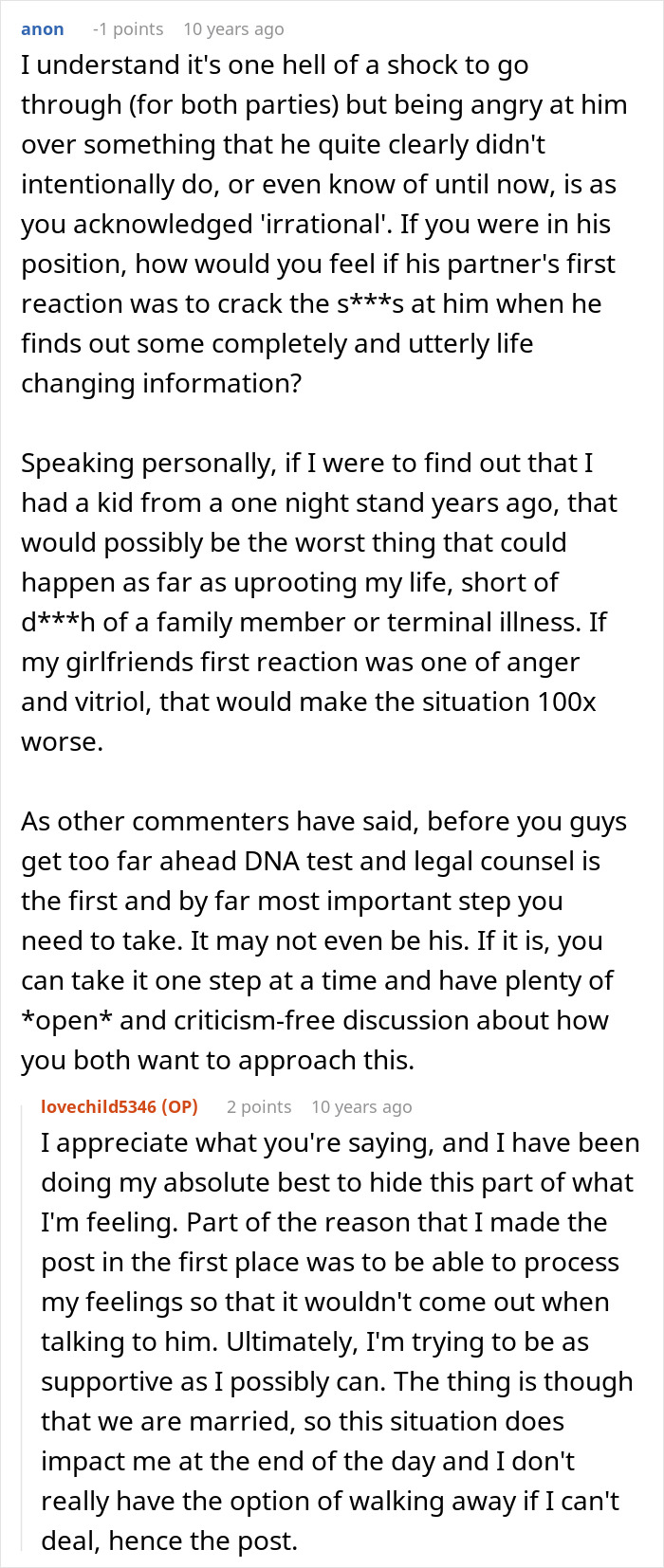
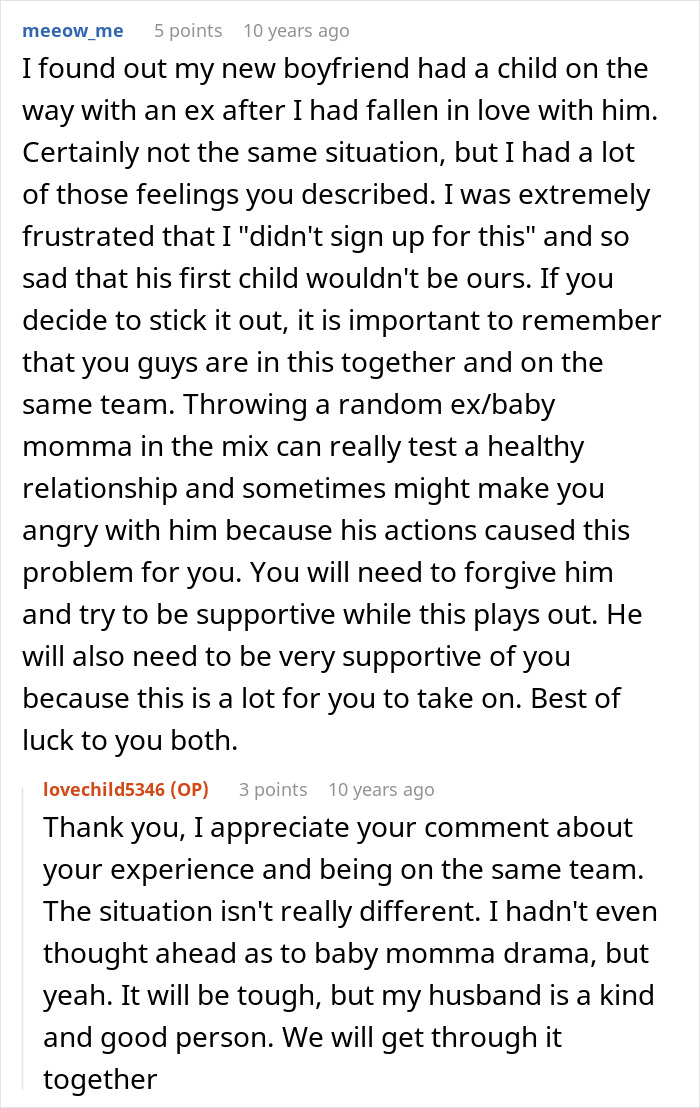
There where even people who had been in a similar situation that could offer up some more advice



Getty Images / unsplash (not the actual photo)
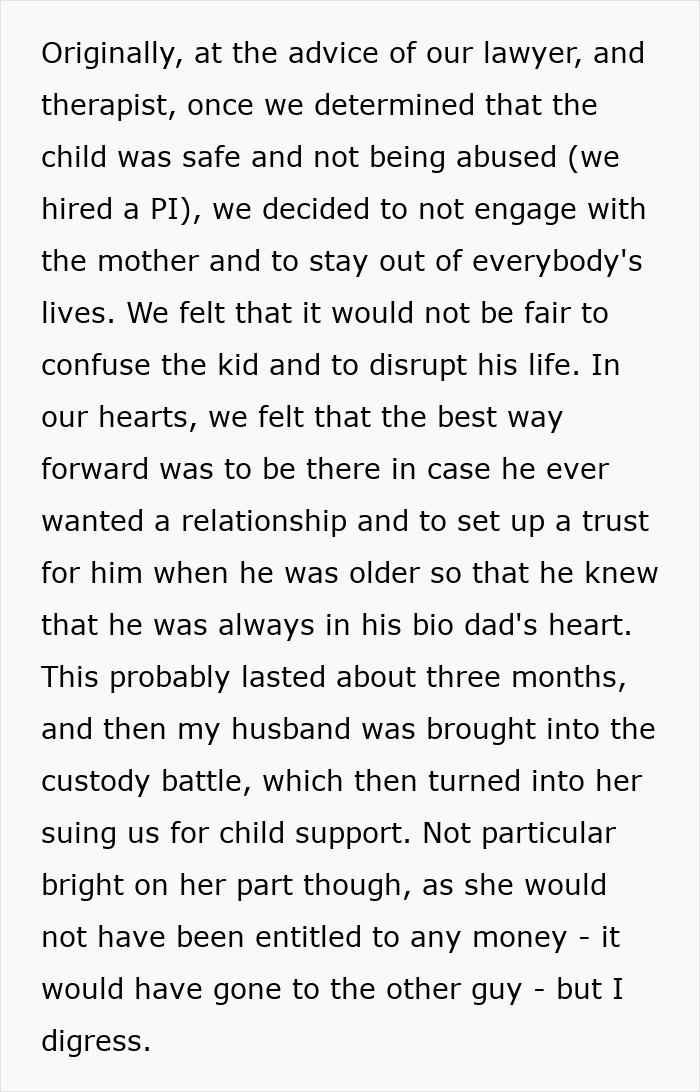
Three weeks later, they knew for sure the boy was biologically his, but also that the boy had been removed by CPS from the mom and the non-bio dad had full custody of him
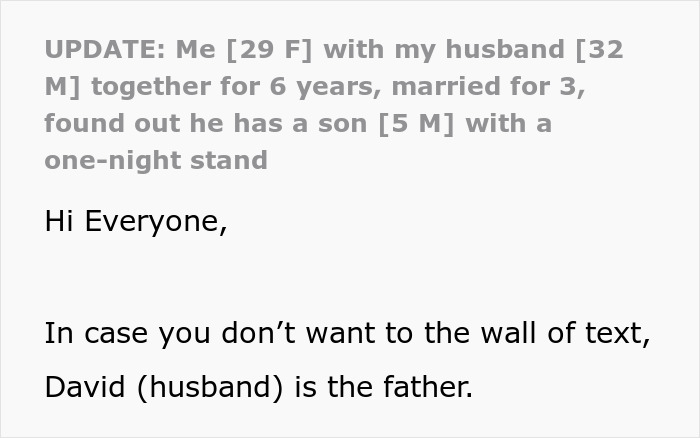
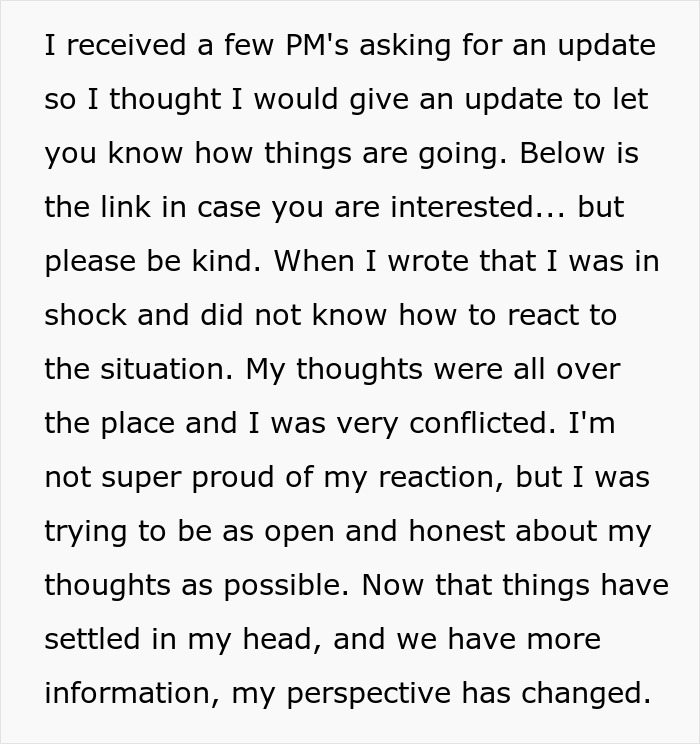
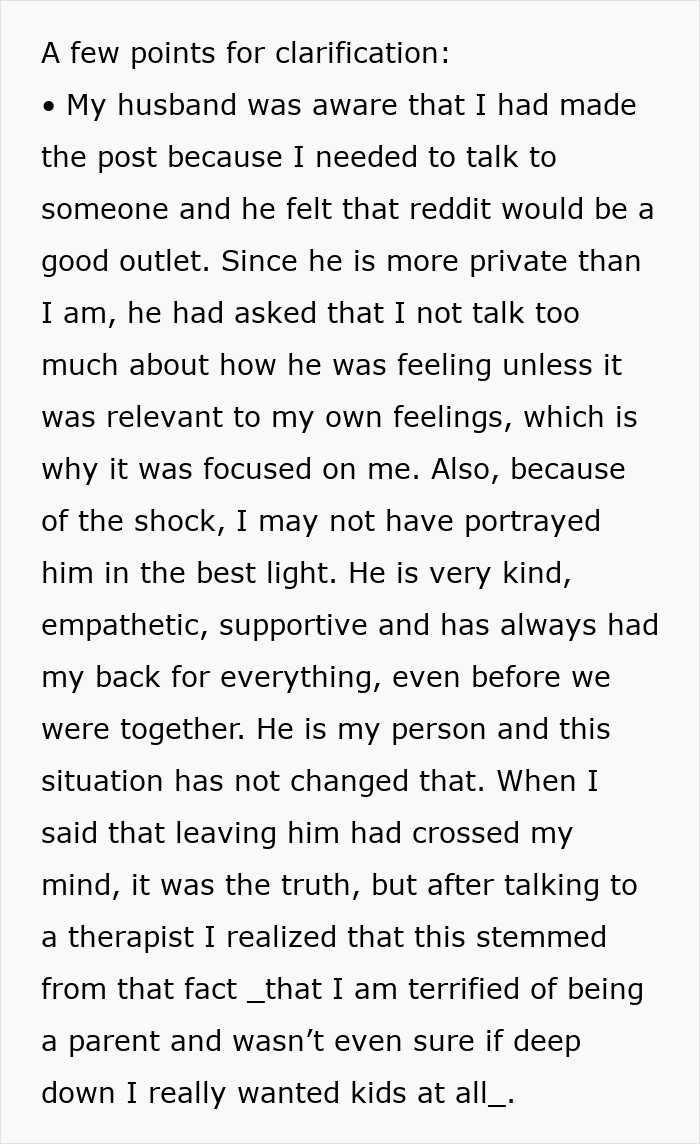
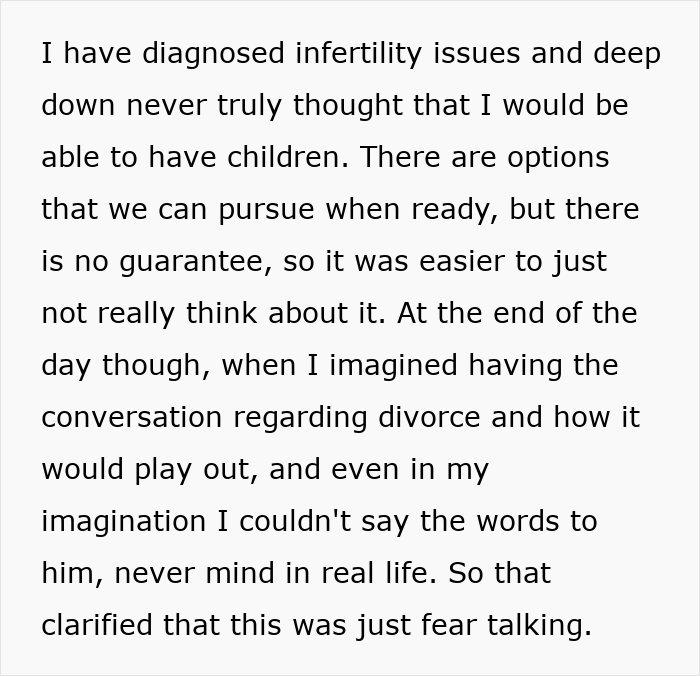
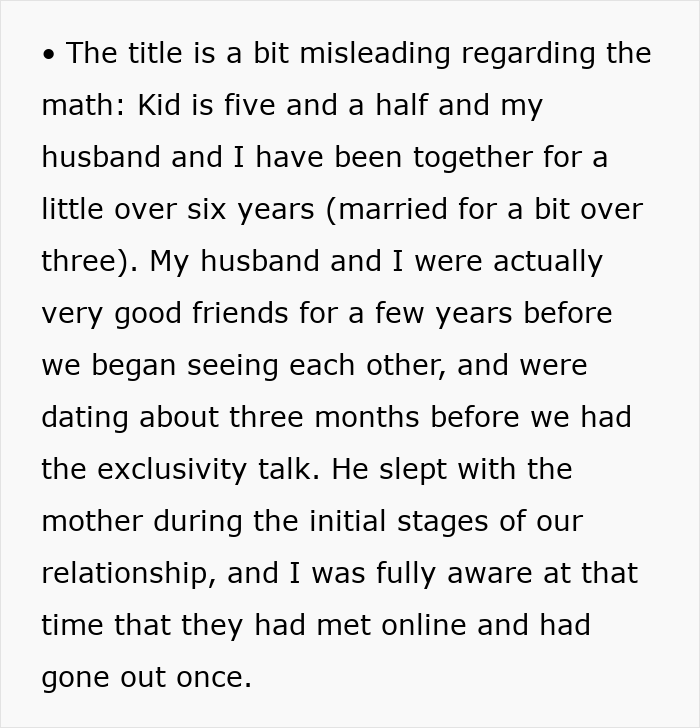

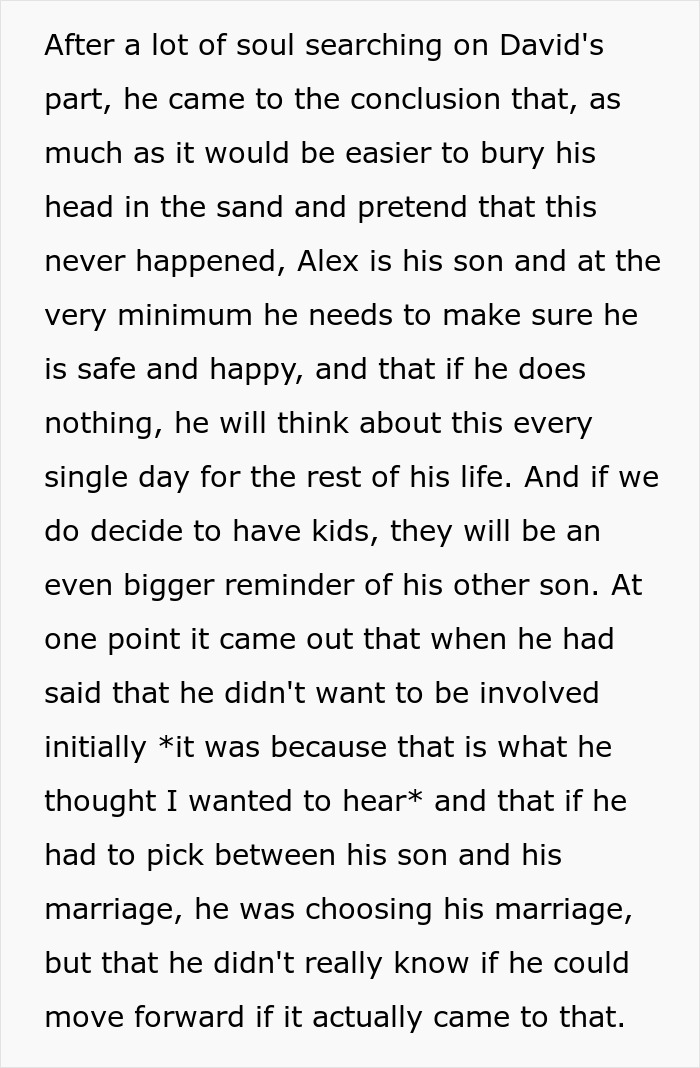
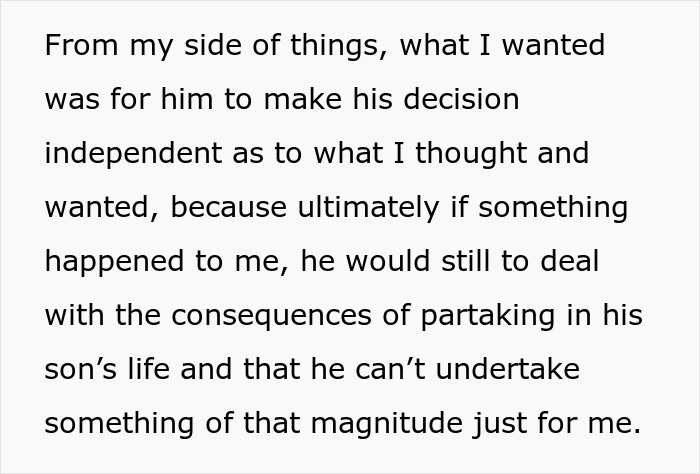
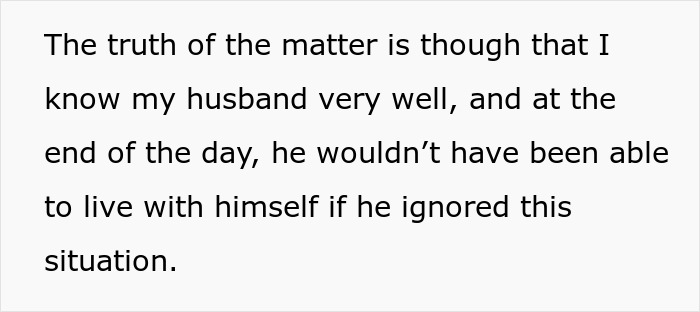
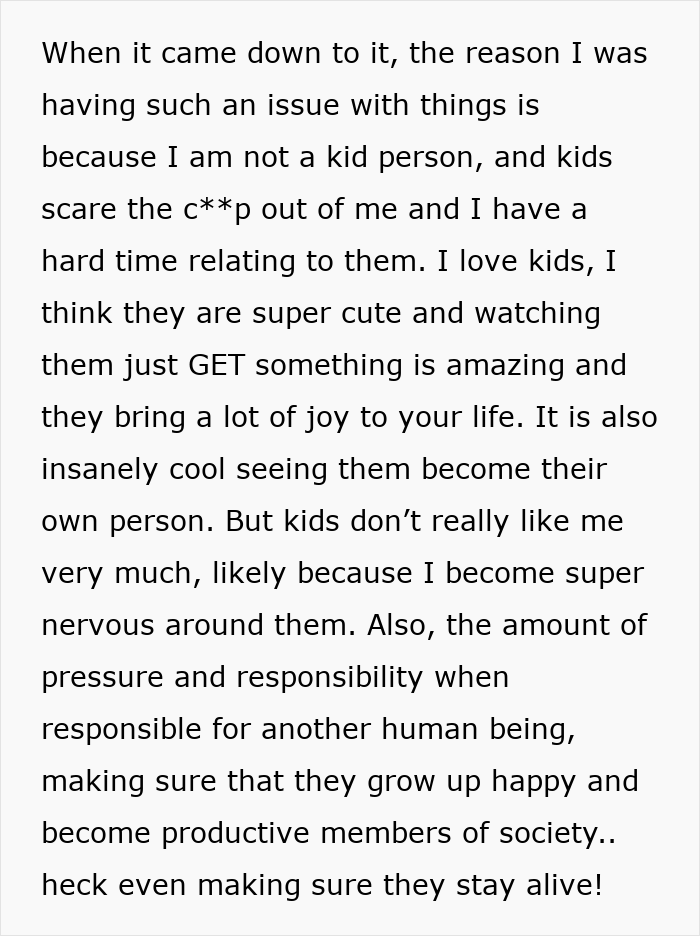

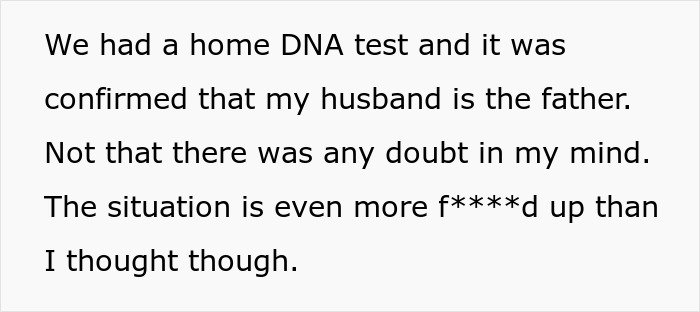

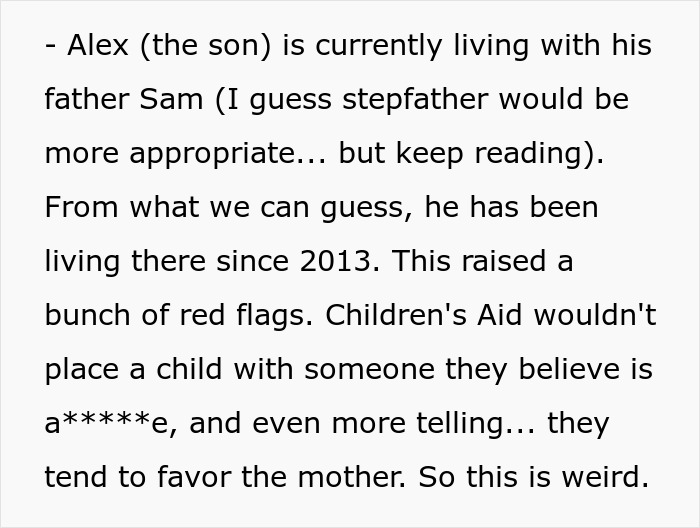

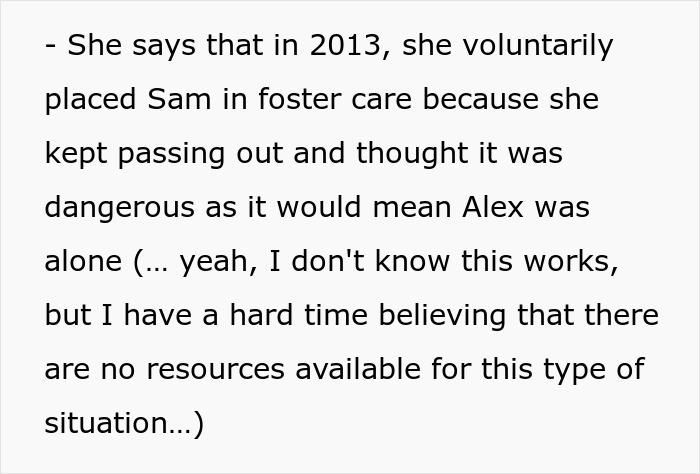






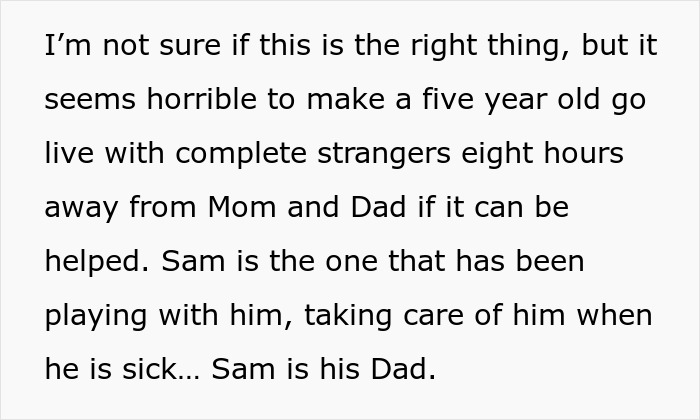

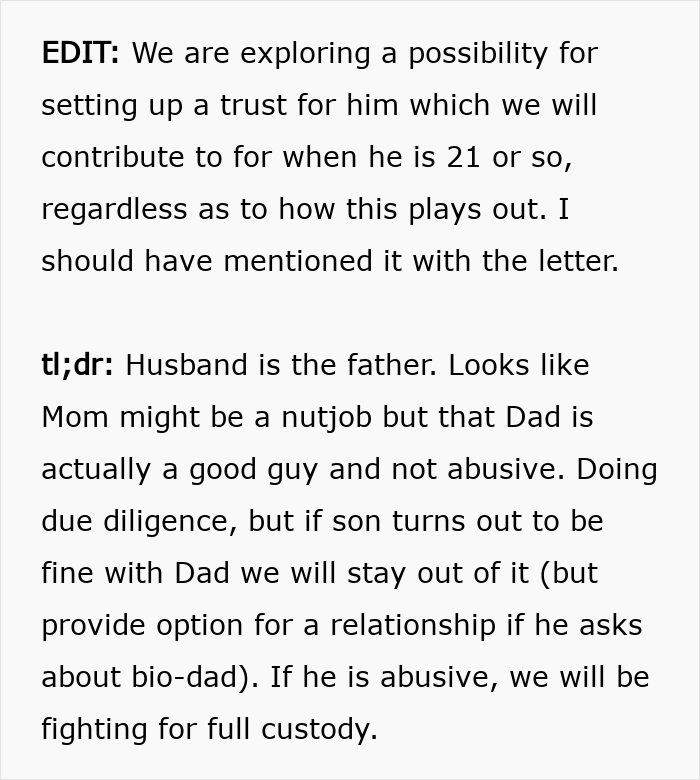
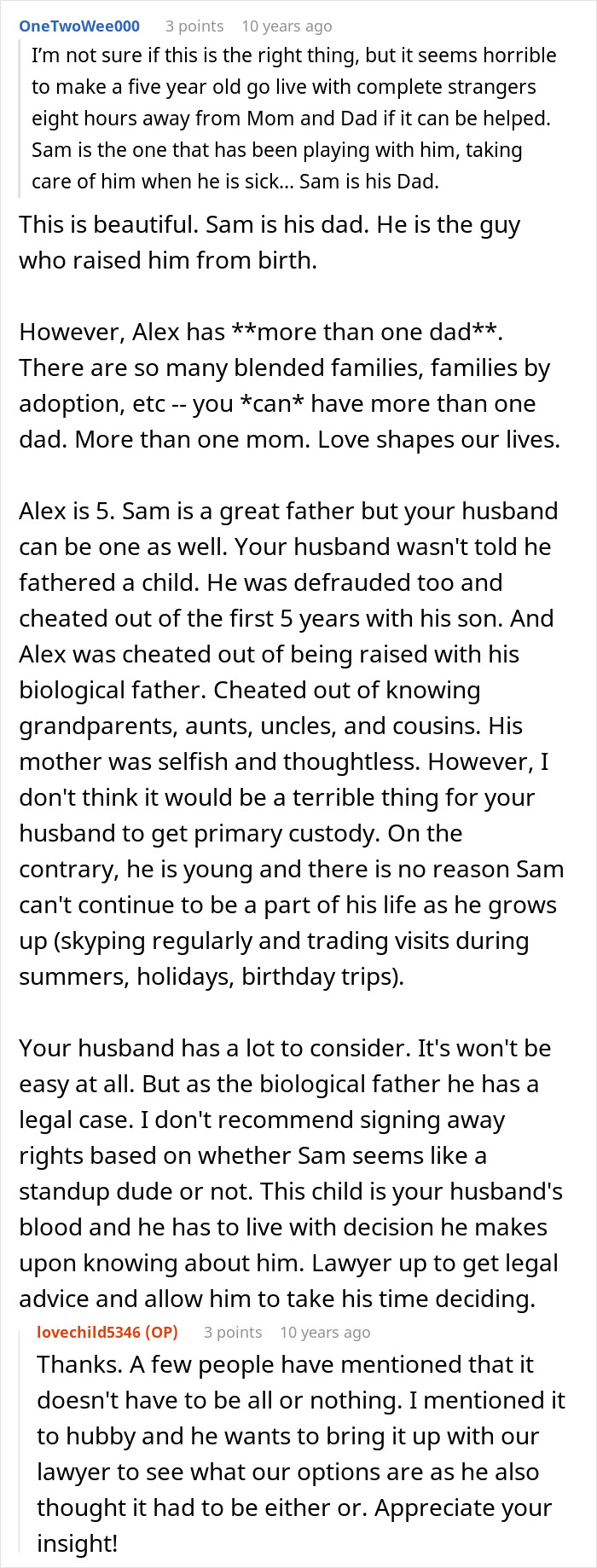
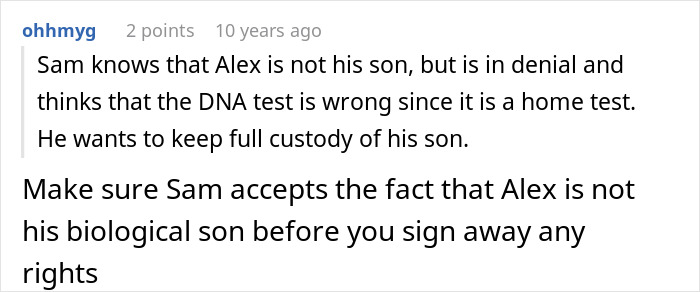
People stood firmly behind the author and her husband, and encouraged them to keep on fighting the good fight
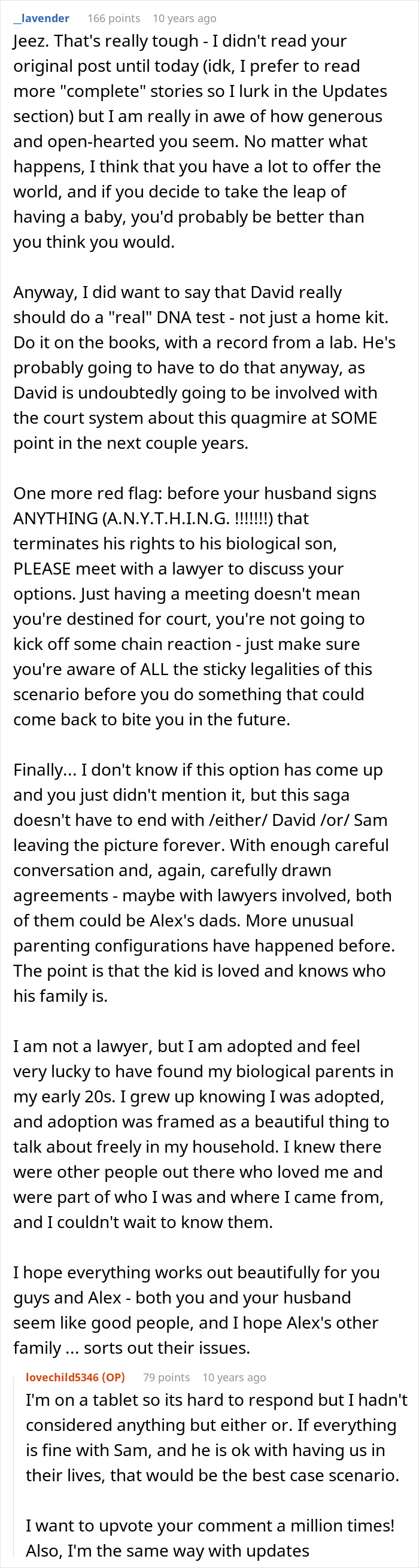
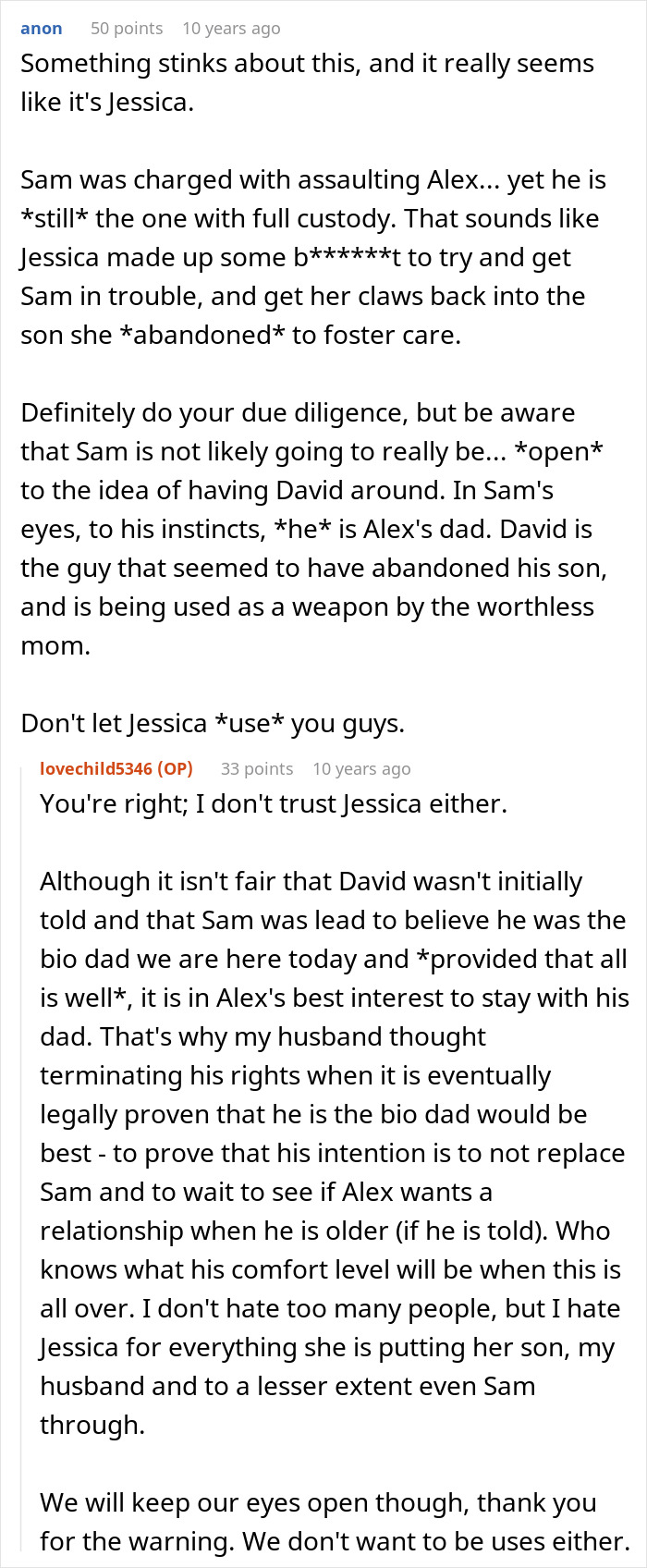








Elena Helade / unsplash (not the actual photo)
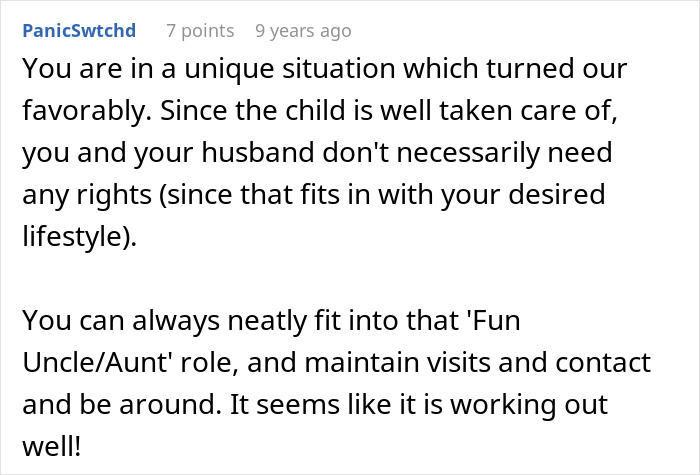
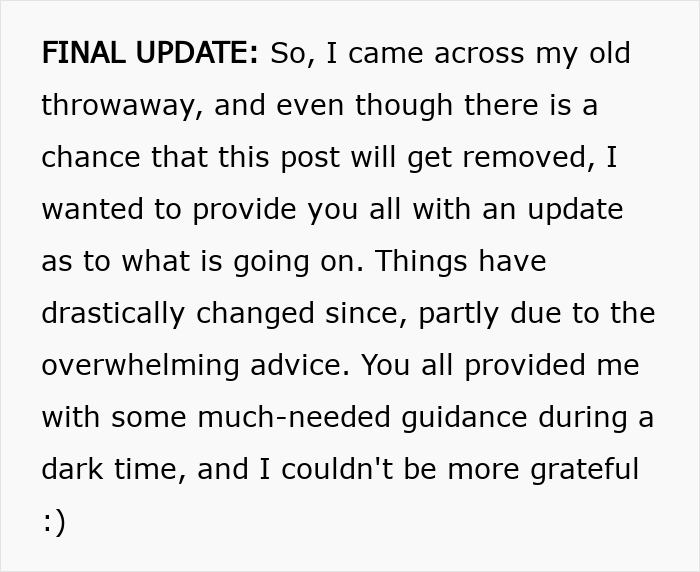
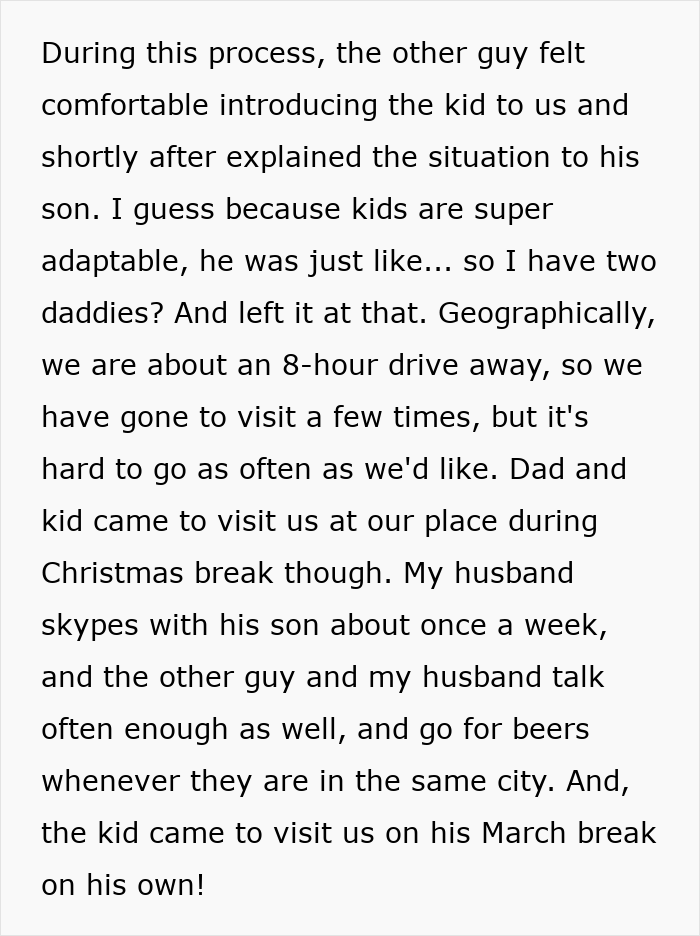
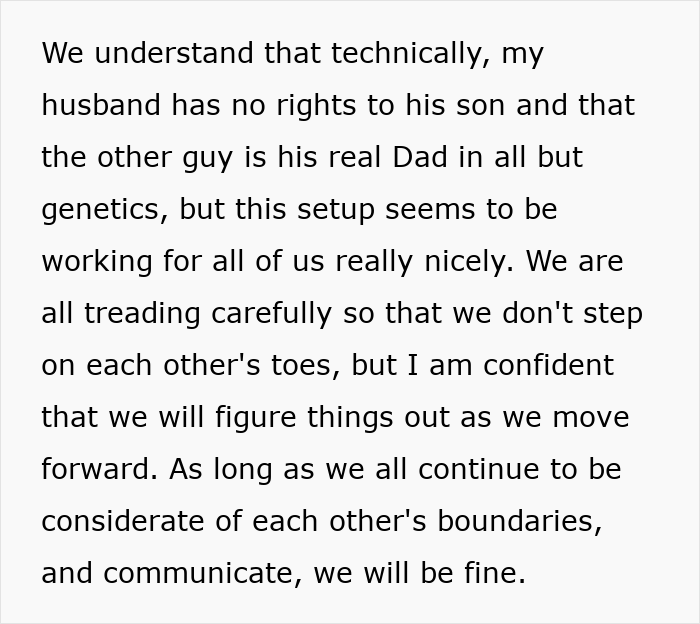
Months later, she returned with the good news update everyone had been hoping for, telling readers that they now have a relationship with the child and the presumed father of the boy






Unexpected paternity discoveries are more common than most people realise. Studies using DNA testing data suggest that somewhere between 1% and 3% of children are raised by a man who does not know he is not the biological father, and conversely, a number of biological fathers are unaware children exist at all. The emotional impact of discovering either situation tends to follow a predictable pattern of shock, denial, grief, and eventual recalibration, which maps almost exactly onto what this couple documented across their posts.
The childfree by choice movement has grown significantly too, with Pew Research Center data showing that in 2021, 44% of non-parents aged 18 to 49 said they were unlikely to ever have children, up from 37% in 2018. For couples who have built their identity and lifestyle around that choice, an unexpected child challenges the entire framework of who they believed they were as a couple.
But it’s not all bad news. Research on blended and non-traditional family structures consistently shows that what matters most to child outcomes is not the biological configuration of the family but the quality of the relationships within it. A child with two committed father figures, clear communication between the adults, and a stable home environment tends to thrive regardless of how unconventional the arrangement looks from the outside.
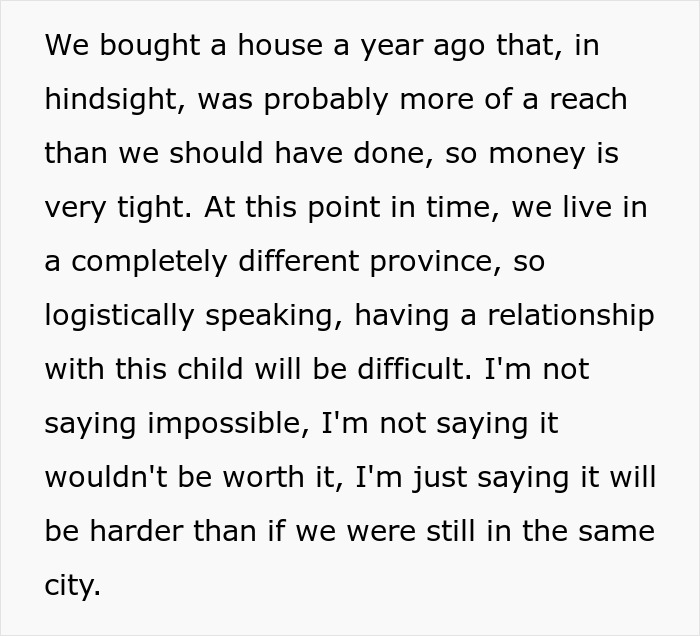
The boy in this story had exactly that, and the weekly Skype calls, the Christmas visits, and the March break trip on his own are exactly the kind of consistent, low-pressure connection that child development researchers point to as meaningful.
The psychology of radical acceptance, a concept developed within Dialectical Behaviour Therapy by Marsha Linehan, describes the process of fully acknowledging a reality you did not choose without fighting it or pretending it is fine when it is not. The wife in this story did that work honestly and out loud, admitting her fear of children, her complicated feelings about her husband, and their future.
Research consistently shows that couples who process difficult realities together rather than managing them separately report higher long-term relationship satisfaction, which perhaps explains why this marriage not only survived but appears to have deepened through the whole experience.
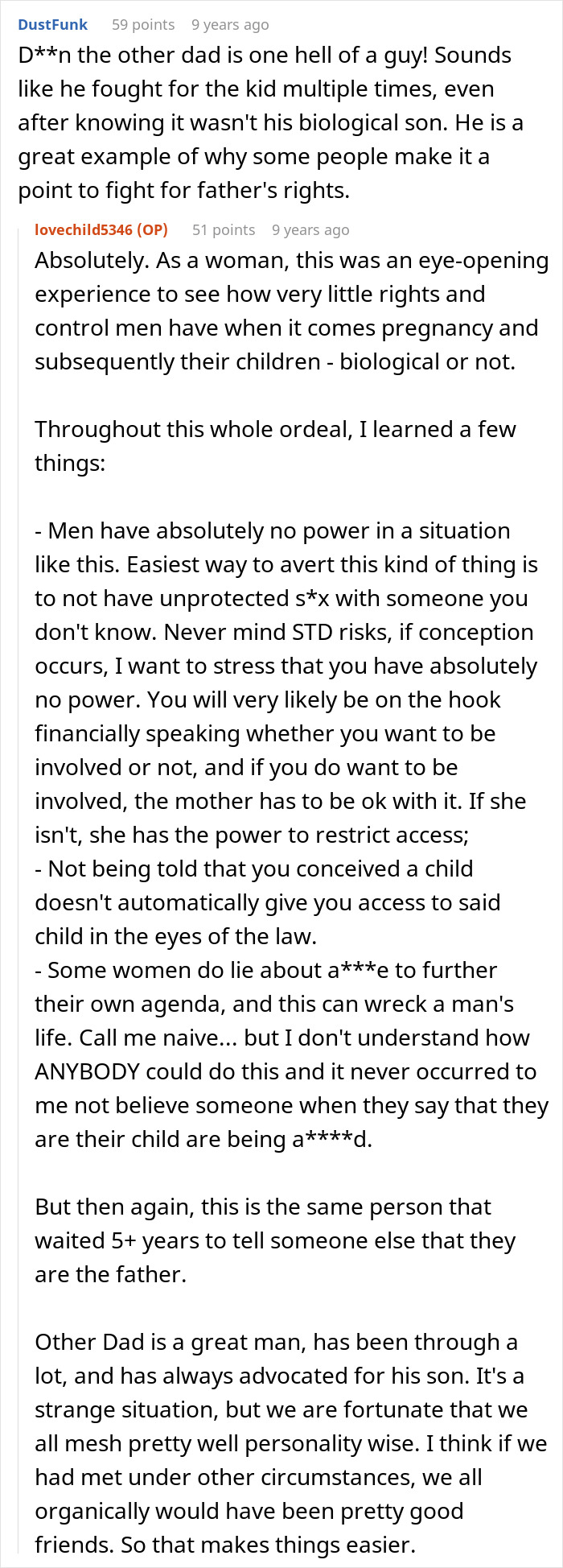
People in the comments could not be happier about the outcome, and also commended the other father for handling it all so well