No one can truly prepare a person for parenting a newborn. Sure, there are endless resources for planning for a baby’s arrival: books, guides, checklists, podcasts, professional counseling. It’s all great for young parents, but you can’t foresee every problem you might encounter.
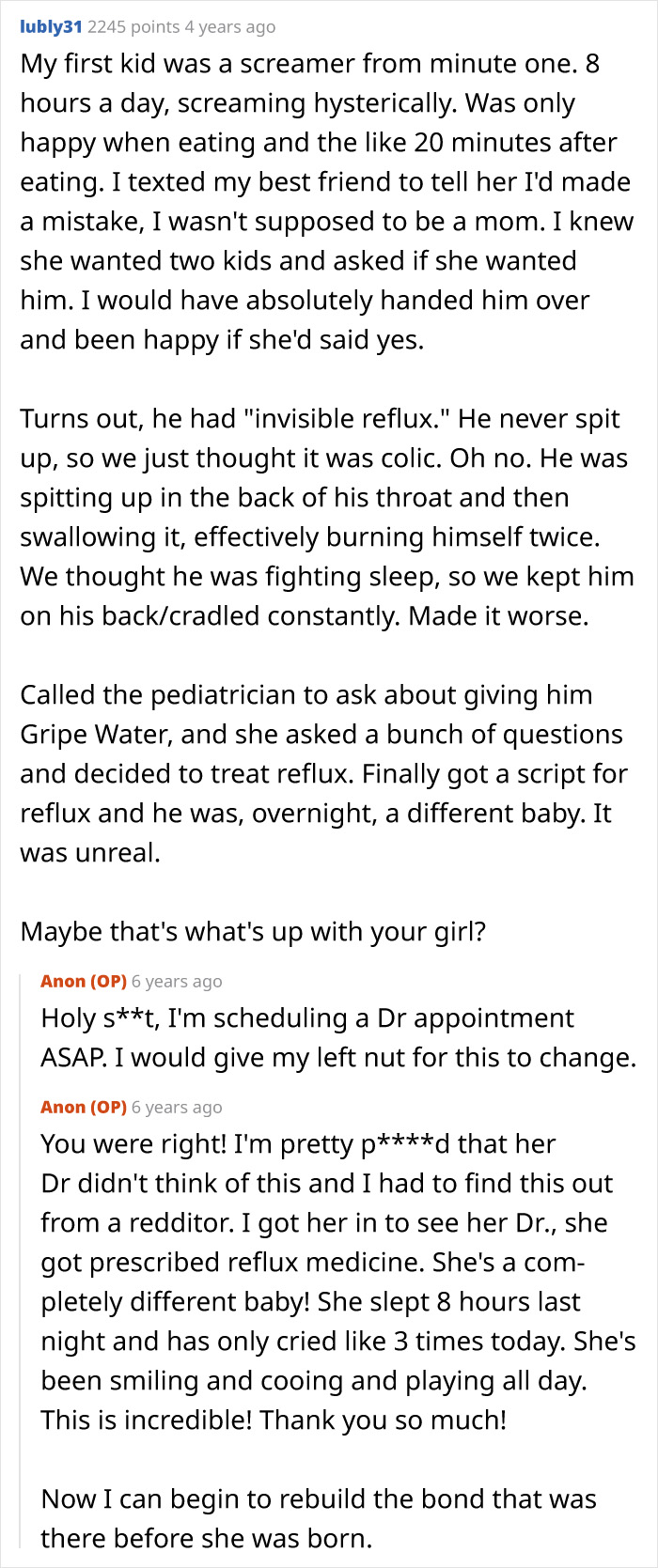
One father shared his story on Reddit after starting to loathe his newborn daughter. His first daughter was an angel, so he and his wife eventually decided to have another child. His excitement quickly turned to despair when the newborn wouldn’t stop screaming. He was about to lose it when some advice under the thread changed everything.
Introducing a newborn to the family comes with a lot of responsibility and stress

Getty Images / Unsplash (not the actual photo)
This father could barely handle the weight of the new commitment



Getty Images / Unsplash (not the actual photo)




Kelly Sikkema / Unsplash (not the actual photo)




Jessica Hearn / Unsplash (not the actual photo)





People’s initial reactions were quite poor

Then one person’s comment brought some perspective and helped the father

How parents can approach problems they don’t feel prepared for

Something many parents encounter in their first year with a newborn is sleep deprivation. A noisy baby, stress, and anxiety of becoming a parent can all greatly impact a person’s sleep schedule. However, it’s often seen as something parents just must go through, which greatly underestimates the importance of a good night’s sleep.
Psychiatrist Alex Dimitriu, M.D., warns that sleep deprivation heavily affects mood, memory, and other important bodily functions. Those who don’t get enough sleep are generally more irritable and forgetful. Evidence suggests that people who sleep less also gain more weight and are more prone to dementia in later years, further affecting their well-being. So, if possible, parents should find ways to get better-quality sleep. Whether by alternating duties and sleep shifts, or taking power naps when the baby is sleeping, it is crucial to stay in the right mindset.
Irritability and anger are among the most common emotions stressed-out parents deal with. Clinical psychologist Laura Markham, Ph.D., offers advice on calming these feelings and avoiding lashing out at children. First, understand that a child’s actions might trigger emotions, but the child doesn’t control the parent’s response. The parent does. If the child is old enough, setting limits on actions that trigger negative emotions is the first step. It means acting before anger takes hold. Otherwise, parents should always aim to calm down before responding to irritating behavior. Expressing anger only sours the relationship and can cause an unnecessary escalation. Taking a breath and listening to anger is okay. Acting on it isn’t. Separating anger from disciplining is key to a healthy parent-child relationship.
Even the most well-informed parents can feel depleted sometimes. When parenting feels overwhelming, certain strategies can help reduce stress. Child development expert Jen Lumanlan, M.S., M.Ed., emphasizes that parents must first stop blaming themselves. Parents have an endless list of responsibilities, and it’s alright to make mistakes. Practicing self-compassion will help change unpleasant outcomes.
Lumanlan says that slowing down and attempting to understand what’s actually happening is key when facing overwhelming feelings. Acting on assumptions can lead parents down the wrong path.
In the case of the father’s story, the premise that his newborn was screaming because of colic left him hopeless and exhausted. When he finally stepped back, got a second doctor’s opinion, and addressed the issue, his sleep schedule and mindset returned to normal.
Caring for your partner is just as important as caring for the child

Introducing a baby in a relationship often comes with romantic decline. According to psychologist Theresa E. DiDonato, Ph.D., couples often experience increased relationship dissatisfaction, problem intensity, and negative communication when a newborn joins the family. Stress and poor conflict management contribute, but they don’t tell the whole story. Ensuring relationship satisfaction requires the most effort before the baby is born.
Key factors to consider before having a child with someone include building a strong, trusting, and secure relationship, managing mental health, and achieving financial stability. According to DiDonato, partners considering becoming parents must make sure their relationship is built on trust, open communication, and a sense of safety. Couples with higher conflict and distrust often see those issues worsen after having a child. Any mental health issues should also be treated and kept in check beforehand. Finally, the psychologist explains that parents who are more financially secure are usually better protected from declines in their relationship satisfaction. Partners should discuss these topics and help each other take care of themselves before starting care for a newborn.
Many young parents take great care in learning about bringing up a child, but often start neglecting their partner’s needs. Marriage and family therapist Rachel Diamond, Ph.D., says conversations about the transition into parenthood don’t touch enough on how it affects the romantic relationship. Because parenthood brings so many new tasks, couples tend to lose sight of the original romance and shift heavily into co-parenting. Settling into a good rhythm about who does what for the baby is good practice, but couples shouldn’t neglect their own closeness.
It’s normal to experience drops in romantic relationship pleasure when beginning the journey of parenthood, but rebuilding is important. Taking care of one another boosts morale and energy, which in turn helps care for the child better. When energy is low and mood is tense, keeping the relationship alive takes intentional effort. Romance and kindness shouldn’t be forgotten in favor of the new family member. A child needs a good example of a healthy relationship, and a parent needs all the support they can get.
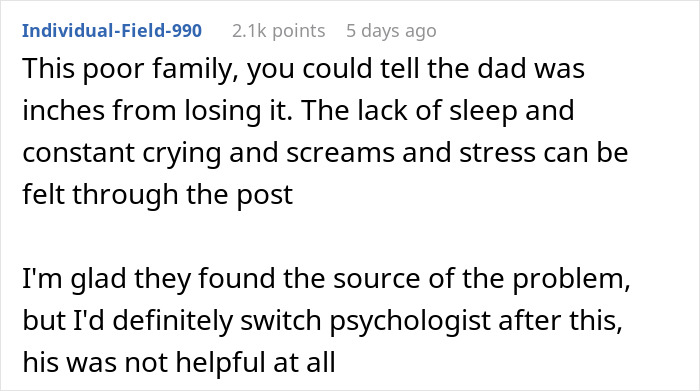
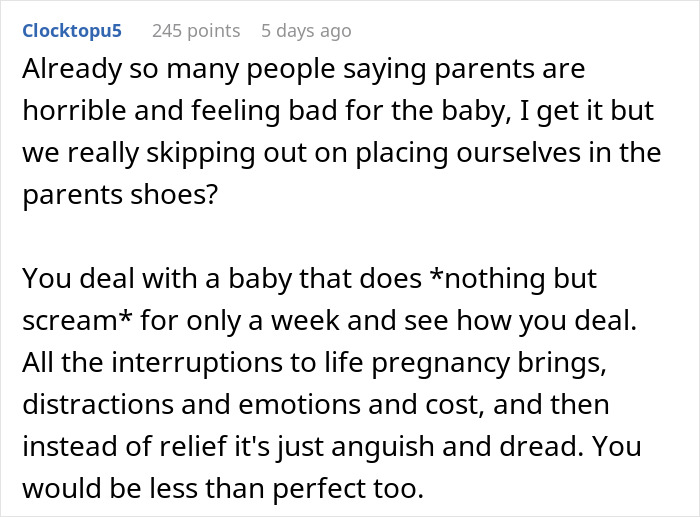
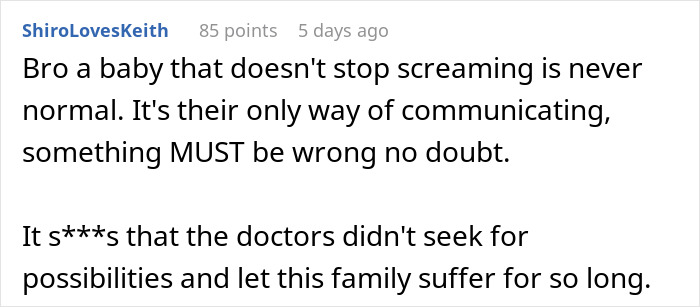
The reactions after-the-fact were more compassionate







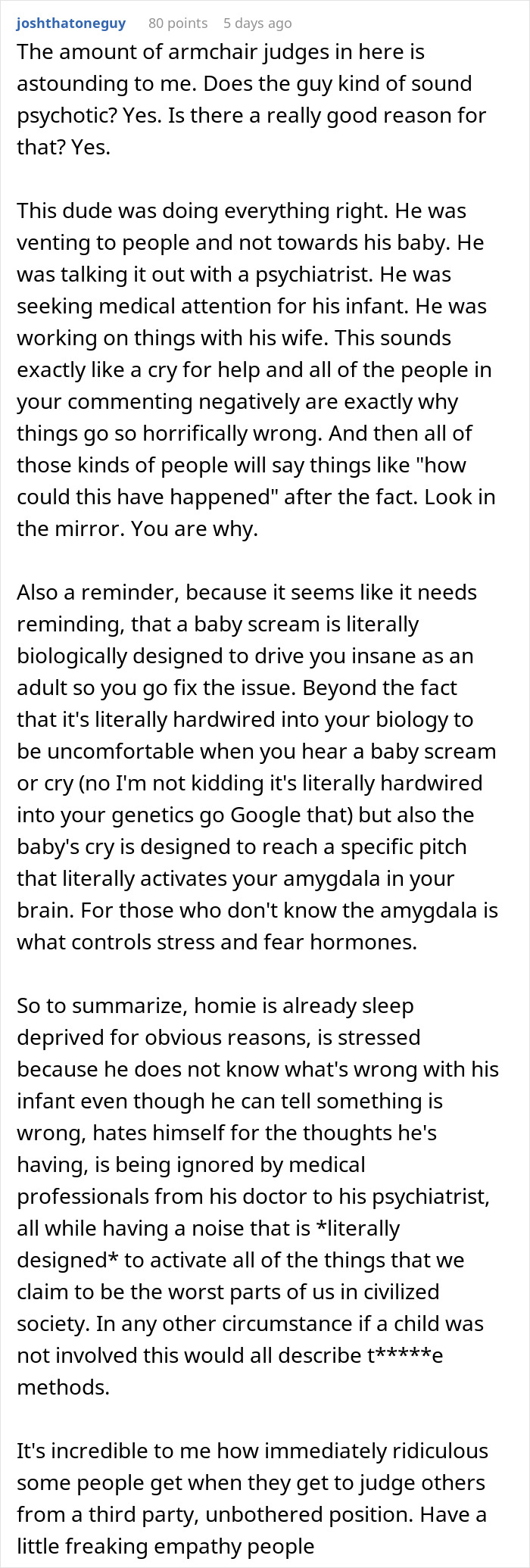

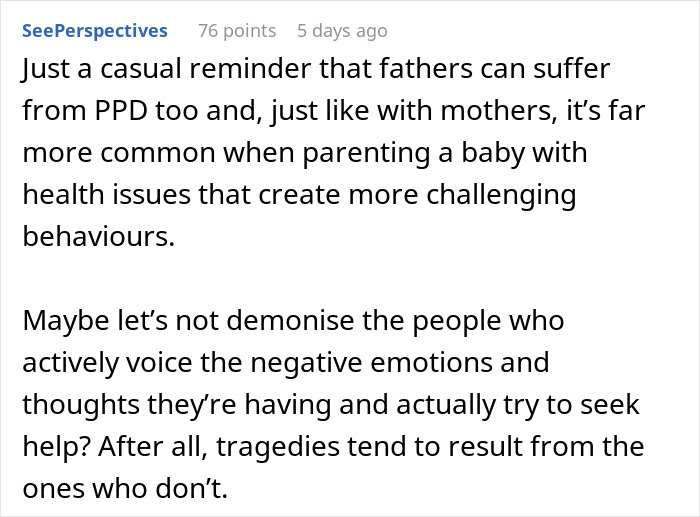
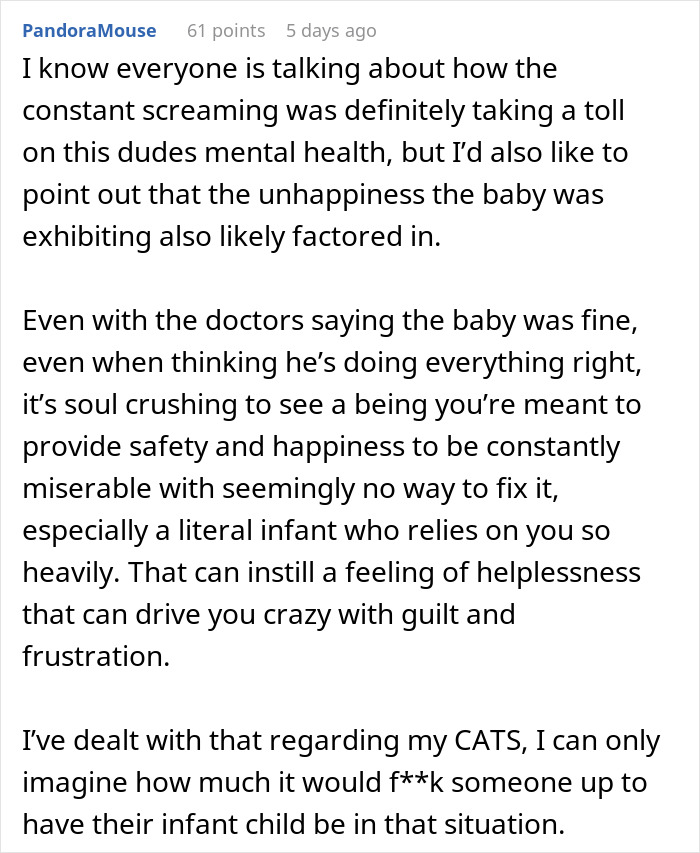





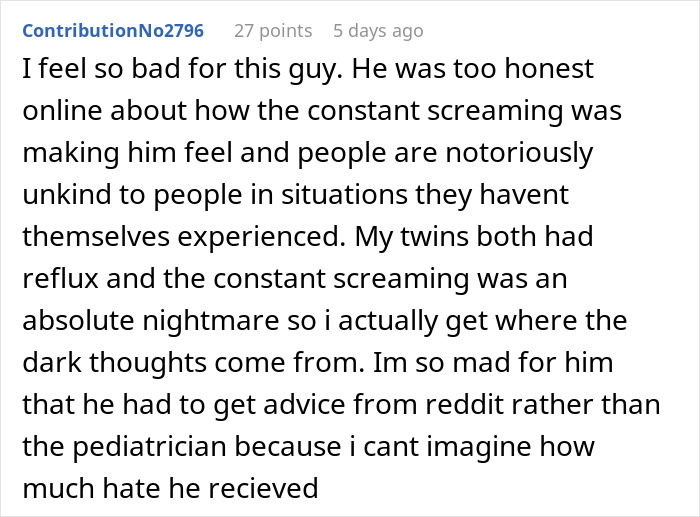
Some people also shared similar stories from their own experiences