Healthcare is one of those fields where the power imbalance between provider and patient is so significant that most people simply nod along and trust the clipboard. Questioning a doctor’s medical recommendation feels uncomfortable at best and presumptuous at worst. Which is exactly why some providers have gotten very comfortable recommending treatments that have more to do with their next holiday than your actual health.
When this patient was sitting in a periodontist’s chair, she listened to an $11,500 treatment plan and noticed his assistant’s face doing something very different from her job description. She asked the right question at the right moment, and the review request that arrived on the drive home was, in hindsight, a spectacular miscalculation on the doctor’s part.
Surely there is something in the Hippocratic oath about not lining your own pockets by ordering unnecessary treatments

https://kaboompics.com/ / Pexels (not the actual photo)
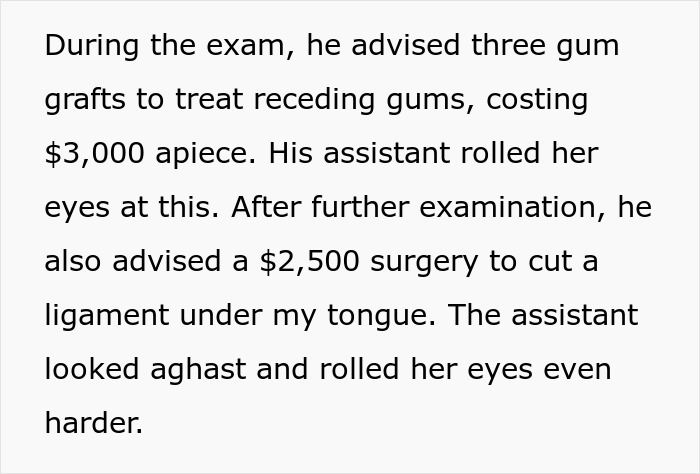
When lying in the dentist’s chair, one woman noticed that the dental assistant was rolling her eyes with every treatment the practitioner was prescribing


mdjaff / Magnific (not the actual photo), ai-assisted image
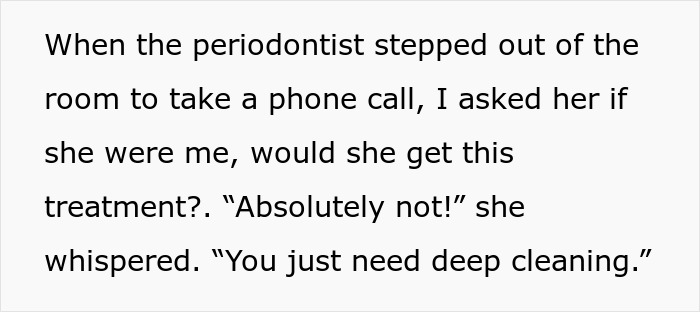
When the doctor left the room, the woman asked the assistant if she would undergo all these treatments, and she quickly confirmed her suspicions

cottonbro studio / Pexels (not the actual photo)
The doctor ordered $11,000 un unneccisary treatments, which the woman did not hesitate to write in her Google reviews
This kind of behavior is enough to get the doctor slapped with a big malpractice suit, according to experts
Google reviews account for an estimated 15% to 20% of the total weight for local SEO and Google Maps rankings, which means a cluster of honest negative reviews does not just hurt a business’s reputation in the abstract. It directly affects whether new patients can even find the practice when searching for a periodontist in their area. So this might have been a big “oopsie” on their part.
The trust deficit in American healthcare is growing, and with stories like this, it is not a surprise. A nationwide poll conducted by KFF found that only 15% of people with healthcare debt say they have a lot of trust that providers have their patients’ best interests in mind. By the time the assistant was driven to rolls, she must have seen this overcharge rodeo too many times.

Tim Mossholder / Pexels (not the actual photo)
Overtreatment, or medical overuse, is the prescription of unnecessary procedures, tests, or surgeries for financial gain rather than patient need. When it crosses into deliberate fraud, the consequences span multiple legal and professional areas simultaneously, including malpractice claims, loss of medical licensure, potential criminal charges for healthcare fraud, and civil liability to patients who underwent unnecessary procedures.
The $11,500 treatment plan was part of the business model, and the Caribbean photos on the wall might not have been the smartest way to advertise it. Considering that 67% to 88% of people trust Google reviews when choosing where to take their business, this author was really doing the lord’s work.
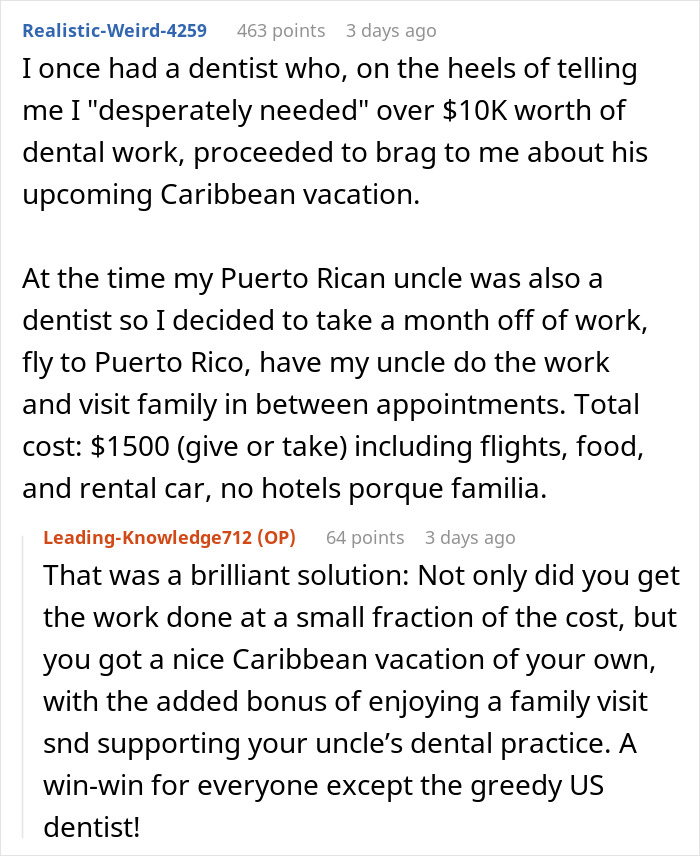
Do you blindly trust that a healthcare provider is not trying to line their pockets when prescribing treatment to you? Tell us in the comments how that is working out for you.
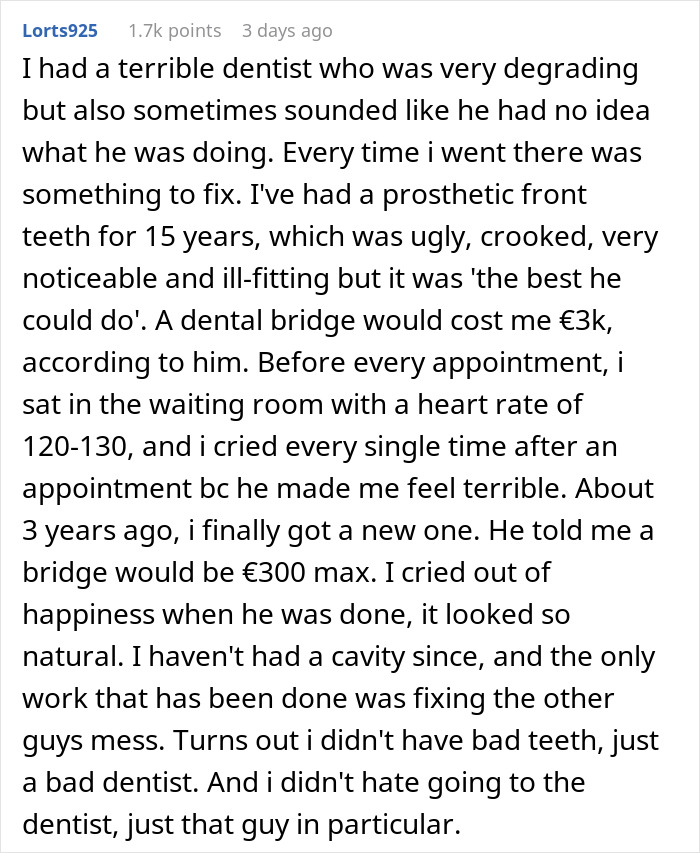
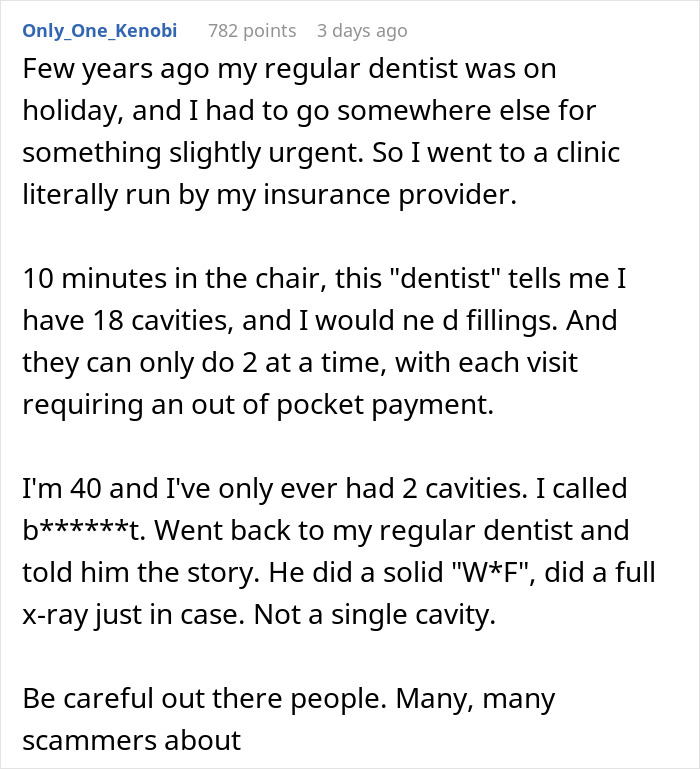
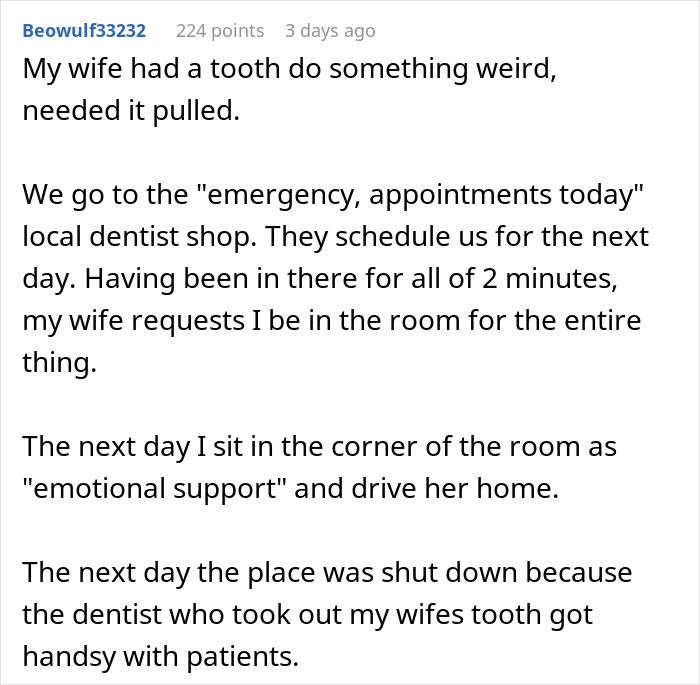
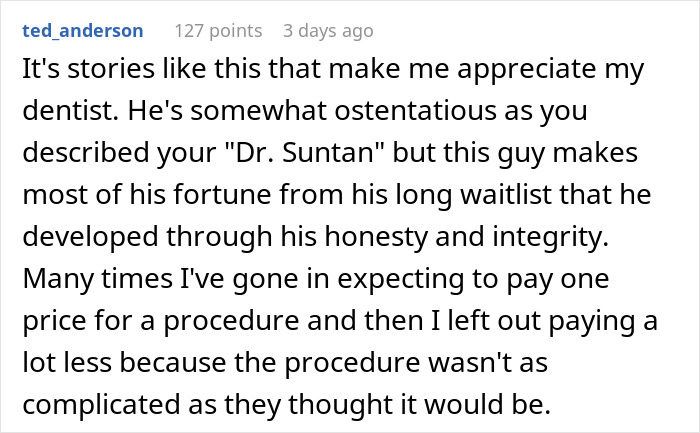
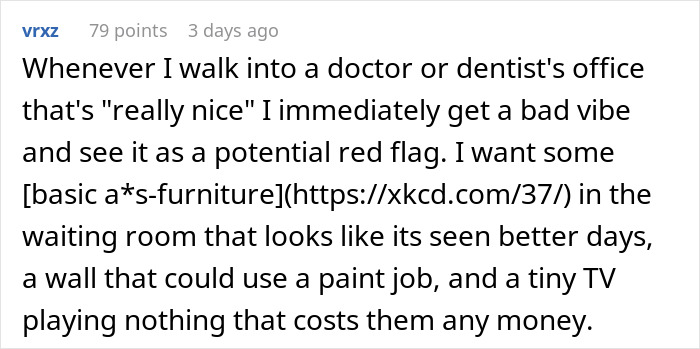
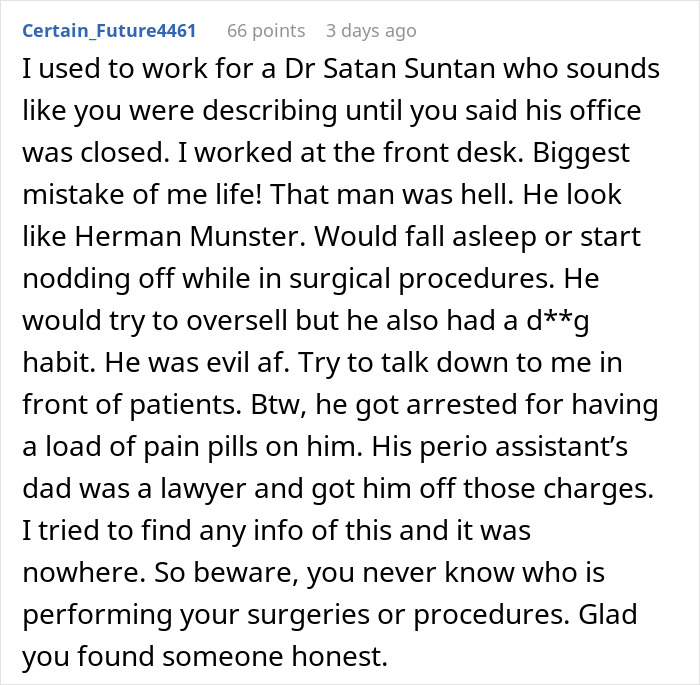
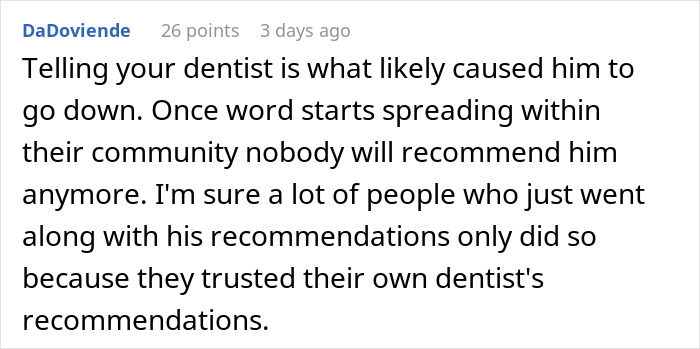
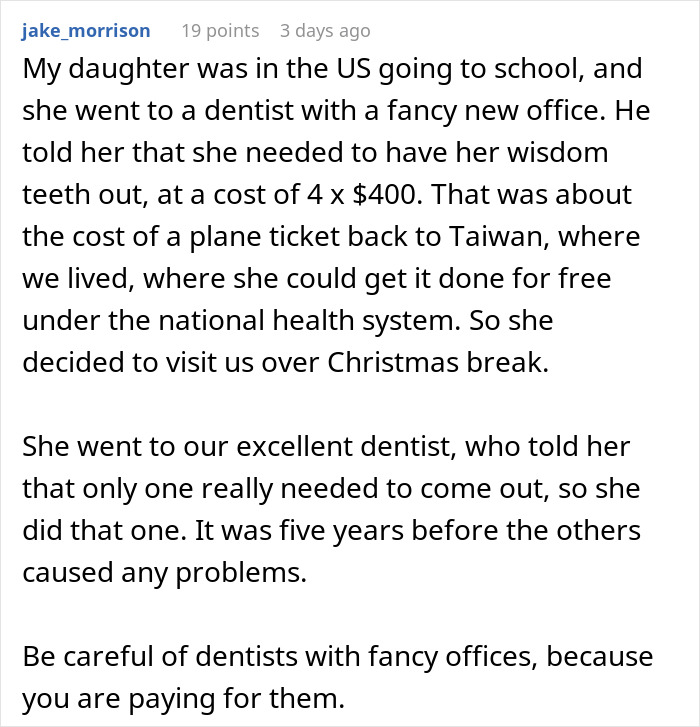
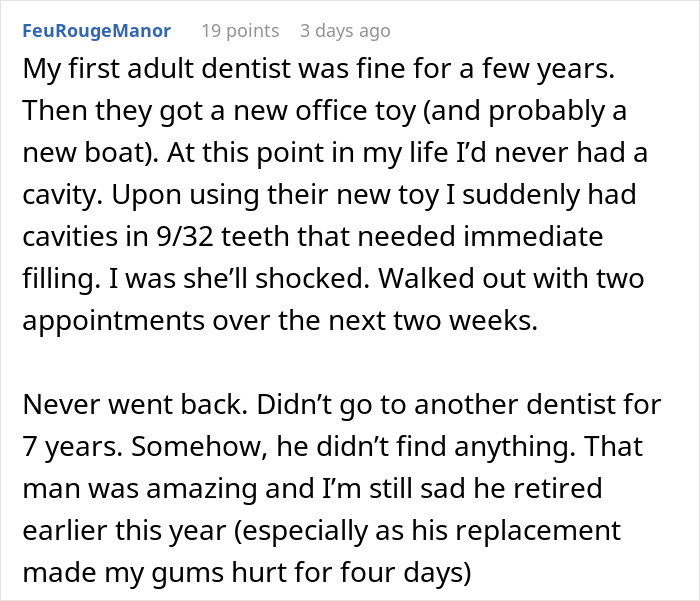
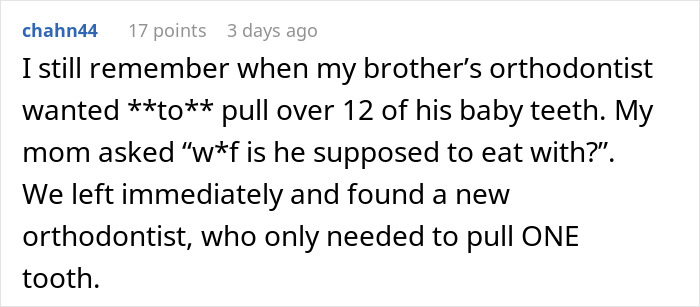
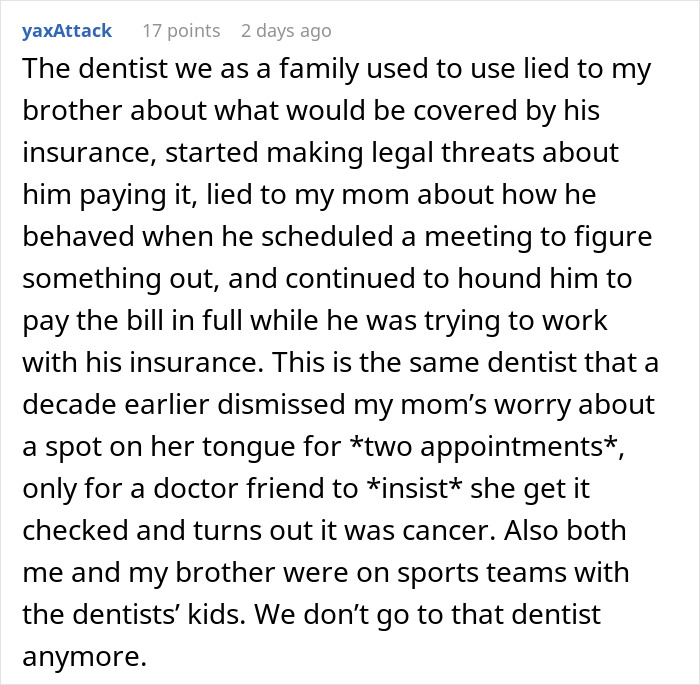
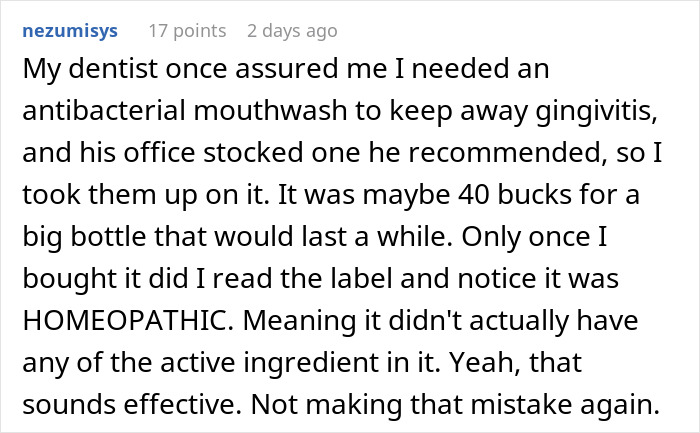
Shockingly, people in the comments had similar experiences, pointing to a much larger flaw in the system