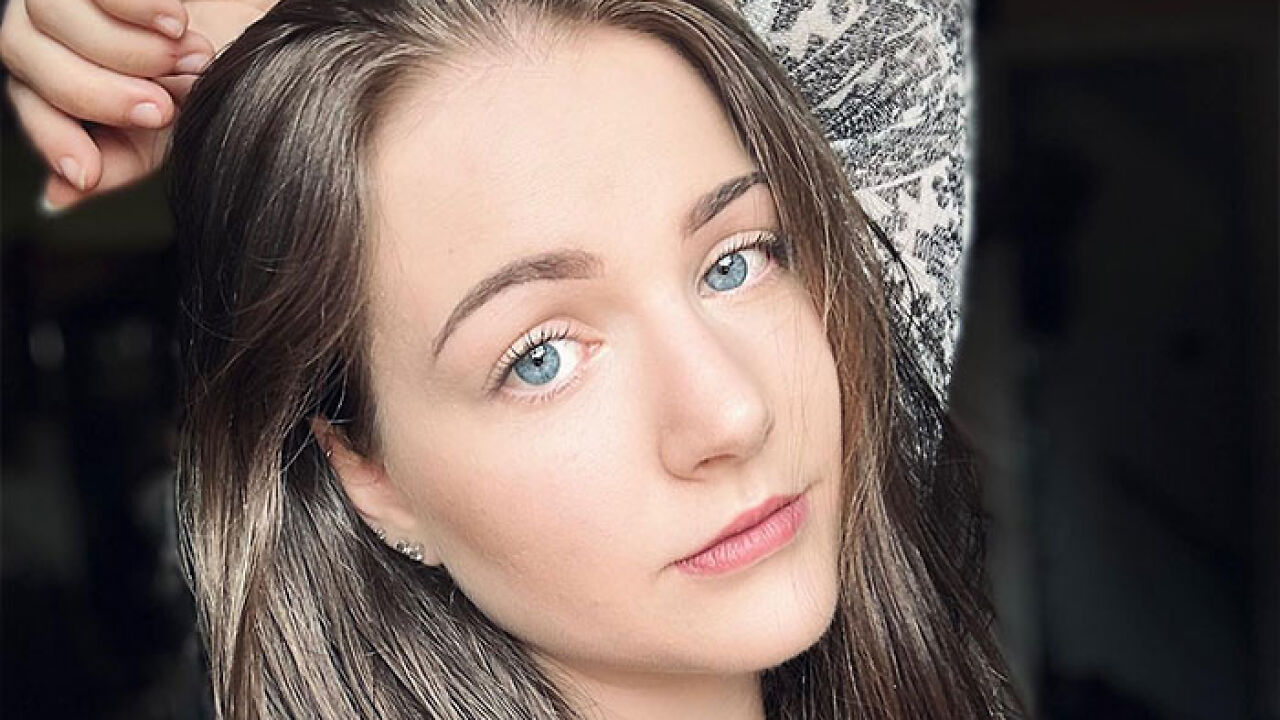
A woman spent the first 23 years of her life unaware that she had Down syndrome, and only discovered the genetic condition after several of her pregnancies raised questions doctors could no longer ignore.
Ashley Zambelli, a mother from Michigan, had experienced various health and learning difficulties growing up, but none of them had led to a clear diagnosis.
In February 2023, while pregnant with her third child, Zambelli finally received an answer to questions that had puzzled doctors for years.
“She doesn’t look like she has it, but it all makes sense now. I’d better get checked myself,” reacted one netizen upon learning the details.
Ashley Zambelli discovered her unexpected diagnosis in adulthood after three pregnancies involved Trisomy 21

In 2019, Ashley experienced a miscarriage, and genetic testing of the pregnancy tissue revealed that the baby had Trisomy 21.
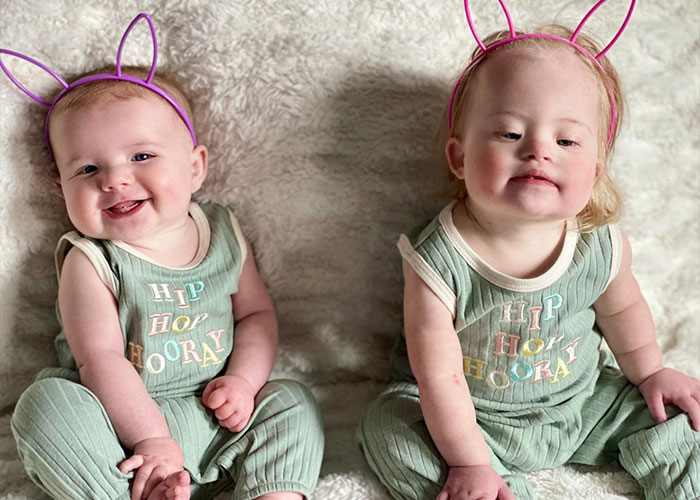
She later welcomed her first daughter, Lillian, in December 2020, who was also born with Down syndrome.
Her second daughter, Evelyn, born in December 2021, did not have the condition.
When Zambelli became pregnant again in 2023, prenatal screening indicated that her third child, Katherine, was also at high risk of having Trisomy 21.
The repeated results raised concerns for her OB/GYN.
Speaking to Metro in August 2026, Ashley recalled, “But the third time it happened with Katherine, alarm bells started ringing for my OBGYN, as she’d never had a patient with that many positive results before.”

Her doctor referred her for genetic counseling and further testing to determine whether she or her husband carried an underlying chromosomal abnormality.
Zambelli’s initial blood tests revealed nothing unusual.
However, doctors remained suspicious and ordered a buccal smear, a test that examines cells collected from inside the cheek.
The results revealed that approximately 3% of the sampled cells carried an extra copy of chromosome 21, confirming a condition called mosaic Down syndrome.
The rare form of Down syndrome can go undetected because it does not affect every cell
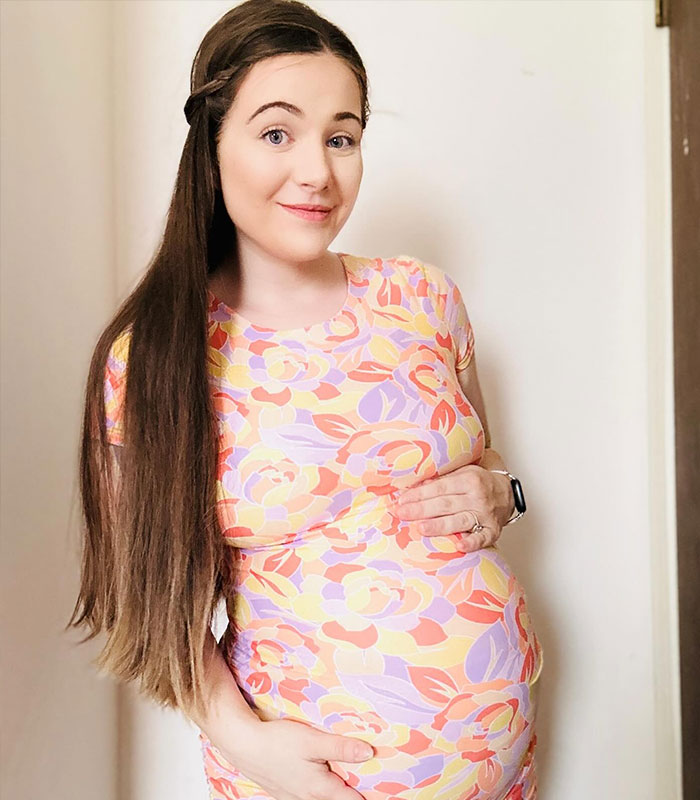
Ashley was 23 and around 28 weeks pregnant when she received the diagnosis in February 2023.
Down syndrome is a genetic condition caused by the presence of an extra copy of chromosome 21. However, not everyone with the condition has the same type.
Mosaic Down syndrome is a rare form in which a person has a mixture of cells.

Some have the usual 46 chromosomes, while others have 47 because they contain an extra copy of chromosome 21.
According to the National Down Syndrome Society, people with mosaic Down syndrome may have “fewer characteristics associated” with the condition than those with other forms.
However, effects can vary considerably depending on the individual and how affected cells are distributed throughout the body.
This variation can also make the condition harder to identify.
Someone with mosaic Down syndrome may have subtle physical characteristics or developmental differences that do not immediately prompt doctors to investigate the possibility of Down syndrome.
That was the case for Ashley. She said she did not have the more commonly recognized physical characteristics associated with the condition.
“The only thing I have is that my ears are smaller and they sit a little lower, but nobody ever sees my ears,” she told Metro.
Her childhood was not entirely free of health problems, however.
From around the age of 12, she experienced frequent kneecap dislocations, jaw dysfunction, low muscle tone, difficulties with learning and memory, and a persistently high heart rate.
Zambelli said she was “happy to finally have an explanation” for her lifelong health struggles
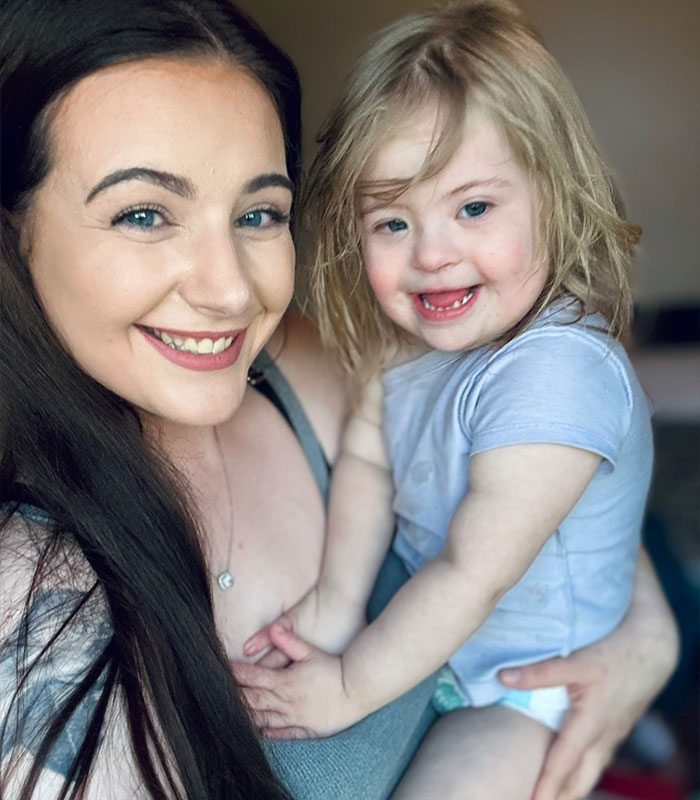
“My heart always racing. I was always getting out of breath,” she previously recalled. “Doctors knew something was going on with me; they just didn’t know what.”
Mosaic Down syndrome can sometimes be missed by routine blood testing because the extra chromosome may not be present in the particular blood cells examined.
Testing another type of tissue, such as cheek cells, can help identify mosaicism that a blood sample does not reveal.
Importantly, the percentage of affected cells in one sample does not necessarily represent the proportion throughout the entire body.
The distribution can differ between tissues, which is one reason the condition can present so differently from one person to another.
Although receiving a Down syndrome diagnosis in adulthood might have come as a shock to some people, Zambelli described her immediate reaction as happiness.
“I was at the hospital with my daughter Lillian when I found out,” the 26-year-old told the outlet. “She was having some tests done, and I got off the phone just as a nurse was coming in, and I was so happy.”

“I’ve never seen so much concern on somebody’s face. She didn’t understand why I was so pleased to have been diagnosed with Down syndrome. I struggled to explain it to her, but I was just so glad to finally have an answer.”
For the Michigan-based mother, the diagnosis finally connected several health problems that had previously seemed unrelated.
“I almost feel like I can understand more of what they are going through and how their brain processes things — it takes me longer to process things too, so I can just relate with them a little better,” she told Metro.
The mother of four is now raising awareness about mosaic Down syndrome through her social media content
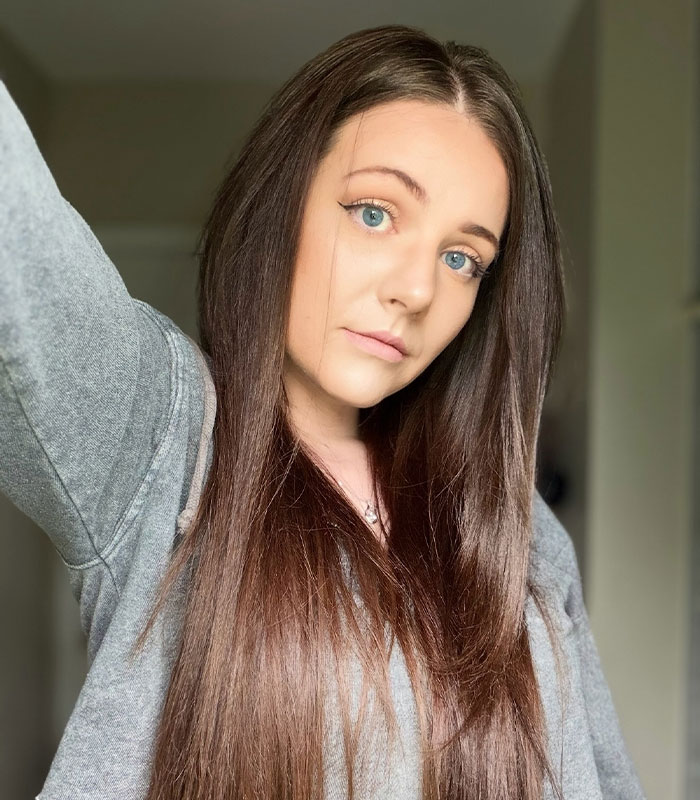
“People need to not see genetic testing as a bad thing. It’s a tool to be prepared.”
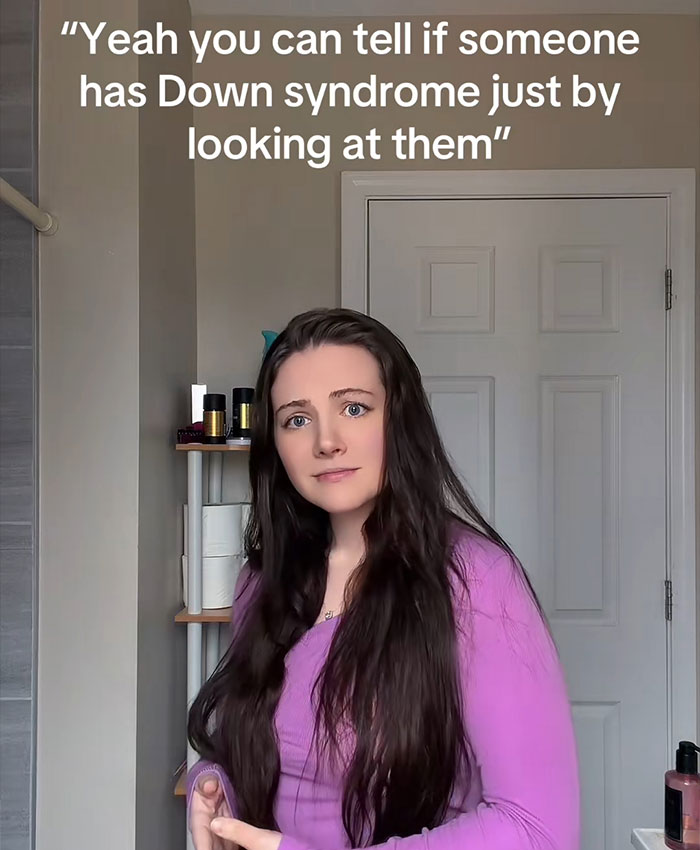
Zambelli has also faced skepticism from people who believe she does not look as though she has Down syndrome.
She has used her social media platforms to explain that the condition has different forms and does not look the same in everyone.
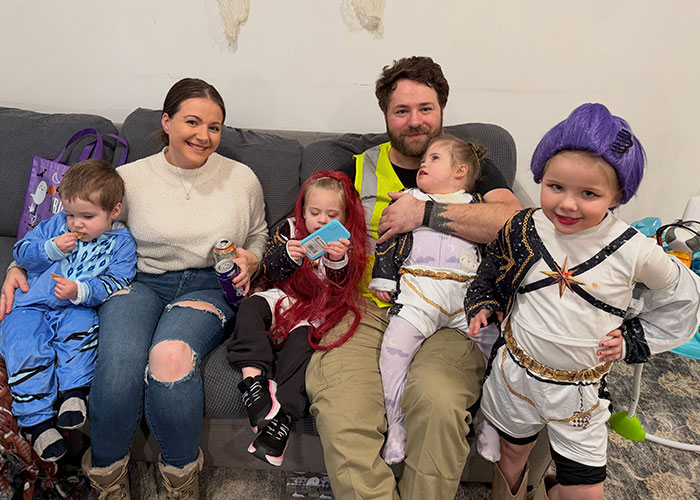
Ashley, now 26, lives in Michigan with her husband, Taylor, and their four children: Lillian, Evelyn, Katherine, and their son, Damian.
Two of her children, Lillian and Katherine, have Trisomy 21, while Evelyn and Damian do not have the condition.
Her diagnosis also helped explain why several of her pregnancies had been affected.
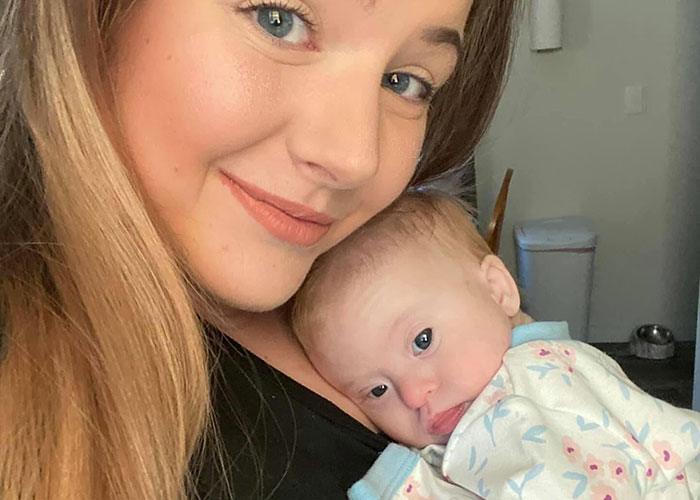
Because some of her reproductive cells carry an extra copy of chromosome 21, she has said she has an approximately 50% chance of passing the extra chromosome on during each pregnancy.
When the extra chromosome is passed on through an egg cell, the child typically has Trisomy 21 rather than the same mosaic pattern as the parent.
Today, Zambelli shares her family’s experiences and answers questions about mosaic Down syndrome on her social media.
“There are different levels of severity. Some are almost unnoticeable, and you wouldn’t be able to tell,” one netizen wrote