Some people seem to think they can treat service workers however they please, forgetting that there’s a real person on the other side of the counter. They make demands without considering how they speak to the people serving them.
But this woman took that attitude to a whole new level when she mistook a fellow customer for a pizza shop employee. Even after being corrected, she continued berating the stranger and later contacted her actual employer to try to get her fired. Pandas, wait until you see how this one played out!
Rude customers often forget that service workers deserve the same respect as everyone else

MART PRODUCTION (not the actual photo)
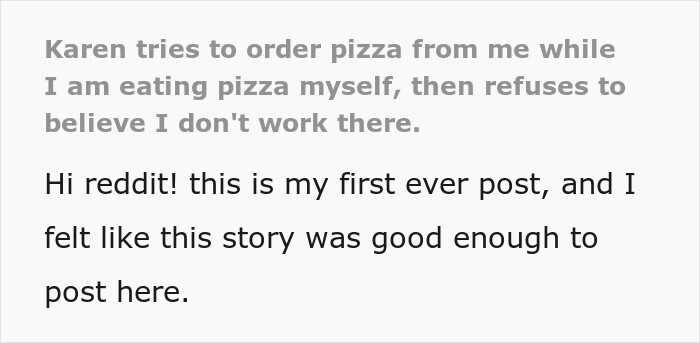
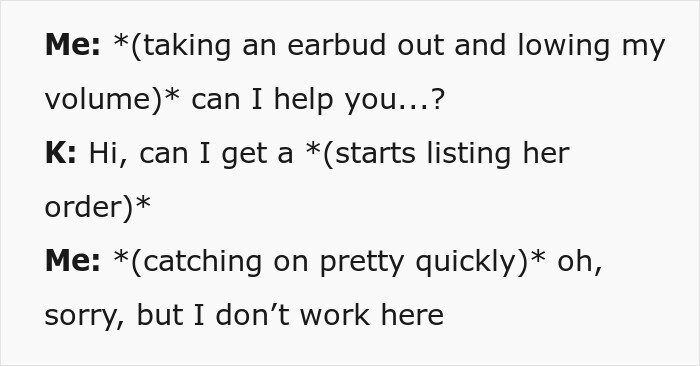
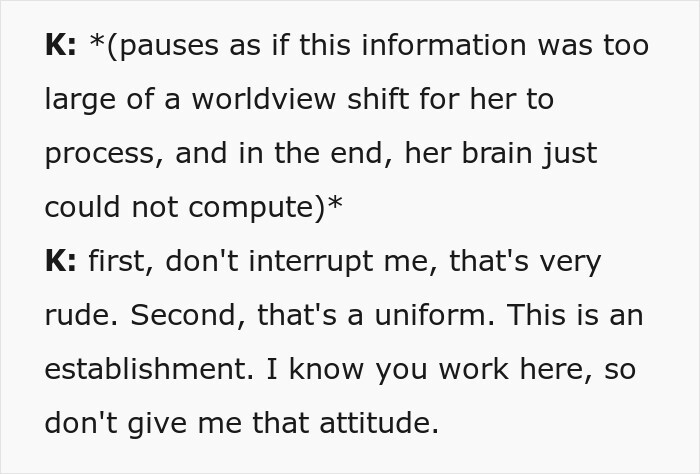
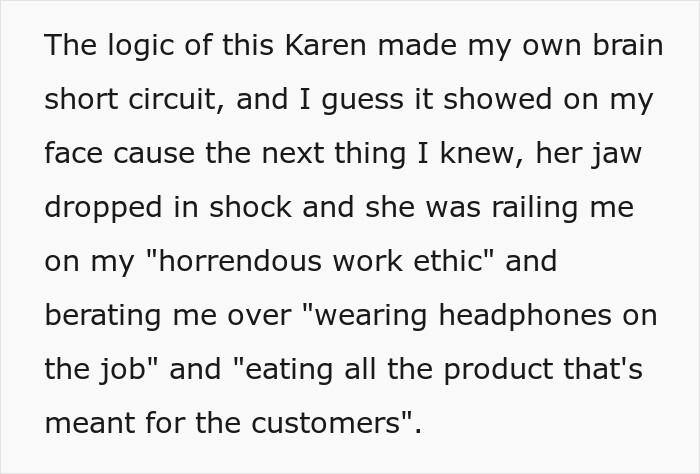
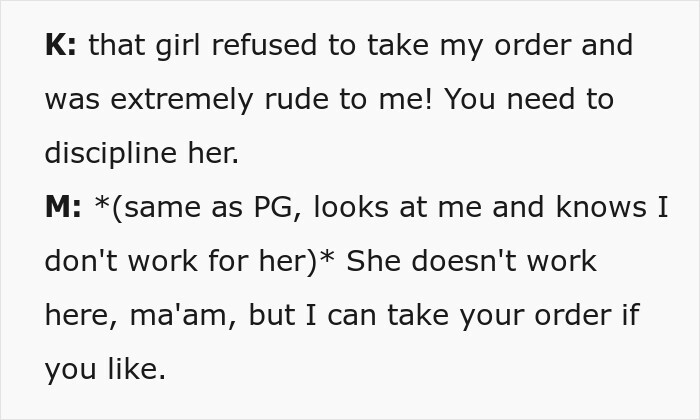
An entitled woman mistook a pizza customer for an employee and berated her even after being corrected
Max Avans (not the actual photo)

peoplecreations (not the actual photo)

Helena Lopes/Pexels (not the actual photo)
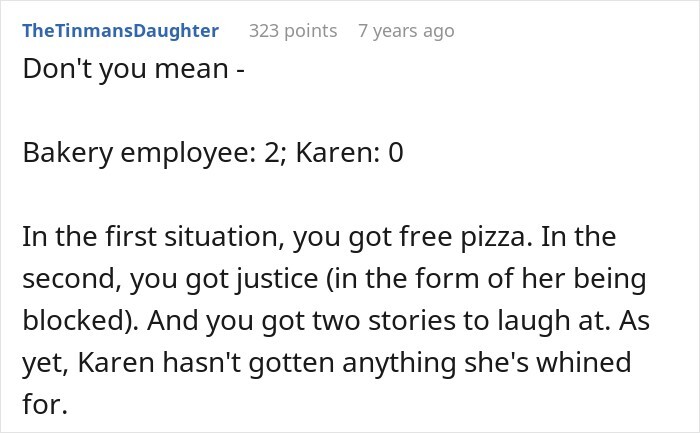
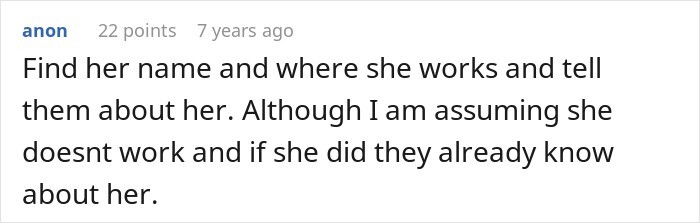
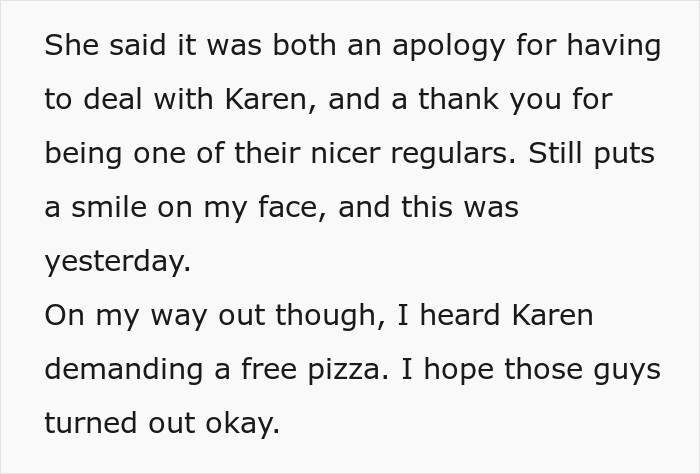
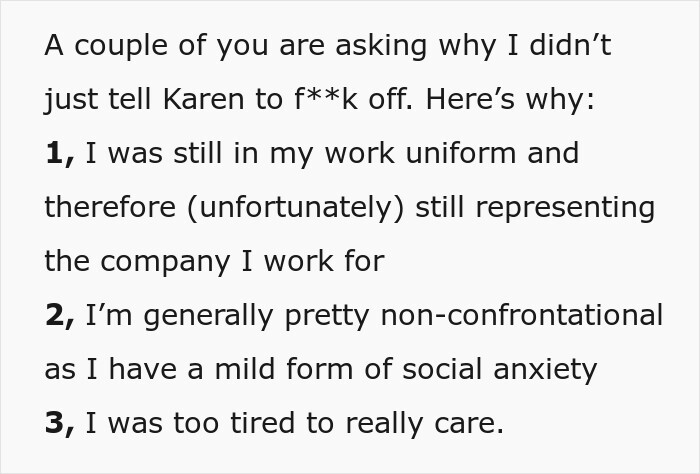
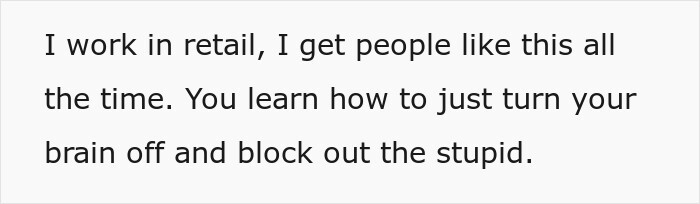
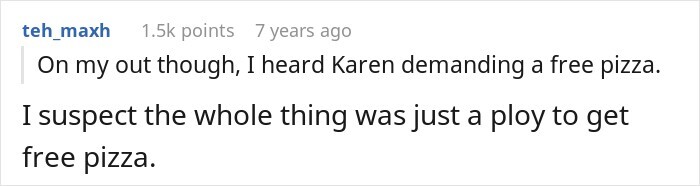
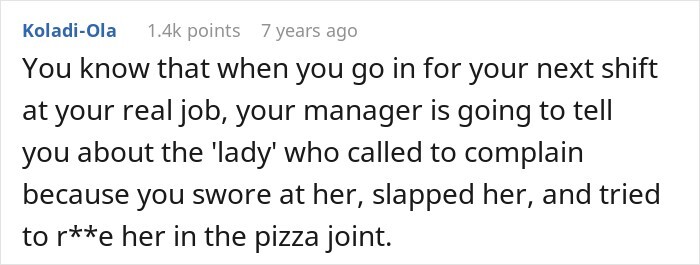
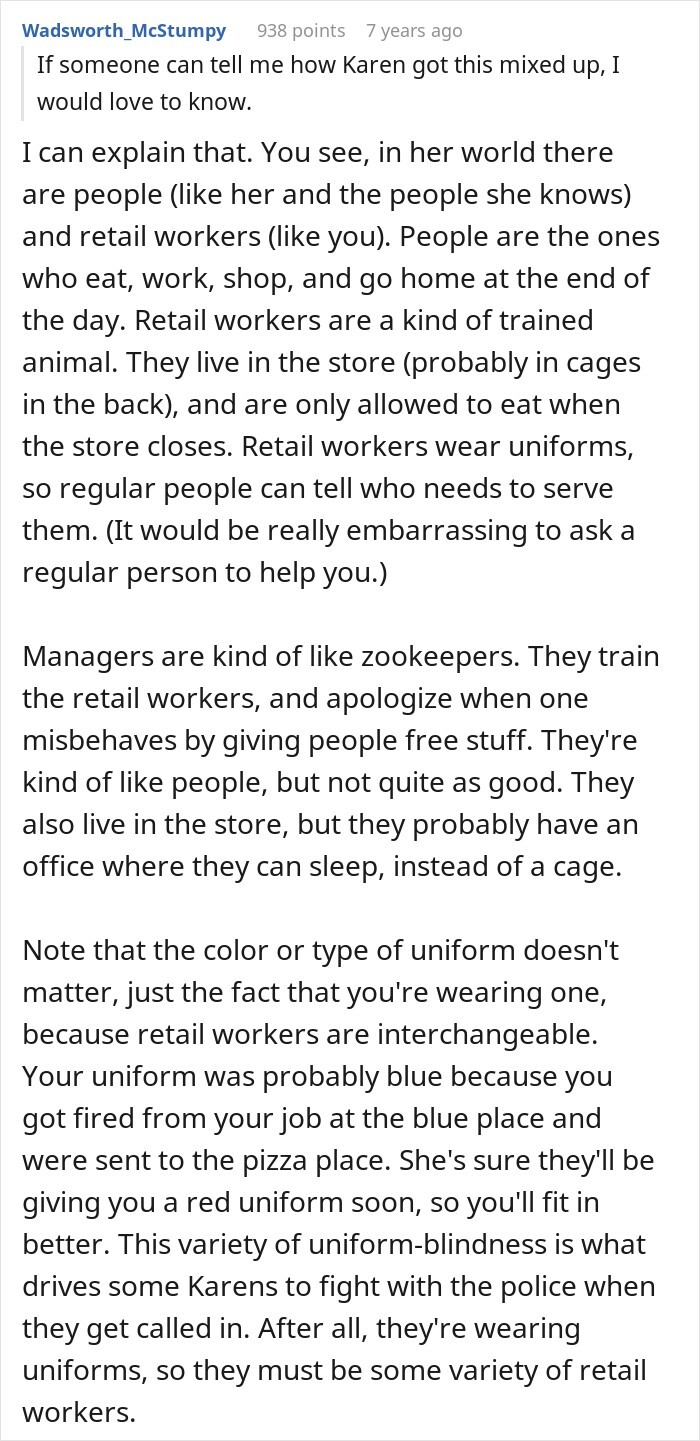
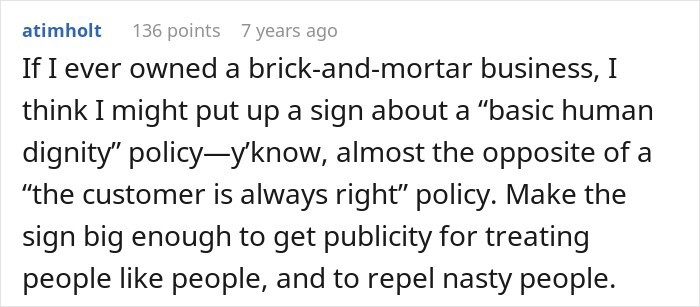
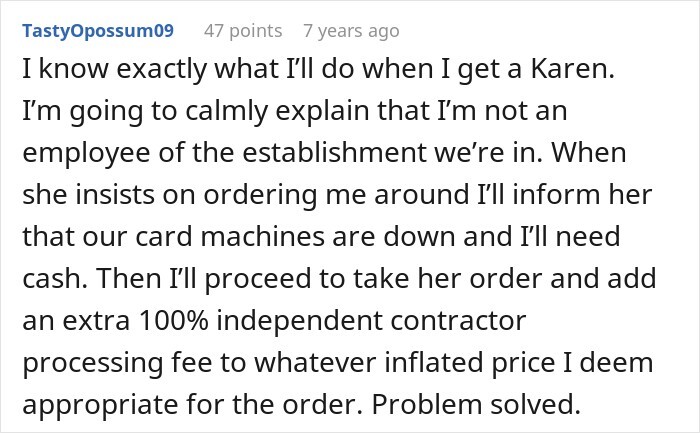
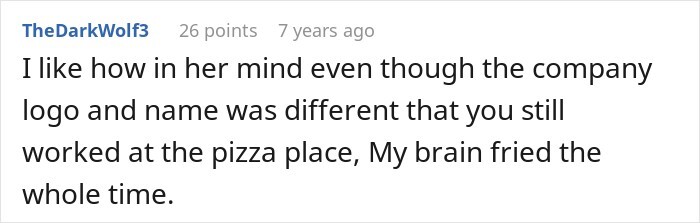
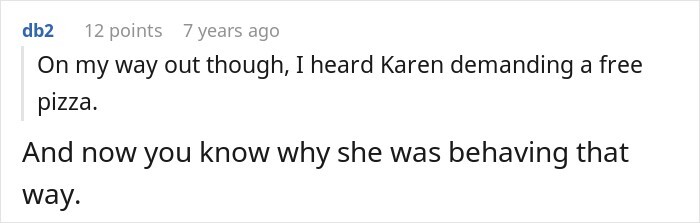
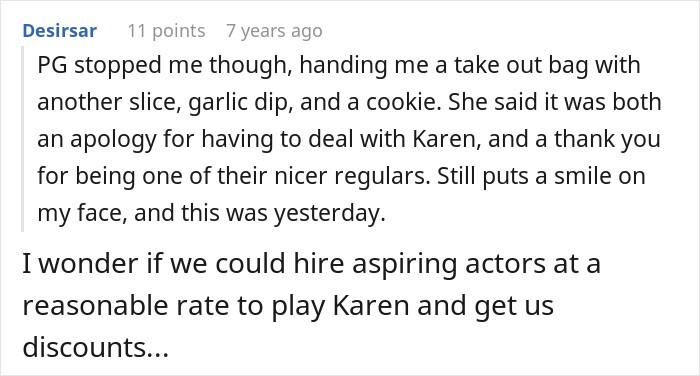
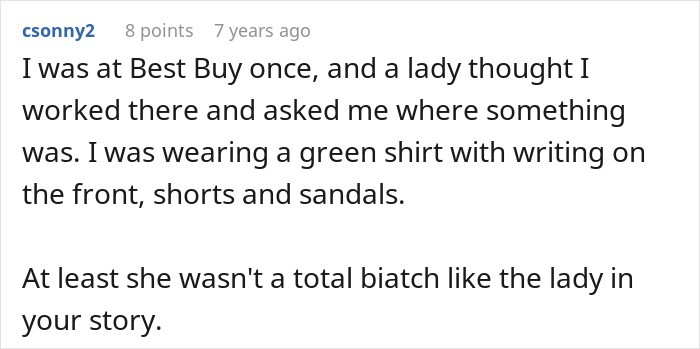
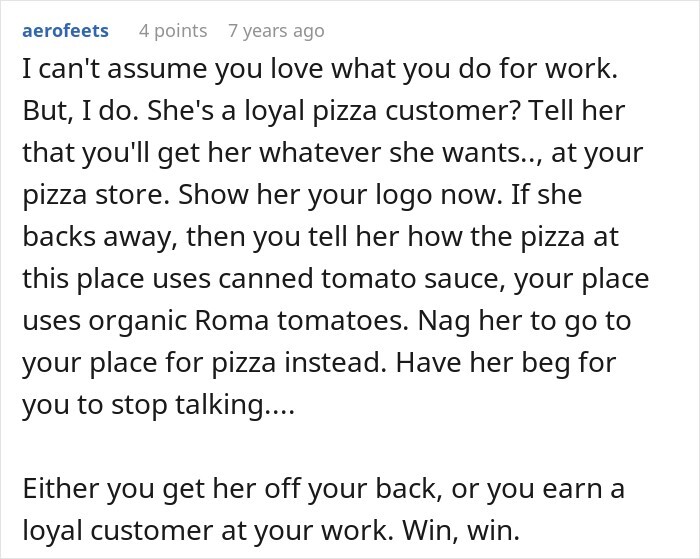
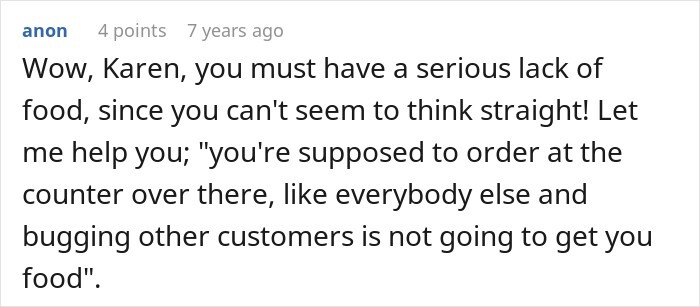
Commenters suspected the woman was trying to score a free pizza, while others criticized the entitled way some customers treat service workers







Oleksandr Plakhota (not the actual photo)
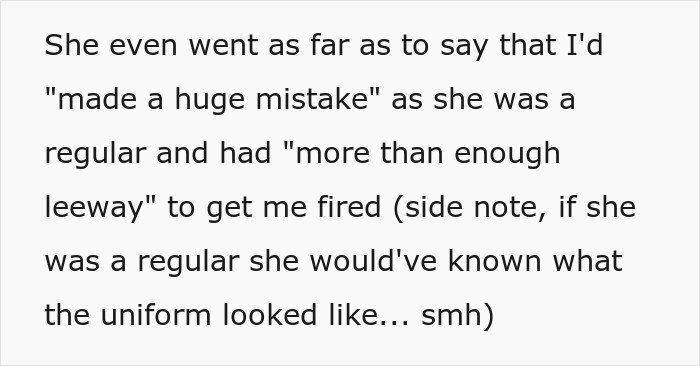
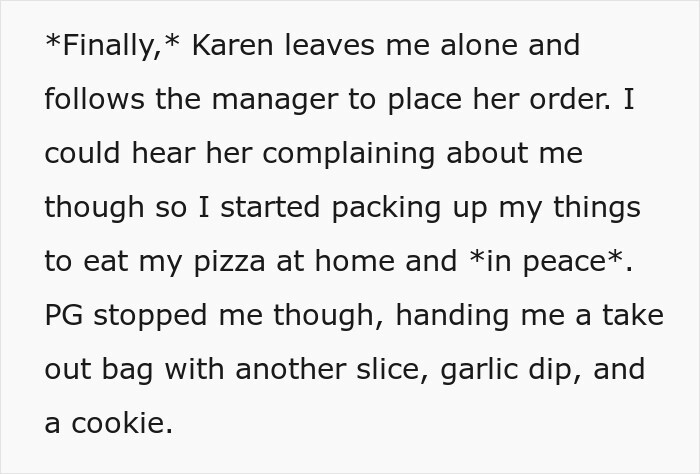
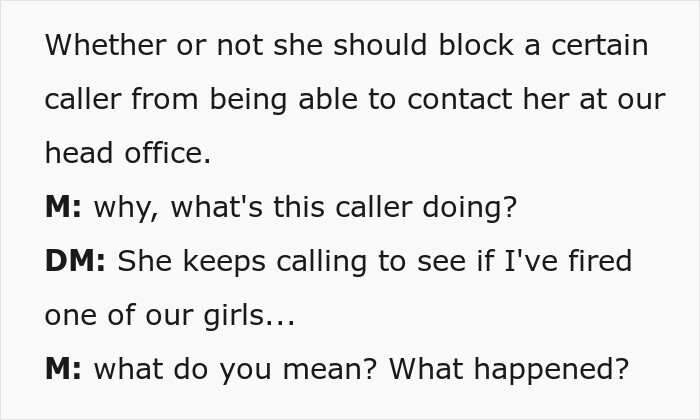
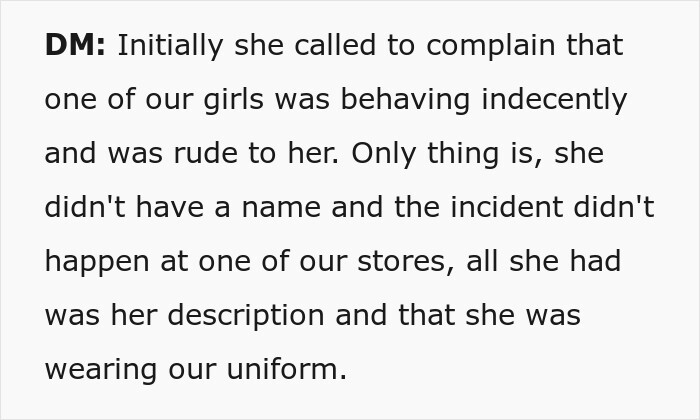
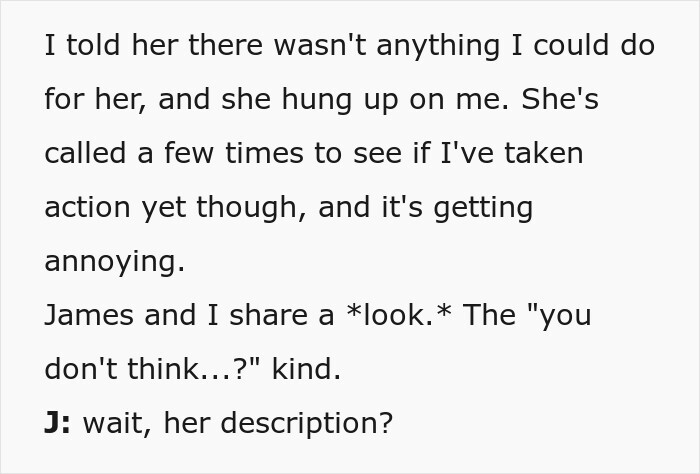
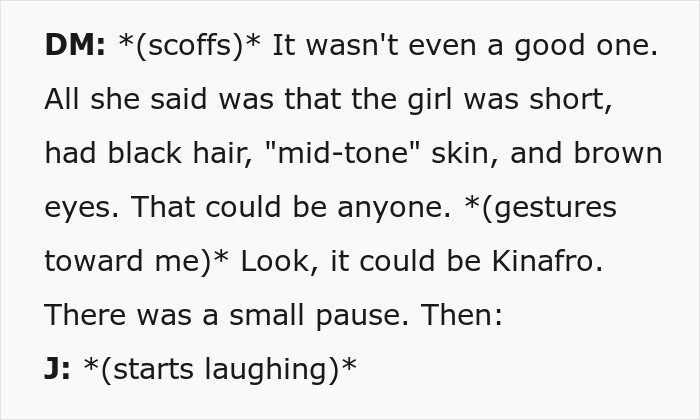
The poster later shared how the entitled customer contacted her actual workplace and tried to get her fired

Tima Miroshnichenko (not the actual photo)
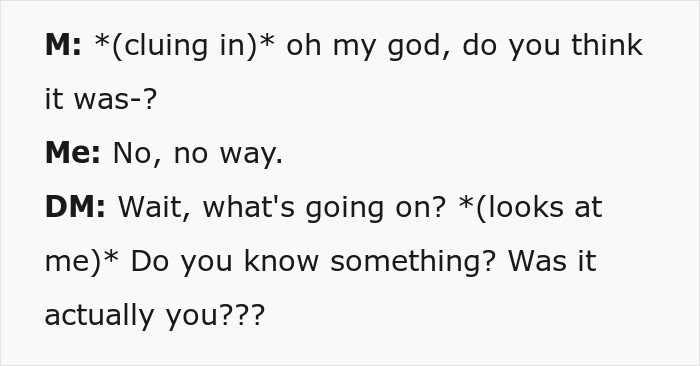
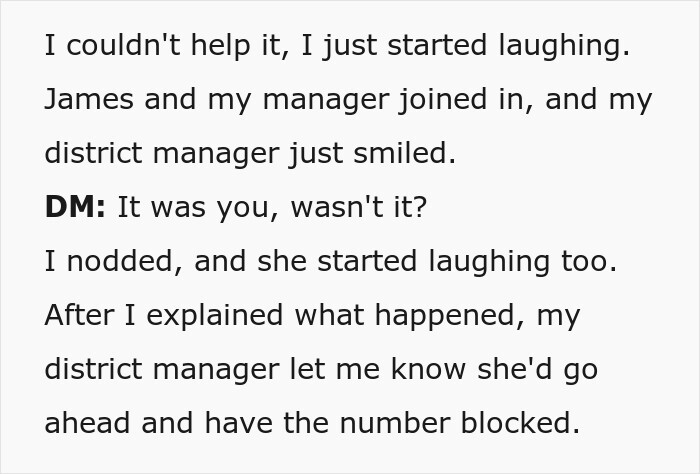

Jumping to conclusions can lead to unfair complaints and put innocent employees’ jobs at risk
People sometimes get an idea in their heads and become so convinced they’re right that they stop listening to anything that suggests otherwise. The American Psychological Association describes this as confirmation bias. This means the tendency to focus on evidence that supports an existing belief while dismissing information that challenges it.
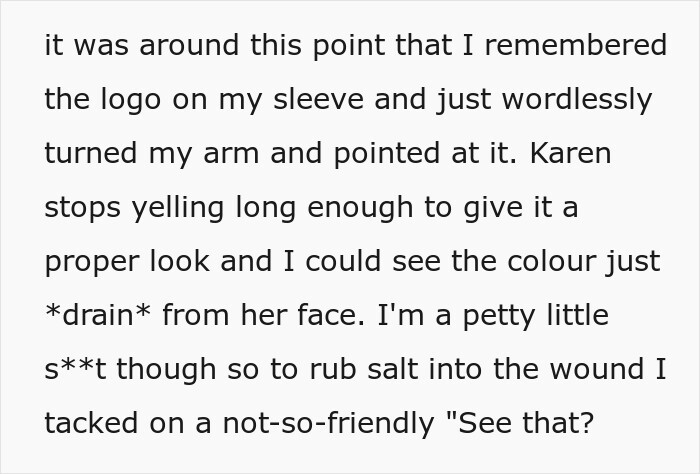
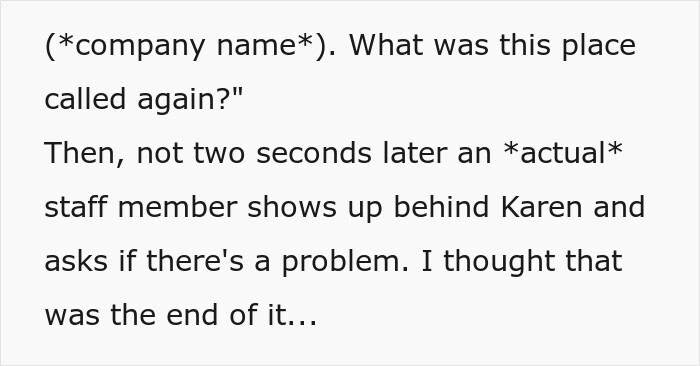
A uniform might have been enough for the customer to assume the woman was a pizza shop employee, but it wasn’t proof. Once the woman pointed out the logo on her sleeve and explained that she didn’t work there, the customer could have just asked an actual employee for help. Instead, she kept arguing.
Rather than let the matter go, the customer complained to the woman’s actual employer and tried to get her fired. This is why businesses should review complaints carefully before taking action, so they don’t unfairly punish an innocent employee.
Workplace experts recommend speaking to everyone involved, reviewing the available evidence, and giving employees a fair chance to explain their side before deciding how to handle a complaint.
Even when a complaint doesn’t lead to disciplinary action, having to explain yourself to your manager over something you didn’t do can still be an unpleasant experience. Thankfully, the poster’s manager saw through the customer’s accusations and didn’t treat her repeated calls as evidence of any misconduct.
But the problem here goes beyond one customer’s refusal to admit she was mistaken. The way she spoke to the woman reflects a broader issue with how some people treat those they believe are there to serve them.

William Fortunato/Pexels (not the actual photo)
Constant disrespect from customers can affect employees’ well-being and make life difficult for those in customer-facing jobs
Some customers seem to believe that paying for a service gives them the right to demand special treatment, regardless of how they speak to the people serving them. Researchers call this behavior customer entitlement.
In a study involving 56 people with experience working as waitstaff, participants revealed that some customers expected special treatment and acted as though employees owed them more than their jobs required. These encounters left the workers feeling stressed, dehumanized, and emotionally drained.
Unfortunately, this isn’t an occasional problem. A 2025 survey of nearly 9,000 UK retail workers by the trade union USDAW found that 78% had experienced verbal abuse from customers during the previous year. More than half had also been threatened.
Being treated this way can take a toll on workers long after an unpleasant interaction ends. A study on how customers’ rude and aggressive behavior affects employees found that repeatedly dealing with difficult customers can wear workers down to the point where they no longer want to stay in their jobs.
These experiences contribute to emotional exhaustion, making it harder for employees to stay motivated and cope with the demands of their work. No one should have to put up with constant disrespect just because their job involves helping customers.
What do you think? Should customers be held more accountable for how they treat service workers, or has rude behavior become something employees are expected to tolerate? Share your thoughts in the comments!
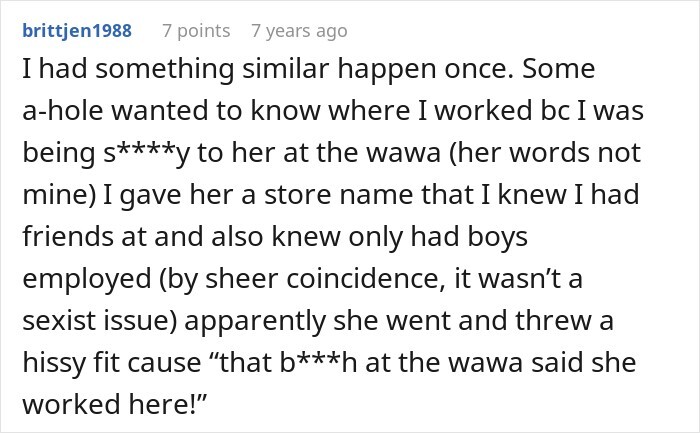
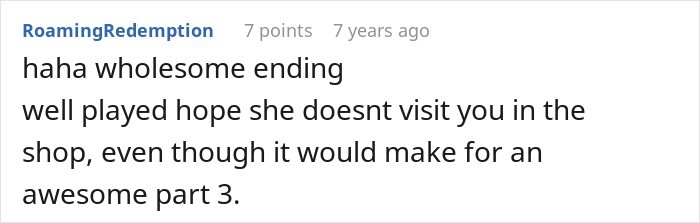
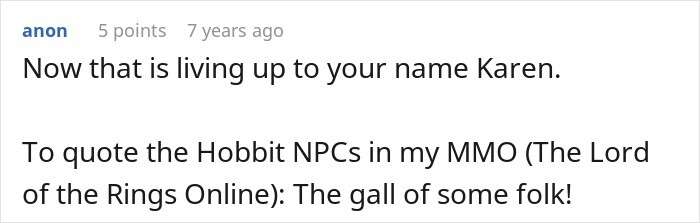
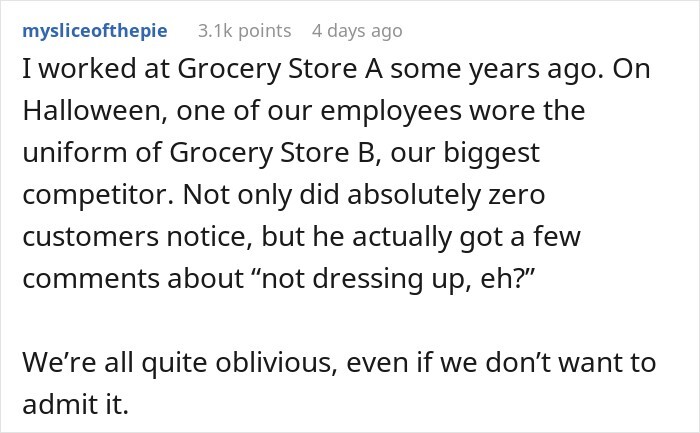
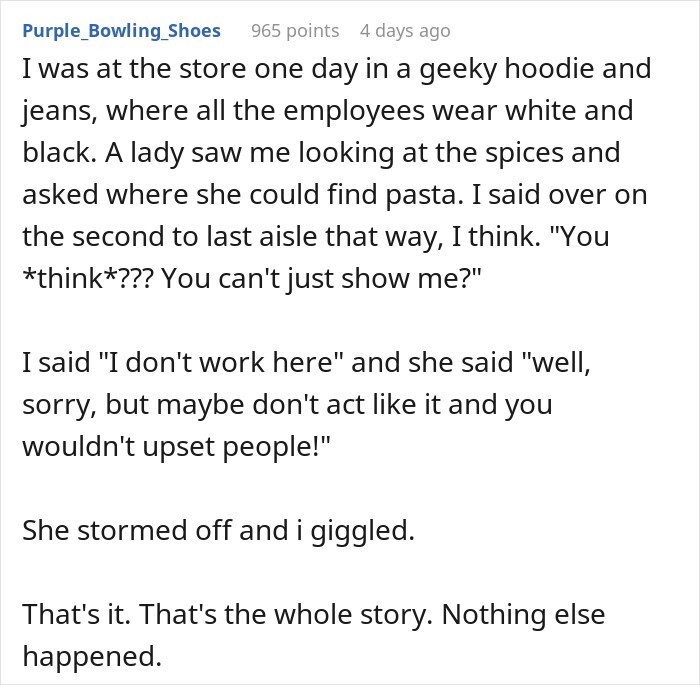
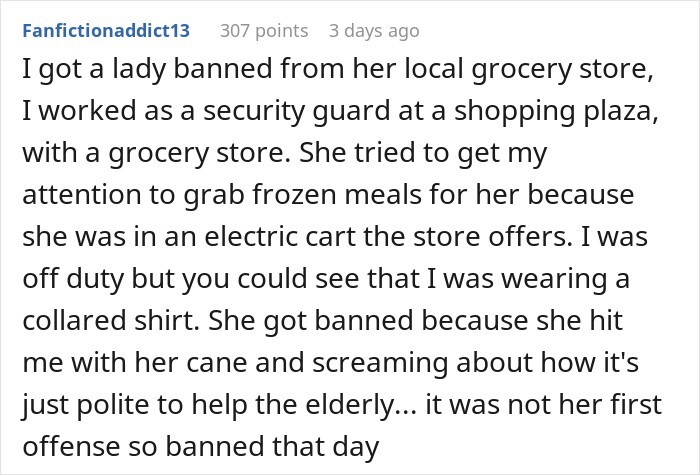
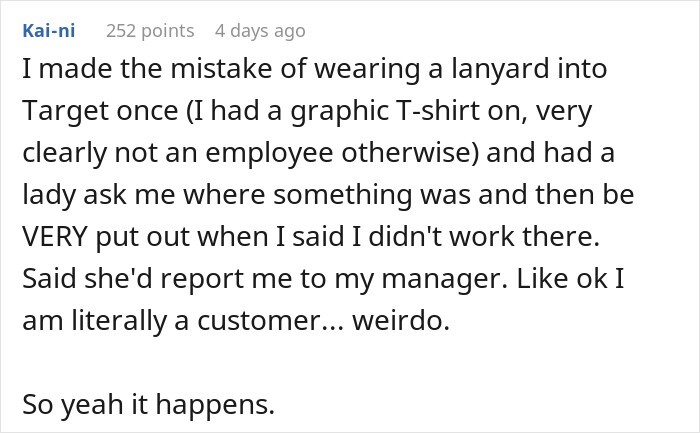
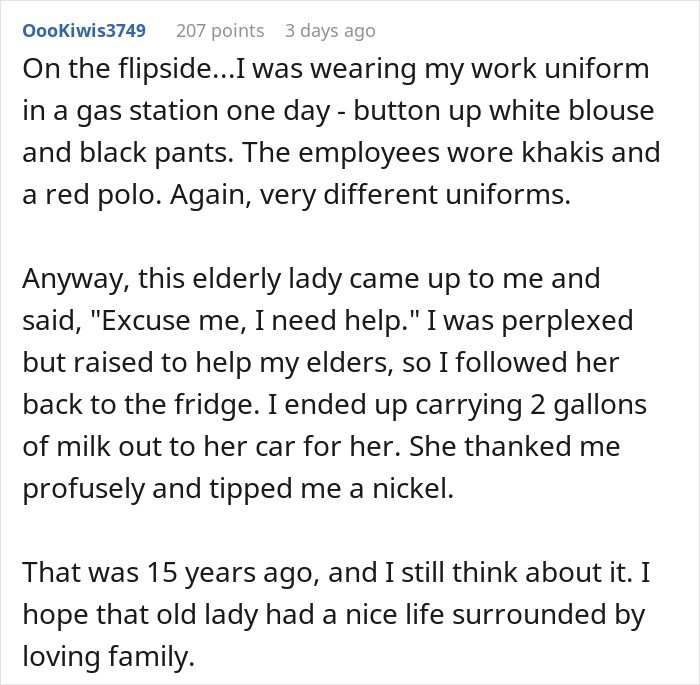
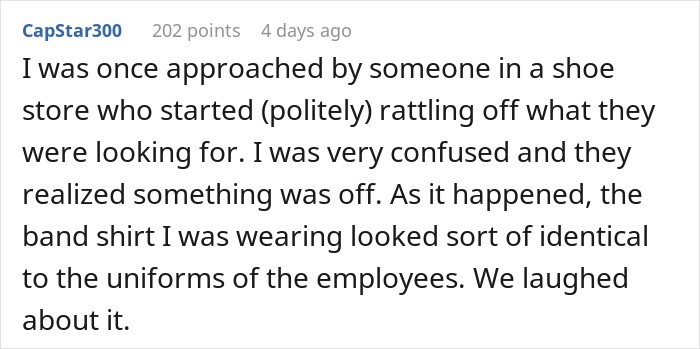
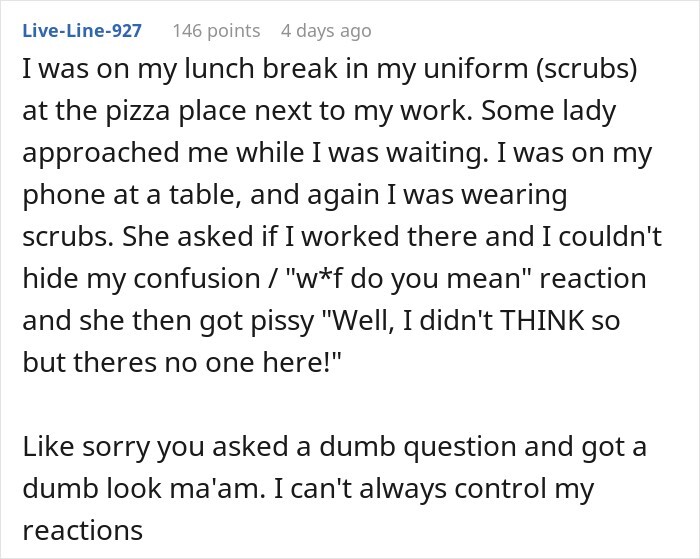
The woman’s treatment of a fellow customer drew criticism, with readers recalling similar encounters with entitled people