Some people seem to think their needs should always come before anyone else’s, even if it means asking a stranger to give up something they genuinely need. And when they don’t get their way, they can become very disrespectful and dismissive.
Take this entitled dad, for example, who demanded an older woman’s wheelchair for his tired son. He clearly underestimated the 80-year-old granny, who had no intention of letting his rude behavior slide. Read on to see how she responded.
Basic etiquette seems to go out the window for people who have little regard for others, especially older people and people with disabilities

chormail / Magnific (not the actual photo)
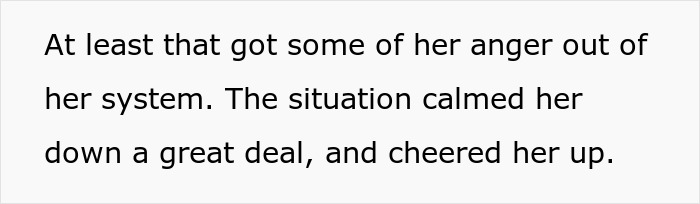
An entitled dad demanded an older woman’s wheelchair for his tired son, but she wasn’t having it
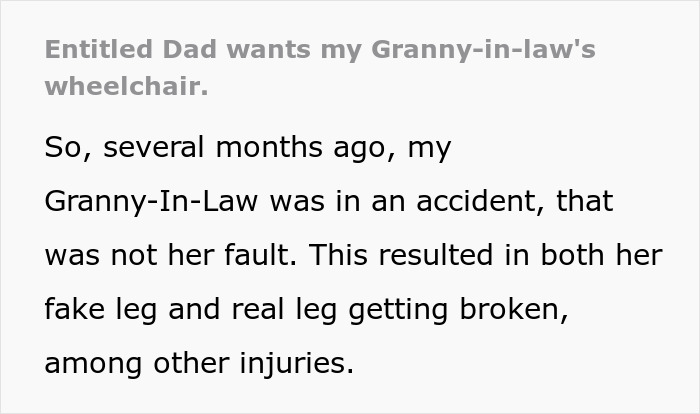
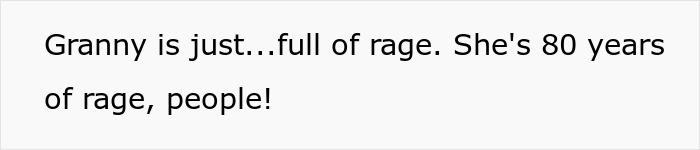
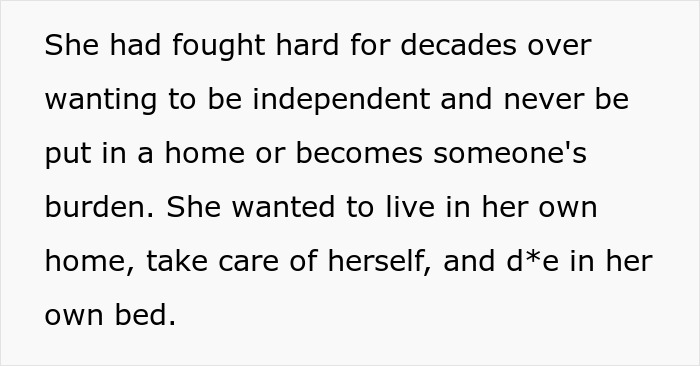
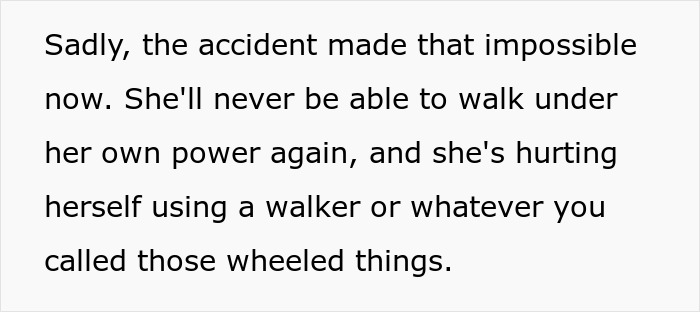

pressfoto / Magnific (not the actual photo)
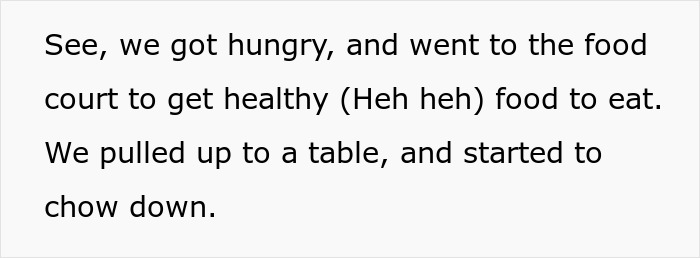

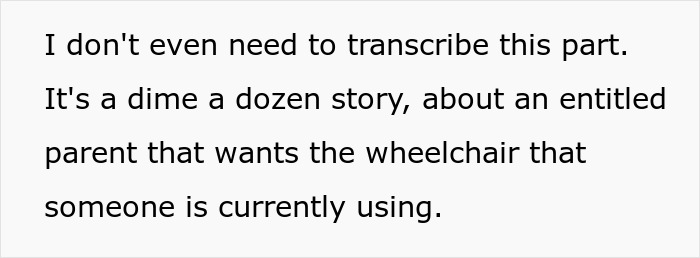
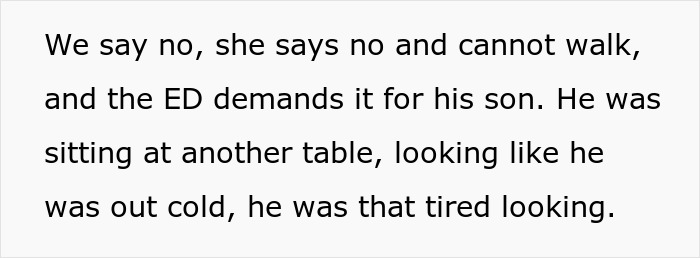

kues1 / Magnific (not the actual photo)
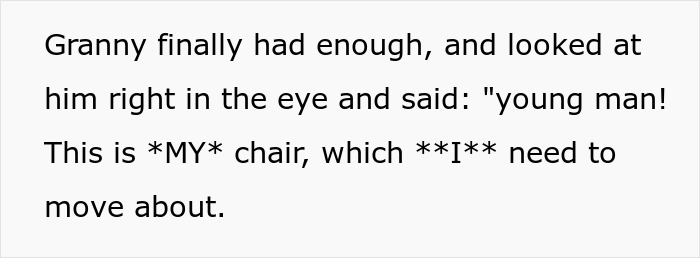
magnific / Magnific (not the actual photo)


The Yuri Arcurs Collection / Magnific (not the actual photo)


magnific / Magnific (not the actual photo)

pressfoto / Magnific (not the actual photo)
Wheelchairs help people with mobility problems get around and maintain their independence
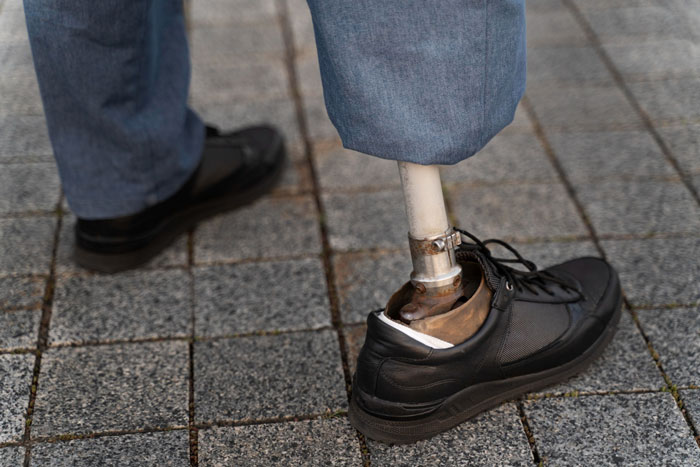
A wheelchair is more than just a place to sit for someone who has difficulty walking. It can be an essential mobility aid that helps them get around, leave the house, and maintain some independence. According to the NHS, people who have had a lower-limb amputation may need a wheelchair to move around, particularly during recovery.
Getting used to life after losing a limb can take time. People may need rehabilitation, physical therapy, and a prosthetic limb to help them regain mobility. Even then, walking may remain difficult or uncomfortable for some. Experts revealed that some people experience problems with prosthetic limbs, which can affect how comfortably and reliably they move around.
Advanced age can make things harder when someone is already dealing with an injury or mobility problems. The National Institute on Aging explains that changes in balance, strength, and walking ability can make it harder for older adults to carry out everyday activities. Now, add being an amputee into the mix.
This is why it is important not to assume someone can manage without a wheelchair simply because they appear healthy or are sitting comfortably. In Granny’s case, she had suffered serious injuries and could no longer walk independently.
Her wheelchair helped her get out of the house and spend time with her family. Giving it up so another person could sit down would have meant taking away something she genuinely needed to get around.

Lifestylememory / Magnific (not the actual photo)
People should respect the needs and independence of older adults and people with disabilities
Unfortunately, people with disabilities face assumptions about what they can and cannot do. Disability advocates advise people not to assume someone’s abilities based on appearances. Some wheelchair users can stand or walk short distances, for example, but that does not mean they no longer need their mobility aid. The person using it is best positioned to explain their own needs.
This prejudice can also affect older adults. The World Health Organization describes ageism as stereotypes or discrimination based on a person’s age. It involves assuming that an older person is incapable, dismissing their needs, or treating them as less deserving of respect because of their age.
There are simple ways to treat people with disabilities and older people more respectfully in public. This disability etiquette guide recommends asking before offering assistance and never grabbing someone’s wheelchair or other mobility equipment without permission. These devices are personal space and tools for getting around.
Of course, everyone can get tired while spending time out, and it is understandable for a parent to want their child to rest. But that does not entitle them to take a mobility aid from someone who relies on it.
A little consideration would have helped this dad recognize that Granny’s wheelchair was not an available seat for his son. Instead of accepting her explanation, he questioned her disability and insulted her. His behavior turned a simple request into a confrontation that could easily have been avoided.
What do you think about this situation? Did Granny take things too far with her response? Let us know your thoughts in the comments!
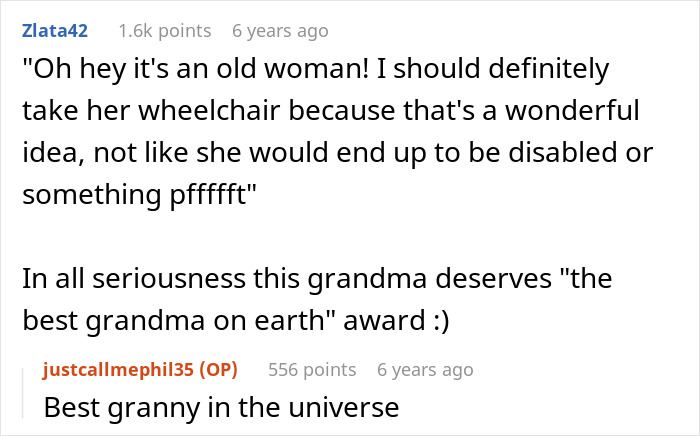
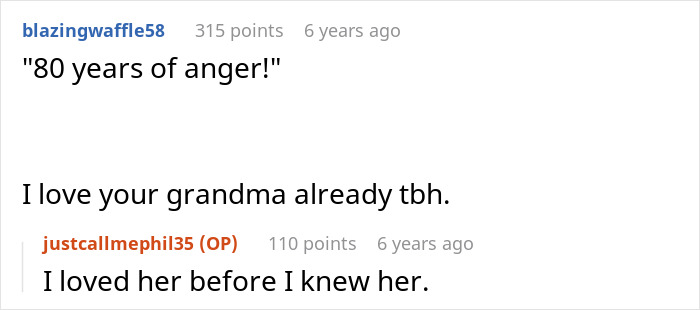
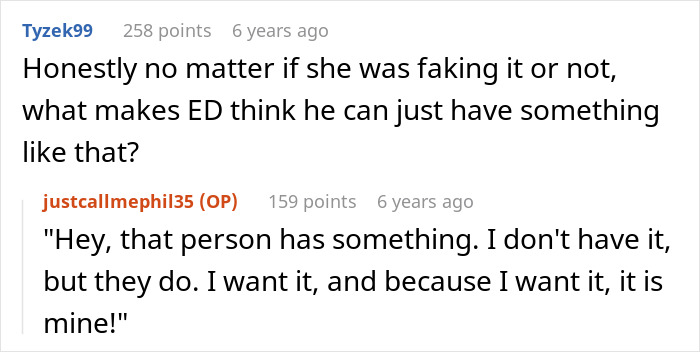
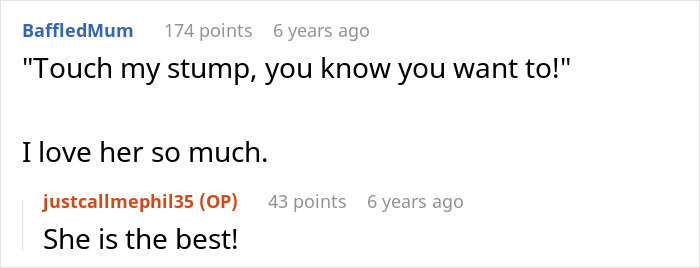
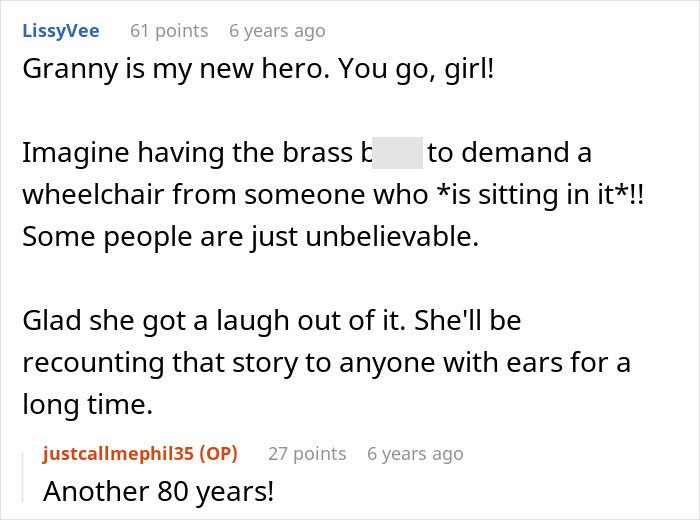
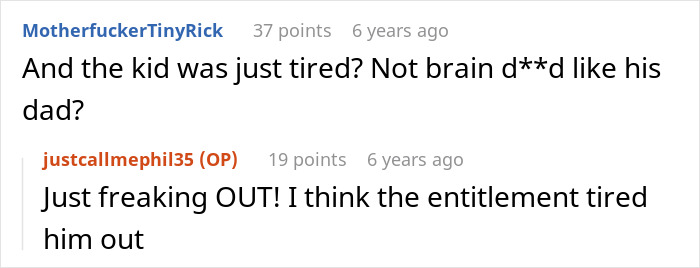
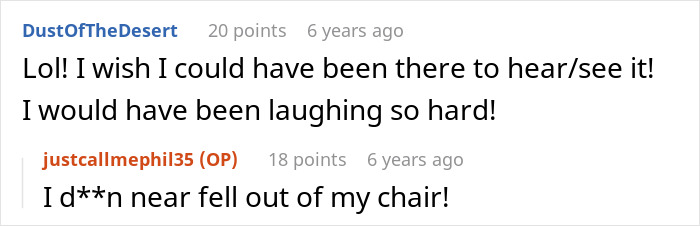
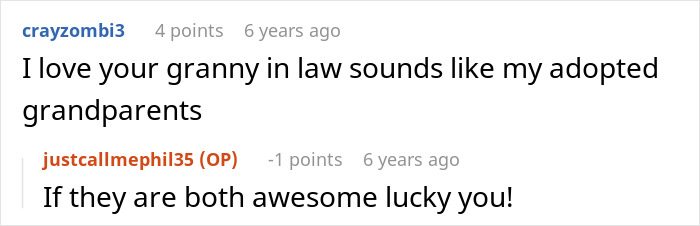
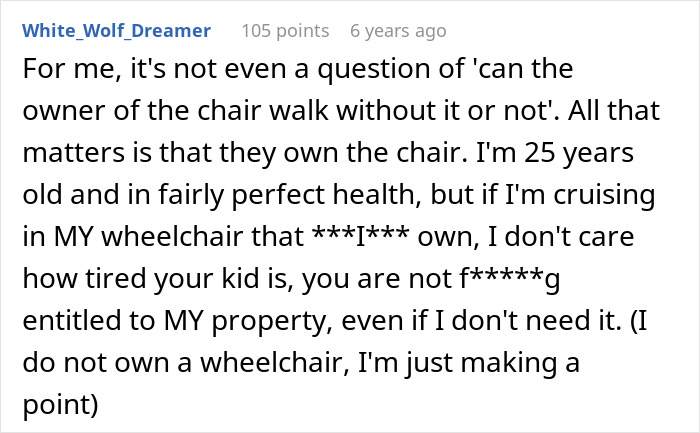
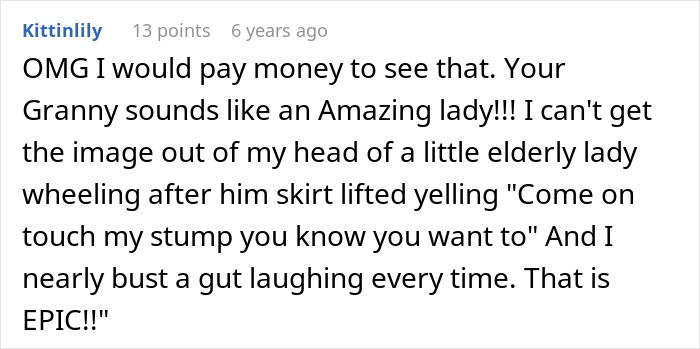
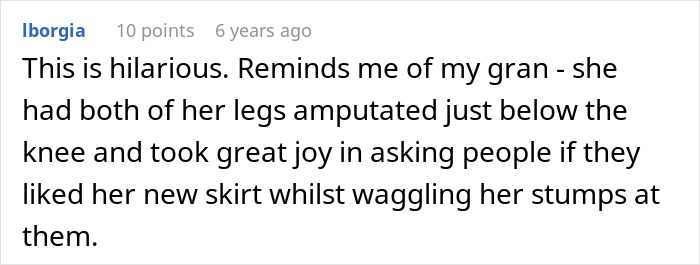
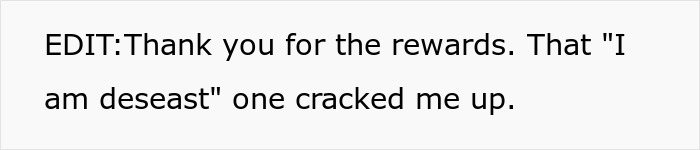
Commenters cheered Granny on for hilariously putting the entitled dad in his place and loved how she handled the situation