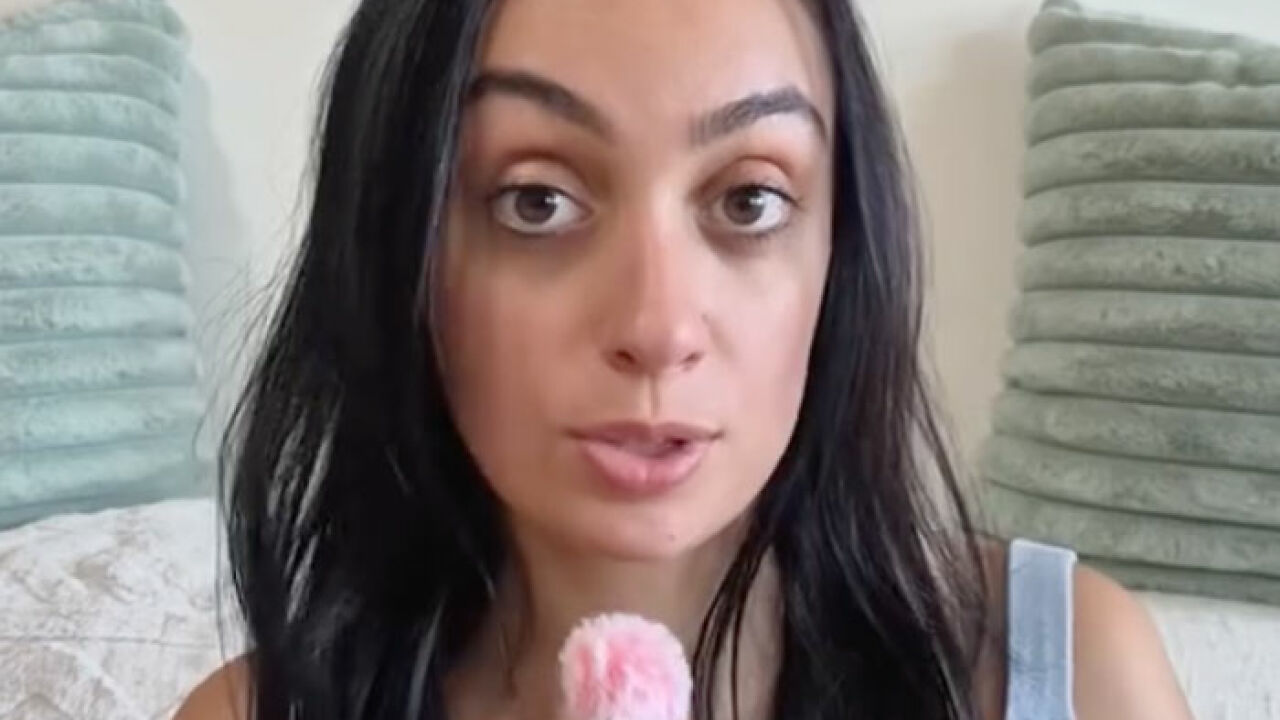
A woman diagnosed with ADHD and autism spoke about why she not only quit one job but quit the idea of jobs entirely.
After a string of bitter experiences like burnout and bullying at her workplace, a New York mom named Maria said she decided a typical 9-to-5 life was not the one for her because of her neurodivergency.
But some viewers claimed her situation had less to do with her diagnoses and more to do with her privilege.
A woman diagnosed with ADHD and autism has vowed not to go back to the workforce ever again
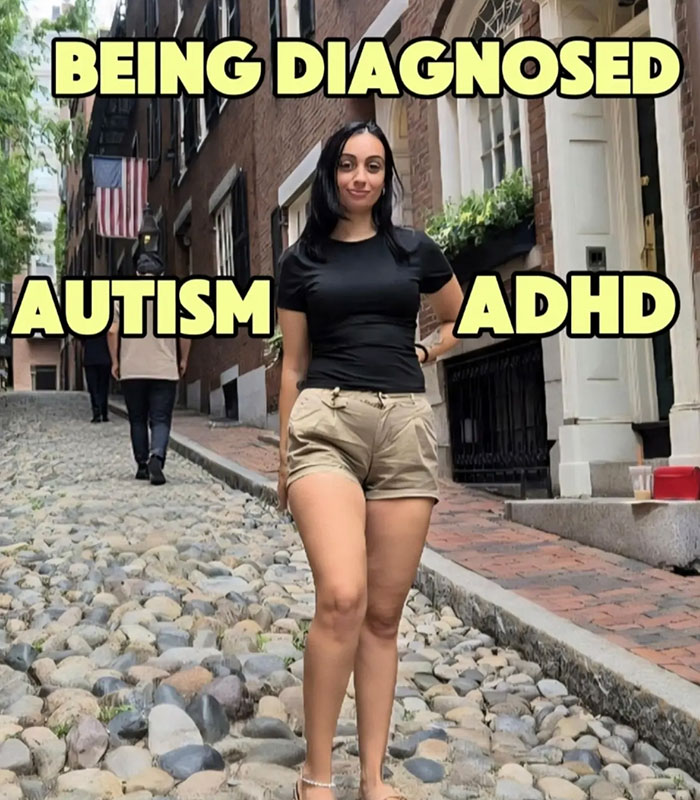
Calling herself MariaAudhd on social media, the New York mom regularly shares stories about living life with both autism and ADHD.
Autism spectrum disorders (ASD) are a diverse group of conditions related to brain development and can have varying levels when it comes to difficulty in social interaction and communication.
Attention-Deficit/Hyperactivity Disorder (ADHD), one of the most common neurodevelopmental conditions, is characterized by persistent patterns of inattention, hyperactivity, and impulsivity.
Ver esse post no Instagram
Um post compartilhado por Maria | life with Audhd (@mariaaudhd)
To her 28.8K followers on Instagram, Maria has been candid about how she was diagnosed with her conditions only last year. Her late diagnoses meant she had to grow up and live her younger years feeling misunderstood and tackling challenges she couldn’t understand herself, she said.
The Instagrammer clarified that she has Level 1 autism, which is the mildest classification on the autism spectrum.
As she lives with her autism-ADHD combination, she has to cross “roadblocks” and cannot complete a day without either a mental spiral, meltdown, burnout, overwhelm, or overstimulation.
“I am met with roadblocks every single day in every area of my life,” she said in one post. “As a level 1 I think we are so often dismissed and overlooked.”
The content creator said she has never held onto a single job for long enough because of “autistic burnout”
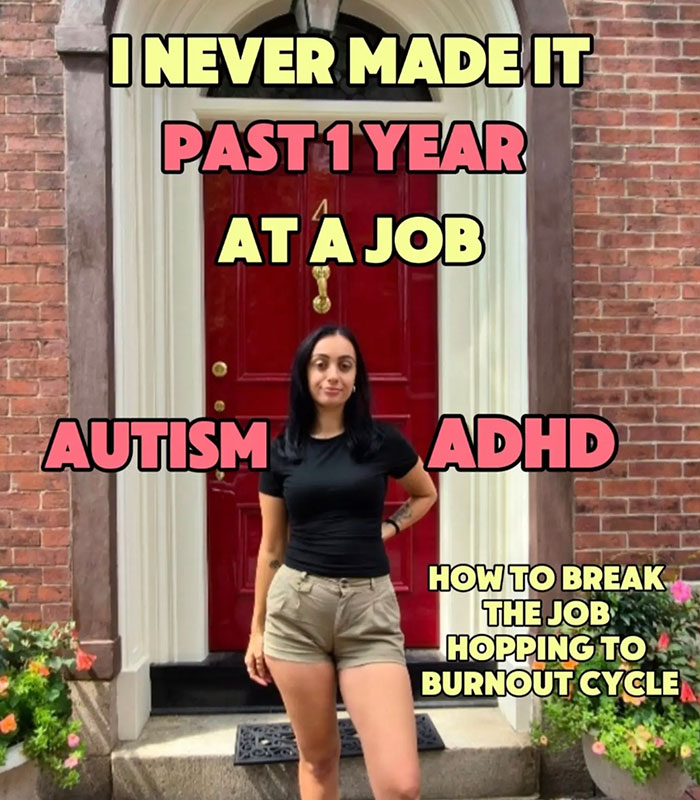
Maria has also admitted that she hasn’t held onto a single job for at least a year and because she normally suffers what she called “autistic burnout” by roughly the 6-month mark.
“My first job ever was Starbucks, right out of college when I failed out the first time. I mentally COULD NOT remember how to make the drinks, i ended up burning out terribly only lasted 9 months,” she said.
“My second job after deciding to leave college a 2nd time was as a receptionist at a hospital,” she continued. “I was bullied by grown women, cried every single night and morning, could barely function.”
The content creator said she left the job and moved to a new city, where she landed her third job in a top accounting firm as a Data Analyst.
@mariaaudhd Before my autism diagnosis, I thought the problem was that I kept picking the wrong jobs. Wrong manager, wrong hours, wrong commute. So I’d find a better one and start over, and for about three months it would feel like I’d finally solved it. Nobody tells you that the first few months are the easy part. You’re new, nobody has expectations of you yet, and masking still feels like effort you can afford. By month 6, I was crying every night and most days. I’d lie awake having panic attacks about my alarm going off, because I knew exactly what the next day was going to take out of me. And it wasn’t the work. It was eight hours of masking. It was socializing in ways that don’t come naturally to me and then rehearsing it afterward to check if I’d done it right. It was reading an email four times because I couldn’t make the words hold still. Fluorescent lights I couldn’t turn off. And because I don’t register hunger or thirst the way other people do, I’d get to 4pm having not eaten or had water since morning and wonder why I felt like I was dying. There was nothing left over. Not for my family, not for myself, not for anything I actually cared about. The job took all of it and the job wasn’t even going well. My resume looked like someone who couldn’t commit. It was actually someone burning out on a schedule, over and over, without knowing that’s what it was called. This is the reality of having autism and ADHD. The autism burnout and the ADHD dopamine seek. #autism #actuallyautistic #neurodivergent #audhd #adhd ♬ original sound – MariaAuDHD
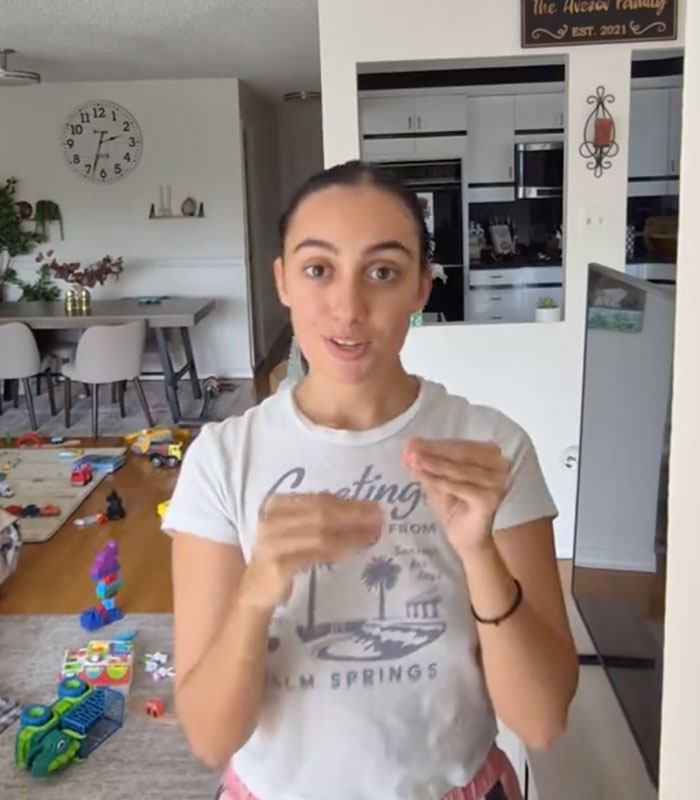
Maria was able to work remotely and was only required to go to the office once in a while. Things were “great” until the higher-ups decided to move to a setting where employees worked from the office thrice a week, she said. This was also right after she returned back to work after her maternity leave.
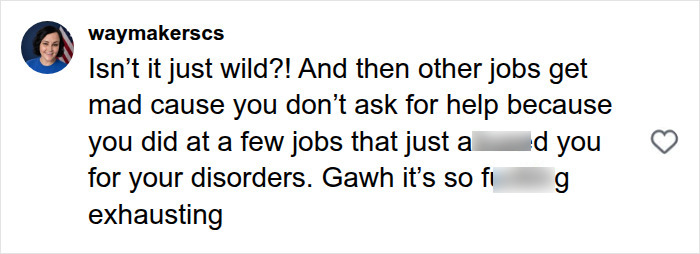
Although her HR allowed her to work from home for her mental health, she claimed her manager “hated” it and “pushed” her out.
Eventually, she stopped “blaming” herself for not being able to keep a job for long.
“The work world in America was not built for neurodivergent people. It was built for one kind of nervous system and everyone was told to adapt or leave,” she wrote in a viral post earlier this month.
“The work world in America was not built for neurodivergent people,” Maria said in her viral post

“I stopped forcing myself into a life that wasn’t built for my brain,” she added.
Maria decided to never work another day in her life. Instead, she stayed at home taking care of her autistic son and her daughter.
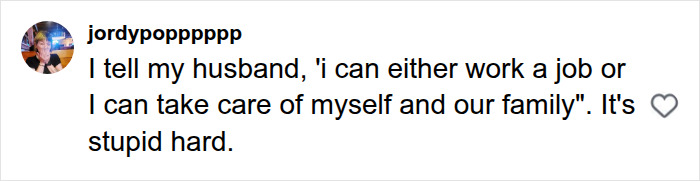
“I cook, clean and take care of the household. Thankfully my husband is able to provide for myself and my kids,” she said before acknowledging that this is a path others may not be able to take.
She also clarified that her post wasn’t a “solutions” post but was simply meant to point out how “disabled people deserve more understanding” and better work environments.
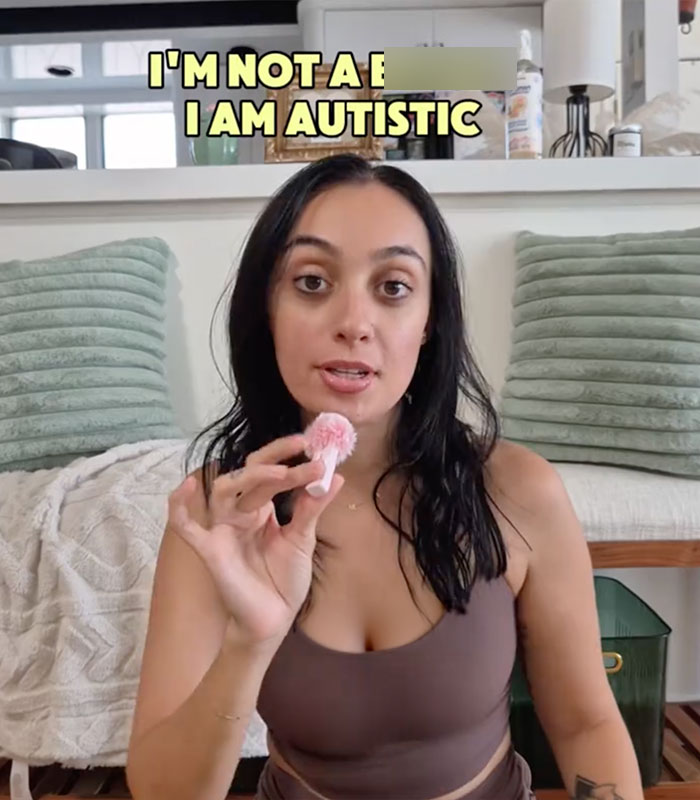
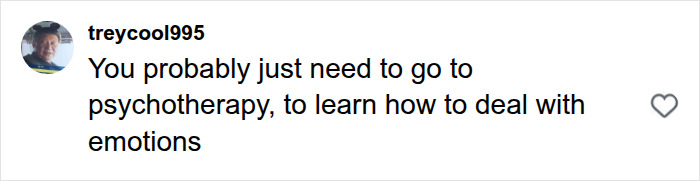
People in the comments section had mixed reactions to her message, with some asking her to “get a grip.”
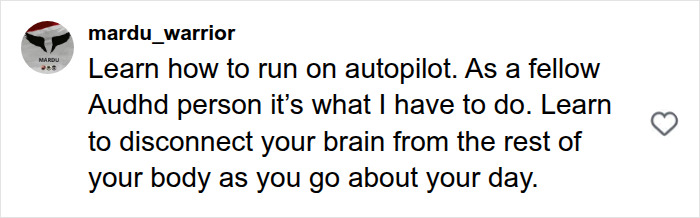
“This has nothing to do with neurodivergency and everything to do with privilege. What you’re describing is every working person’s experience. Most people would choose not to work if that was an option,” one said.
Another wrote, “I would not encourage any woman, neurodivergent or otherwise to hand over their financial autonomy.”

Another individual who is also on the autism spectrum said Maria was being “too entitled.”
“As someone who has both diagnoses: Get a grip, life’s hard,” they said. “No one likes working, we’re all burnt out but that’s life. You don’t need to be a CEO of the world bank, just get a job and do something. This is why our diagnosis’s get such a bad name because you are too entitled to just get on with it.”
“You’re lucky to have the luxury of not having to work. I’m one of the many neurodivergent women who are unmarried. I don’t have that luxury…” read one comment online
After seeing some of the backlash, Maria left a few comments on her post, one of which said, “I’m a sham because I’m married? Are disabled people not allowed to be married? Does that somehow make someone less disabled.”
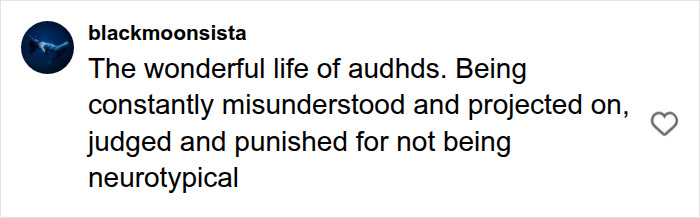
Other readers were more sympathetic, saying, “Everyone is purposefully misunderstanding this out of envy. Hating people that figured out their own path won’t make yours easier.”
Another individual apologized to Maria for the “heat” she was receiving and said, “Glad you got the opportunity to choose yourself and your well being first.”
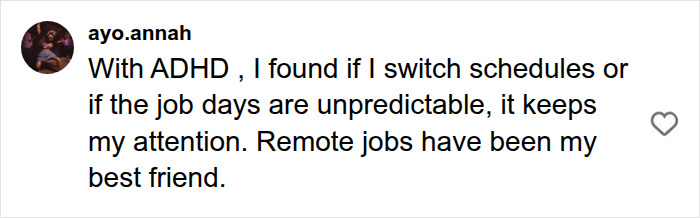
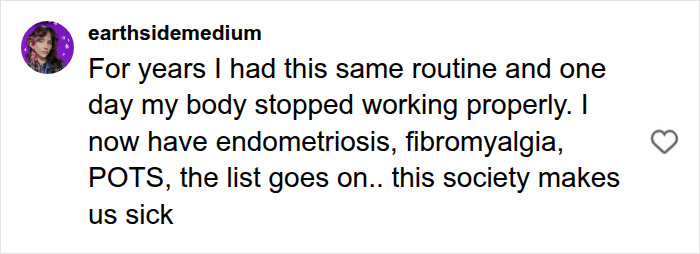
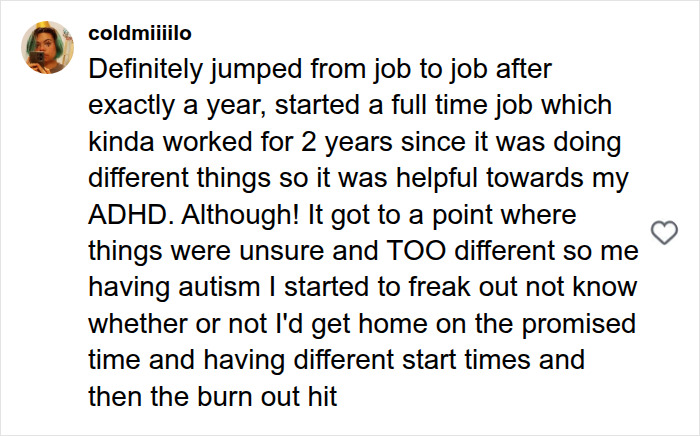
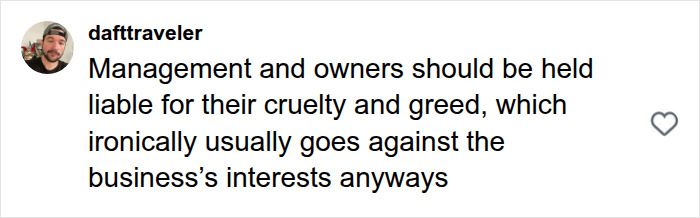
One individual with autism tried to briefly explain some of the issues they face in their work environments.
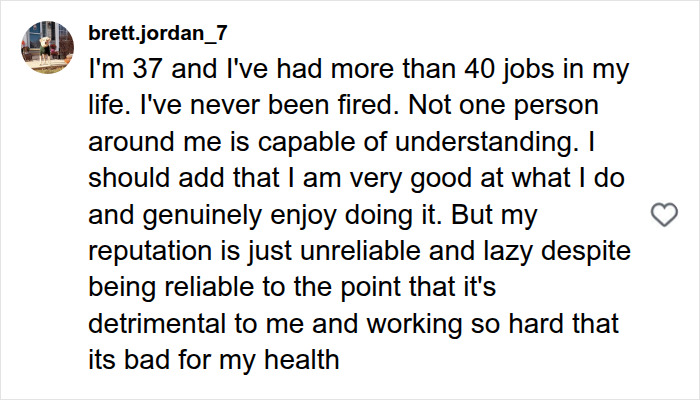
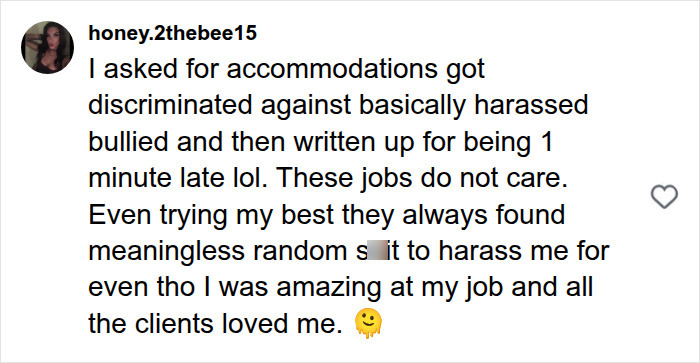
“The thing that people don’t understand is that we want to work but modern working conditions make it almost impossible,” they said.
“The fluorescent lights, constant interruptions, open office plans and bullying by neurotypicals make it damn near impossible,” they continued. “Plus 40 hours a week is just too damn much for anybody, let alone people who take longer to process information and who also have to mask all day.”
“Definitively the best option is creating your own job,” one commented online