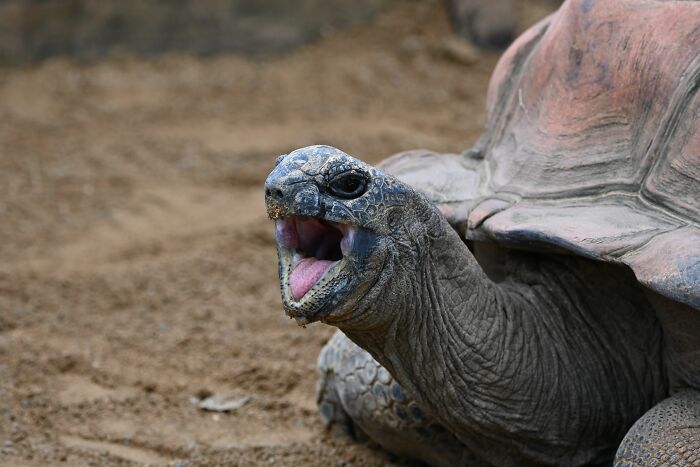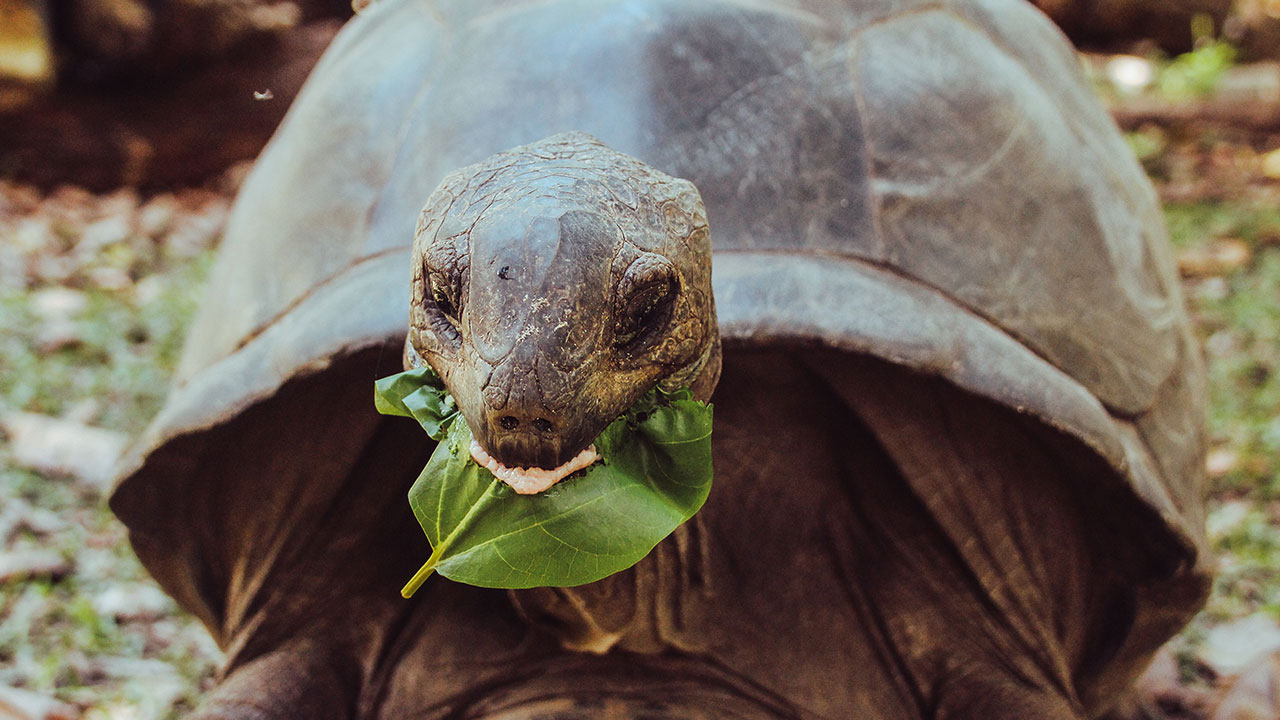
The Aldabra giant tortoise, or simply giant tortoise, is one of the world’s largest tortoises. Historically, these tortoises lived on many western Indian Ocean islands, including Madagascar, and the fossil record shows that giant tortoises once lived on every continent and many islands except Antarctica. Many of these Indian Ocean species were thought to have been driven to extinction by European sailors, and by 1840 they were apparently all extinct, with one exception: the Aldabran giant tortoise.
More info: onlinelibrary.wiley.com
One of the largest tortoises in the world, the Aldabra giant is a living reminder of a time when its relatives roamed almost every continent
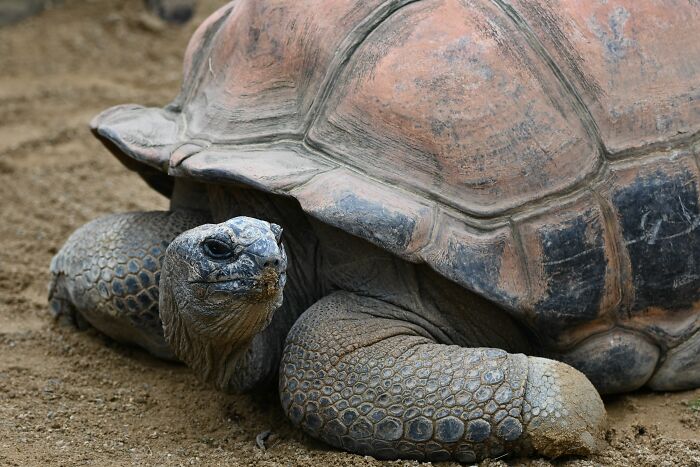
A recent study of the world’s largest free-roaming giant tortoise population shows that this once-endangered species is now thriving in the Seychelles and stands at approximately 180,000 individuals, the highest number of Aldabra giant tortoises ever recorded, as reported in the survey led by the Seychelles Islands Foundation (SIF) and the University of Exeter. The team arrived at this figure by reviewing five years of tortoise counts collected by SIF research staff between 2018 and 2022. This is the first rigorous, atoll-wide estimate and the first update since the widely known late-1990s figure of 100,000 tortoises. These findings have now been published in the scientific journal Ecology and Evolution.
By 1840, European sailors were thought to have driven the Indian Ocean’s giant tortoises to extinction
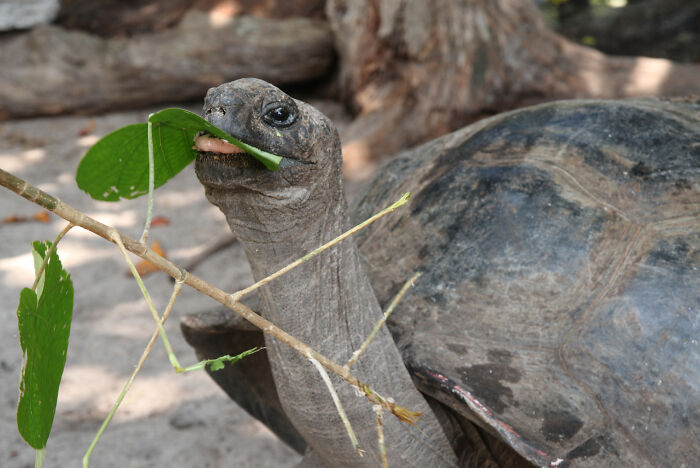
Giant tortoises live in the wild in only two places in the world, and Aldabra Atoll is one of them. Because of the atoll’s remoteness and inaccessibility, humans have left it largely untouched.
Dr Frauke Fleischer-Dogley, CEO of SIF, confirmed that SIF staff who lived and worked on the atoll for years collected the monitoring data for this study. She also noted that the tortoises living freely on the atoll prove what long-term commitment to conservation can achieve. In her own words, she expressed that “This is wonderful news for Seychelles, for the world, and for everyone who has worked to protect Aldabra.”
In the 19th century, heavy exploitation pushed Aldabra’s tortoises down to fewer than 1,000 individuals
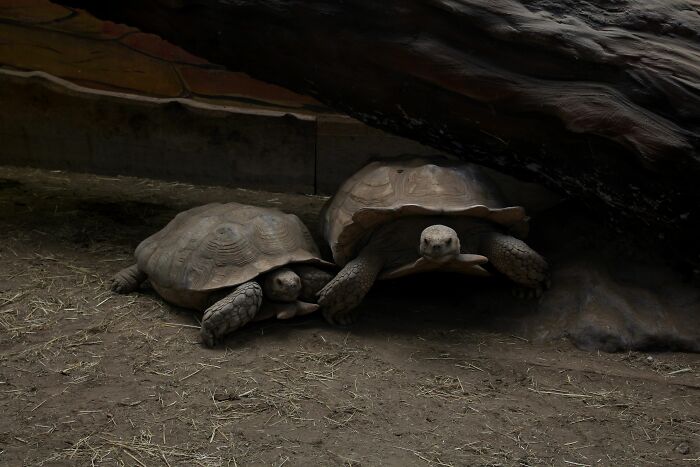
So how many tortoises are we talking about? The study’s best estimate is almost 183,000 adult and sub-adult animals, and the population looks relatively stable over the study period. That’s more tortoises than there are people in the whole of Seychelles!
Strict protection changed their fate, and their recovery is now seen as one of the Indian Ocean’s greatest conservation success stories
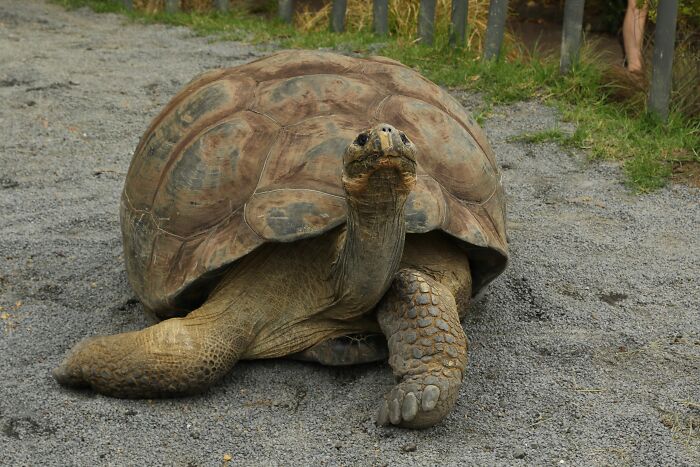
It wasn’t always like this. In the 19th century, heavy exploitation pushed Aldabra’s tortoises down to fewer than 1,000 individuals. Things began to change when Aldabra became a strict nature reserve in 1981 and a UNESCO site in 1982. Those protections proved a lifeline, and today the recovery is seen as one of the Indian Ocean’s greatest conservation success stories.
A new study estimates almost 183,000 adult and sub-adult tortoises, more than the number of people in the whole of Seychelles
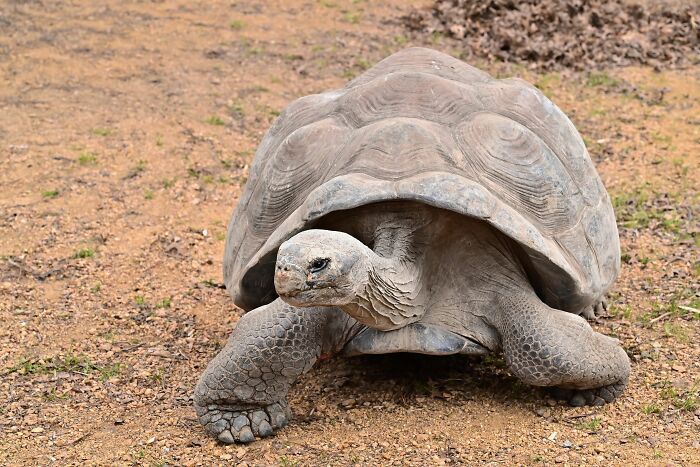
The researchers stress that the new figure should not be read as a near doubling of the population since 1999. Aldabra’s dense scrub, mangroves, and shady thickets make it easy for even a large tortoise to go unseen, and earlier surveys couldn’t count animals hiding there. This is why the older numbers were most likely underestimates.
The estimate comes from five years of counts collected between 2018 and 2022 by staff living and working on the atoll
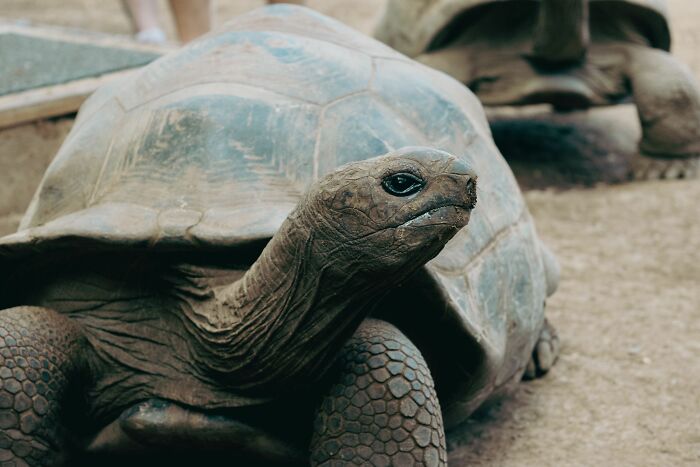
This time, the team used a statistical method called Bayesian hierarchical distance sampling. In plain terms, it estimates how many tortoises were likely hiding and how easy or hard they were to spot in different habitats. “By modeling what we didn’t see, as well as what we did, we’ve produced the most reliable baseline yet for this iconic Seychelles species,” said co-author Dr Nancy Bunbury. Even so, the population has still grown and appears healthy.
The new figure doesn’t mean the population nearly doubled since 1999, because earlier surveys missed tortoises hiding in dense scrub
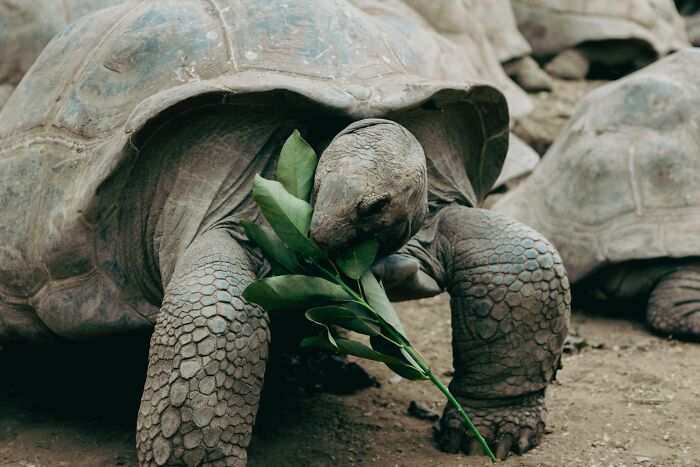
The study also shows where the tortoises spend most of their time. They gather most densely in Aldabra’s grasslands, nicknamed “tortoise turf”. They’re much harder to find in dense scrub and mangrove, which is exactly where the new modeling fills in the blanks.
This time, a statistical method estimated how many tortoises were likely hiding, creating the most reliable baseline yet
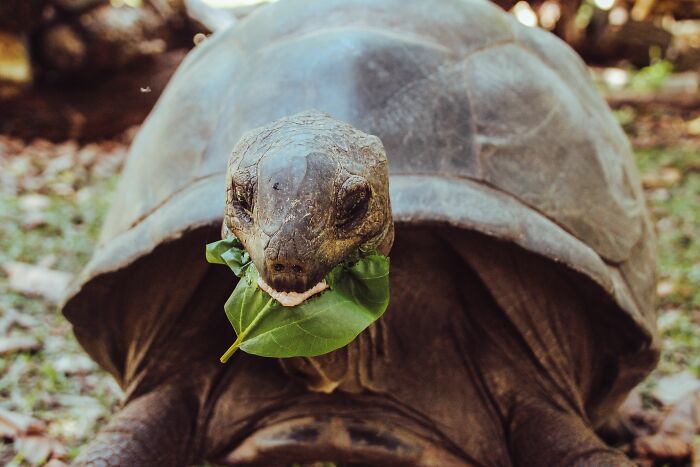
The story isn’t all celebration, though. Aldabra’s climate is changing, and longer, more frequent droughts are expected to shrink the shade and food the tortoises depend on. Rising sea levels also threaten the atoll’s low-lying areas. Then there are the invasive animals. Feral goats once stripped the atoll’s vegetation, but people successfully eradicated them in 2012. Feral cats and black rats remain, and they prey on tortoise eggs and hatchlings. The authors say removing these remaining invaders, already planned, could remove the last barriers to further growth and help the tortoises cope with a changing climate.
Droughts, rising seas, and feral cats and black rats that prey on eggs and hatchlings still threaten the atoll’s tortoises
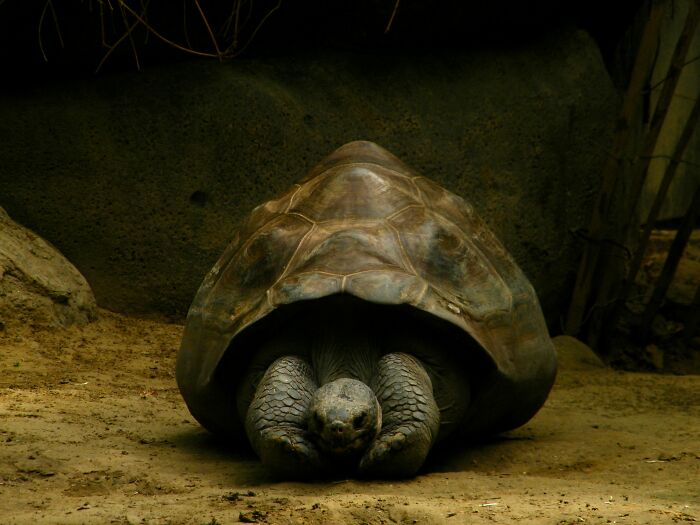
Dr Dave Hudson of the University of Exeter, who helped build the statistical framework behind the estimate, hopes the study gives conservation managers the evidence they need to track future change and act early. From fewer than 1,000 animals to a population larger than the number of people in an entire country, the Aldabra giant tortoise has come a long way. Now that scientists finally have a reliable count, the next job is making sure these gentle giants keep their island home for generations to come.
Now that scientists have a reliable count, the next job is making sure these gentle giants keep their island home for generations to come