Don’t bite the hand that feeds you is pretty good advice. So it only stands to reason that if you’re staying at someone’s home for free, you should, at the very least, not antagonize them. If you still insist on doing that, it shouldn’t be a surprise when there are consequences.
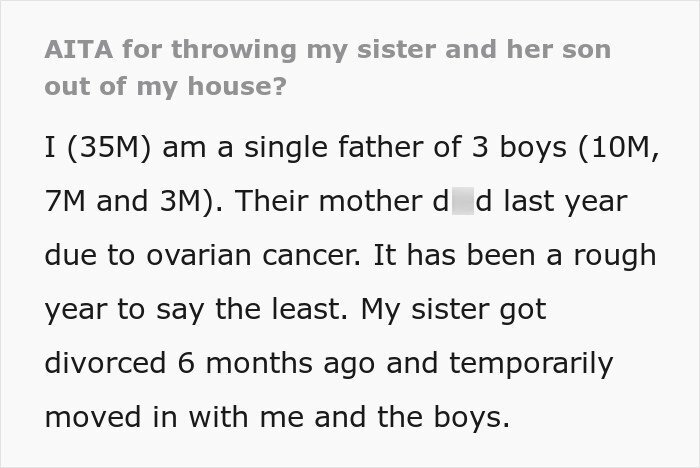
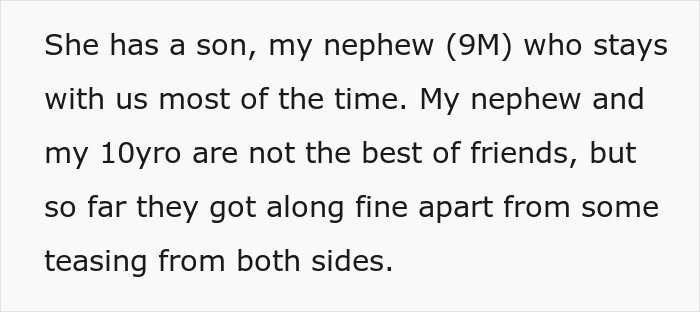
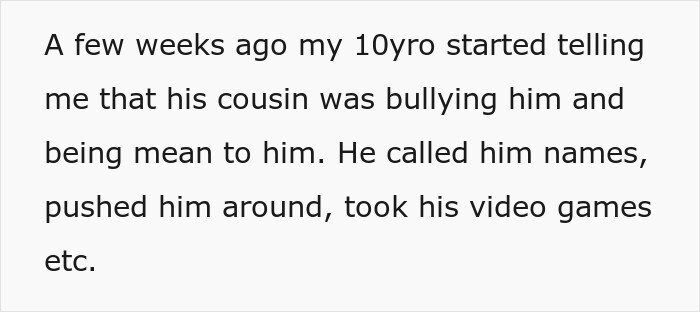
A man turned to the internet for advice after having enough of his sister and her son, who were living in his house. He kicked them out after one particularly nasty incident, but the sister thought he was being cruel. So folks online weighed in with their thoughts, advice and similar stories.
There are some lines even family shouldn’t cross

eugeneshemyakin9 / magnific (not the actual photo)
So one man ended up kicking his sister and her son out of his house
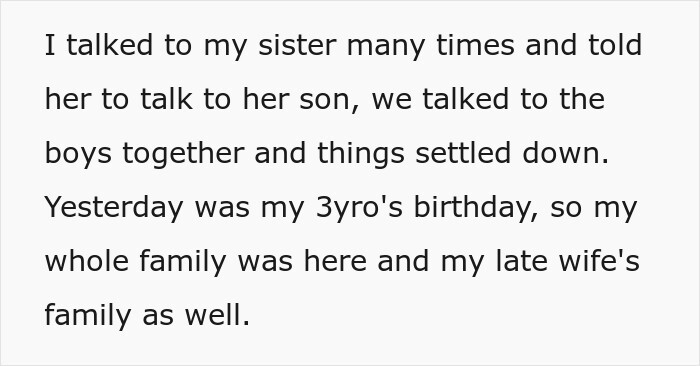
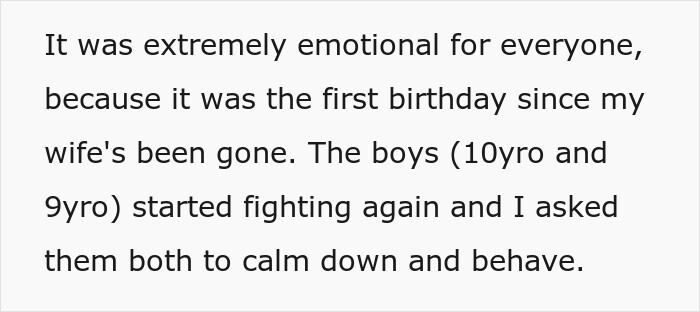

magnific / magnific (not the actual photo)
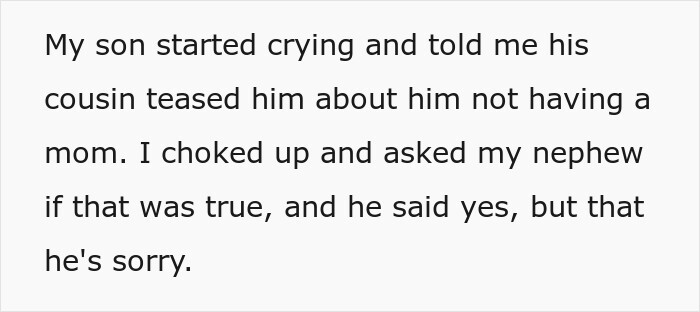
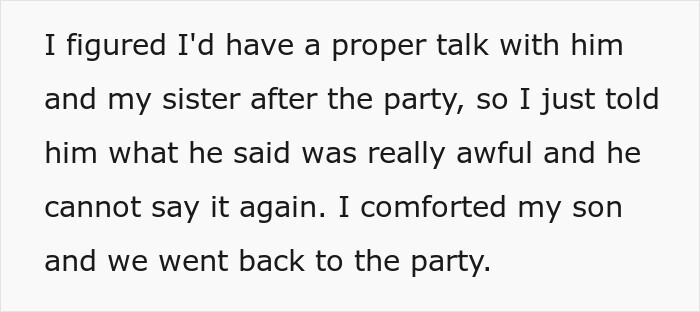

koldunova_anna / magnific (not the actual photo)
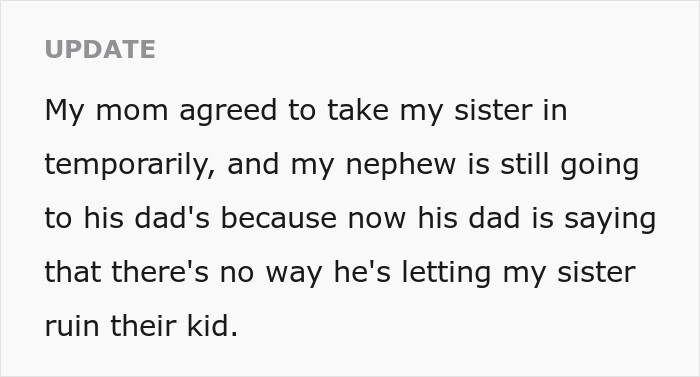
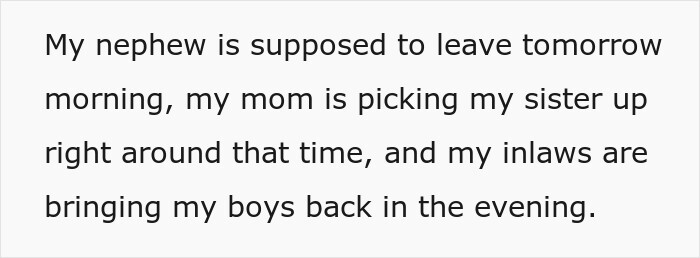
He came through with an update later



natusm / magnific (not the actual photo)
Co-living is complicated
Sharing a roof with relatives is mostly a long negotiation about habits, space and expectations, and most of it is ordinary friction. Arguments over dishes, noise, bathroom time and who finished the milk come with the territory. Experts quoted in TIME’s guide to moving back in with parents say the smoothest arrangements begin with a frank talk about rules, roles and responsibilities, and they warn that old childhood dynamics sneak back in unless everyone names them. That advice fits a sibling who moves in “temporarily” just as well. How long is temporary, and who handles discipline when cousins clash? Vague answers to those questions are where resentment grows.
Disagreement about parenting also sits comfortably inside the normal range. Parents are protective, and a sister who bristles when her brother corrects her child is not doing anything unusual. A calm “please let me handle this one” is a fair boundary. Raising her voice about it in front of grieving guests is harder to defend, but a flash of defensiveness is a very human reaction, and a private conversation can often repair it.
Cousin conflict deserves a closer look, because not every squabble is bullying. Weeks of name calling, shoving and taking belongings fits that description better than a single scrap over a video game. Adults should step in right away, separate the kids and make sure everyone is safe, and that quick, consistent responses signal that the behavior is not acceptable. So an adult in the house correcting a child’s cruelty is not overstepping. It is part of the job, and the sensible follow up is a private talk between the grown ups rather than a showdown at a party.
Now for what goes past the line. Teasing a child about losing a parent is not rivalry. It targets the rawest spot a kid has. The American Academy of Pediatrics notes on HealthyChildren.org that around one in twenty children in the United States lose a parent by age sixteen, and that grieving kids often hide their feelings because they worry about upsetting the adults around them. A nine year old repeating a thoughtless line can be taught better. An adult backing that line up is a different matter, and so is mocking a grieving father for tearing up at the first birthday since his wife died. Tears on a day like that are not a weakness. The Child Mind Institute points out that children copy how their parents grieve, and that showing emotion reassures them that sadness is okay. A dad who cries in front of his boys is modeling something healthy.

ziyannufuus / magnific (not the actual photo)
The son’s words were just bullying
So the useful test is not whether a house rule was broken but whether a person is making the home feel safe or unsafe for the people in it. Chores, money, noise and discipline can all be negotiated. Cruelty aimed at a grieving child, public contempt for a grieving parent and a refusal to see the problem are much harder to negotiate around. A host can reasonably decide that such behavior is incompatible with sharing a home, especially when young children are the ones getting hurt.
None of that makes the decision painless. Relatives often move in because life has fallen apart, and a housing crisis for a parent and a child is real. Hurtful comments often grow out of unmet expectations, fear and anxiety about the unknown, a lesson that carries over to siblings under one roof. Understanding that can soften how a conflict is handled without changing what is acceptable. A firm boundary can still come with a bridge, such as a stay with another relative or a realistic timeline for finding a new place.
Finally, remember the kids on every side of the argument. The Child Mind Institute’s guide to helping children cope with grief says professional counseling is often a good idea after the death of a parent, and a cousin caught in a parental split is carrying a heavy load of his own. Holding a boundary and offering support are not opposites, and the healthiest households usually manage to do both.

magnific / magnific (not the actual photo)
He responded to a few comments as well
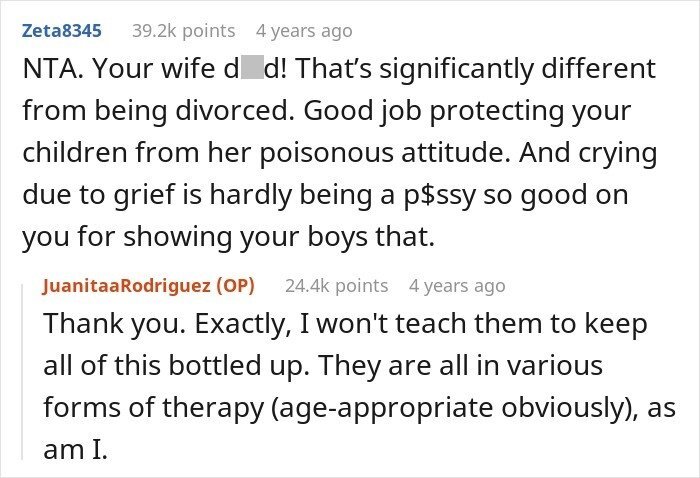
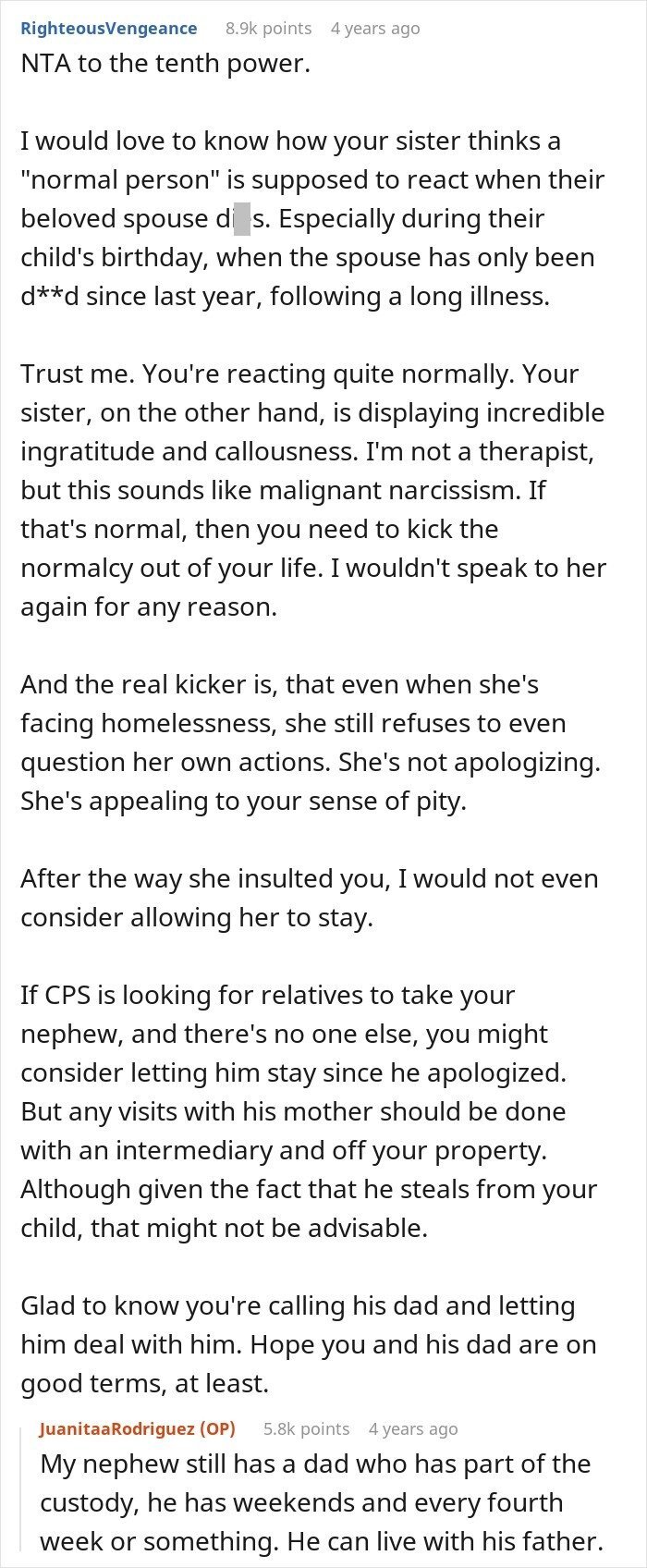
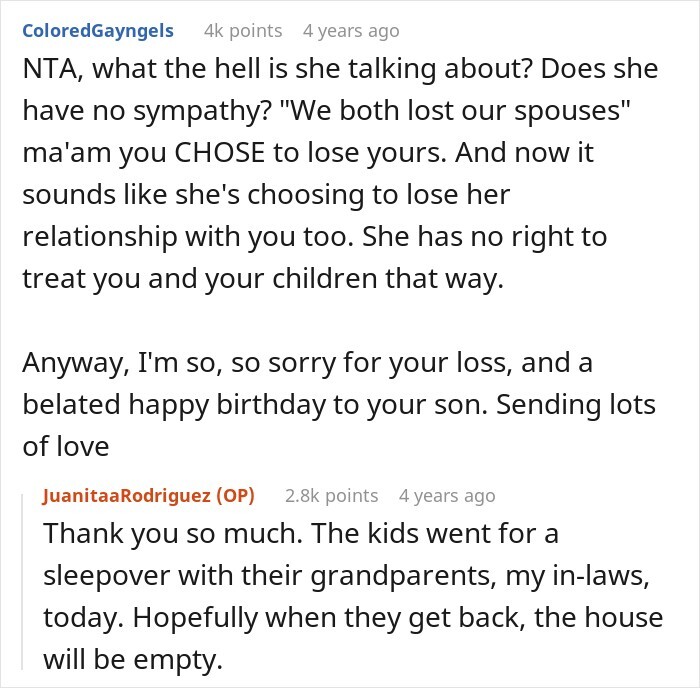
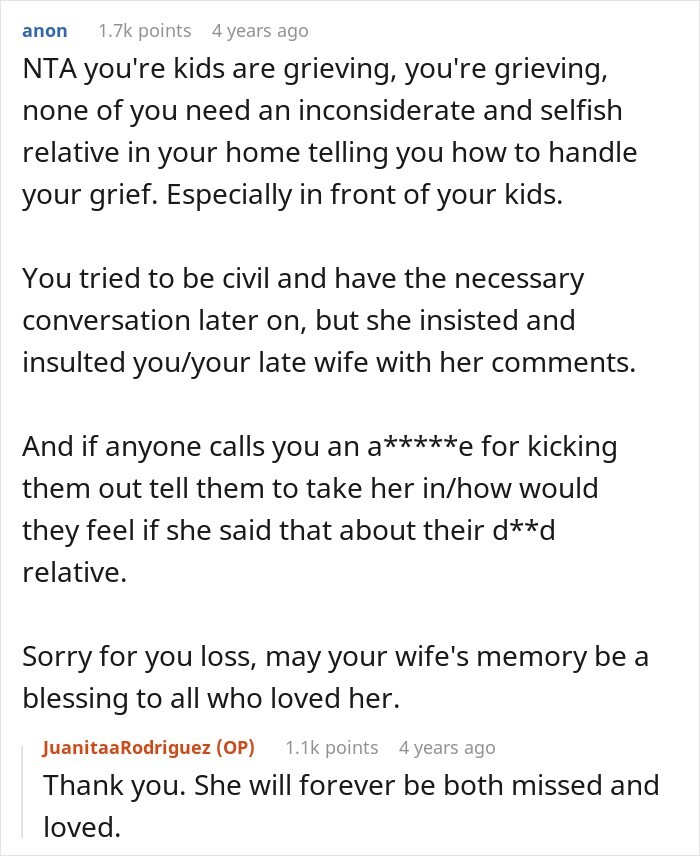
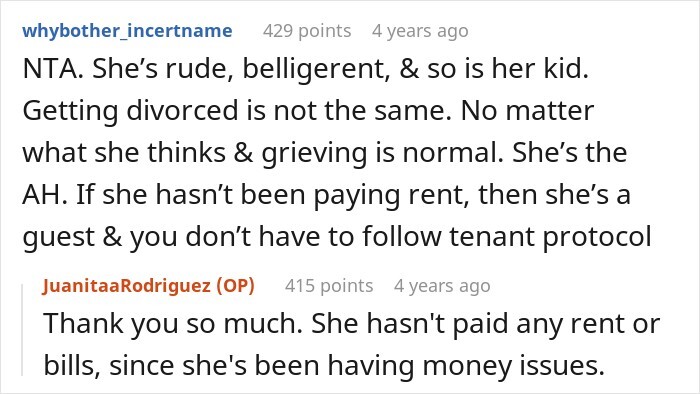
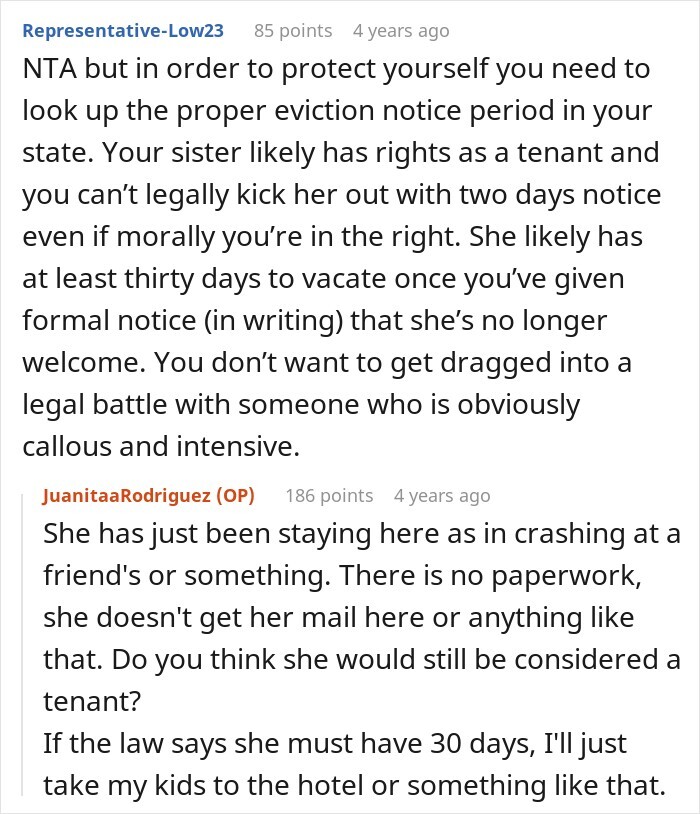
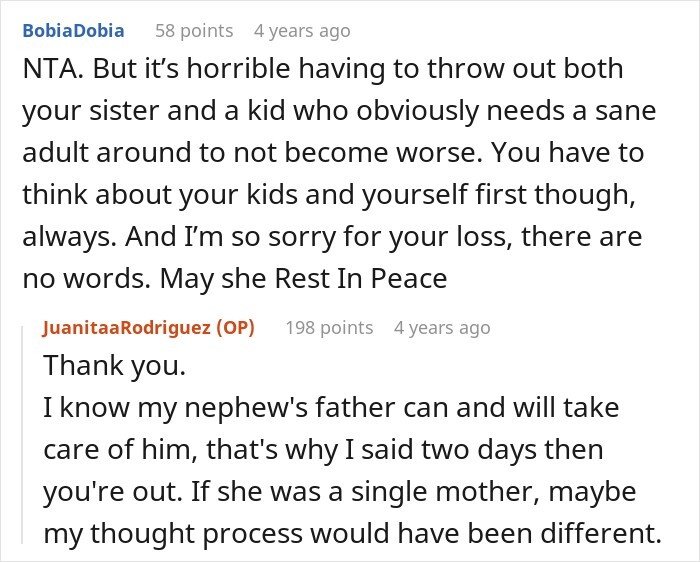

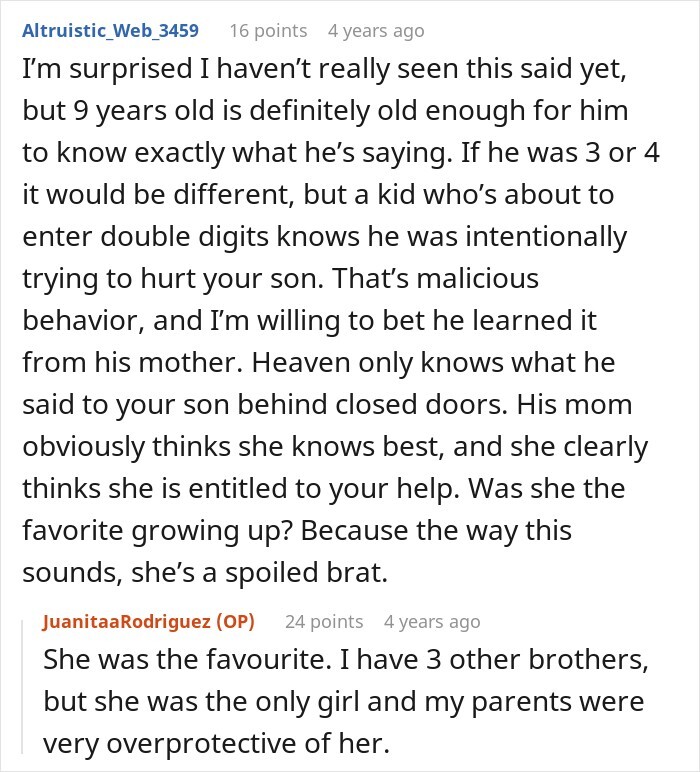
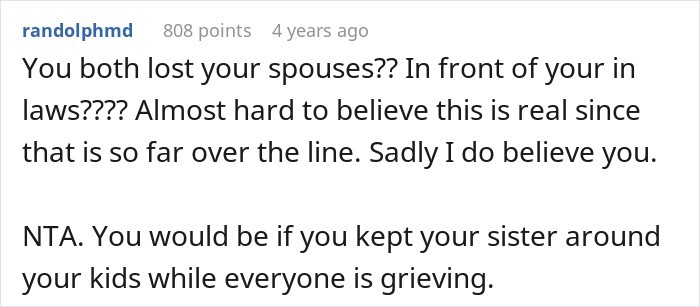
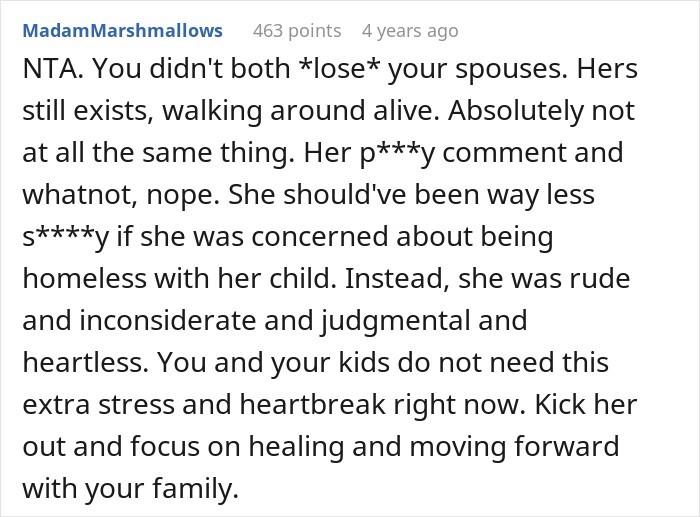
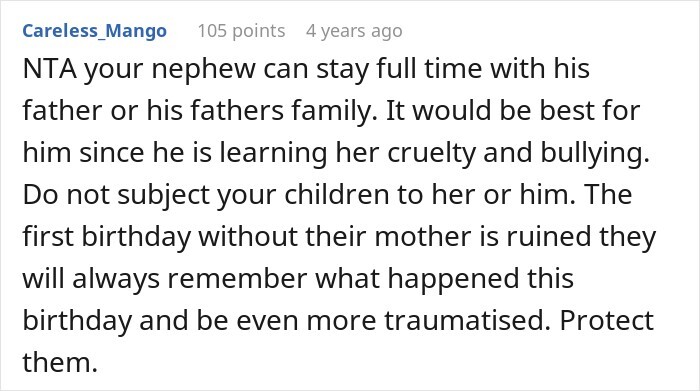
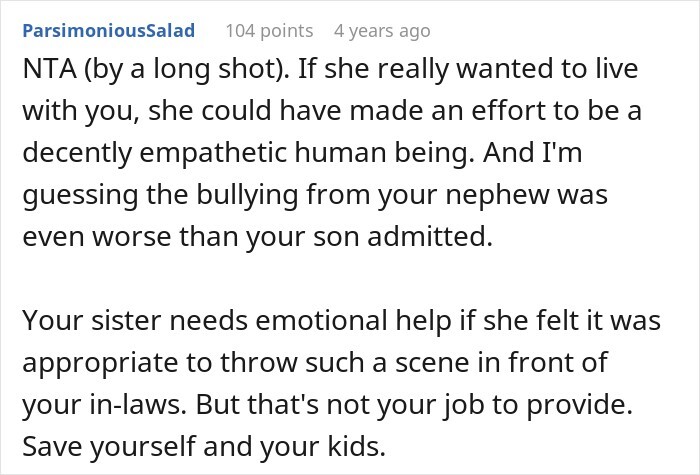
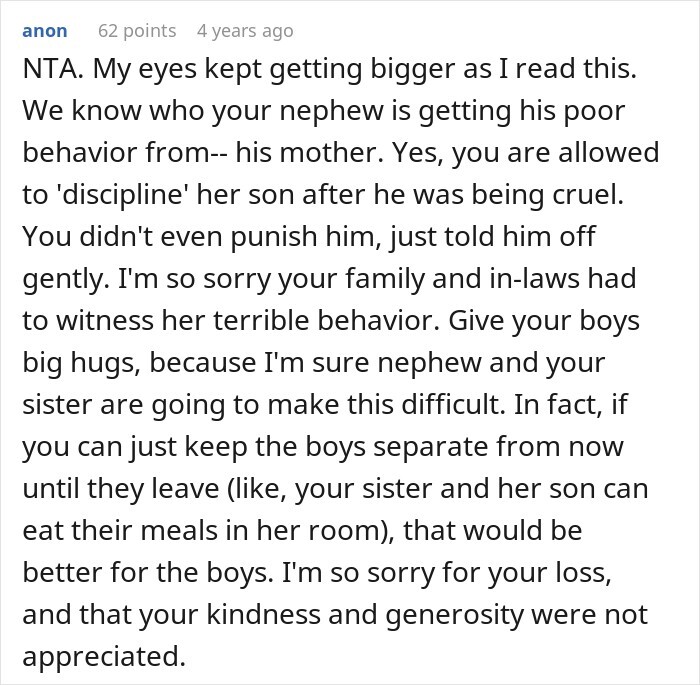
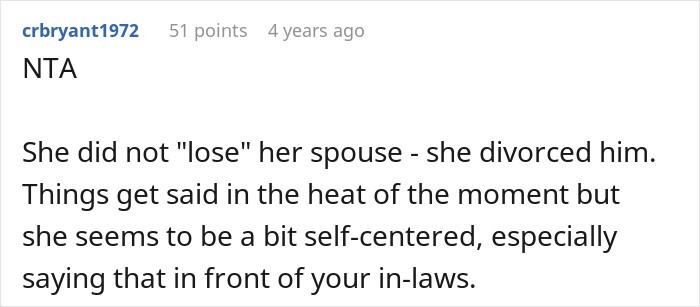
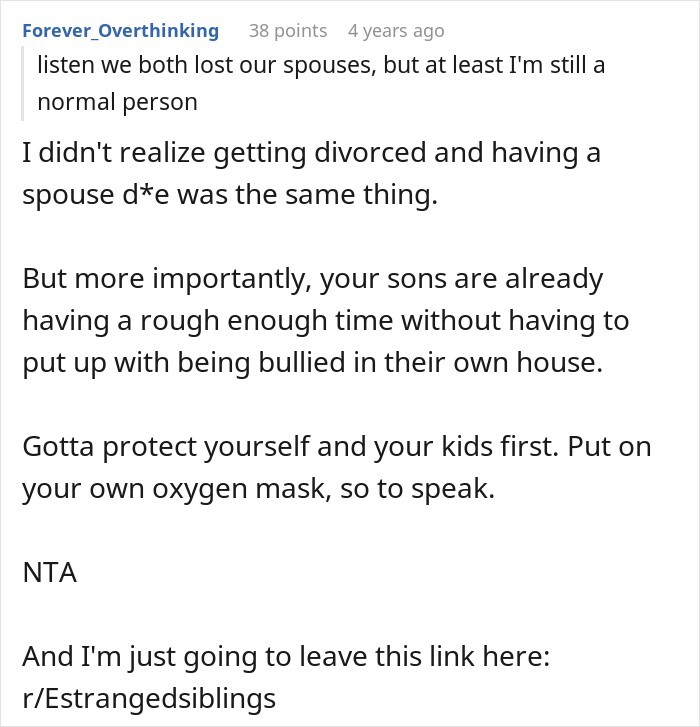
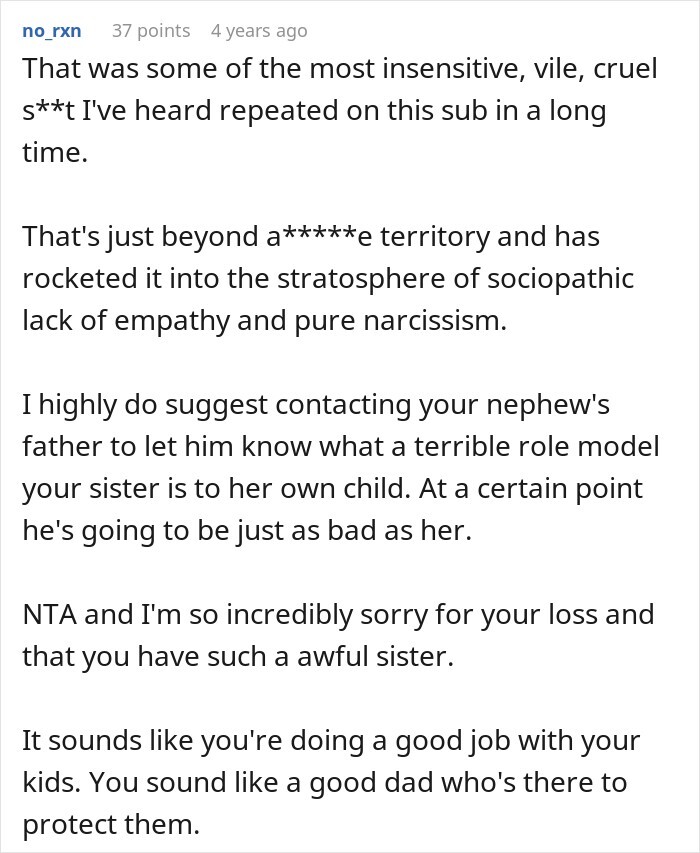
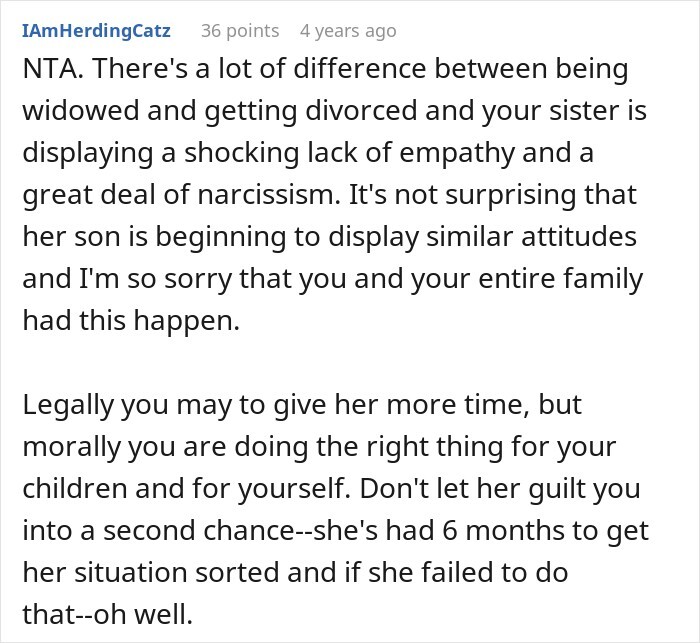
Folks online thought the sister was out of line