People love to point out that education in Europe is affordable, that every citizen has the right to access it, and that, for most people, it’s simply a stepping stone to a better future… or so they say.
But that’s not quite the case in the United Kingdom, where tuition fees can reach £9,535 (~$12,500) per year, forcing many students to take out student loans through Student Finance to cover their studies. But one man took it even further, spending more money than he had until he hit a breaking point and turned his life around. This is his story.
Debts are one of the major adult life realities that everyone wants to avoid at all costs

However, 31-year-old Jake Shuttleworth started amassing debt when he was just a student

It all began when he was in university, and he suddenly maxxed out his overdraft
Jake Shuttleworth, a 31-year-old man from Newquay, Cornwall, explained to the media exactly how he overcame one of the biggest hurdles of his life: mounting debt. He said it began at university, when he maxed out the overdraft on his student bank account.
In the United Kingdom, many banks offer specialized student accounts with an arranged, interest-free overdraft of up to £3,000. This means Jake spent all the money in his account and then used the full overdraft facility, leaving him with a negative balance.

He began going to concerts, festivals and trying to live a life he couldn’t afford by taking out loans

Alaur Rahman / Pexels (not the actual photo)
He ended up amassing £24,000 worth of debt before he was even 30 years old

kaboompics / Pexels (not the actual photo)
However, by the time he hit 29 years old, he realized he didn’t have any money saved
The man’s seemingly carefree lifestyle, however, didn’t end there. Hoping to gain life experience and figure himself out, Jake began splurging money he didn’t have by taking out loans. But his money wasn’t necessarily going toward physical or material possessions, either.
Instead, he spent it on concerts, festivals, and, of course, eventually started buying new iPhones and computers for his hobbies. Ultimately, he explained that the money didn’t feel real, and he began spending recklessly because it felt like a never-ending resource, so he paid immediately and forgot about it until later.

cottonbro studio / Pexels (not the actual photo)
And that’s when he decided to change his life around using three major life rules

Elizabeth Zernetska / Pexels (not the actual photo)
For starters, the man implemented a strict monthly budgeting plan with a simple Excel spreadsheet
But Jake admitted that when he turned 29, he hit a crisis point. By then, he realized he had no savings or anything to show for the 10 years of work he’d done. By 2025, he had accumulated a mountain of debt, owing £24,000, which is roughly $31,662.
He eventually decided he had had enough and began planning for his future, determined to turn his life around. For starters, Jake created a monthly budget using an Excel spreadsheet. He listed all his “non-negotiables,” including bills, internet, and food. Every month, he copied the same strict budget and stuck to it religiously for a year.

Tiger Lily / Pexels (not the actual photo)
Later, he decided to get a second job that would help bring money into his finances, and eventually help with the debt

Getty Images / Unsplash (not the actual photo)
With his two jobs, Jake was now bringing home a monthly salary of £2,500, but strict budgeting and a new job weren’t enough to reach his goals

Tima Miroshnichenko / Pexels (not the actual photo)
He decided to implement the avalanche method into his plan
His second move was to get a second job. Jake admitted that his full-time job, combined with his side gig, brought his annual income to £26,000. He earned around £800 a month from the second job, bringing his total monthly income to approximately £2,500. Even so, that amount alone wouldn’t have been enough to pay off his debt as quickly as he did.
And this reality is more common than many of us might think. According to the Office for National Statistics (ONS), about 1.2 million to 1.35 million people in the UK have a second job, making up roughly 3.5% to 4% of the country’s workforce.

Azray Agilsyah / Unsplash (not the actual photo)
This repayment strategy prioritizes the payment of high interest rate debts first, and lowest interest rate last

Erik Mclean / Unsplash (not the actual photo)
With this method, paired with budgeting and a second job, Jake was able to pay off his debt in 18 months and still save money

Erik Mclean / Unsplash (not the actual photo)
But the man still believes that if financial education were more prioritized, he wouldn’t have reached rock bottom
But his third strategy made the biggest difference: the debt avalanche method. Jake used this repayment strategy to pay off his debts as quickly as possible. Financial experts explain that this method involves paying off debts by interest rate, starting with the highest and working down to the lowest, regardless of balance size.
This approach minimizes the total interest paid and can save borrowers more money in the long run, which is exactly what happened to Jake. By the time he was managing his loan, he was paying £700 a month on the highest-interest loan, which gave him an extra £700. But he also had debt that cost only £500 a month, so he paid that, leaving £200 to pay somewhere else.

Curated Lifestyle / Unsplash (not the actual photo)
However, Jake also admitted that if he had had more financial education, he believed he wouldn’t have got into so much debt. Many campaigners, educators, and individuals have also blamed a lack of financial education for the debt young people accumulate early in life. In the UK, financial education only became compulsory in the school curriculum in 2014 after all.
However, many economists argue that structural pressures, such as high rents and inflation, also drive problematic debt in the UK, not financial illiteracy alone. Both factors can contribute to the problem, though. Ultimately, Jake’s story shows a financial struggle that many people may find difficult to relate to. But if you were in his shoes, Pandas, would you have done the same or handled things differently?
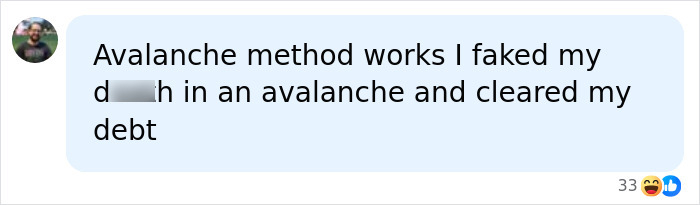
The “Avalanche method” has become quite popular these days – for instance, here’s it explained in details
@gagestsociety get rid of debt using the faster method #debtavalanche #personalfinance #moneytok #debtpayoff ♬ original sound – FRE 🪽 – Fre Greene 🪽
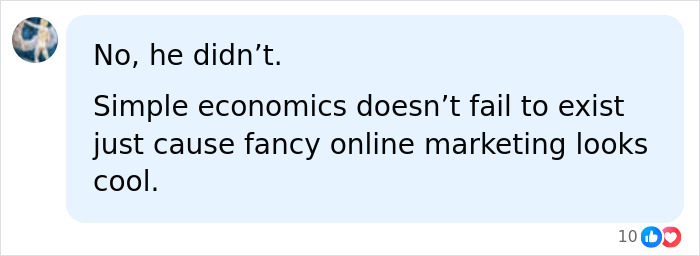
Some folks online praised Jake’s efforts, but many pointed out that living with parents isn’t an option for most of those with debts