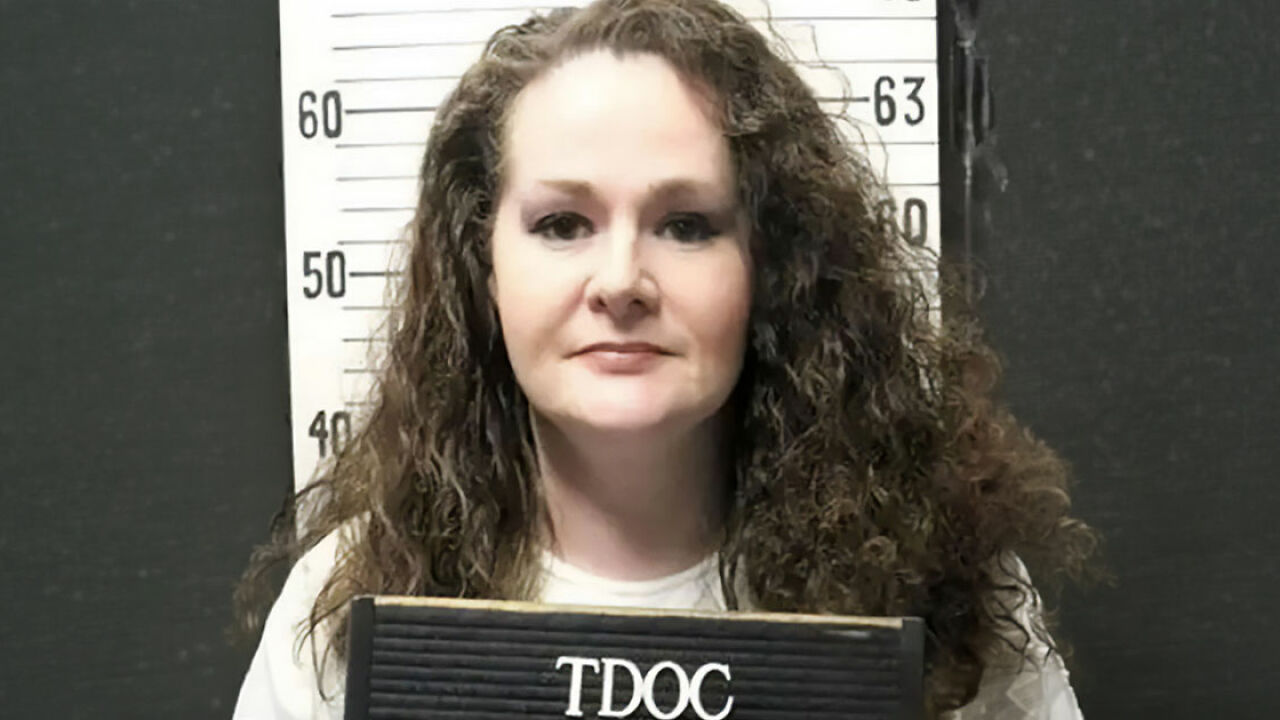
In 1995, Christa Pike and her then-boyfriend Tadaryl Shipp tormented and took the life of 19-year-old Colleen Slemmer in a remote wooded area on the University of Tennessee Agricultural campus.
Pike later admitted to the crime in court and became the first woman to be sentenced to capital punishment in Tennessee in 200 years.
On September 30, 2026, Pike was taken to the lethal injection chamber of Riverbend Maximum Security Institution and given two doses of pentobarbital, a powerful sedative.
However, Pike lived and was taken to the hospital, where she remains “critically ill,” as per the latest update.
“If she recovers, she may not fully recover,” her lawyers said on October 4.
Now, a graphic photo leaked by a source close to the situation has shed light on why Pike may have survived.
A new photograph showed the condition Christa Pike was in after the botched capital sentence
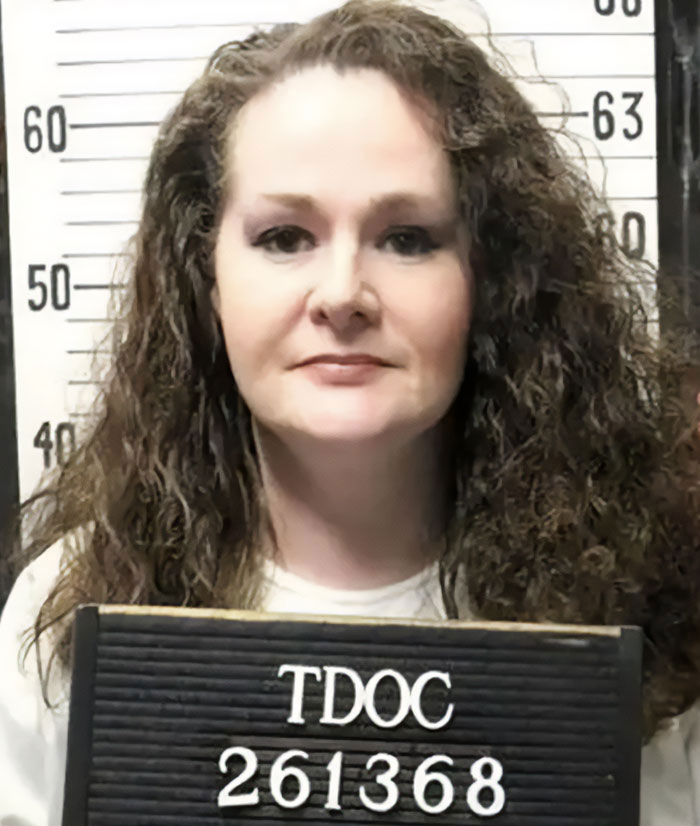
Tennessee Department of Corrections
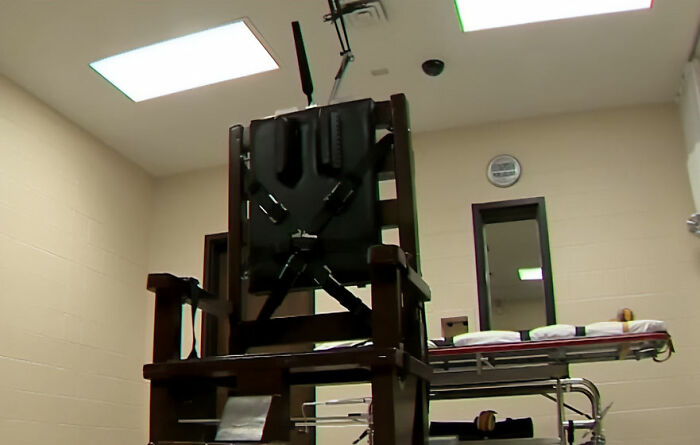
On Wednesday, Pike was brought to the lethal injection chamber at around 7:30 p.m., strapped to a gurney. The witnesses were already present.
She said her last words in front of a spiritual adviser: “I’m going to leave this world the way I spent most of my life, and that is with love. I’m at peace, I’m ready to be free. This is a happy day.”
But the agonizing ordeal Pike went through during the IV cannulation process that followed was anything but. According to her lawyers, seven needles were unsuccessfully inserted, including one that was bent and broken when taken out, leaving her arms “swollen, burned, and blistered.”

The new photograph, shared with RadarOnline by a Tennessee Department of Correction insider, reportedly came directly from a correctional officer who was at the scene.
While the outlet chose not to publish the gruesome image, it was described as showing Pike’s “severely bruised arm, marred by trauma and internal bleeding from the elbow downward, leaving her nearly purple.”
“The needle blew her vein, causing the chemicals to go to the muscles,” the source said, adding that Pike showed “stroke-like symptoms” during the botched procedure.
A medical expert explained what could have prevented the sedative from taking Pike’s life
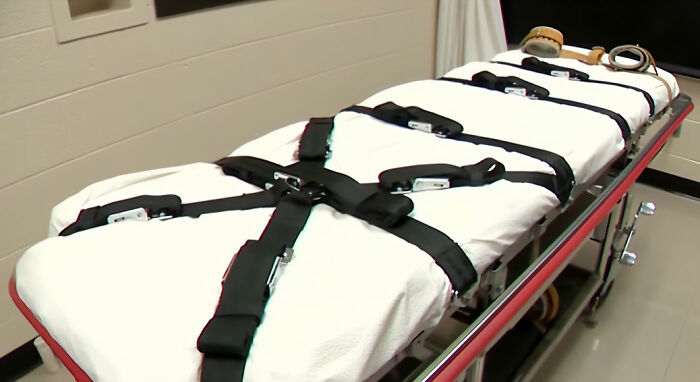
As the medical team struggled with the IV process, witnesses could hear Pike crying and gasping for breath, asking, “Does this happen like that? My arm feels like it’s about to burst open.”
At one point, Pike herself tried to guide the technicians on where to insert the IV needle, but according to medical experts, it did not help.
The first dose of pentobarbital was administered at 7:41 p.m. and the second one sometime around 7:50 p.m.
Still, witnesses could hear Pike breathing, making noises, and then eventually snoring for another 40 minutes before she was rushed to a local hospital.
Dr. Paul Allen, a professor of anesthesiology at the University of Tennessee Health Science Center, told Live 5 News, “What happened here, I would suspect, is that they infiltrated the vein, which means that the d**g, instead of going into the bloodstream, went into the peripheral tissues in the arm or wherever they put the needle in.”
Dr. Allen added that it would explain the throbbing pain Pike experienced in her arms and why the sedative made Pike drowsy and put her to sleep, but failed to take her life.
“Also, if she had bad veins to begin with, that were from either substance ab**e or something of that nature, then it would be difficult to cannulate her vein,” the doctor added.
Joseph Scott Morgan, a forensic analyst, said on Jesse Weber Live, “How in the world they could do that in such a critical moment with all of these eyes upon them is beyond my scope of understanding.”
Lawyers condemned the lethal injection team for putting Pike through a “cruel” process
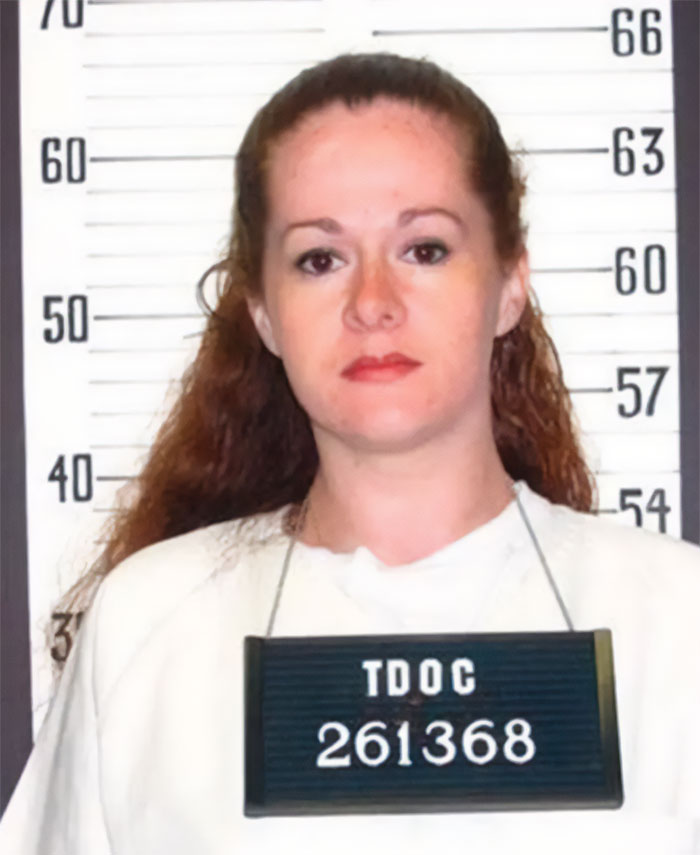
Tennessee Department of Corrections
Pike’s legal team previously argued in court to reconsider the lethal injection procedure, citing her existing medical conditions.
She suffered from thrombocytosis, which causes an abnormally high platelet count and thus promotes rapid micro-clotting at the catheter tip of an IV channel by increasing blood viscosity. She also had small veins, making IV cannulation difficult.

RDNE Stock project/Pexels (not the actual photo)
Dr. Joel Zivot, an anaesthesiologist advising Pike’s defense team, opined after the lethal doses failed that the blisters on Pike’s arms indicate a ruptured vein and that the pentobarbital “was never high enough” in her bloodstream to end her life.
“Last night was not just inefficient. It was cruel, and it was torturous… That really was her biggest fear. It was not a fear of dying. It was a fear of a prolonged, painful, traumatic d**th,” Pike’s lawyers said in a motion filed on Friday, October 2, in Davidson County Chancery Court.
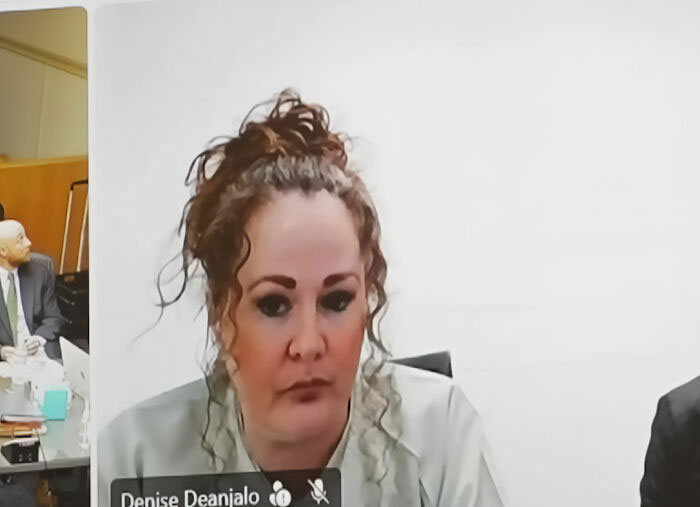
It claimed that “at no point did any member of the exe**tion team realize that the IV lines were not correctly placed or that the veins had blown and that the pentobarbital was, in whole or in part, entering Ms. Pike’s body.”
The filing also noted that as of the night before, Pike was “critically ill, intubated, on a ventilator, and remains unconscious.”
Victim’s mother held the state of Tennessee responsible for failing to give her daughter justice

RDNE Stock project/Pexels (not the actual photo)
On Thursday, October 1, Pike’s victim Colleen Slemmer’s mother, May Martinez, who had traveled from Orange Park, Florida, to Nashville to witness the capital sentencing, told WJXX, “It’s hard. I broke down in tears. She was lying on the table, talking, still laughing, picking up her head.”
“I think that the state owes me a big apology,” she continued, adding that she feels like she failed to get justice for her daughter.

On Wednesday, Tennessee Governor Bill Lee called off the state’s only other capital sentencing scheduled for 2026 and ordered an outside review. He also announced that Tennessee Department of Correction Commissioner Frank Strada is stepping down.
Dr. Mark Walton Fowler, the Tennessee doctor who oversaw Pike’s failed lethal injection procedure, was also at the center of another botched capital sentencing earlier in 2026.
Tony Carruthers was scheduled to have his life taken at the same facility on May 21.
But after the team established a primary IV line, they “could not find another suitable vein for a backup line, which is required under the state’s lethal injection protocol,” according to the Tennessee Department of Correction.
Carruthers’ lawyer said at the time that it was “horrible” to watch the team’s failed attempts at IV cannulation, which left him “wincing and groaning” and led to a lot of bleeding.
Gov. Lee granted Carruthers a one-year reprieve after his sister filed a complaint, claiming he suffered excruciating pain and partial paralysis from a stroke as a result of the botch.
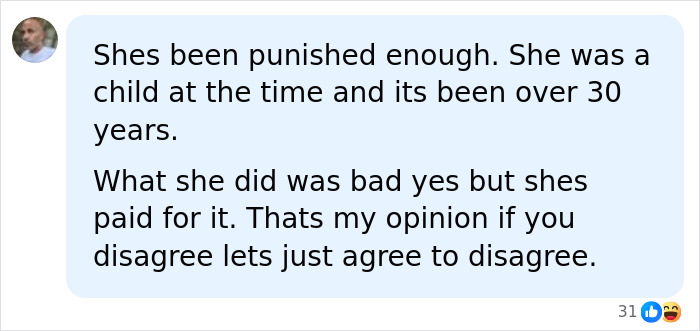
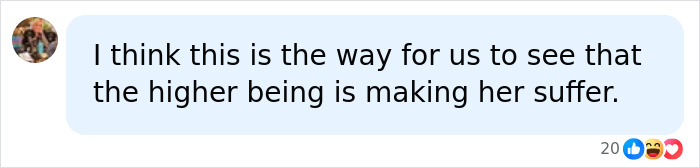
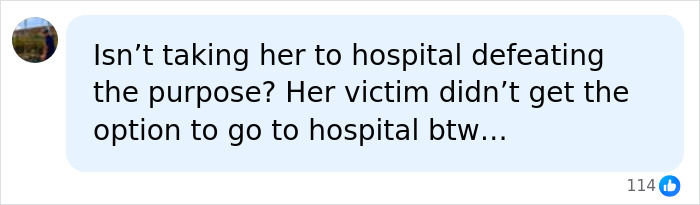
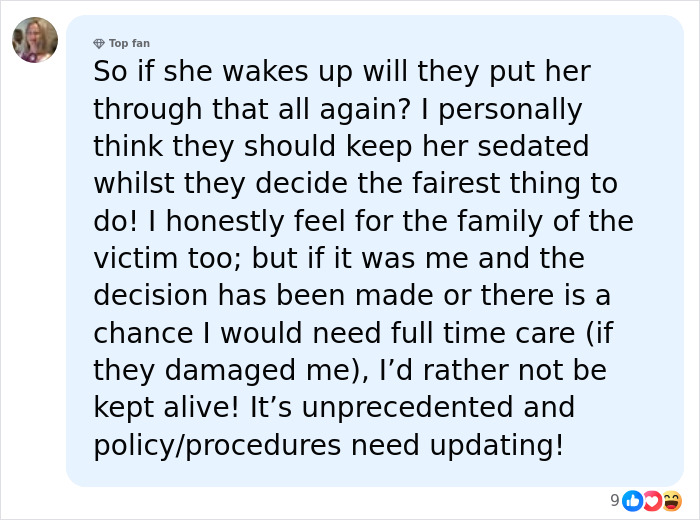
“Policy/procedures need updating,” one netizen argued