Even though more and more couples talk about family planning early on, the decision to have a baby is rarely as simple or black-and-white as people think. Life goals change, feelings evolve, and some circumstances are simply beyond your control. Navigating those differences is already difficult enough behind closed doors — making it infinitely harder when it spills into the public eye.
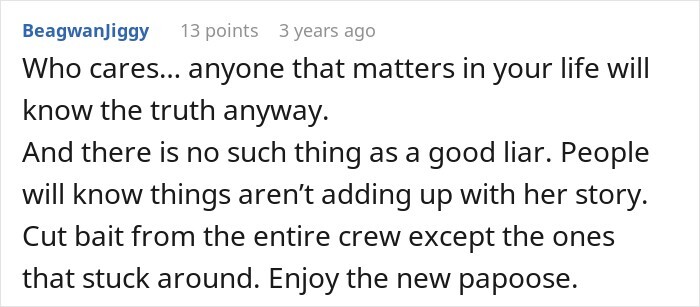
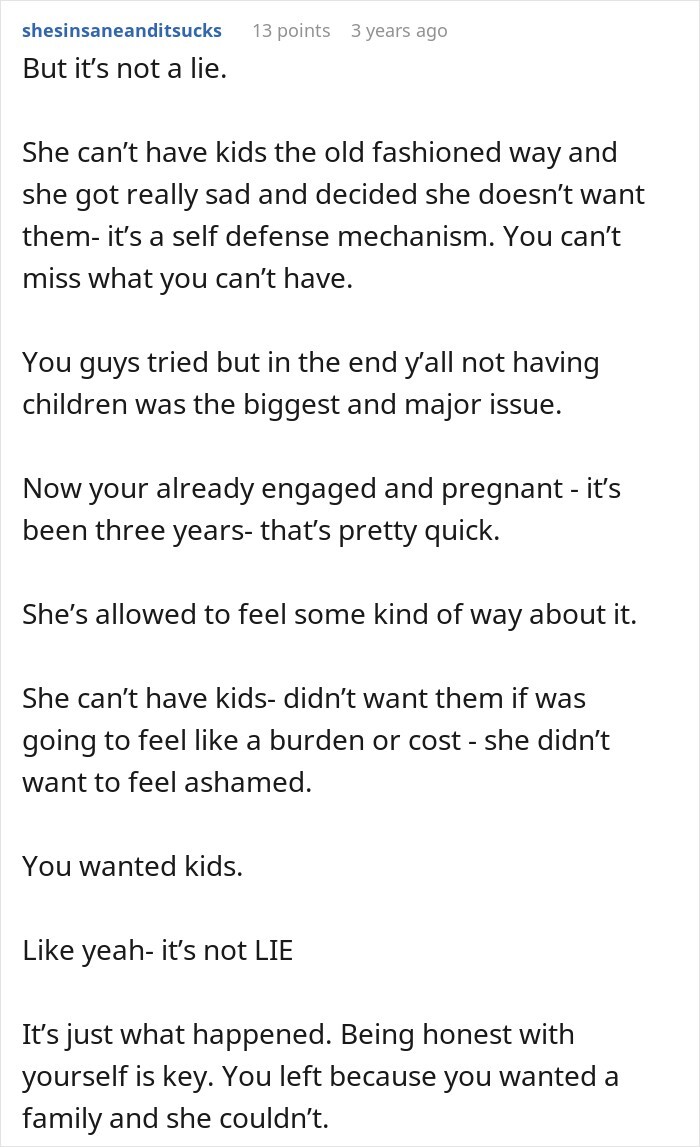
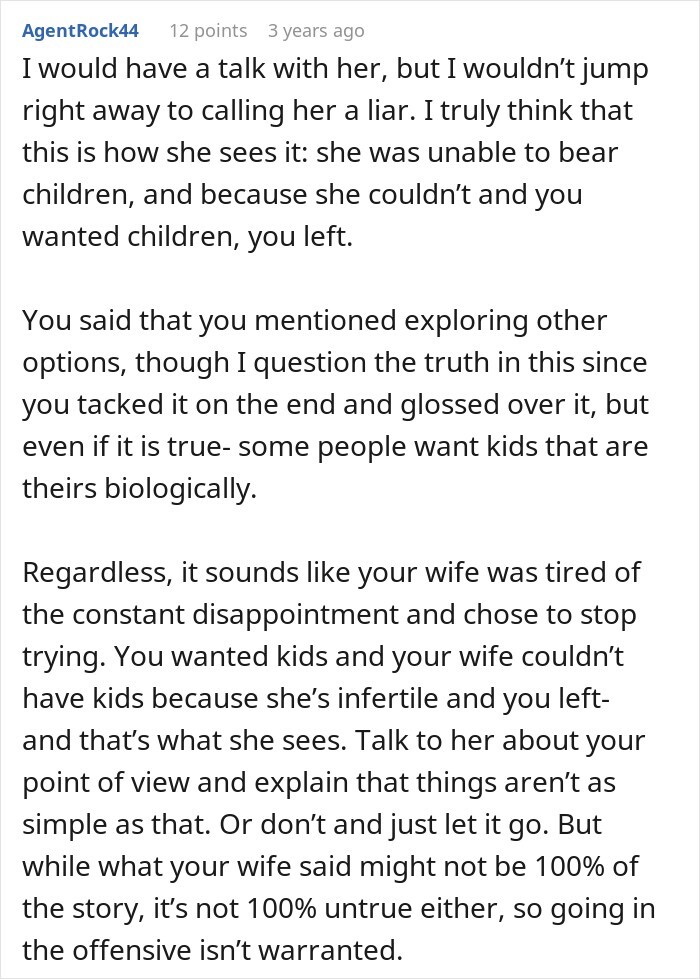
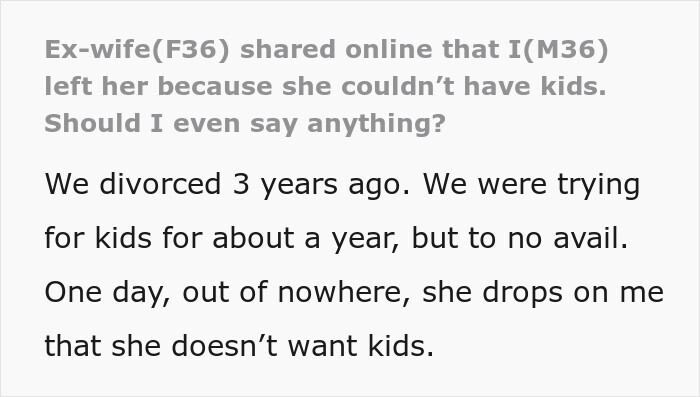
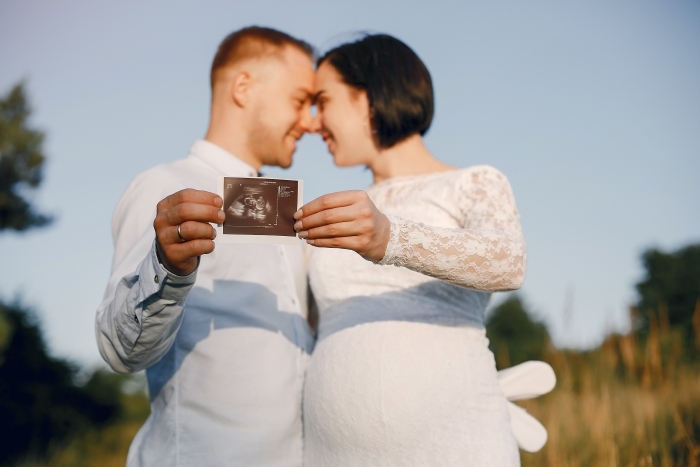
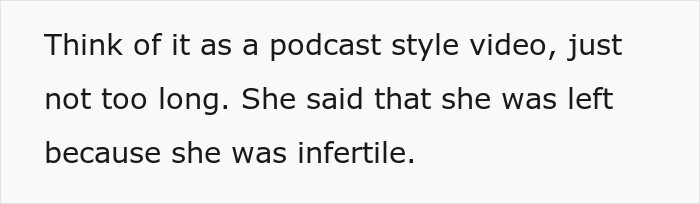
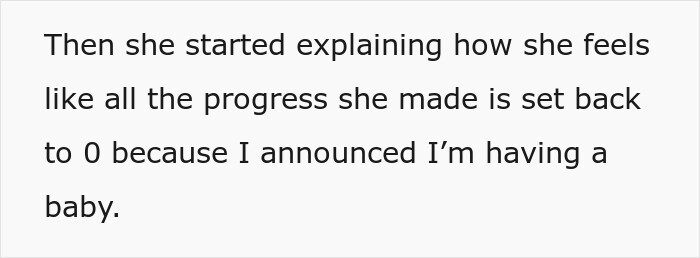
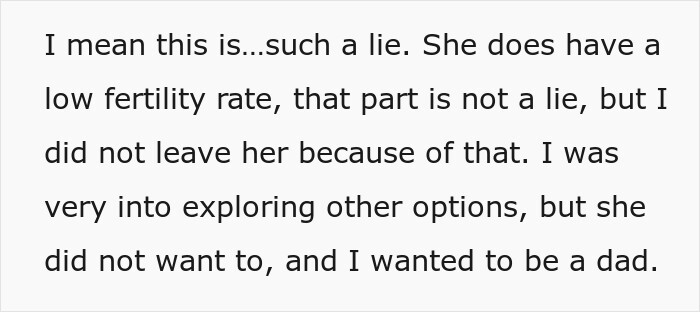
A 36-year-old man recently learned this the hard way. Three years after his divorce, he discovered that his ex-wife had publicly discussed the details of their split on social media, accusing him of ending their marriage over her fertility issues. The timing of her post wasn’t random — it came right after she learned he and his current fiancée were expecting a baby.
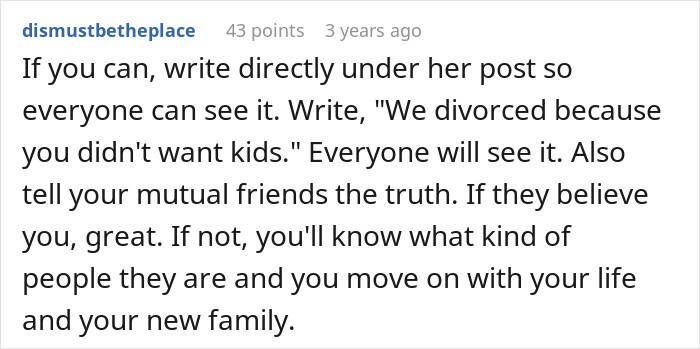
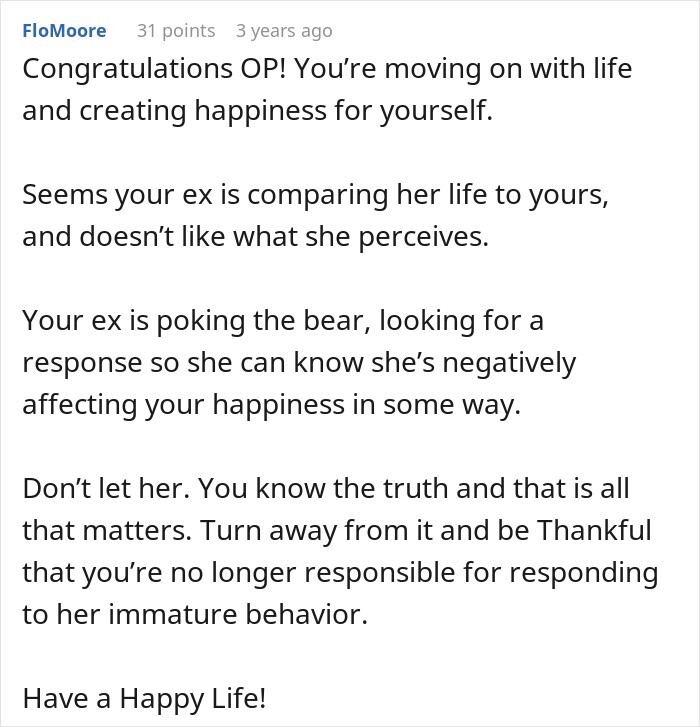
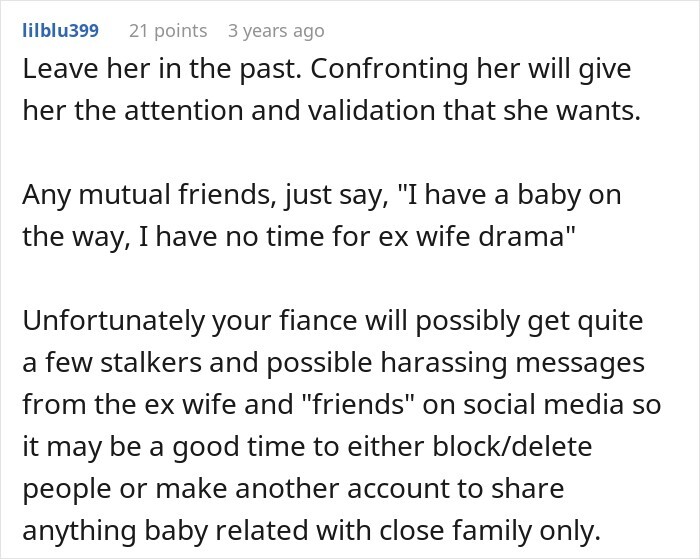
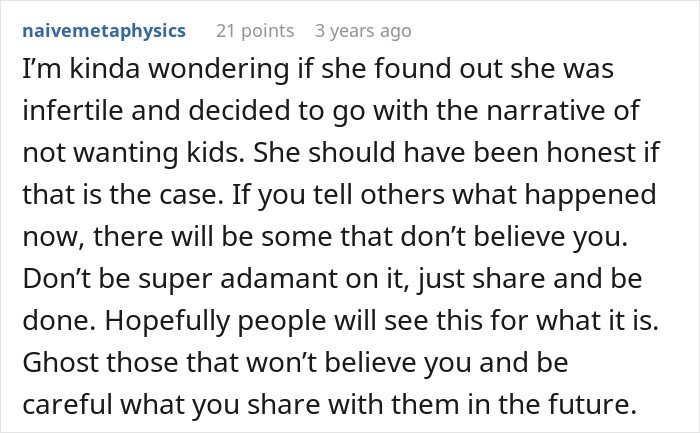
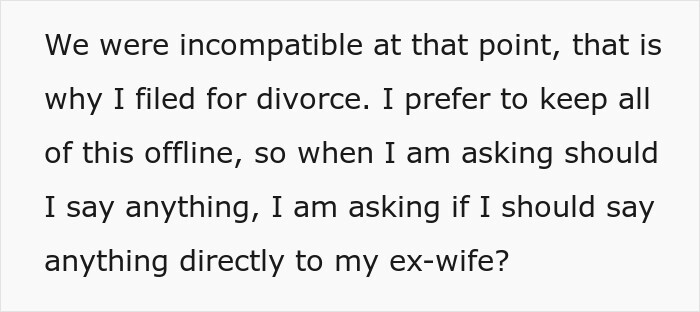
Read on for the full story he shared on an online forum, including the real reason for their split and his dilemma over whether to respond.
Woman claims ex-husband left her over fertility issues, he says that’s not what happened

user23538080 / magnific (not the actual photo)
She accused him of this on social media — three years after their divorce
prostooleh / magnific (not the actual photo)

wayhomestudio / magnific (not the actual photo)

Guzov Ruslan / magnific (not the actual photo)
A look at how global fertility challenges impact relationships
Traditional societal and cultural norms have long framed parenthood as a natural milestone of adulthood, but family planning isn’t smooth for every couple. When two partners find themselves on opposite sides of this choice—or when physical circumstances intervene — the strain can break even the strongest bonds.
Data from the World Health Organization shows that roughly one in six adults globally experiences infertility. In the US, figures from the Centers for Disease Control and Prevention show that about 10% of women between the ages of 15 and 44 face difficulties conceiving or carrying a pregnancy to term.
Research shows infertility often triggers deep grief, anxiety, and a loss of self-esteem. A 2025 study examining the social stigma around infertility revealed that 77.2% of women experienced persistent feelings of emptiness, while 43.2% reported an inferiority complex. For many couples, the absence of a child creates physical anxiety symptoms and severe marital conflict, with around 3.7% of women explicitly citing infertility as the primary cause of ongoing marital strife.
These psychological burdens frequently change how partners view their shared future. When a couple’s mutual dream of parenthood is threatened, the emotional distance can feel impossible to bridge.
A Danish study tracking over 47,000 women found that couples who did not have a child after undergoing fertility treatments were three times more likely to divorce or separate compared to those who did.
“A lot of times, unresolved grief, if it’s not worked through, can be very difficult on a relationship. Sometimes the relationship is a reminder of that childlessness, and so ending the relationship is less painful than staying in a relationship with a person where their life dreams have been kind of shattered,” explains Dr. Brennan Peterson, a professor of psychology at Chapman University.
The grief, shifting goals, and expectations explain why conversations around family planning can leave such long-lasting scars.

Getty Images / Unsplash (not the actual photo)
What it means for the couple when life goals and desires change
Medical obstacles present a profound challenge, but another equally complex hurdle occurs when one partner simply changes their mind about parenthood. When an initial shared vision suddenly shifts, research shows that it can trigger a wave of shock, anger, grief, and resentment for the partner holding onto the original dream.
Simultaneously, the person stepping back often wrestles with intense guilt and isolation, feeling as though they have single-handedly derailed the relationship.
Facing this divide after years of shared history is one of the hardest obstacles a couple can navigate. Relationship experts frequently see how attempting to ignore this gap only delays an inevitable rupture.
“I’ve worked with clients where Partner A changed their mind because they didn’t want to lose the relationship, but then years later they ended up breaking up anyway because Partner A just couldn’t bring themselves to follow through on having children,” explains family and marriage therapist Anita Chlipala. “And for either partner, I also want to make sure they did the work to own their decision; otherwise, this could be a breeding ground for resentment down the road.”
To prevent this lingering bitterness, she emphasizes discussing core non-negotiables as early as possible. While you can find middle ground on many relationship issues, wanting or not wanting a child is rarely one of them.
If one person views parenthood as necessary for their fulfillment, sacrificing that dream out of fear of ending the relationship can result in long-term regret and despair. In these severe cases, experts believe walking away is ultimately the kindest, most responsible decision. It allows everyone the freedom to walk a path aligned with their true values.
At the end of the day, people have every right to change their minds about what they want out of life, and ending a relationship over incompatible goals is a valid, mature choice. However, how you handle that ending — and how you remember it — can make all the difference.

Xavier Mouton Photographie / Unsplash (not the actual photo)
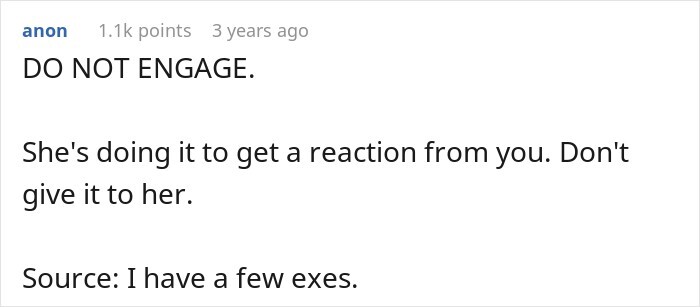
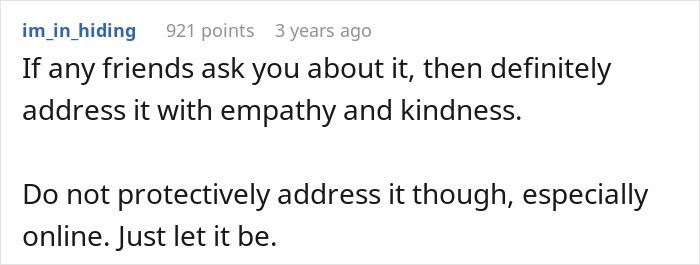
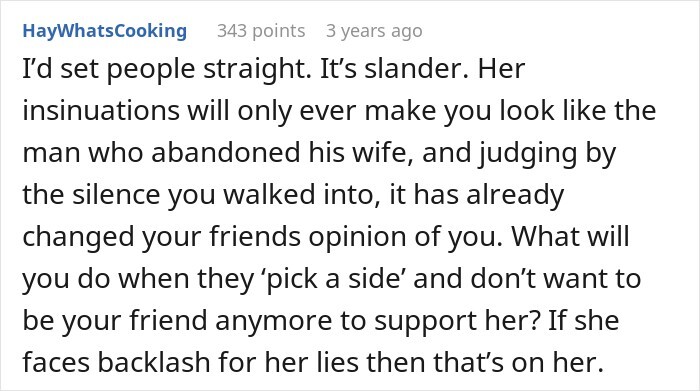
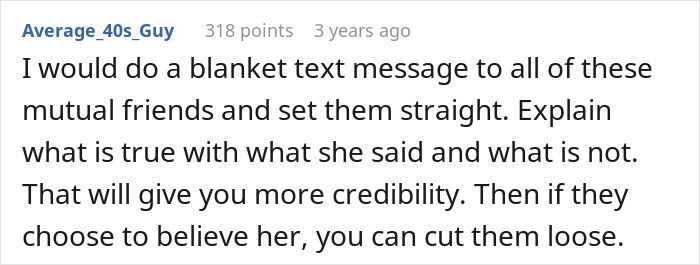
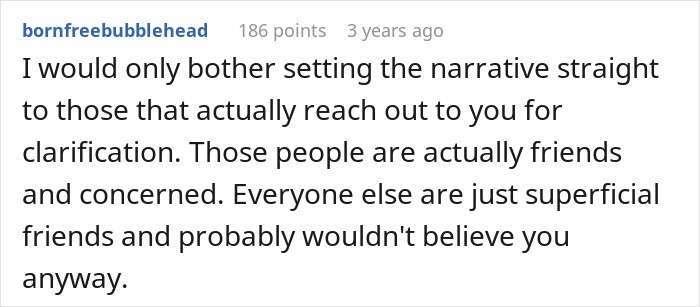
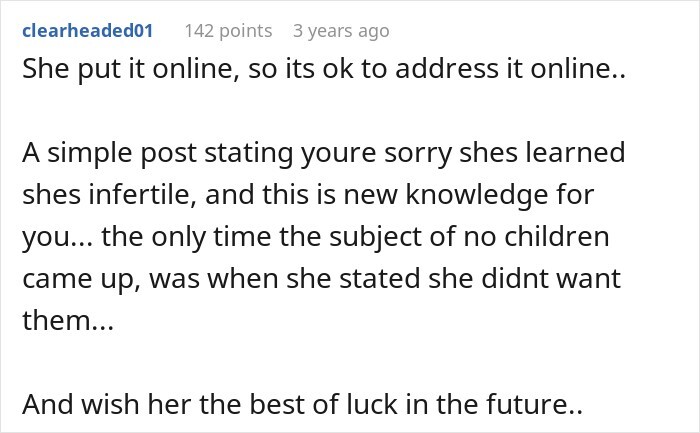
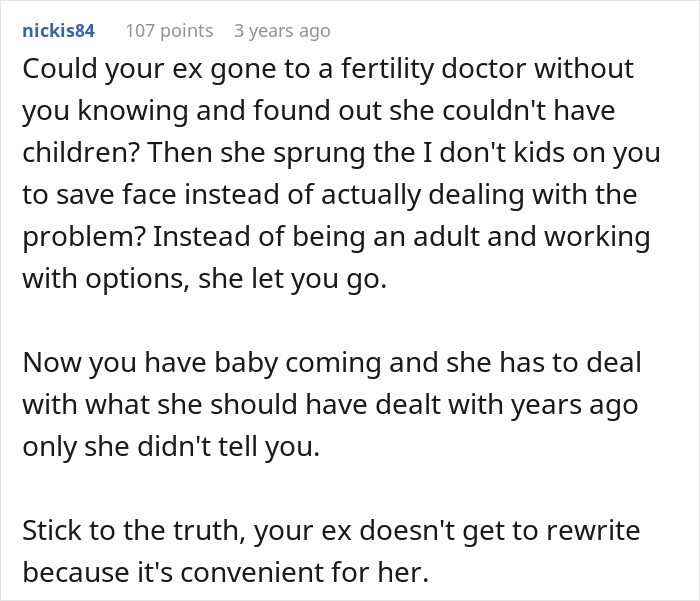
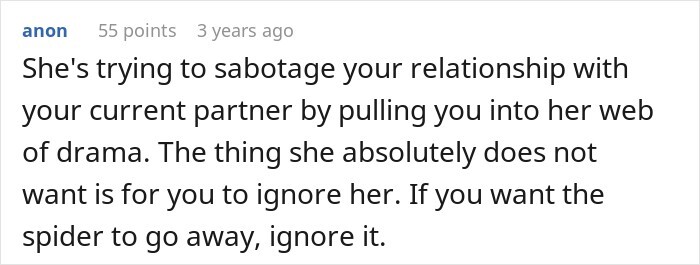
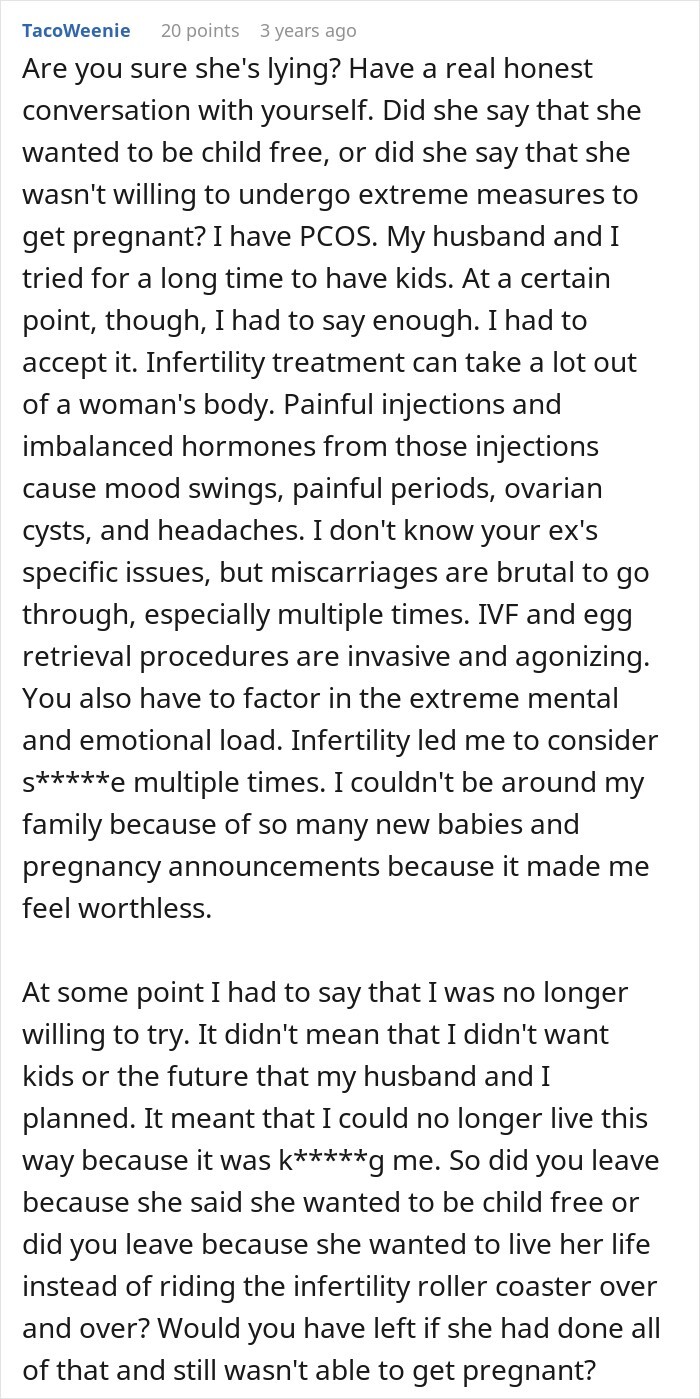
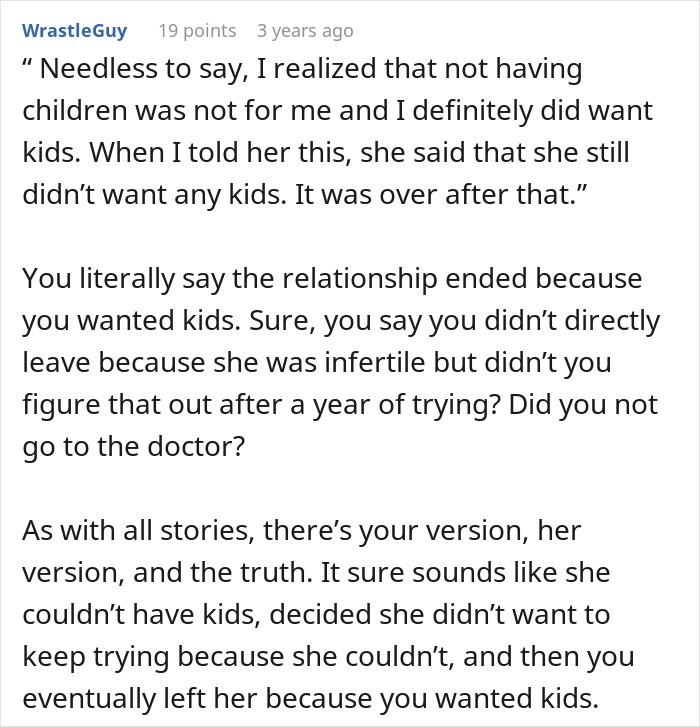
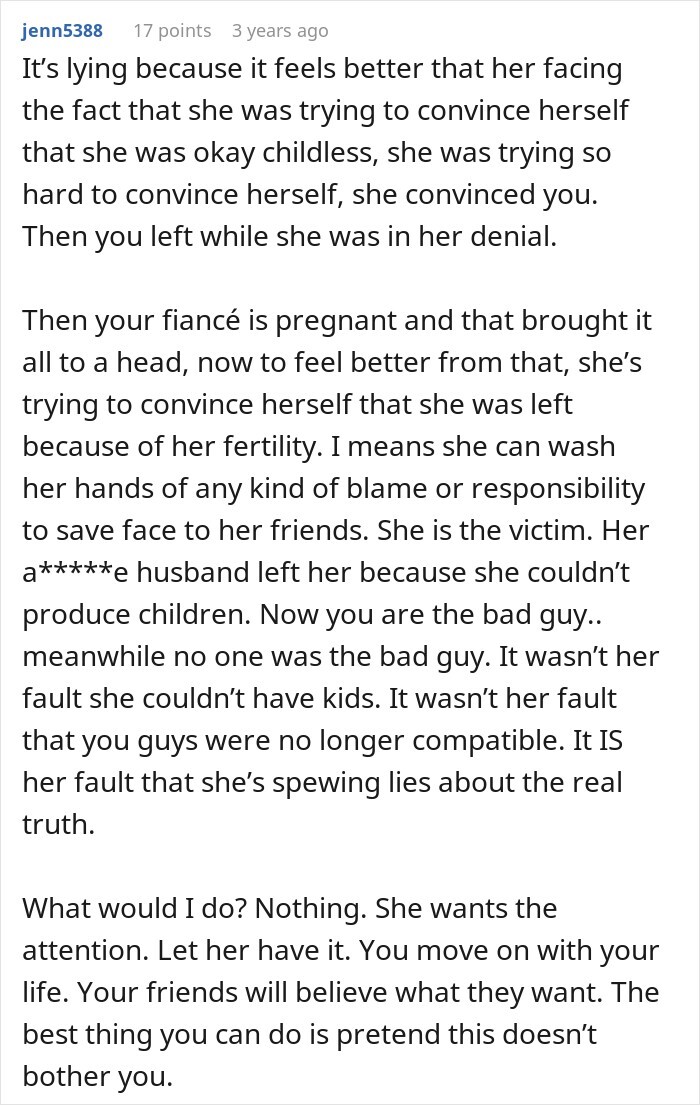
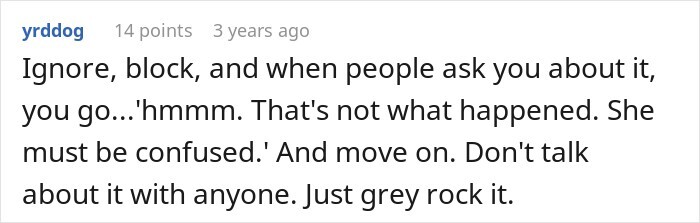
Netizens shared some advice, opinions and their own experiences: