Nikki Anderson, a 32-year-old mother of two from South Carolina, was left stunned last week when she checked her 6-year-old daughter’s backpack after school.
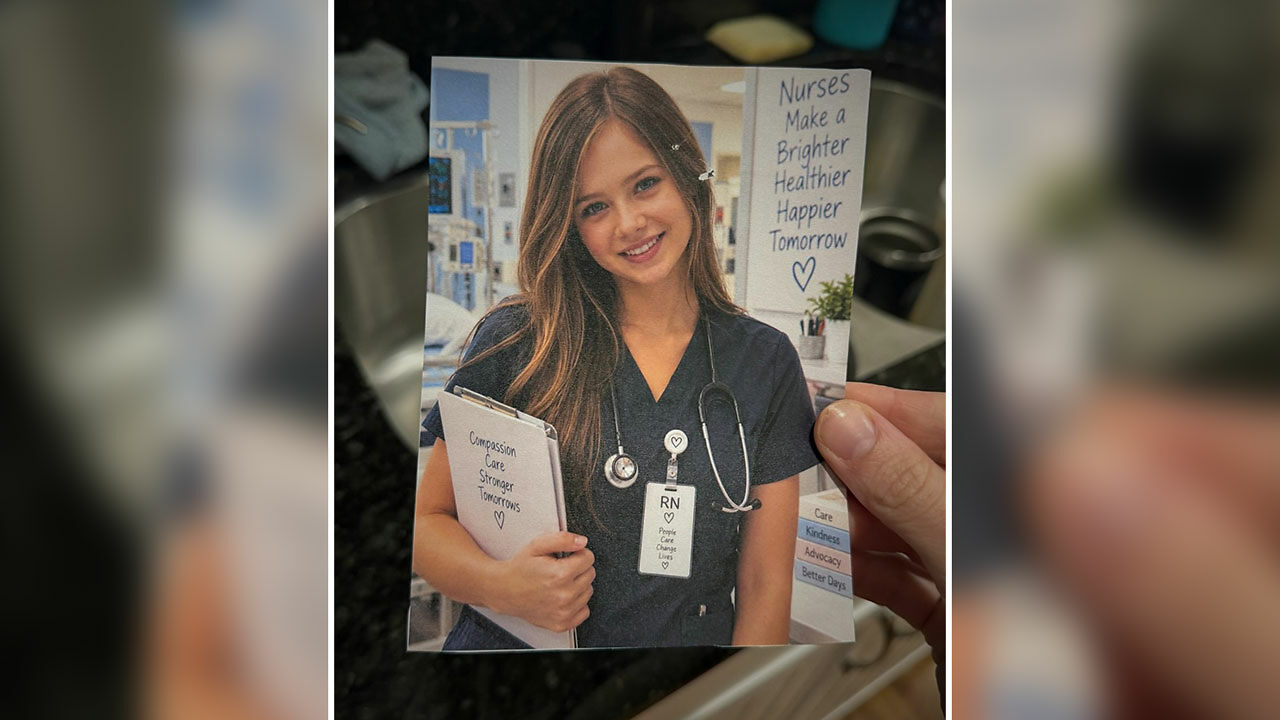
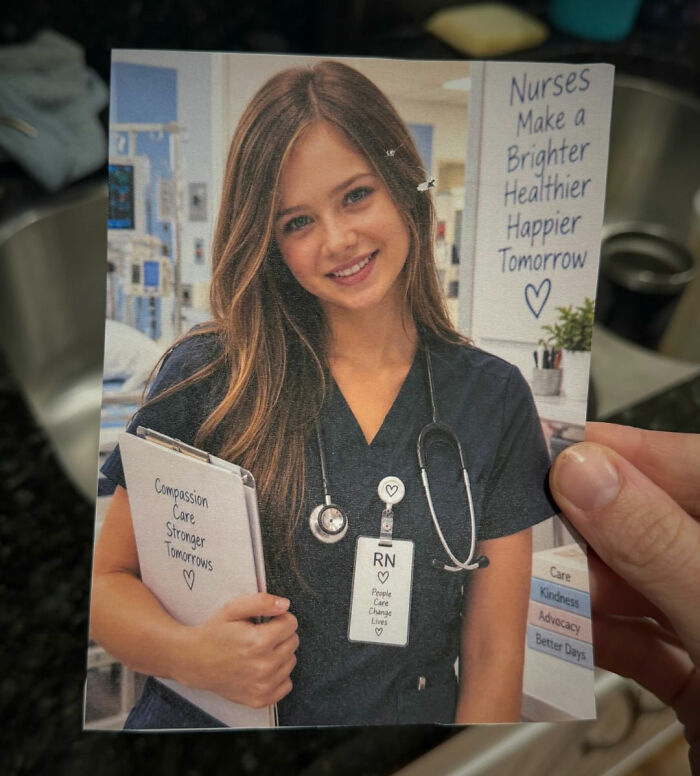
Inside, she found an AI-generated image depicting the youngster as a nurse, a profession she reportedly hopes to pursue when she grows up.
The school activity raised two major concerns for Anderson: a potential privacy breach and whether society had its priorities straight when it came to children and technology.
“I think our children deserve protection, not only of their image but of their minds,” she said.
Nikki Anderson fumed over the school’s AI-generated image of her daughter
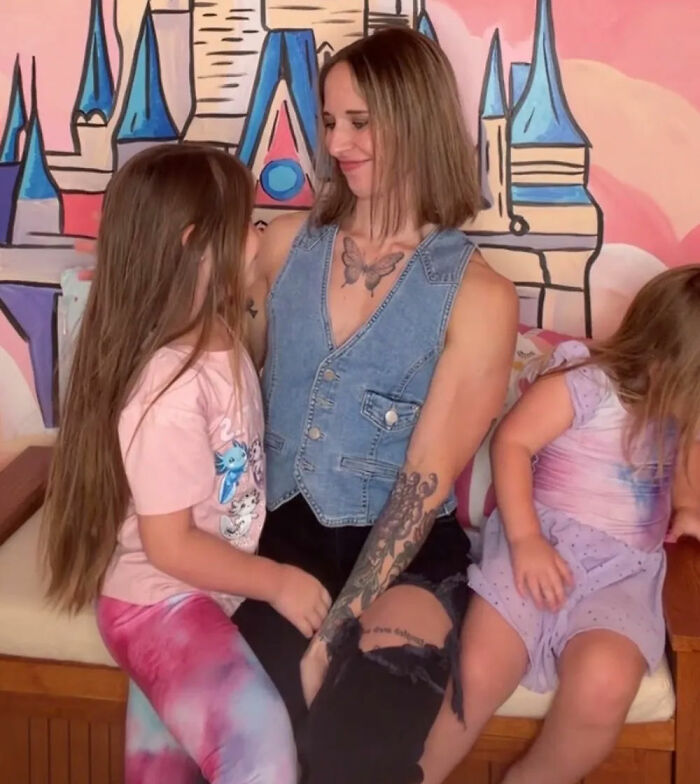
In a Tuesday, October 20, interview with People, Anderson said her daughter liked the picture the school had created for her.
“She said that she loved the picture because she had straight and wavy hair, and that is what she always wanted, and she hopes she would be that beautiful when she grows up,” the mom recalled.
Her initial reaction to the image, however, was one of disgust.
“Am I allowed to be grossed out about this? I am grossed out about this,” she said.
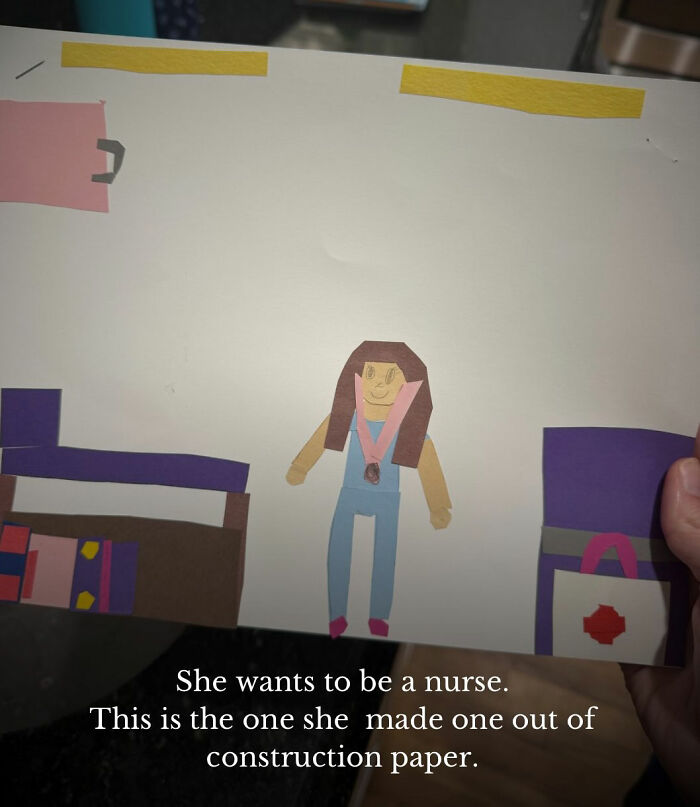
Anderson then recalled asking herself, “Did a teacher really upload my daughter’s photo somewhere to make this, knowing what we know about AI?”
“I was honestly in disbelief,” she added.
The mom shared her concerns in a now-viral Instagram post, arguing that “our priorities aren’t quite right.”
“6-year-olds are already creative. They’re already innovative. They’re already capable of imagining futures that adults couldn’t possibly predict. Why are we outsourcing that?” she asked.
“Harper is 6, and she’s at that incredible age where the world is still full of possibilities. She doesn’t need a computer to tell her what she could become.”
Anderson also questioned whether parents are being asked to consent to the use of AI in classrooms.
“What software was used? Was it an outside platform? What happens to those pictures after? Did any of us actually consent to that?” she asked, adding, “Those are questions I think every parent deserves answers to.”
Anderson said she quickly took her concerns to the school’s administration.
The mom is awaiting the school’s response and hopes to prevent similar incidents
Anderson struck a more measured tone than she had in her social media post reprimanding school authorities when discussing the issue with People.
“I want to believe that the people that are so dedicated to our children’s future and growth genuinely want what’s best for our children,” she said.
She added that she hoped her discussions with her daughter’s school principal and board members would lead to the development of “meaningful safeguards” around AI use.
“I want a meaningful step forward to prevent this from happening. I don’t want this to become a story about attacking educators,” Anderson explained, acknowledging that the responsibility of navigating the “new tech landscape” should not fall exclusively on educators.
“Teachers are already being asked to do an extraordinary amount with limited resources,” she added.
Anderson went on to claim her post about AI in classrooms divided the internet
Anderson told People she hadn’t expected her Instagram post to attract such a strong reaction.
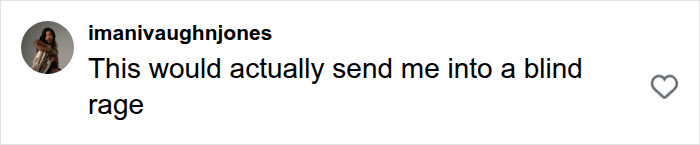
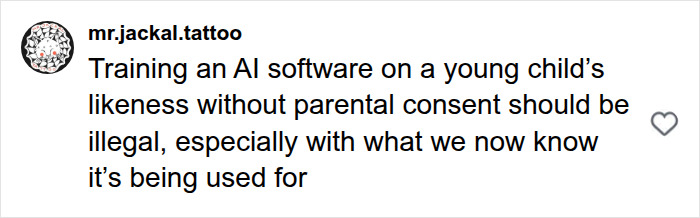
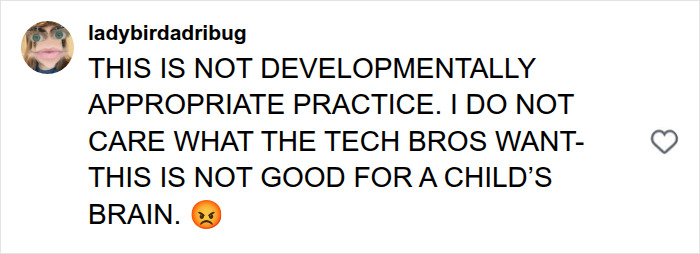
“The response has been much bigger than I anticipated. People have had some very strong opinions. Some parents were horrified by the privacy implications. Others thought I was overreacting to a harmless classroom activity,” she said.
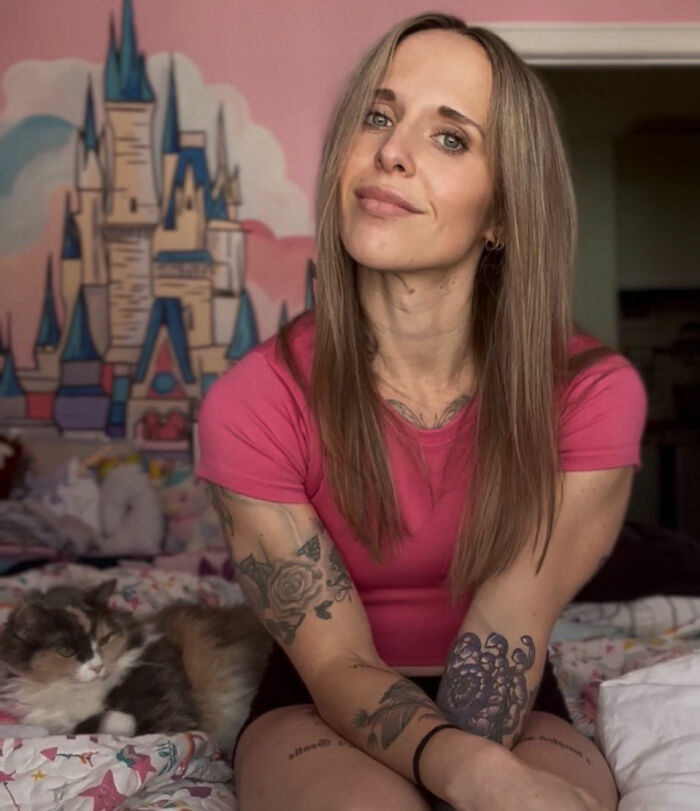
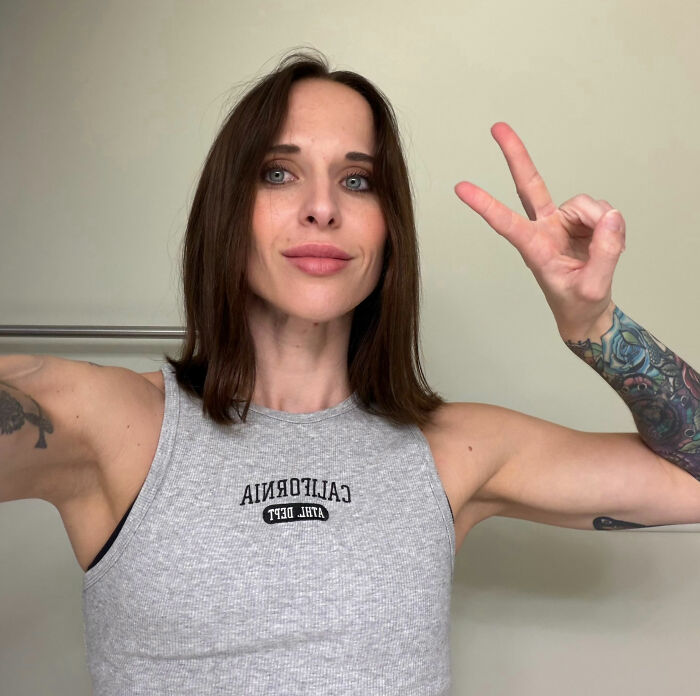
Anderson, however, reiterated that she had shared the post because she believed parents deserved to know what was happening at their children’s schools and wanted them to consider the implications of such practices.
Ultimately, the mom added that she understood why “someone might initially think it’s cute” and did not believe anyone involved had necessarily intended to cause harm.
Netizens accused Anderson of contradicting her privacy concerns by discussing her daughter’s case with the media
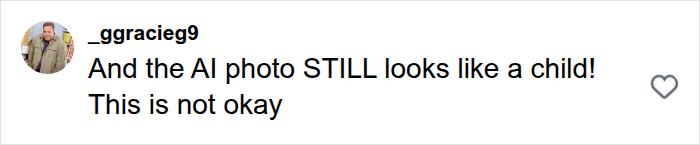
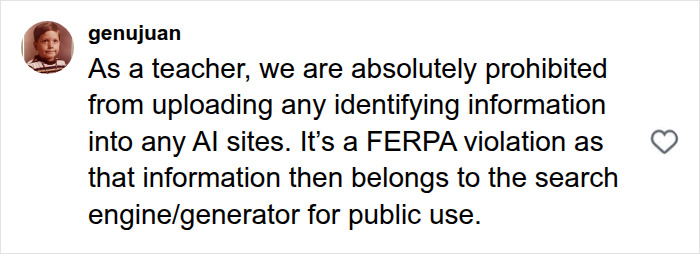
Critics quickly reacted beneath People’s Facebook post about the story, calling out Anderson for sharing her and her daughter’s identifying details with the publication while raising privacy concerns.
“So we take those privacy concerns straight to People magazine. Sounds like these people really do love their privacy,” one person wrote.
“Good job mama,” remarked a second alongside a frowning face emoticon.
A third described speaking to the press about the incident as “so lame.”
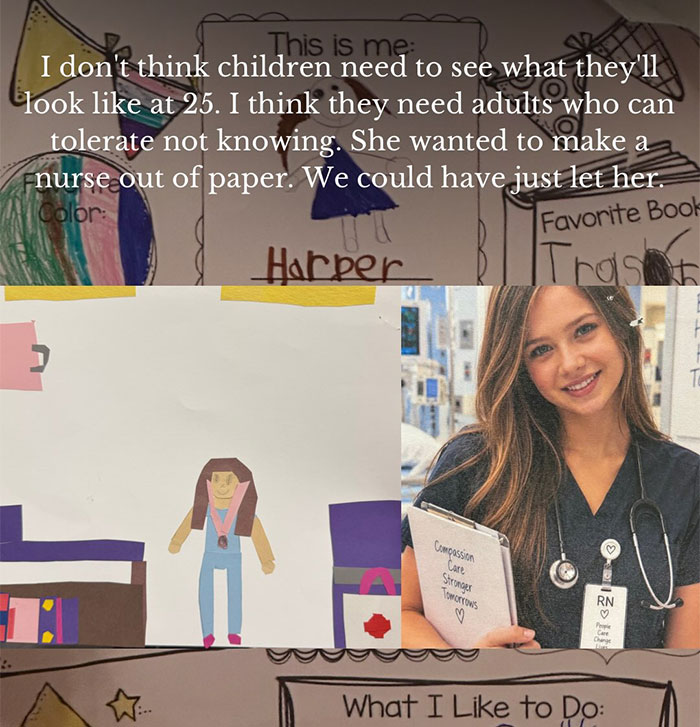
However, Anderson also received support from people who pointed out that the publication had not shared the child’s original photograph, using only the AI-generated image at the center of the controversy.
“Maybe open the article before patronizing her [Anderson],” one commenter told her critics.
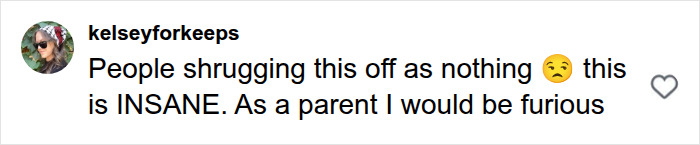
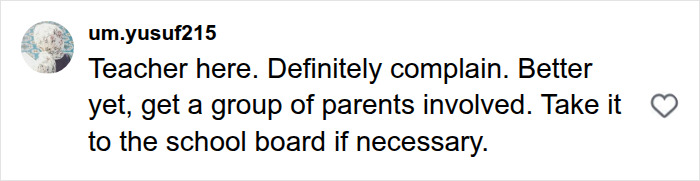
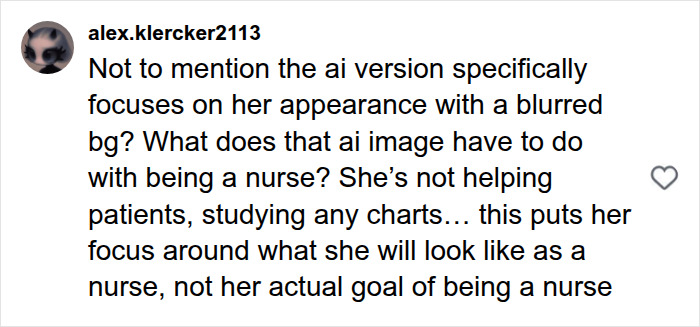
“People shrugging this off as nothing is insane,” a social media user said about Anderson’s concerns