
Oil prices seesawed up and down Tuesday, as energy markets weighed fresh Middle East turmoil against weaker-than-expected economic data.
After jumping by as much as 5%, U.S. crude prices closed down 2%, at less than $102 a barrel. International Brent crude prices swung between a low of around $105 a barrel to a high of nearly $112.
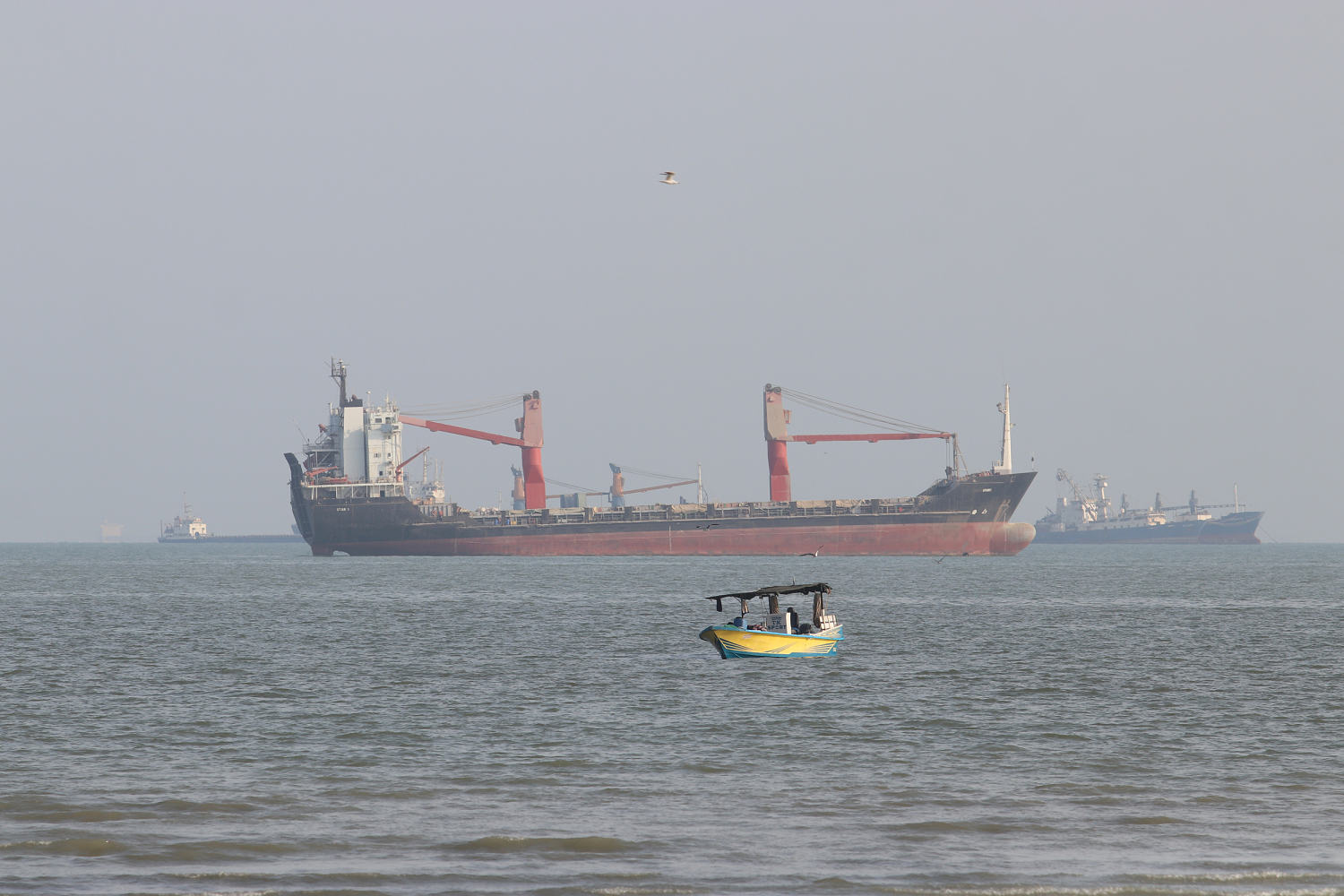
Initially, there were several factors pushing up the cost of crude, which later gave way to forces pushing it lower. During the past two weeks, at least 18 vessels have been attacked in the strait, the ship-tracking group Kpler said in a report Monday.
The cost of chartering a large tanker vessel to transport oil through the Strait of Hormuz has now quadrupled since September as a result. Much of that increase is a risk premium covering the price of increasing safety for vessel crews, and the cost of insurance.
This higher cost of transport has outweighed the recent bump in supply from a growing number of ships moving through the strait that would otherwise help push prices back down.
Iranian attacks on ships have also prompted investor speculation that the Trump administration will be more likely to escalate against Iran after the November midterm elections.
For a brief moment, conflicting reports Tuesday about whether the U.S. and Iran were engaged in active negotiations to deescalate the conflict swept through energy markets, sending prices lower.
Rumors of an imminent deal spread online around midday, but an unnamed Arab diplomat later told Bloomberg News this was “wrong.” A top Iranian official also said his country was not proposing anything new to the United States or its intermediaries.
Investors have been quick to send oil prices lower when any talk of a deal that could ease tensions in the region comes up.
Also sending the price of oil tumbling Tuesday was fresh housing data.
Permits for future home construction tumbled to a nearly four-year low last month, while U.S. pending home sales plunged 7%. This raised the prospect for traders of a broader economic slowdown and a drop in consumer demand.
“The ongoing contraction in the housing sector is set to deepen with 30-year mortgage rates now reaching 7.5%,” analysts with Citi said in a note Tuesday.
Rising costs — especially high gas prices — have become a major issue for voters in the midterms, where Republicans face dwindling odds of maintaining their control of Congress.
A recent NBC News poll found that 67% of U.S. adults believe gas prices are a “very serious” or “somewhat serious” problem. A majority also said that current economic conditions have caused them to change their spending habits.
U.S. gasoline prices have started off the week lower, at $4.28 a gallon. At this pace, the national average price of unleaded could be headed for its lowest level in a month.