
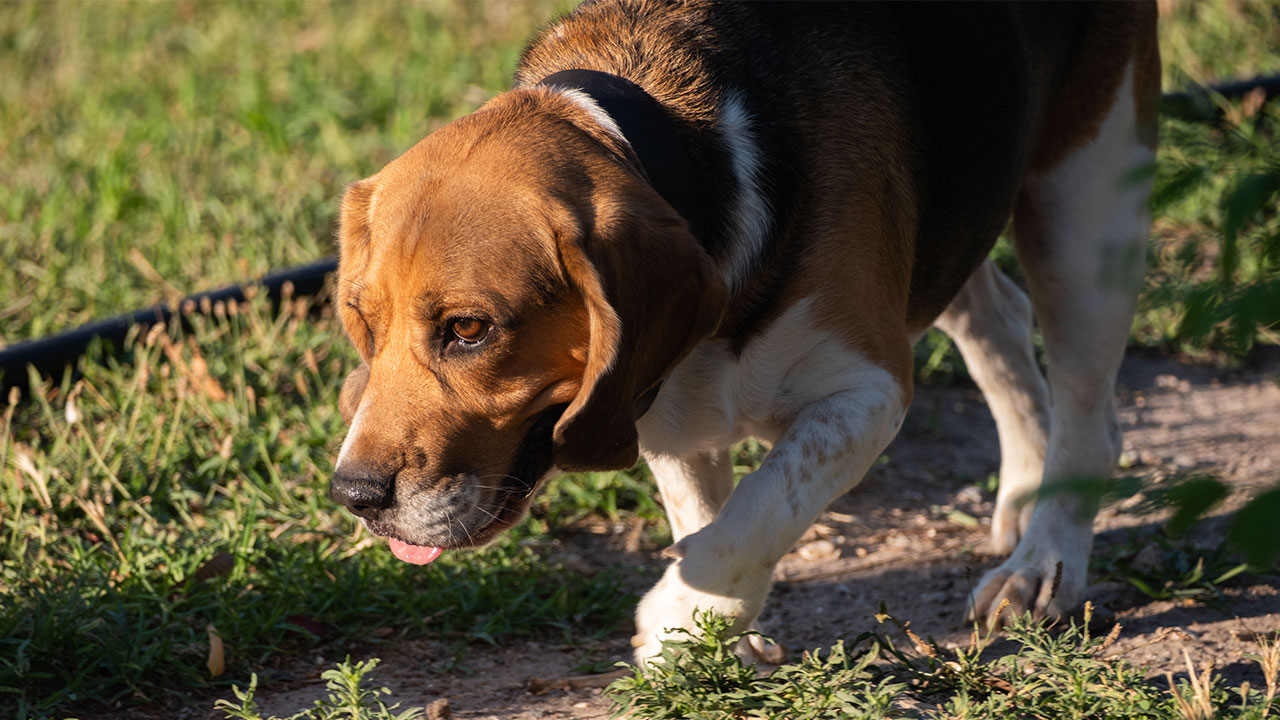
For centuries, people have relied on dogs’ noses to do what human senses can’t. Hunters used scent hounds to track game through forests, truffle hunters in Italy bred dogs to find fungi buried underground, and today dogs help find explosives, drugs, and even signs of some diseases. Now, scientists in Germany have given them a new kind of target: invasive plants.
More info: journals.plos.org | youtube.com
Dogs are being trained to detect invasive plants before they spread and threaten local ecosystems
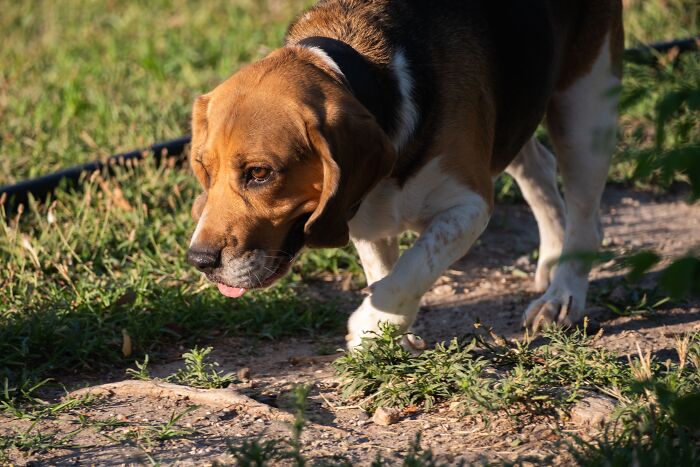
Researchers from the Helmholtz Center for Environmental Research (UFZ) in Leipzig set out to test whether ordinary pet dogs and their owners could be trained to find invasive plant species in the wild. The results were encouraging. In a final field test, the volunteer teams located their target plants with an average success rate of 75%. The findings were published in the scientific journal PLOS ONE in November 2026.
Invasive species may not get as much attention as climate change, but their impact is enormous. According to a 2023 global assessment by the Intergovernmental Science-Policy Platform on Biodiversity and Ecosystem Services (IPBES), invasive species have been a major factor in 60% of recorded plant and animal extinctions, and they cost the world more than $423 billion in 2019 alone. Once an invasive plant takes hold, it can spread rapidly, crowd out native species, and change the habitats wildlife depends on.
German researchers tested whether ordinary pet dogs could help ecologists track three invasive species
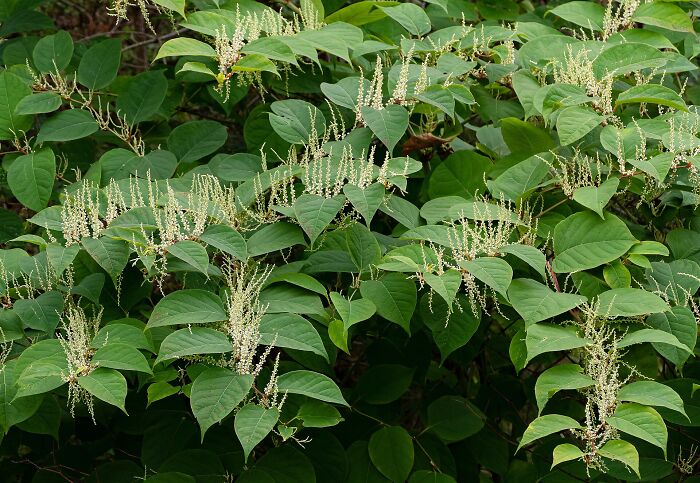
The three plants the dogs were trained to find all have a long history in Europe. Japanese knotweed was brought from East Asia in the 19th century as an ornamental plant, prized by Victorian gardeners for its heart-shaped leaves and fast growth. That same vigor turned it into one of Europe’s most notorious invasive plants, with roots that can push into existing cracks in concrete, brick, and asphalt. Himalayan balsam arrived in Britain in 1839 as a garden flower and has since spread along riverbanks, helped by seed pods that burst open at the slightest touch and fling seeds up to 7 meters away. Common ragweed, native to North America, reached Europe in the 1800s mixed into imported seed and horse feed, and its pollen is now one of the continent’s major causes of hay fever.
Japanese knotweed was introduced as an ornamental garden plant but became notorious for its aggressive growth and roots that can penetrate cracks in concrete and brick
The trouble is that these plants are hard to catch early. Current monitoring methods are often slow and expensive, and without good early-detection tools, ecologists usually find new patches only after they have already spread.
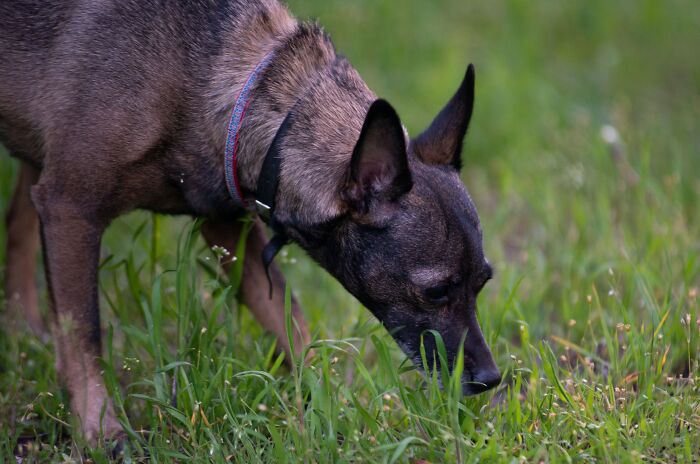
That is where dogs have a natural advantage. A dog’s nose holds up to 300 million scent receptors, compared to around 6 million in humans, and the part of its brain devoted to analyzing smells is proportionally about 40 times larger than ours. This lets dogs pick up odors far too faint for people to notice, including the subtle scent signatures of specific plants.
Himalayan balsam can launch its seeds up to 7 meters away, while common ragweed produces pollen responsible for widespread hay fever

Using dogs for conservation isn’t new. In the 1890s, New Zealand conservationist Richard Henry used a muzzled fox terrier named Lassie to find kākāpō, a rare flightless parrot, and kiwi, so he could move them to predator-free islands. In recent decades, trained conservation dogs have been used to find rare species, animal droppings, and invasive pests. What makes the German study different is that it relied on volunteers and their own pets rather than professional detection teams.
As part of the program, 31 dogs and their owners learned to recognize the scent of Himalayan balsam, common ragweed, and plants from the knotweed family. The training ended with a field test in the wild, where the teams had to find the plants in natural conditions. Twelve teams took the final test, and 11 of them passed. Just as importantly, none of the dogs mistakenly flagged plants they weren’t trained to find.
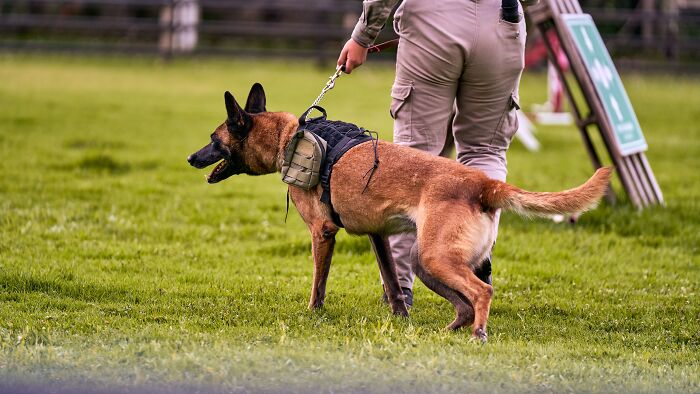
Dogs have up to 300 million scent receptors, allowing them to pick up subtle plant odors that humans cannot detect
“Our study shows that trained volunteer dog-handler teams have real potential,” said lead author Dr. Annegret Grimm-Seyfarth. She explained that what excites the team most is the chance to turn an activity people already enjoy, being outdoors with their dogs, into a meaningful contribution to protecting biodiversity. With the right preparation, she added, ordinary walks could become an extra resource for spotting invasive plants early.
In the final field test, 11 out of 12 volunteer teams successfully identified their target plants, with an average success rate of 75%

Still, the researchers are careful not to overstate the results. A good nose alone isn’t enough to make a dog team reliable. Volunteers need thorough training and ongoing support from both dog-training specialists and ecologists to work effectively in real situations. Based on their findings, the scientists put together recommendations for future programs, covering how volunteers are selected and coordinated, how dogs are trained, and how teams should be guided during their first deployments.
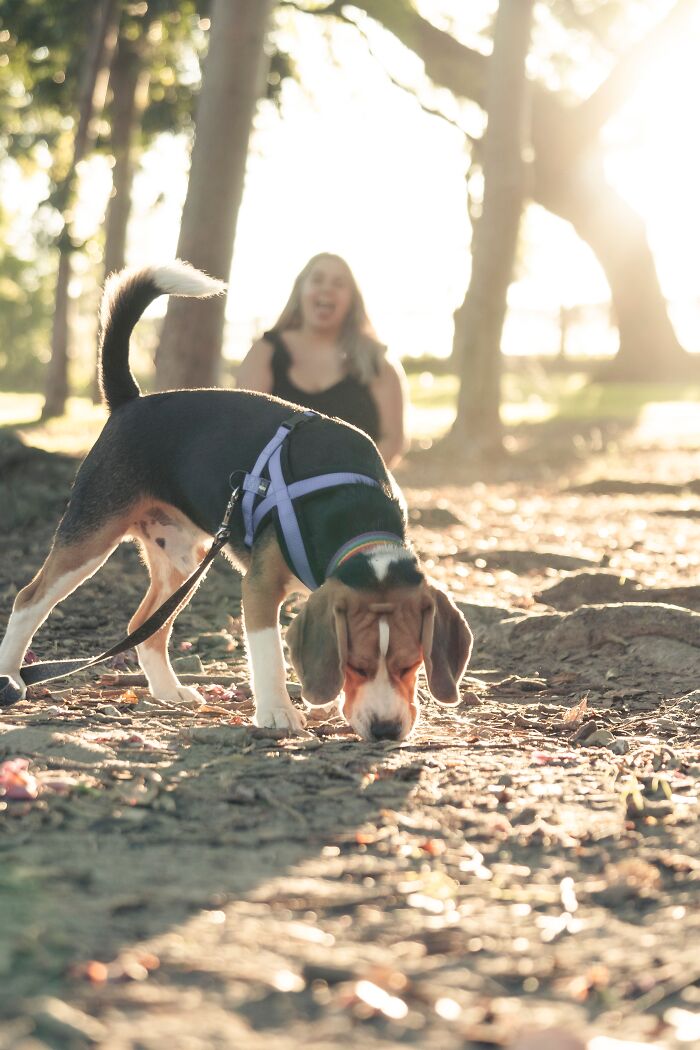
Scientists believe trained dogs and their owners could turn everyday walks into an unexpected way of protecting biodiversity
Similar ideas are already being tested elsewhere. In the United States, researchers at Virginia Tech trained pet dogs to find the eggs of the spotted lanternfly, an invasive insect from Asia that damages crops and trees. The dogs identified egg masses correctly 82% of the time in controlled tests and 61% of the time in real-world field trials. In Ohio, Cleveland Metroparks has put trained dogs to work in its parks and, according to AP, uncovered more than 4,000 egg masses by spring 2025.
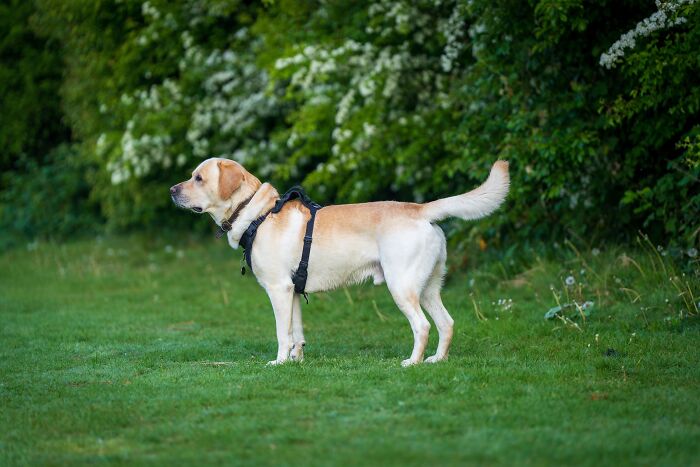
Unlike professional detection programs, the German project showed that ordinary pet dogs and volunteer owners could become valuable partners in conservation efforts
Dr. Grimm-Seyfarth said she was encouraged by how motivated many of the participants were throughout the program. If similar projects expand, trained volunteers and their dogs could become a practical addition to existing monitoring, helping catch invasive plants while they are still possible to control. Dogs have helped humans hunt, search, and rescue for thousands of years, and this study suggests they may also have an important role in protecting the natural world.