You might think that the biggest concern after a bad hookup is whether they will text you back. But experts now say that there’s so much more to worry about.
Cases of oropharyngeal cancer are climbing across the Western world. And one of the major reasons for this is an extremely common bedroom activity.
“If you have symptoms that don’t seem to go away and persist beyond six weeks, get evaluated as soon as possible,” said Dr. Nadia Mohyuddin.
One of the major reasons for the rise in oropharyngeal cancer is an extremely common bedroom activity

Prostock/Envato (not the actual photo)
The bedroom isn’t exactly where you’d expect cancer to begin.
Even less expected is being exposed to throat cancer because of one intimate act: going down on someone.
Experts say that oral pleasure is becoming a major culprit in the rise of oropharyngeal cancer.

Vitaly Gariev/Unsplash (not the actual photo)
People who engage in oral s*x are reportedly contributing to higher numbers of this type of cancer because of the transmission of the s*xually transmitted human papillomavirus (HPV).
“For oropharyngeal cancer, the main risk factor is the number of lifetime s*xual partners, especially oral s*x,” Hisham Mehanna, a professor at the Institute of Cancer and Genomic Sciences at the University of Birmingham, wrote in a report for The Conversation.
Oral pleasure is linked to a worrying rise in throat cancer cases, experts say
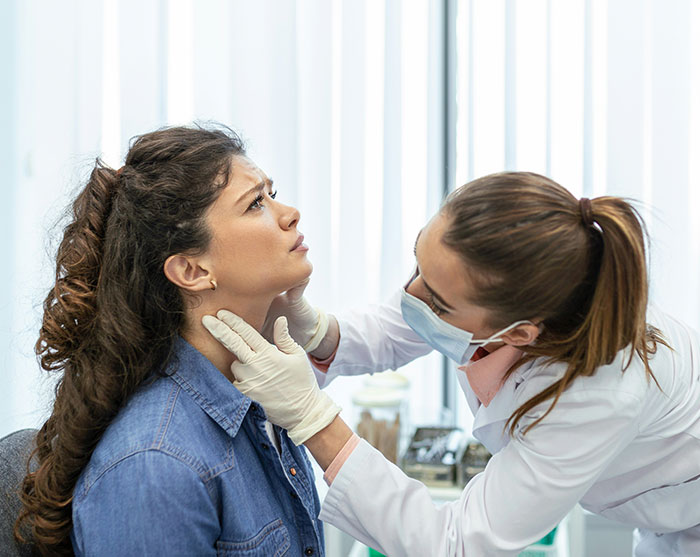
Getty Images/Unsplash (not the actual photo)
People who have had six or more lifetime oral-s*x partners are 8.5 times more likely to develop oropharyngeal cancer than individuals who do not engage in oral pleasure.
Oropharyngeal cancer falls under the broader category of head and neck cancers, which can develop in areas ranging from the nose and mouth to the voice box and food pipe.
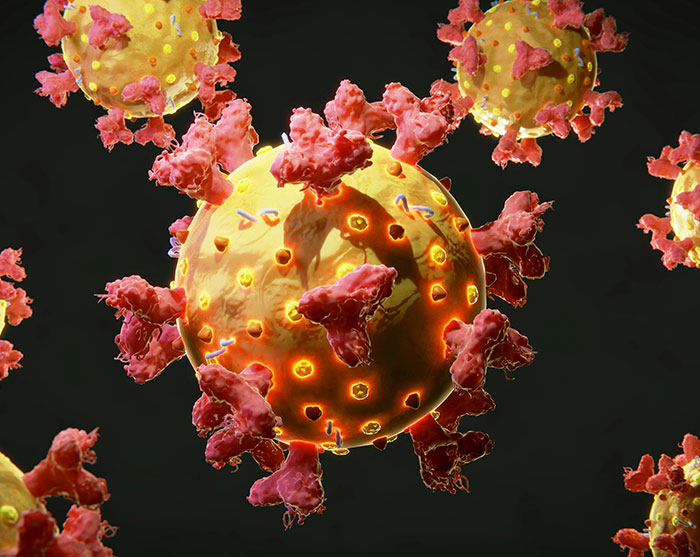
Unsplash (not the actual photo)
The American Cancer Society estimates that in the U.S., there will be about 60,480 new cases of oral cavity or oropharyngeal cancer in 2026 and about 13,150 people losing their lives to this type of cancer this year.
Moreover, one in 59 men and one in 139 women are at a lifetime risk of developing oral cavity and oropharyngeal cancer.
Oropharyngeal cancer cases are rising across the Western world, with HPV linked to many diagnoses

Kateryna Hliznitsova/Unsplash (not the actual photo)
“When we talk about cancer of the oropharynx, specifically, we’re talking about tumors that arise at the back of the mouth where it meets the throat, within the tonsils or at base of the tongue,” Dr. Nadia Mohyuddin, a head and neck surgical oncologist, explained in a report for Houston Methodist.
Smok*ng and drinking excessively were seen as the most common causes of head and neck cancers. However, experts are now increasingly associating oral pleasure with them.

Stephen Andrews/Unsplash (not the actual photo)
“When looking at present-day oropharyngeal cancer, we’re actually seeing a rising rate in never-smokers and nondrinkers,” Mohyuddin said. “And it’s primarily due to human papillomavirus, or HPV.”
Mehanna said people engaging in oral pleasure could expose themselves to HPV.
He and his colleagues conducted a study with nearly 1,000 people who had tonsillectomy for non-cancer reasons in the UK. And 80% of them reported engaging in oral pleasure at some point in their lives. The ray of hope is that only a small number of them developed oropharyngeal cancer.
People with six or more lifetime oral-s*x partners are 8.5 times more likely to develop oropharyngeal cancer
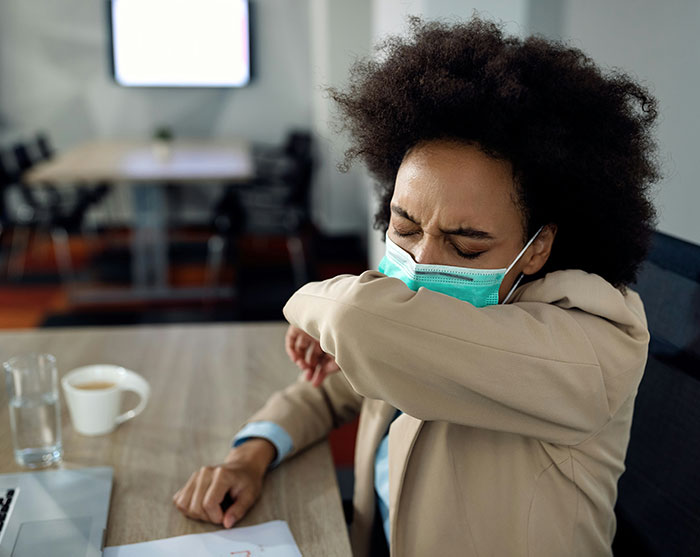
Getty Images/Unsplash (not the actual photo)

Most HPV infections don’t lead to cancer, and it is believed that most people often catch HPV infections but are “able to clear them completely,” Mehanna wrote.
But there’s a percentage of infected people who cannot easily get rid of the infection, possibly due to a defect in a particular aspect of their immune system, he explained.
When the infection persists, the virus can continue replicating and eventually integrate its genetic material into the host’s DNA. This can disrupt normal cell function and, over time, cause cells to become cancerous.

Vitaly Gariev/Unsplash (not the actual photo)
Oropharyngeal cancer can cause several symptoms that may be easy to mistake for less serious conditions.
These include a persistent sore throat, a hoarse voice, a lump in the throat or mouth, difficulty or pain when swallowing, unusual patches on the tongue or inside the mouth, swollen lymph nodes, and unexplained weight loss.
In some cases, however, the disease may not cause noticeable symptoms, particularly in its early stages.
Anyone experiencing persistent or unexplained symptoms should seek medical evaluation.
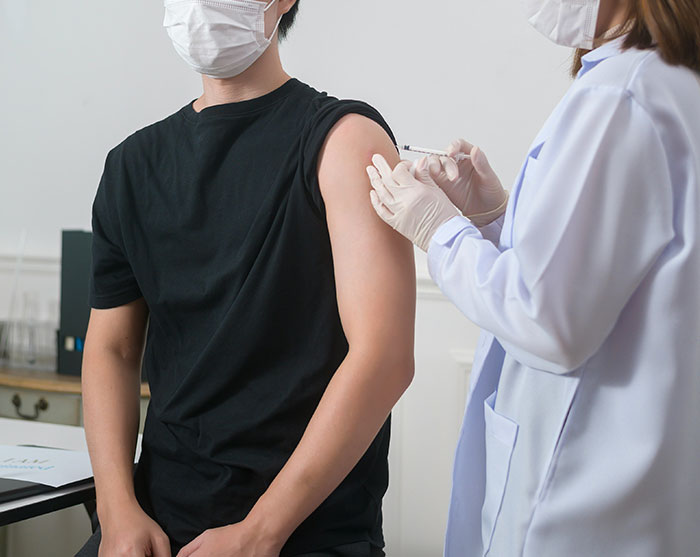
There is one vaccination that could help prevent HPV-related cancers
Getty Images/Unsplash (not the actual photo)
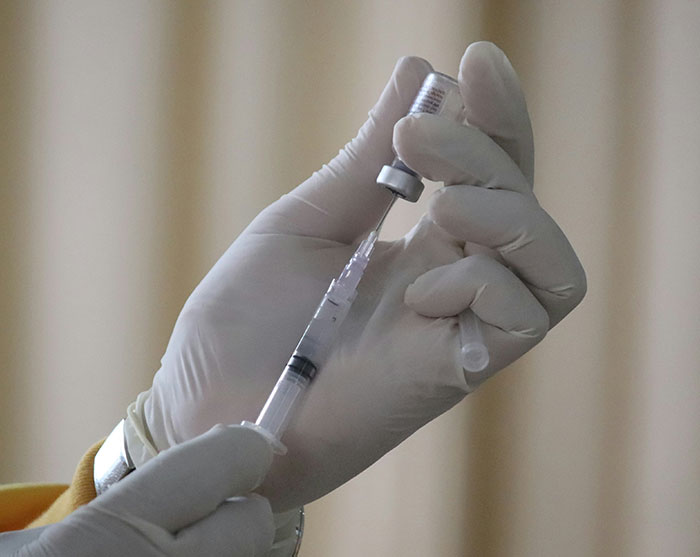
One of the most effective ways to protect against HPV infections is to get vaccinated with Gardasil.
The vaccine offers the best protection when administered before a person becomes s*xually active, which is why some countries like Australia introduced a school-based vaccination program for children aged 12 to 13.
Mufid Majnun/Unsplash (not the actual photo)
HPV vaccination programs were initially introduced in many countries to help prevent cervical cancer, Mehanna explained. Research also suggests that the vaccine can protect against HPV infections linked to oropharyngeal cancer.
Mehanna noted that boys may also benefit indirectly through “herd immunity” if the vaccination coverage among girls is high (more than 85%).
“Some acts of generosity age like milk,” one commented online