Family should be a safety net, especially when life gets tough and someone needs support. It can also be a huge source of trouble, sparking drama at every turn. For some people, it’s a little bit of both.
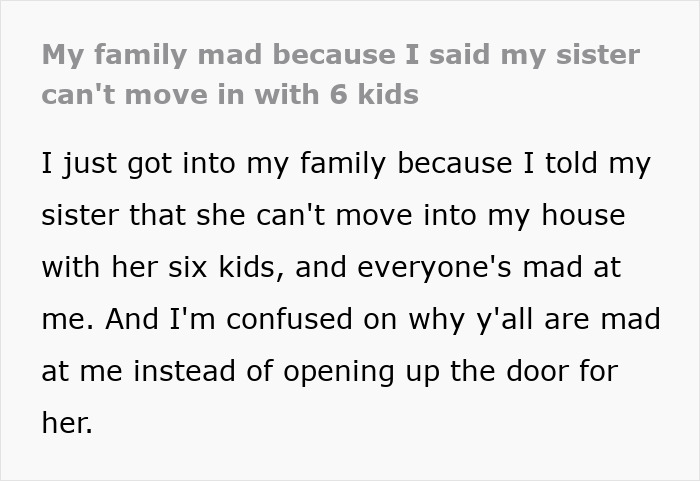
That is what happened to TikTok user TyBraids, who found herself at odds with her family after refusing to let her sister move into her home with her six children. She wanted to share her side with the community, and the video quickly went viral, collecting more than 137,000 reactions and over 12,000 comments as viewers weighed in on the family dispute.
Generosity can feel very different when family members start expecting more than someone can give

A woman faced an unexpected family dilemma when her sister needed a place to stay with six children

Prostock-studio (not the actual photo)
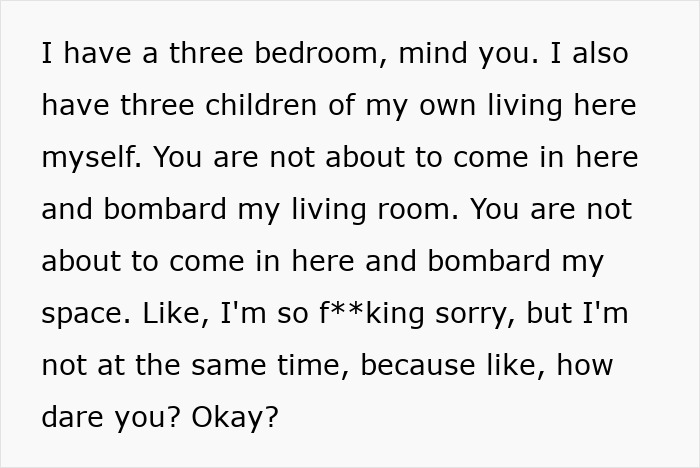
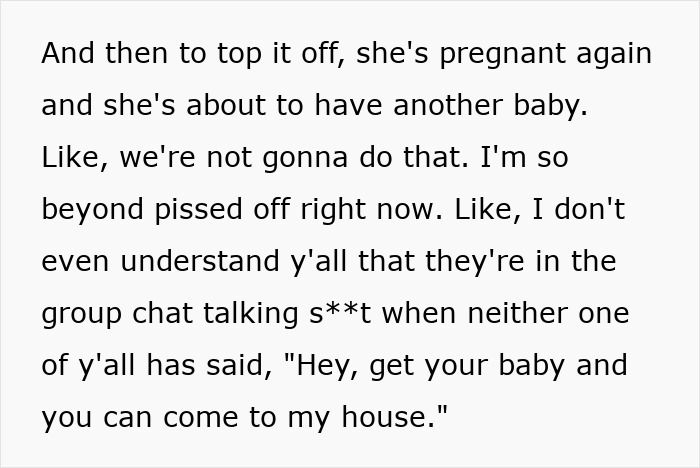
The woman refused to let her sister move in, despite pressure from relatives to reconsider

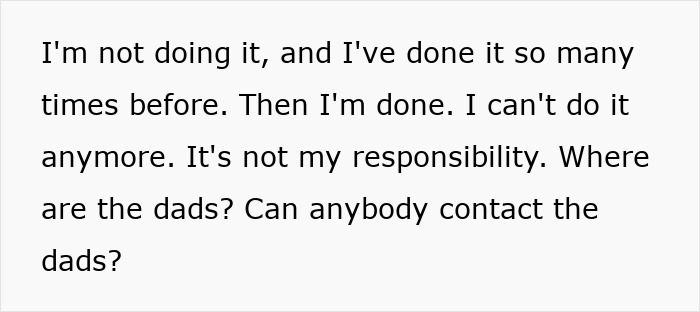
Furious and offended, the woman wondered where the children’s fathers were
When people have children, they take on important responsibilities. According to UNICEF, parents are central to a child’s development, well-being, and future, but they also need support to fulfill these duties. In a case with six children, it is important to remember that needing help does not take away from the parents’ main role.
Support for parents can come from relatives, friends, or community services, but UNICEF describes this as help for parents, not a replacement for them. This helps explain the family conflict: helping a sister with six children is generous, but taking on the full responsibility of housing and raising them is a much bigger commitment.
Once relatives start providing that kind of support, however, questions about responsibility can become harder to define, people often start to expect more from each other about who should step in if someone in the family needs support.
The University of Michigan found that family members usually see responsibility as going beyond just biological ties. Family dynamics and what people already expect play a big role in deciding who is responsible for care.
This helps explain why asking for help can sometimes lead to conflict. One family member might feel that offering her home is simply what family should do, while another might think it depends on her own situation. These different expectations can cause tension when people do not agree about who should give care.
In many families, responsibility is not shared equally. Often, a mother’s idea of which child will care for her ends up coming true years later. Being close by and having similar values also matter, which shows that family expectations can quietly shape who helps out, even before anyone asks.
In the story, this pattern looks a bit different. The disagreement is about who should provide housing right now, not about long-term elder care. Still, the same tension is there. When relatives expect one person to step up, that person might not feel the same way or want to take on the responsibility.
@tybraids_ My bd buy me house yo bd no buy you no house 🏠 🫢 idk clear skin got my house 😂 jk #fyp #family #bd #storytime #atl ♬ original sound – TyBraids
It can be especially tough to disagree when saying “no” feels like you’re rejecting someone you care about. Psychotherapist Ilene S. Cohen, Ph.D., says family members often test boundaries because people tend to put their relatives’ feelings before their own needs. She describes boundaries as limits that show what someone finds acceptable in a relationship.
Cohen also stresses the importance of being consistent. Saying no is only effective if your actions back up your words. For someone with a busy household, this might mean deciding what you can realistically offer and turning down requests that go beyond that. The aim isn’t to push family away, but to make expectations clear so everyone understands where the boundaries are.
How should you handle entitlement when it comes up in your family? People who feel more entitled often care a lot about how others see them, and this focus on self-image can lead to ongoing conflict and hostility. In one study over 10 weeks, higher entitlement led to stronger self-image goals, which then led to more conflict and hostility.
This does not mean that anyone in this family was acting out of entitlement. Still, it helps explain what can happen when a simple request starts to sound like a demand. Saying “I need help” and saying “you owe me help” send very different messages. If you treat the second as an obligation, a tough family conversation can quickly become a bigger conflict.
Family support can be generous, but it should not feel like an obligation. It is important to know where help stops and responsibility starts, especially when what one person expects as support can feel like a burden to someone else.
Do you think the family was right to expect her to take on such a big responsibility? What would you have done in her place? Share your thoughts in the comments!
@tybraids_ 🤭 anyway, clear skin in the bio 😂🤷🏾♀️ #fyp #fypシ゚viral #skit #promotion ♬ original sound – meechlewiss
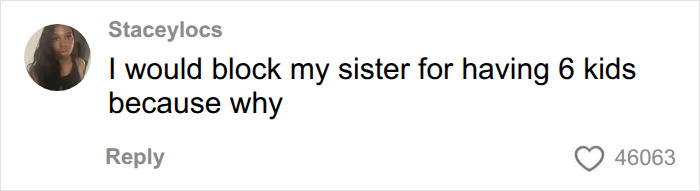
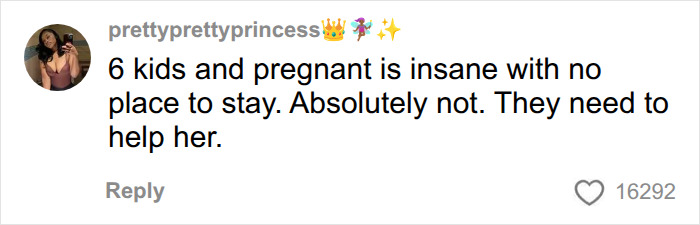
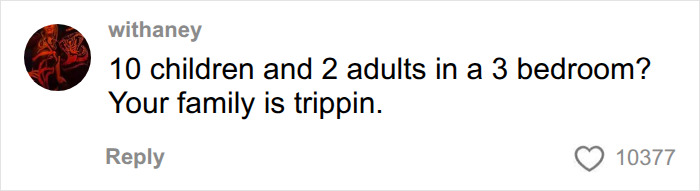
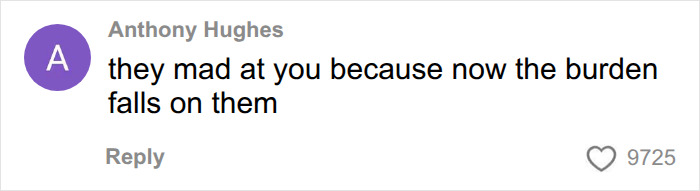
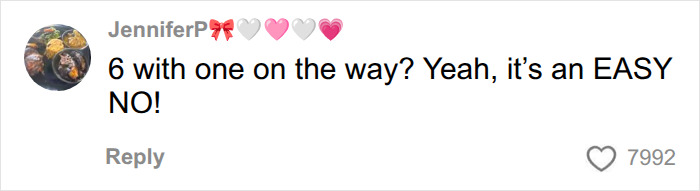
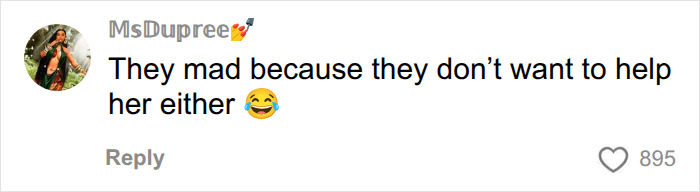
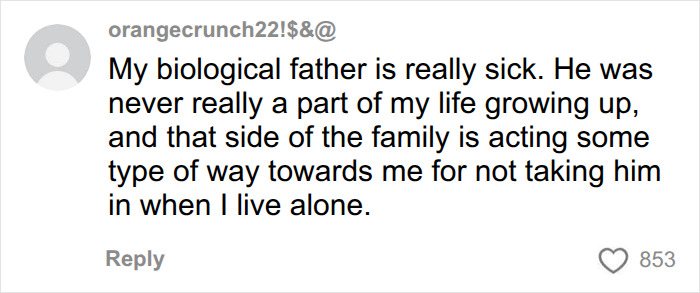
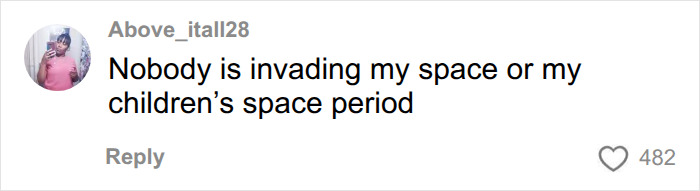
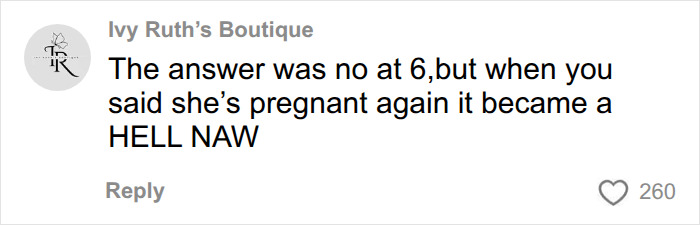
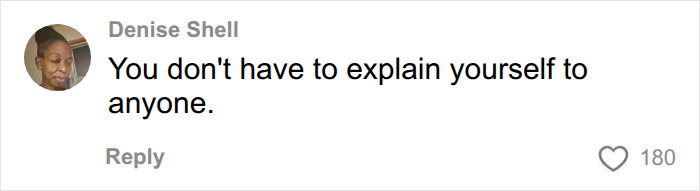
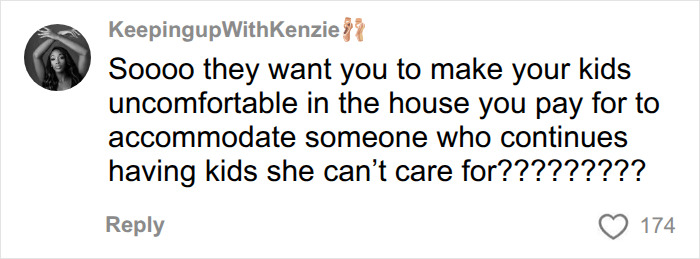
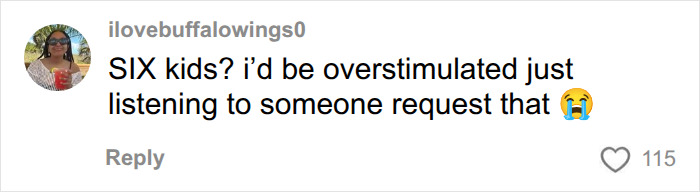
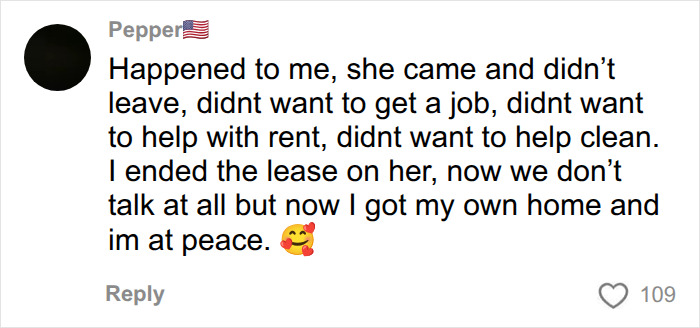
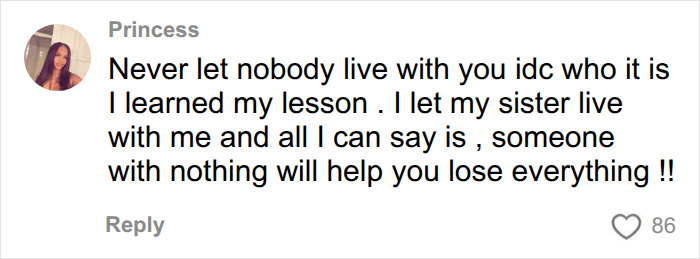
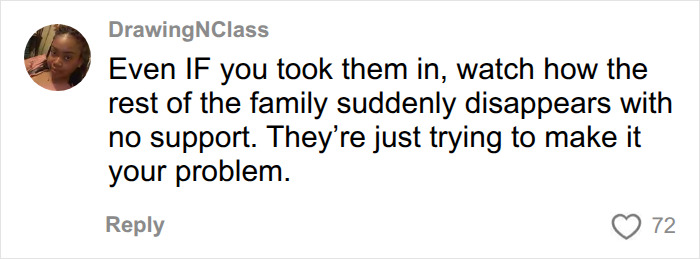
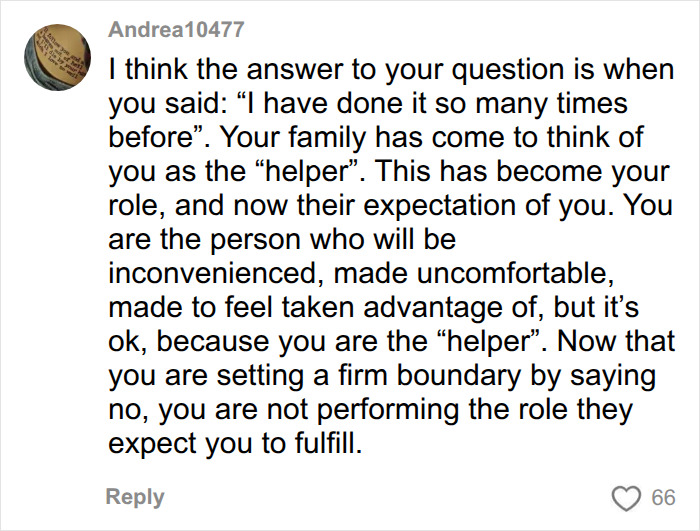
People sided with the woman and agreed that responsibility for six children should not automatically fall on her