An unnamed 33-year-old woman saw her regular day turn upside down in May 2017 when she narrowly escaped death after being pushed headfirst onto a busy road by a jogger.
The incident took place on Putney Bridge in West London. Hence, the perpetrator, who was described at the time as a white man wearing a grey T-shirt and black shorts, came to be known as the “Putney Pusher.”
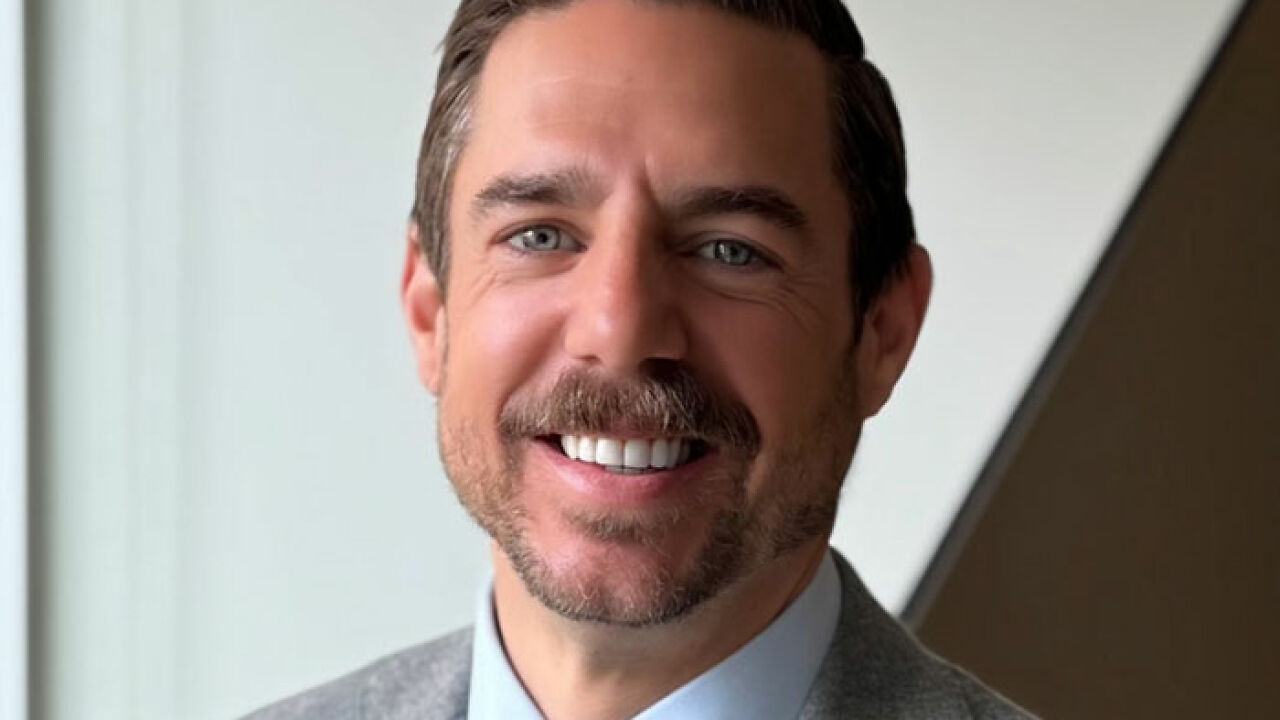
Earlier this year, millionaire banker Nicholas Brandram, who had ties to the royal families of Britain and Denmark, was named a suspect and arrested in connection with the case.
The development, however, took a tragic turn when he was found unresponsive at his home on Tuesday, September 15.
Nicholas Brandram’s family maintained he was innocent and that the “unnecessary investigation” had taken a toll on his mental health

Emergency services arrived at Brandram’s Chiswick residence at around 7:15 p.m., where he was pronounced deceased at the scene.
In a statement, his family insisted that he “took his own life after months of immense pressure” caused by the Metropolitan Police inquiry. They accused the force of double standards, saying it was “quick to expose Nick to suspicion and painfully slow to remove it.”
The statement argued that there was no evidence placing Brandram on Putney Bridge nearly a decade ago and no credible evidence that he was responsible for the attack.
“In fact, the evidence proved the opposite,” the family stated, without elaborating further.
The Daily Mail said that police “chose to arrest Nick rather than invite him to attend for interview.”

Officers searched his home, after which the Met Police press team released information that ultimately led to Brandram being identified, despite not disclosing his name.
As a result, Brandram was “left for months carrying the stigma of an appalling allegation.”
“He lived with the same anxiety, humiliation and extraordinary pressure.”
The family said police were repeatedly asked to end their inquiry and warned about the impact it was having on Brandram’s mental health, but they refused to listen, which they said ultimately led him to take the extreme step.
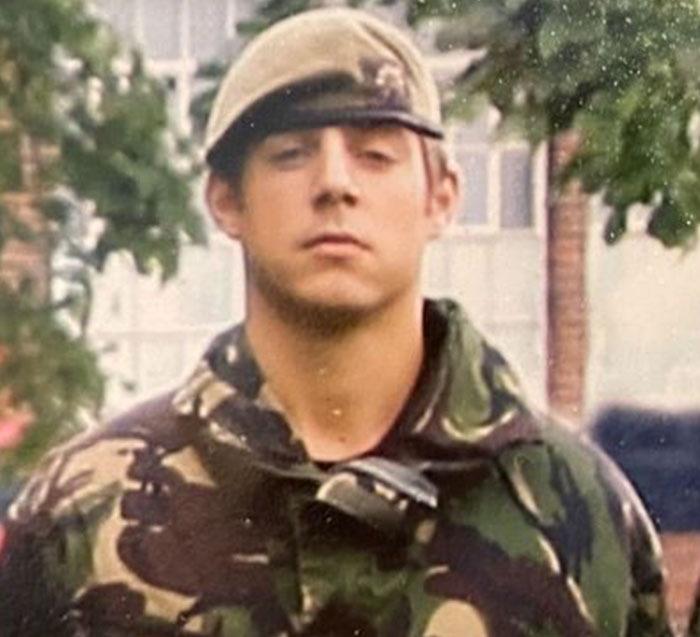
The family closed the statement by acknowledging Brandram as “a proud veteran, a father, a son, a brother, an uncle, a friend and a colleague,” adding that they had received plenty of messages that spoke volumes about “his kindness, his loyalty, his humour and the enormous affection people had for him.”
Police have confirmed the investigation into the Putney Bridge attack will continue

While in police custody in June over the case, Brandram was also arrested on suspicion of possessing Class A and Class B illicit substances.
Chief Superintendent Dan Knowles said, “Our thoughts are with Mr Brandram’s family and friends at this deeply distressing time.”
He said that following Brandram’s release under investigation, it was made clear that inquiries would continue, with officers opting for forensic examinations.

Korhan Eser/Unsplash (not the actual photo)
“This remains the position and further investigative work is ongoing,” he added.
Knowles, who leads the force in southwest London, said that cases involving “complex forensic work” could take “a number of months to complete.”
Met Police had previously credited a bus driver with saving the victim’s life
Pascal deVanves/Unsplash (not the actual photo)
The woman linked to the Putney Bridge attack fell in front of a moving bus after being shoved by the jogger.
Investigating officer Sergeant Mat Knowles said at the time, “It was only due to the quick thinking of the bus driver that she was not hit.”
Oliver Salbris was the one behind the wheel.
“If I hadn’t swerved, I would have smashed her head,” he told The Sunday Times.


On 5 May 2017, a man jogging pushed a woman onto the road on Putney Bridge in London. The woman was almost hit by an oncoming bus. Despite various appeals over the years, the person who became known as the ‘Putney Pusher’ has never been identified
by
u/sarahc888 in
mystery
Recalling the day in an April interview with the Daily Mail, Salbris shared, “I always think about the case. I still drive over Putney Bridge several times. Whenever I’m on the bridge, I look very carefully at the pedestrians on the pavement. I just can’t help it.”
According to the victim’s account, 15 minutes after the shove, the jogger came back the other way across the bridge but ignored her when she tried to speak to him.
Detectives identified more than 50 people of interest following the attack.
The Met initially closed its investigation in 2018 after three men had been arrested and released without charge.
The force has refered itself to an independent watchdog following Brandram’s demise
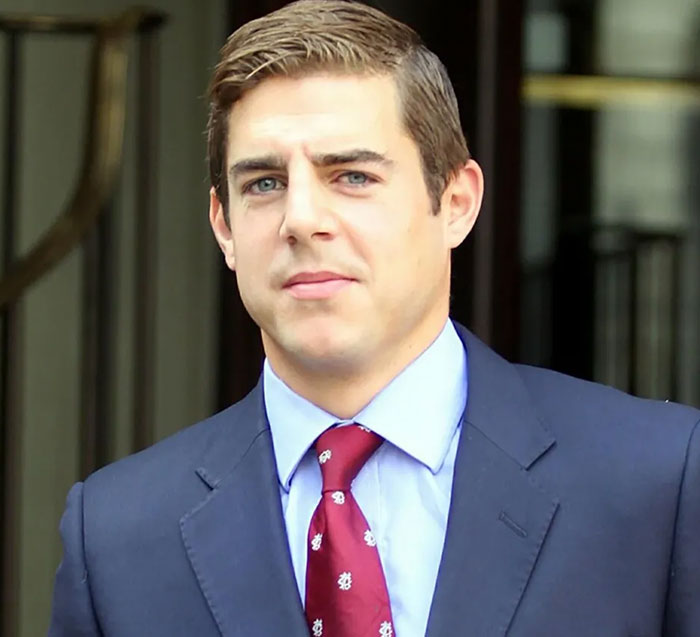
Recognizing the “strain that being subject to a police investigation” could cause, the Met said in a statement following Brandram’s death that it had made a mandatory referral to the Independent Office for Police Conduct.
An IOPC spokesperson confirmed the same, adding, “We are currently assessing the referral before deciding whether further action is required from us.”
Netizens had earlier expressed skepticism surrounding Brandram’s arrest.
@bbcnews The man suspected of pushing a woman into the path of a bus during a run has been found dead at his home. #PutneyPusher #London #UK #BBCNews ♬ original sound – BBC News
“The fact that three other men were arrested for the same crime makes me wonder how strong the current arrest is,” one person said.
Public fascination with the case spawned a play called Once Upon a Bridge, written by Irish playwright Sonaya Kelly in 2024.
It was performed at the OSO Arts Center in Barnes and reimagined the incident from the perspectives of three central characters: the jogger, the victim, and the bus driver.
“What a disturbed person”, one comment reads