Getting your driver’s license isn’t just about learning to drive. The hardest part is actually studying all the traffic signs and understanding the theory behind them.
You need to know what every traffic sign means, but have you ever thought about the meaning behind their symbols? It’s easy to overlook familiar signs, especially since most people don’t pause to consider what they really stand for.
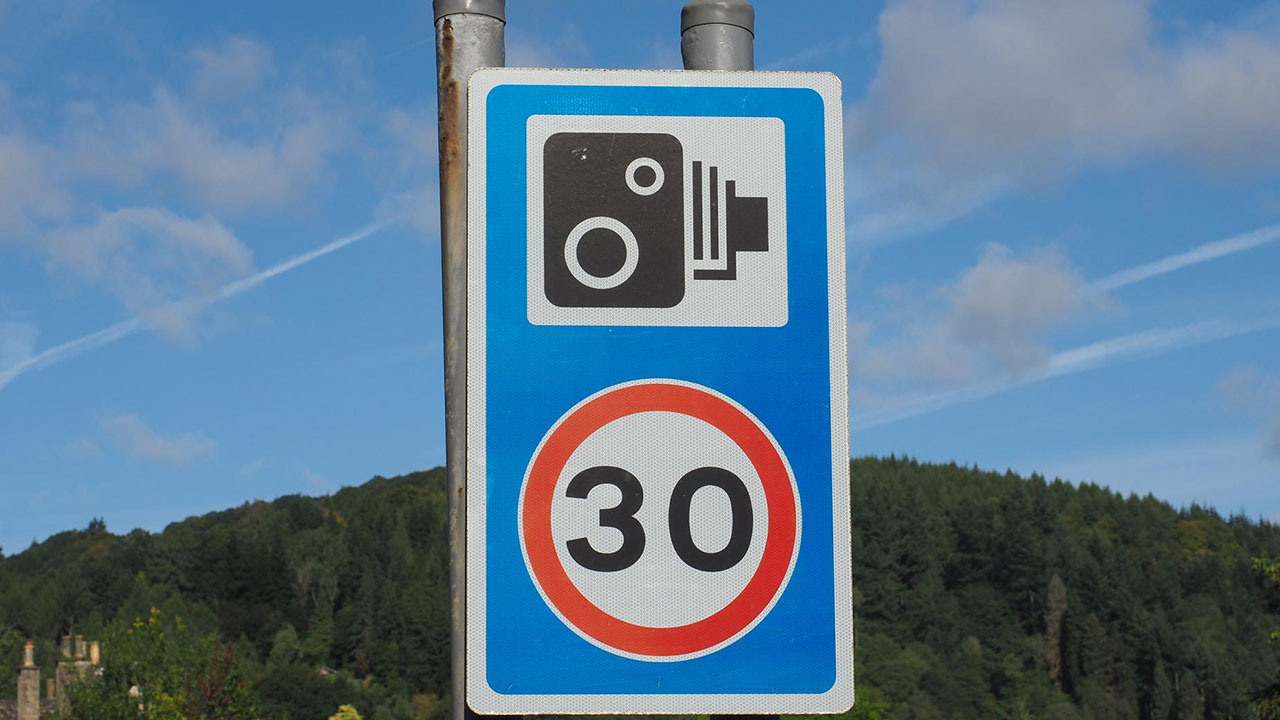
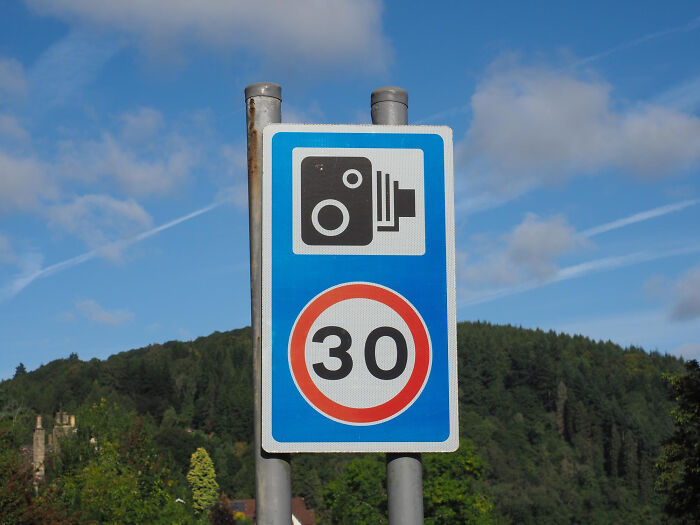
This idea came up when someone online got drivers to question one of the UK’s most well-known road signs. They said the speed camera symbol actually shows a modern camera facing drivers, not the old-fashioned camera many people thought it was. The post quickly caused confusion, surprise, and even an unnecessary amount of frustration.
However, there was a catch with this new idea: the original belief turned out to be right after all.
A convincing claim can spread quickly before anyone stops to question where it actually came from
claudiodiv / Magnific (not the actual image)
The viral British confusion
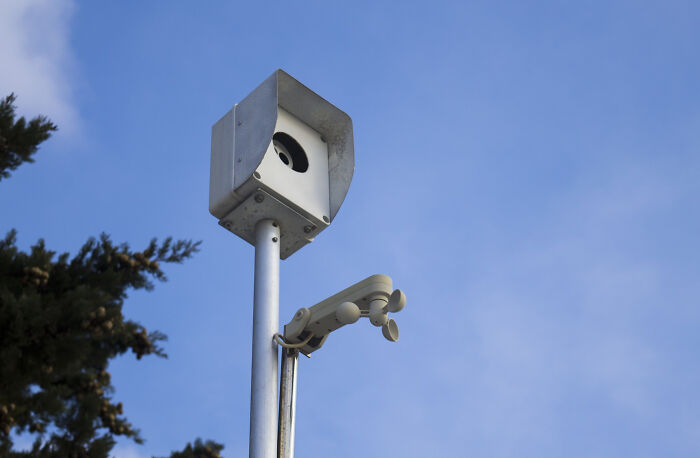
A 2023 tweet from user FeyeraBender sparked confusion over one of Britain’s most familiar road symbols. The user said they had spent years believing the sign showed a Victorian bellows camera pointing sideways, only to realize they thought it was a CCTV camera facing drivers. The post quickly attracted surprised reactions from other users.
The revelation left some users genuinely baffled, with replies describing themselves as “distressed” and questioning reality. The reaction grew enough for the original poster to apologize for causing so much “distress and discomfort.” The episode also caught the attention of news outlets, some of which repeated the claim before checking whether the symbol had actually been designed that way.
Jose hernandez camera 51 / Magnific (not the actual photo)
The sign really is, in fact, a Victorian camera
But the viral explanation was incorrect. Years ago, the BBC discussed British road signs and used the speed camera symbol as an example of effective signage, describing it as a 19th-century-style bellows camera. The article explained that this unusual image works well to warn drivers about possible speeding fines.
Road signs do not have to show modern objects exactly as they are. Their main goal is to share an idea quickly and clearly. For example, the steam locomotive symbol near level crossings was another example of an old-fashioned image that people still recognize, even though the technology is now rare.
Good road sign design follows four main principles: clarity, symbolism, colour and shape, and simplicity. Signs should be easy to understand at a glance, use symbols that share an idea without being too literal, use colours and shapes that prompt the right reaction, and avoid giving drivers too much information at once.
lookstudio / Magnific (not the actual photo)
Social media and trust, and why info verification matters
Social media can make a single post seem more trustworthy than it really is. Research from the Reuters Institute shows that people tend to trust news less when they find it through search engines or social platforms, compared to when they go straight to the source.
When information is spread out across different sites, it can be harder to tell who created it, which makes it easier for false or misleading claims to spread.
The problem is not just that people believe everything they see online. People check information using different sources, but younger users are more likely to mention social media, other users’ comments, and AI chatbots when they verify claims. As a result, people now use a wider and less traditional mix of ways to decide what information to trust.
But that trust in social media can be misleading. People shouldn’t take everything they read online as a hard truth.
According to a 2025 Digital News Report, when people think something online might be false or misleading, 38% check a trusted news source, 35% use official sources, and 33% turn to search engines. About 25% use fact-checking websites, showing there are several common ways to check questionable claims.
UNESCO points out the importance of checking information before it spreads further. They found that 62% of digital content creators did not do thorough fact-checking before sharing, and 73% wanted training to improve their skills. Many creators also judged credibility based on likes and views.
wirestock / Magnific (not the actual photo)
Back in 1835, The New York Sun ran a six-part series saying that astronomer John Herschel had found life on the Moon. The articles described strange animals and even people with wings. These stories got a lot of attention until readers found out that “Dr. Andrew Grant,” the author, was actually a made-up character created by journalist Richard Adams Locke.
The hoax made The New York Sun much more popular and is now known as one of the most famous cases of sensational false news. Even after the paper admitted the stories were made up, the event showed how quickly a catchy claim could spread when people had no easy way to check the facts.
I know, the story about the speed camera sign isn’t harmful, but it shows how much social media can shape our views. After all the confusion online and drivers thinking they had misunderstood the sign for years, the answer was simple: it really was a beautiful Victorian-style camera the whole time.
Were you surprised to learn what the speed camera sign really depicts? Did you get it right all along? Share your thoughts in the comments!
The CCTV camera “theory” quickly found followers on TikTok
@lyueqi001♬ Homage – Mild High Club
The internet responded with disbelief, jokes and sarcastic comments about the surprising revelation