If you’ve ever worked a day in your life, you probably already know that no workplace is completely free of drama. Whether it’s office politics, difficult coworkers, misunderstandings, or someone simply making a bad decision, there always seems to be something going on behind the scenes.
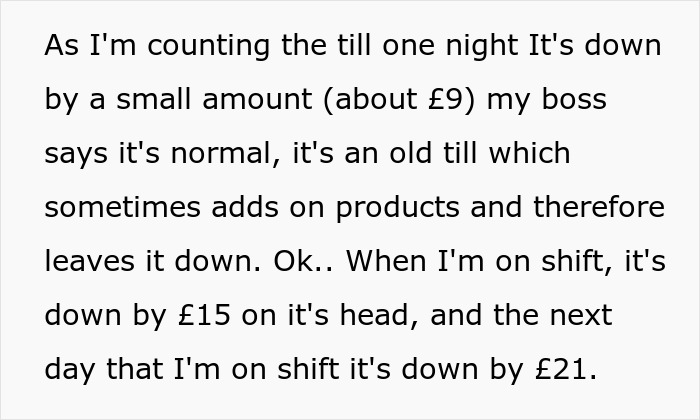
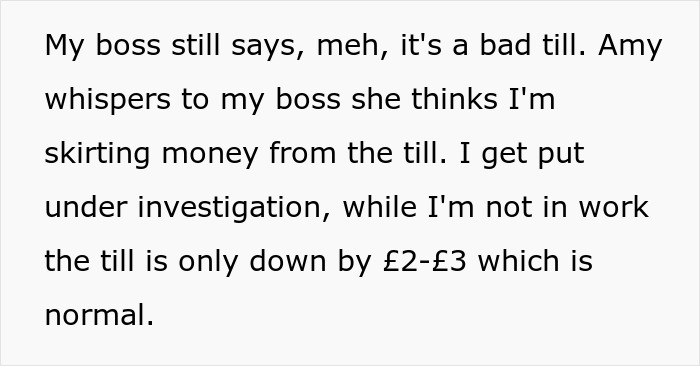
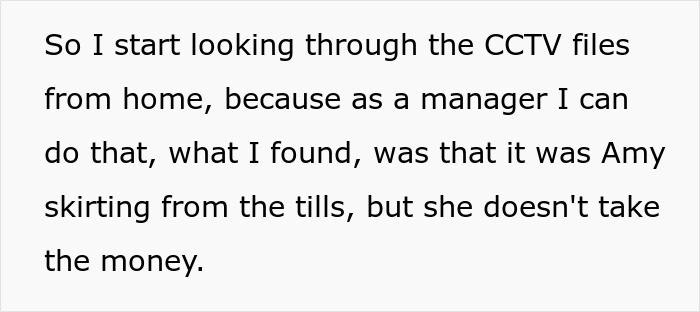
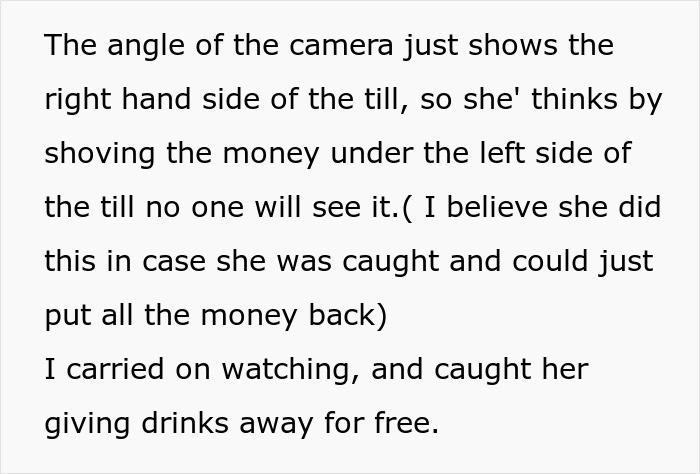
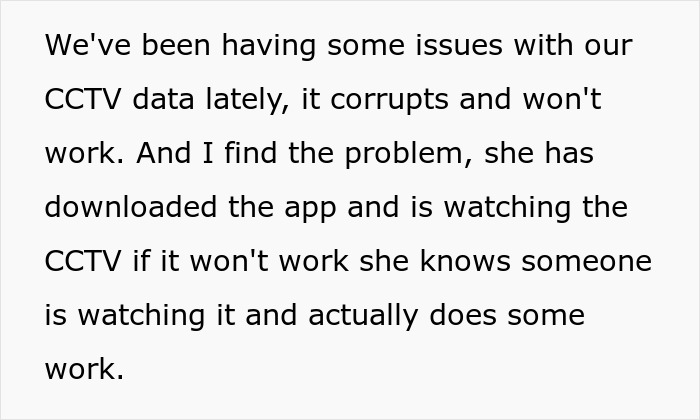
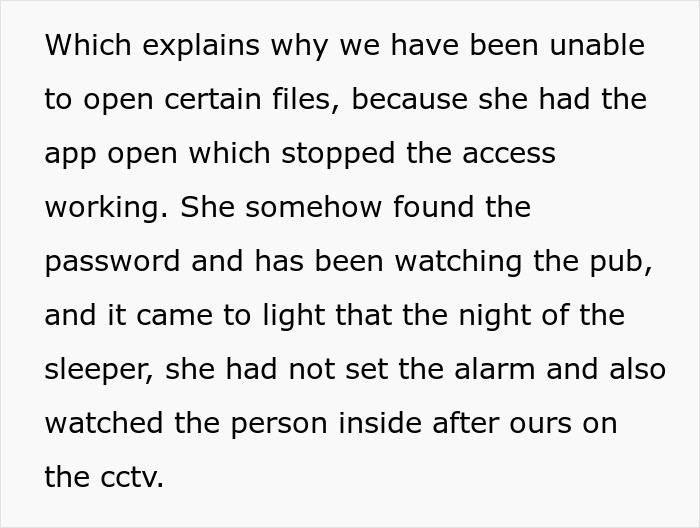
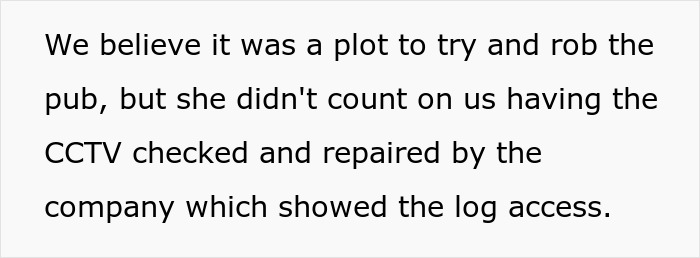
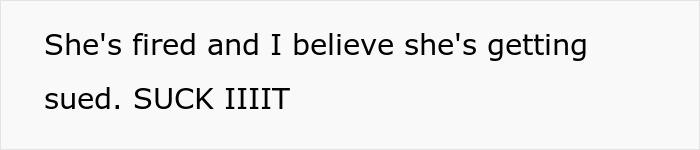
And today’s story is a perfect example. A person shared how their coworker accused them of stealing money from the pub. Wanting to clear their name, they decided to check the CCTV footage—and what they discovered was far more shocking than a simple till shortage. The footage reportedly uncovered suspicious behavior that eventually led to an alleged attempted robbery, police involvement, and even more drama after that. Keep reading to find out what happened.
Work can get surprisingly dramatic when coworkers turn against each other

Taylor Davidson / unsplash (not the actual photo)
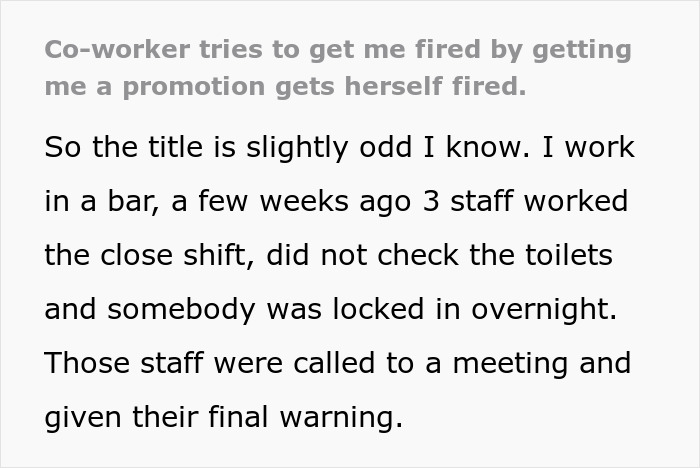
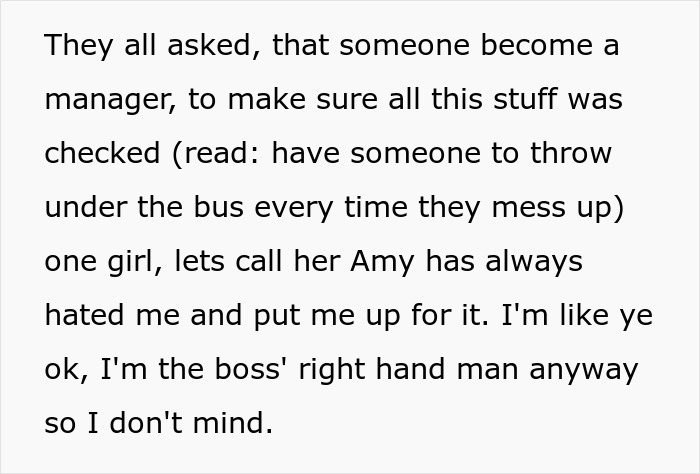
A person shared how they were accused of stealing, only to uncover a much deeper problem involving their coworker while checking the CCTV footage

magnific / magnific (not the actual photo)

fxquadro / magnific (not the actual photo)
It’s important to understand that having a strong work ethic isn’t just about working hard—it’s also about taking responsibility and being dependable
If you’re the kind of person who shows up, gets your work done, takes responsibility when something goes wrong, and doesn’t immediately look for someone else to blame, chances are you have a pretty solid work ethic. But what does “work ethic” actually mean? Well, it isn’t about being the person who stays late every night or never says no to extra work. At its simplest, work ethic is the attitude and values you bring to your job—how seriously you take your responsibilities, how much effort you’re willing to put in, and whether you care about doing things properly. It can show up in small things, too, like admitting when you’ve made a mistake, helping a coworker who’s struggling, or simply doing what you said you were going to do.
Of course, doing the right thing at work isn’t always as easy as it sounds. Sometimes you’re stuck in situations where there isn’t one obvious “good” choice. In The Business Ethics Field Guide, authors Brad Agle, Aaron Miller, and Bill O’Rourke explore exactly this idea. They explain that workplace ethics isn’t always about choosing between right and wrong; sometimes, it’s about two things that both seem right competing with each other. Imagine promising a client that you’ll finish something by Friday, only to realize that keeping that promise means letting down a coworker who desperately needs your help with another deadline. Suddenly, you’re caught between two responsibilities, and neither option feels particularly great. That’s where good judgment comes in.
And things can get even messier when someone has treated you badly. If you’ve ever had a terrible manager, dealt with a dishonest client, or watched a coworker get away with something they shouldn’t have, you probably know how tempting it can be to think, “Fine, I’ll give them a taste of their own medicine.” But that’s where things can go sideways. Getting revenge might feel satisfying for five minutes, but it can also turn one person’s bad behavior into two people’s bad behavior. Before hitting back, it can be worth asking yourself whether you’re actually trying to fix the situation or simply trying to get even.
Loyalty can be just as complicated. Imagine you’ve worked with someone for years and they’re one of your closest friends at the office. Then you discover they’ve broken a workplace rule. Your first instinct might be to protect them, especially if you think they made one stupid mistake. But what happens if covering for them means other people keep getting affected? Maybe they’re taking advantage of customers, putting coworkers in a difficult position, or repeatedly breaking rules because they know someone will keep quiet. At that point, protecting your friend isn’t necessarily helping them or anyone else. There’s a big difference between supporting someone and covering up their behavior.
But why should you actually care about having a good work ethic? For one thing, it can make a real difference to your career. People tend to remember the coworker who can be trusted to get things done, show up when they’re needed, and stay calm when something goes wrong. Think about it: if your manager needs someone to take on a bigger project, would they rather choose the person who consistently meets deadlines and takes responsibility, or the person who disappears whenever there’s a problem? A strong reputation doesn’t guarantee a promotion, of course, but being dependable can certainly help when new opportunities come along.
When employees have a strong work ethic, businesses benefit too, as they tend to have more reliable, productive, and motivated teams
There’s also something satisfying about knowing you’ve genuinely earned a result. Maybe you finally finish a project that had been stressing you out for weeks, figure out a problem you couldn’t solve at first, or learn something that seemed completely confusing when you started. That feeling of “Okay, I actually did that” can do a lot for your confidence. Over time, putting in the effort and seeing yourself improve can make difficult tasks feel a little less intimidating. You start realizing that you don’t necessarily have to be naturally good at something—you can get better by sticking with it.
And it’s not just employees who benefit from that kind of attitude. Businesses do too. When people actually care about their responsibilities, work tends to get done more efficiently and with fewer mistakes. There’s also a huge difference between working somewhere everyone is constantly passing the blame around and working somewhere people are willing to say, “Yep, that was my mistake. I’ll fix it.” When employees can rely on each other, teamwork becomes easier, problems can be dealt with faster, and everyone spends less time trying to figure out who’s responsible.
A good work ethic can also make people more willing to improve things instead of simply doing the bare minimum. If you care about the job you’re doing, you’re more likely to notice when something isn’t working and think about how it could be done better. Maybe you find a quicker way to complete a repetitive task, suggest a better system, or spot a problem before it becomes a much bigger one. Those little improvements can add up over time. And for businesses, having employees who are willing to think creatively and look for better solutions can help create a workplace that keeps moving forward rather than getting stuck doing everything the same old way.
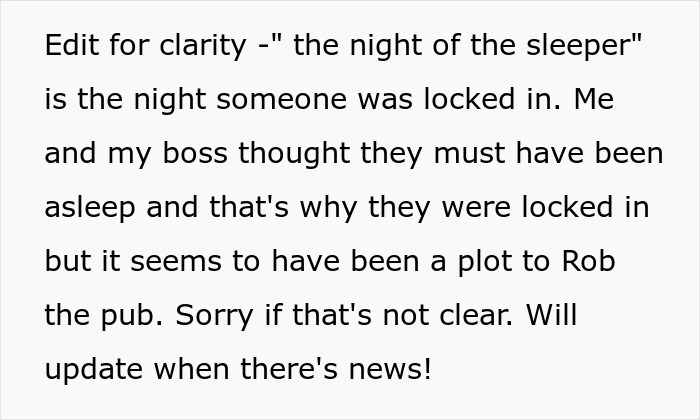
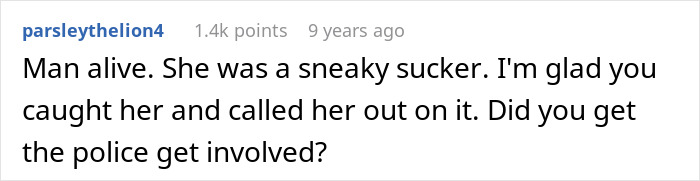
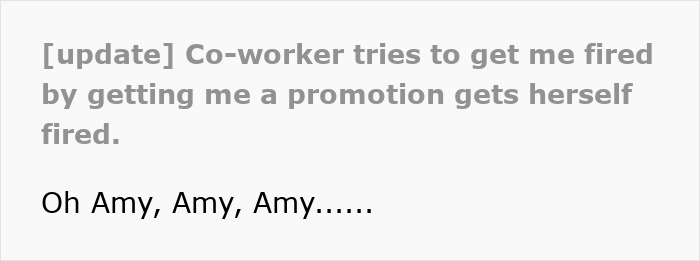
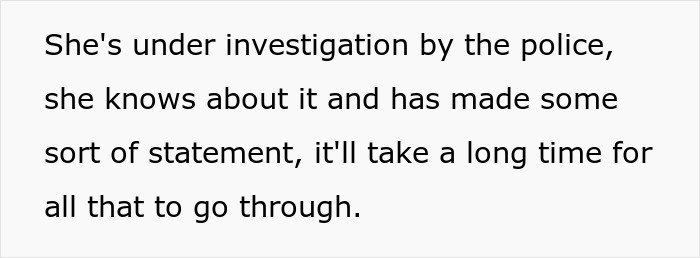
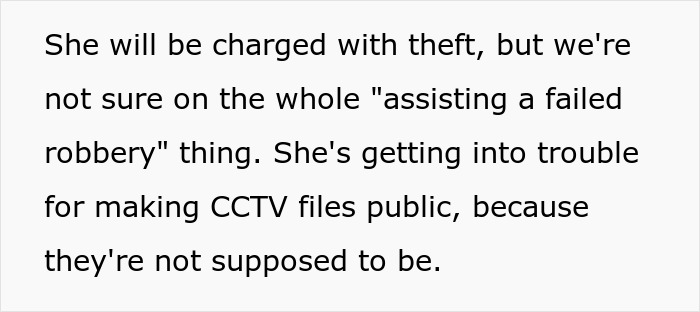
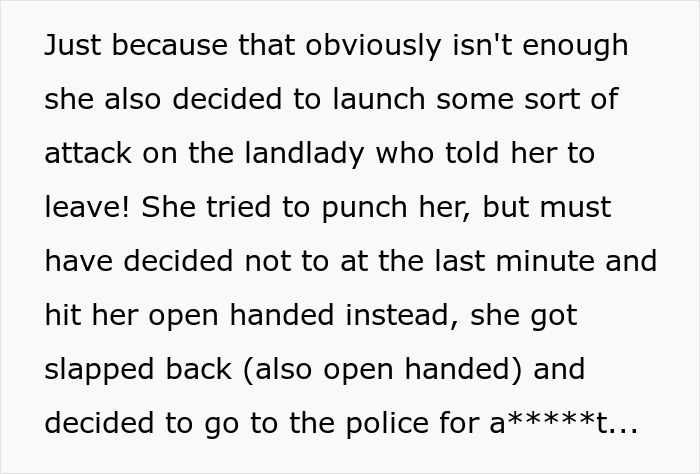
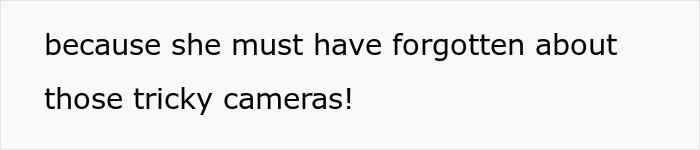
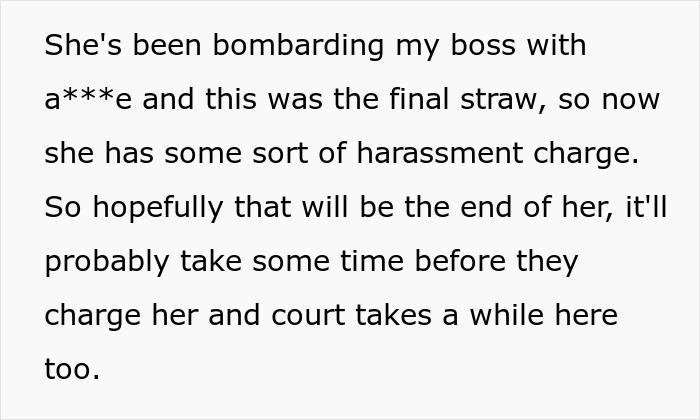
Coming back to today’s story, the situation described by the author raises some pretty serious questions about workplace ethics. According to their account, the coworker who accused them of stealing was later allegedly caught on CCTV taking money from the till and giving away drinks without permission. It’s a striking reminder of how quickly workplace drama can spiral when trust breaks down and people start pointing fingers. So, Pandas, what do you think? How important are honesty and accountability when it comes to having a good work ethic?
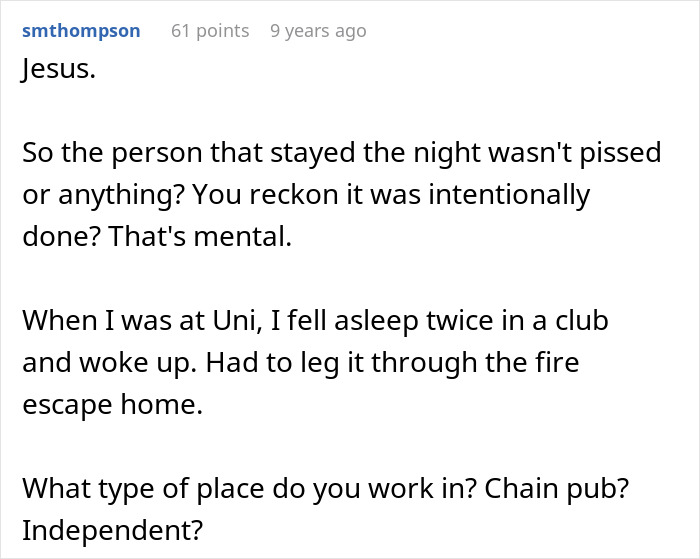
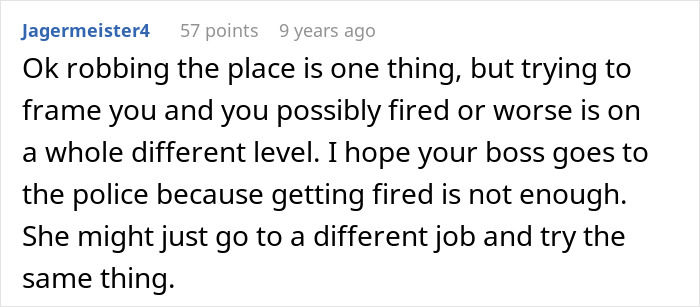
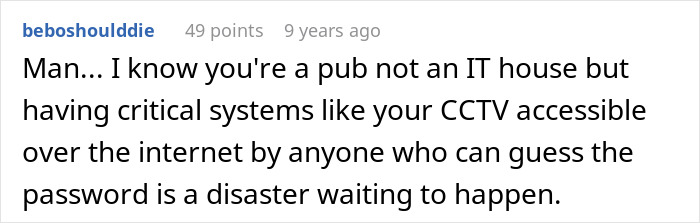
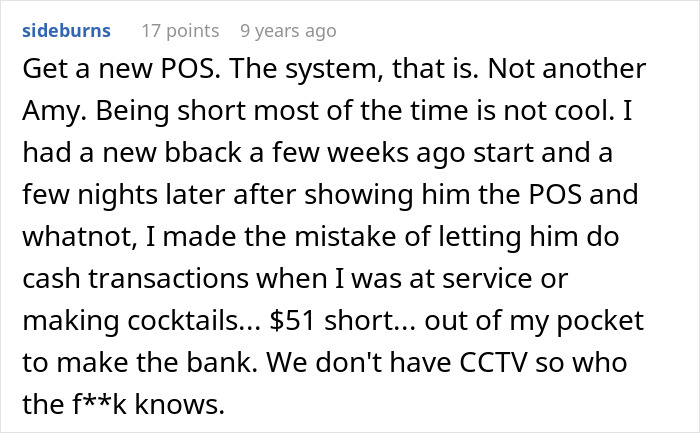
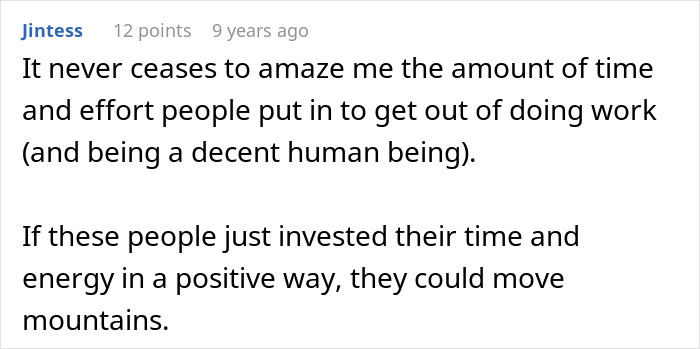
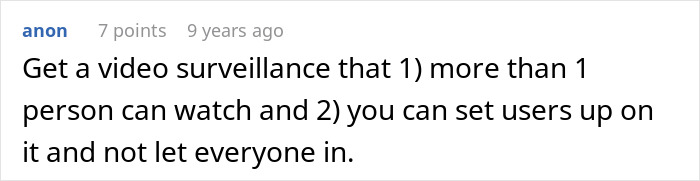
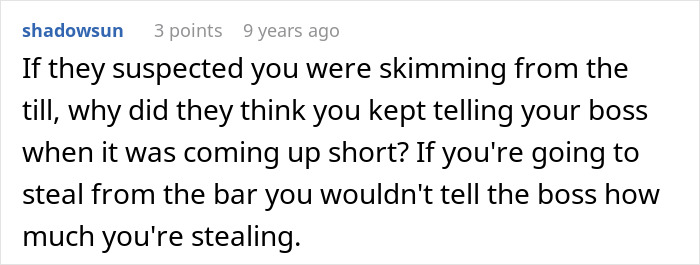
People were stunned by the coworker’s actions and how far the situation had apparently escalated








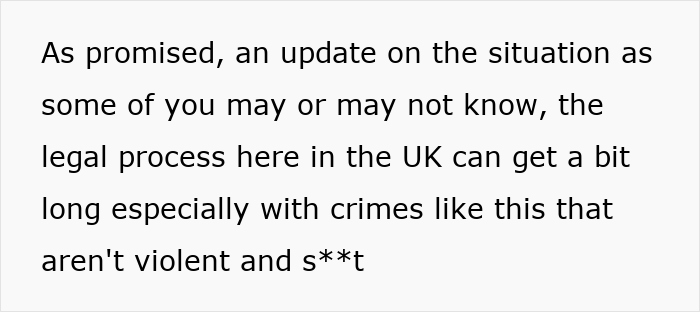
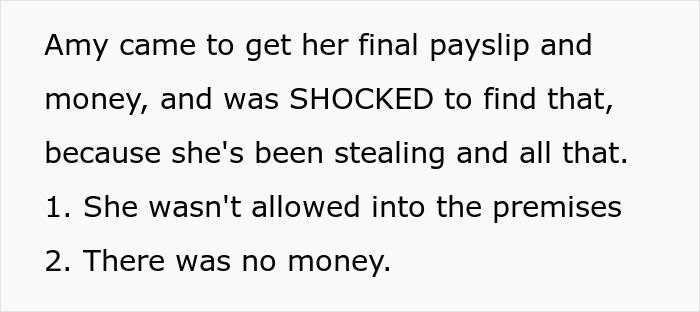
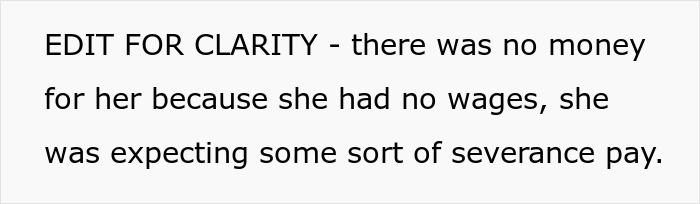
The author also shared how the coworker later returned to the pub expecting to collect her severance pay

CreativeDesign99 / magnific (not the actual photo)

breizhatao / magnificc (not the actual photo)
People were shocked to learn just how unreasonable the coworker’s behavior had become as the situation continued to unfold