A great résumé can tell a hiring manager that someone has the right experience and the right qualifications. However, Steve Jobs reportedly wanted to know something that was much harder to put on paper: what a person was actually like to spend time with.
The late Apple cofounder was known for being demanding, and his approach to hiring was no exception. Jobs reportedly used what became known as the “beer test” when evaluating potential employees. The idea was simple. Would he genuinely want to sit down and have a beer with this person?
Steve Jobs reportedly developed the “beer test” to judge potential Apple hires based on whether he could comfortably talk and spend time with them
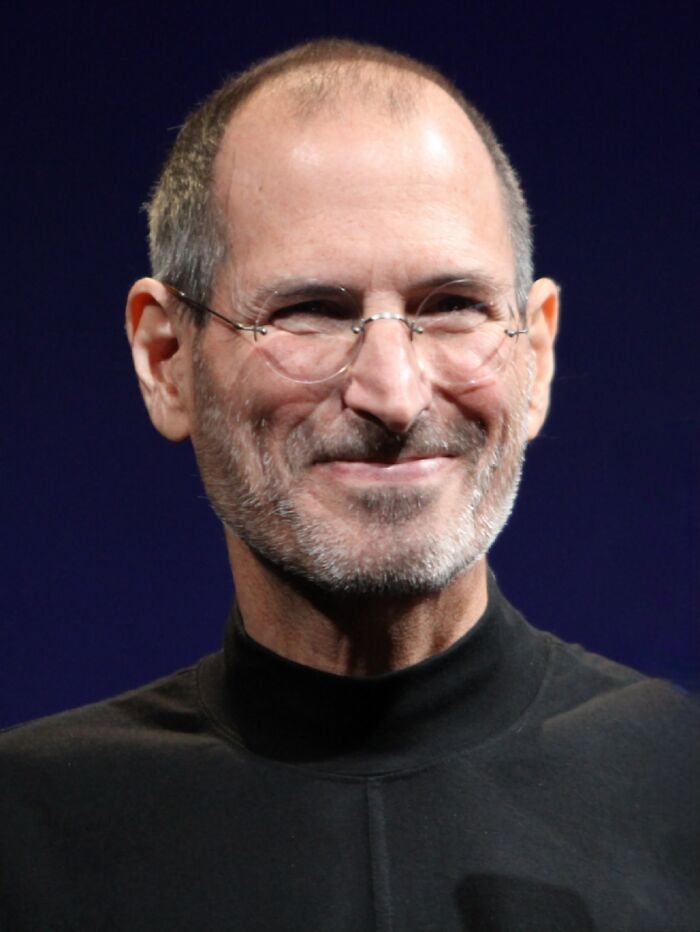
It wasn’t really about the beer, of course. Jobs wanted to see what happened when candidates stepped outside the polished environment of a formal interview. According to reports, he would sometimes take candidates for a walk and have an informal conversation with them. The goal was to get past the carefully prepared answers and see how naturally they communicated.
One of the questions Jobs reportedly used was surprisingly ordinary. For example, he would ask candidates what they did the previous summer. There wasn’t a model answer, and he wasn’t looking for someone who had spent three months doing something impressive enough for LinkedIn. He just wanted to see whether the conversation could actually go somewhere.
Afterward, Jobs would consider whether he could comfortably talk with the candidate outside of work. “Would I have a beer with this person? Would I talk to him or her in a relaxed way while taking a walk?” he would reportedly ask himself. If the answer was no, a perfect résumé apparently wasn’t enough to change his mind.

Drazen Zigic / Magnific (not the actual photo)
After interviewing more than 5,000 candidates, Jobs said competence mattered but his final hiring decisions also came down to personality, instinct, and how people handled challenges
Jobs later explained that hiring the right people was something he took extremely seriously. In a 2008 interview with Fortune, he compared finding great employees to “finding the needles in the haystack”. By that point, he said he had interviewed more than 5,000 candidates.
Yet even thousands of interviews hadn’t convinced Jobs that a standard interview could reveal everything important about someone. Competence mattered, but he believed personality and instinct played a major role too. He then added that “it’s ultimately based on your gut.”
He would ask himself how he feels about the person or what they are like when they’re challenged. In other words, knowing how to answer interview questions was useful, but Jobs also wanted to know what happened when the script disappeared.

Drazen Zigic / Magnific (not the actual photo)
Other business leaders, including Gary Shapiro, Chanel’s Claire Isnard, and Amazon’s Andy Jassy, have similarly emphasized personality and attitude when evaluating employees
Interestingly, he wasn’t the only business leader to use unusual methods to judge candidates. Gary Shapiro, the former CEO of the Consumer Technology Association, reportedly asks applicants when they can start. If someone says they can begin immediately despite still having a job, Shapiro sees that as a warning sign because the candidate may be perfectly comfortable leaving their current employer in the lurch.
Other hiring managers have their own versions of the same idea. Some pay attention to how candidates treat receptionists, while others notice whether they clean up after themselves following an interview. Some have even taken applicants out to dinner or asked a waiter to deliberately get their order wrong to see how they react.
The thinking behind these tests is that people can prepare for an interview, but they can’t always prepare for every little inconvenience. Someone can spend hours rehearsing an answer about being a “team player”, but how they respond when their coffee order is wrong may offer a very different kind of information.
Chanel has also put personality high on its list when assessing potential employees. Claire Isnard, the luxury company’s recently retired chief people officer, said that “the first thing that we look for is personalities” before adding that people with big egos aren’t the kind of candidates the company wants.

ijeab / Magnific (not the actual photo)
That focus on attitude has also been echoed by Amazon CEO Andy Jassy. He once said that “an embarrassing amount of how well you do, particularly in your twenties, has to do with attitude.” His reasoning was that positive people tend to attract advocates and mentors who can help them move forward.
So while technical ability and experience can get a candidate through the door, they may not be the only things deciding what happens next. Sometimes, the person doing the hiring simply wants to know whether they would enjoy talking to you after the résumé is put away. And apparently, for Steve Jobs, one imaginary beer was enough to help answer that question.
In this video, Steve Jobs shared his ideas about managing people and about Apple’s corporate culture
@celebrityparade #stevejobs #apple #interview #tv #fypシ ♬ Calm LoFi song(882353) – S_R
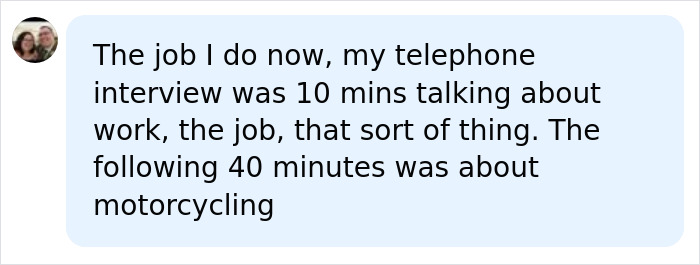
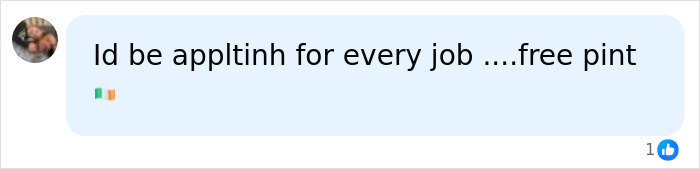
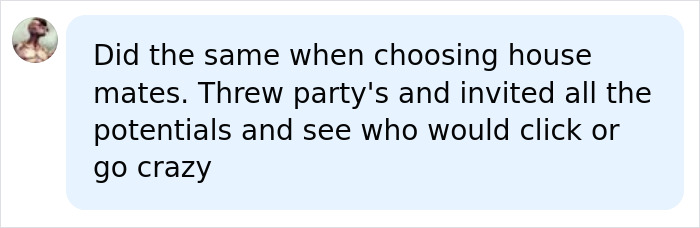
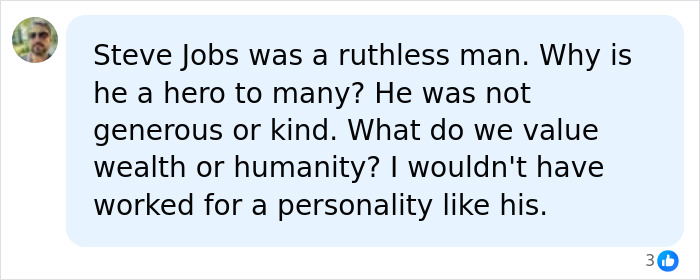
Some netizens called this strategy brilliant, others joking they’d happily take a free beer, and a few insist they’d rather not work for someone who judged people based on personality