“Congratulations!” is usually the first thing people say when someone welcomes a baby into the world. And why not? It’s a special moment filled with excitement, love, and a whole lot of emotions. But let’s be honest, pandas, some people have a talent for ruining even the happiest occasions with their unnecessary comments. From making strange remarks about a baby’s appearance to cracking inappropriate jokes, some folks just don’t seem to know when to keep their opinions to themselves.
Take this woman’s story, for instance. She and her husband had recently welcomed a baby when one of his coworkers started making some rather offensive comments about their family. What started as inappropriate remarks soon became much more upsetting. But the woman wasn’t about to let him get away with it. Keep reading to find out how she put him in his place.
Babies don’t always look exactly like their parents, as genetics can influence their appearance in surprising ways
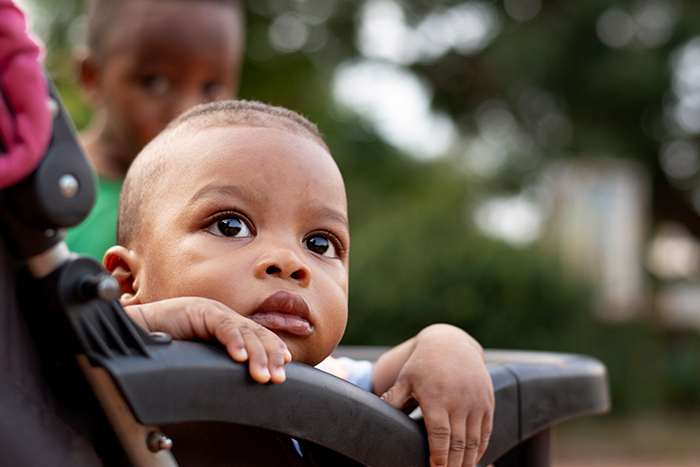
magnific / magnific (not the actual photo)
A woman shared how her husband’s coworker made inappropriate remarks about their baby and how she eventually embarrassed him in front of his boss


magnific / magnific (not the actual photo)

wayhomestudio / magnific (not the actual photo)



wayhomestudio / magnific (not the actual photo)
Melanin is the natural pigment responsible for skin color in humans, influencing the shade of the skin, hair, and eyes
It’s 2026, and let’s be honest, finding information has never been easier. Whether you want to understand pregnancy, postpartum recovery, or why babies look different at birth, a quick internet search can answer plenty of questions. There are even helpful books that explore the physical and emotional changes women experience after childbirth and offer guidance on recovery and self-care. And that’s a wonderful thing! The more we understand about pregnancy, childbirth, and life with a newborn, the less likely we are to make insensitive comments or jump to conclusions about someone else’s family.
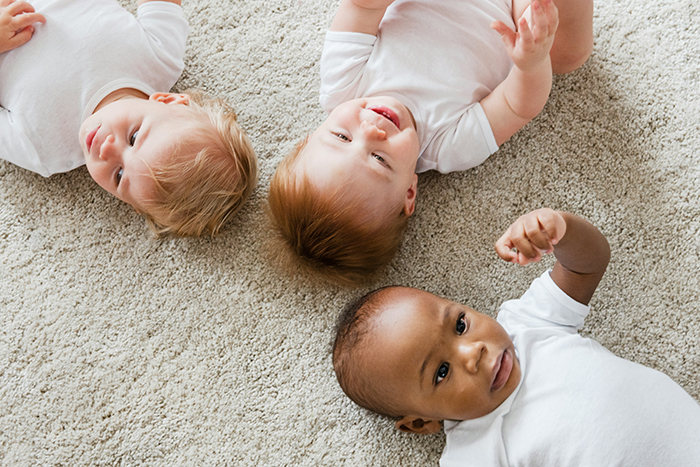
Speaking of which, did you know that a baby’s skin tone is influenced by a complex mix of genes inherited from both parents? According to BabyCenter, the cells that produce melanin, the pigment that gives skin its color, begin developing around six to eight weeks into pregnancy. And because genetics aren’t as simple as copying one parent’s appearance, babies can sometimes resemble their grandparents or other relatives. So, just because a newborn doesn’t look exactly like their mom or dad doesn’t mean anything unusual is going on.
And here’s something else worth knowing: babies don’t always look the same at birth as they do a few months later. Their skin is thin, and their circulation is still adjusting to life outside the womb. That’s why newborns may initially have reddish or purplish skin tones, which often change during their first days and weeks. Their natural skin pigmentation can also become more apparent over time.
Some newborns also develop a yellowish tint to their skin or eyes. This is called jaundice, and it happens when bilirubin builds up because the baby’s liver is still learning to process it efficiently. It’s quite common, and many cases improve without treatment. However, doctors still need to assess jaundice because high bilirubin levels can be dangerous.
And if you’ve ever noticed a baby’s hands or feet looking slightly blue, there’s a reason for that, too. Known as acrocyanosis, this can happen as a newborn’s circulation adjusts after birth. It usually improves as the baby warms up and adapts, though blue lips, tongue, or persistent discoloration need immediate medical attention. Clearly, newborns go through plenty of physical changes, and their appearance isn’t always what people expect!
Curated Lifestyle / unsplash (not the actual photo)
Every baby’s skin develops differently, and their appearance can gradually change during the first few months after birth
And that’s not all! Newborns can also have tiny bumps, rashes, and marks on their skin that might surprise first-time parents. Some develop milia, which are small white bumps commonly found around the nose and cheeks. Others are born with vernix, a creamy white coating, or lanugo, the soft, fine hair that sometimes covers their bodies. Baby acne, birthmarks, and temporary skin rashes are also common. Most of these changes are harmless and simply part of a baby’s early development.
Interestingly, babies born to darker-skinned parents may appear lighter at birth, with their skin tone gradually deepening over the following months. This’s because melanin production and pigmentation continue to develop after birth. Genetics also play a major role, so a newborn’s appearance isn’t always a reliable indication of what they’ll look like later. Some babies change quite a bit during their first year, while others look much the same.
Clearly, a baby’s appearance is more than meets the eye. And while it’s natural to be curious about who a newborn resembles, making hurtful comments or questioning someone’s parentage based on skin tone is simply unfair. After all, new parents already have enough on their plates without dealing with unnecessary gossip and judgment.
Coming back to today’s story, the husband’s coworker seemed more interested in stirring up trouble than respecting the family’s happiness. His inappropriate remarks crossed a line, and the woman eventually decided she’d had enough. What do you think, pandas? Was she right to call him out? Have you ever heard someone make similarly insensitive comments about a baby? Let us know in the comments below!
Jonathan Borba / unsplash (not the actual photo)
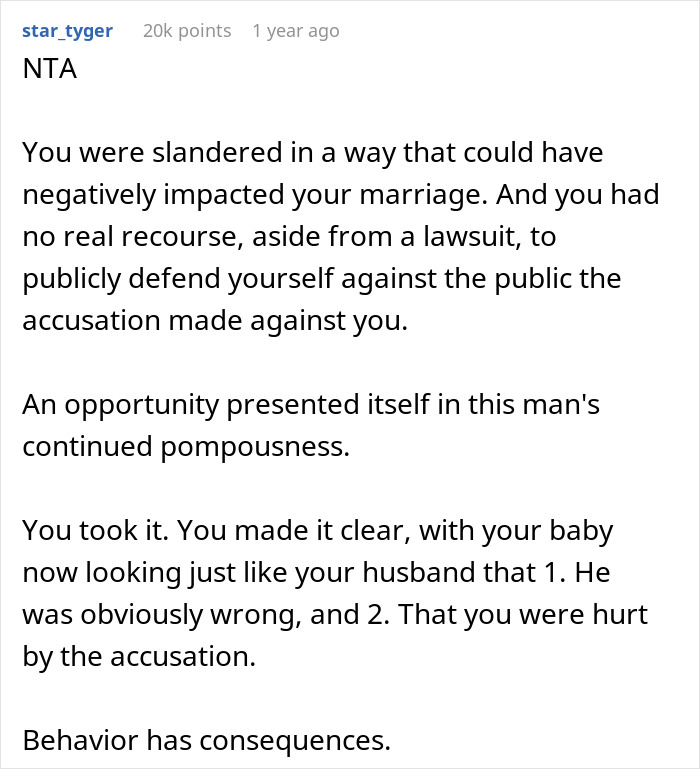
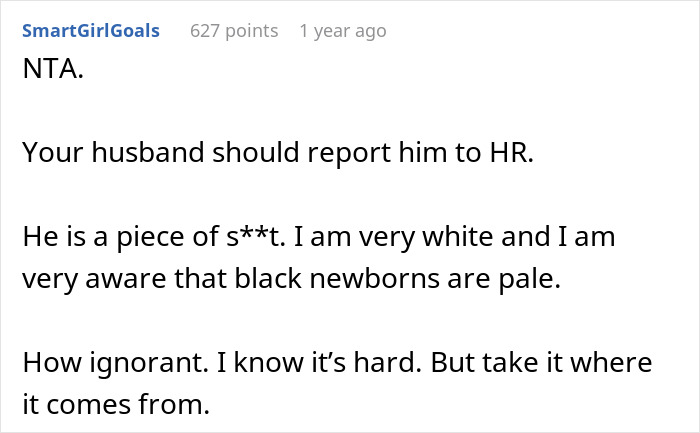
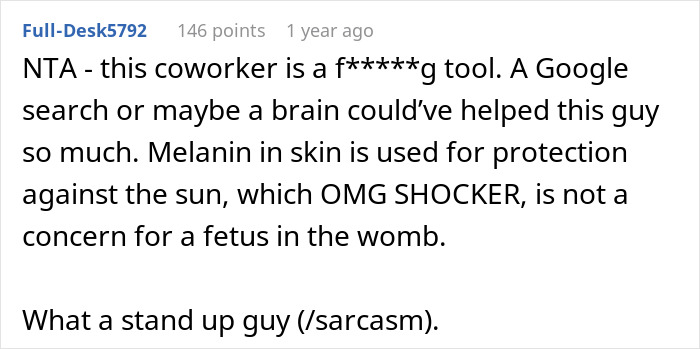
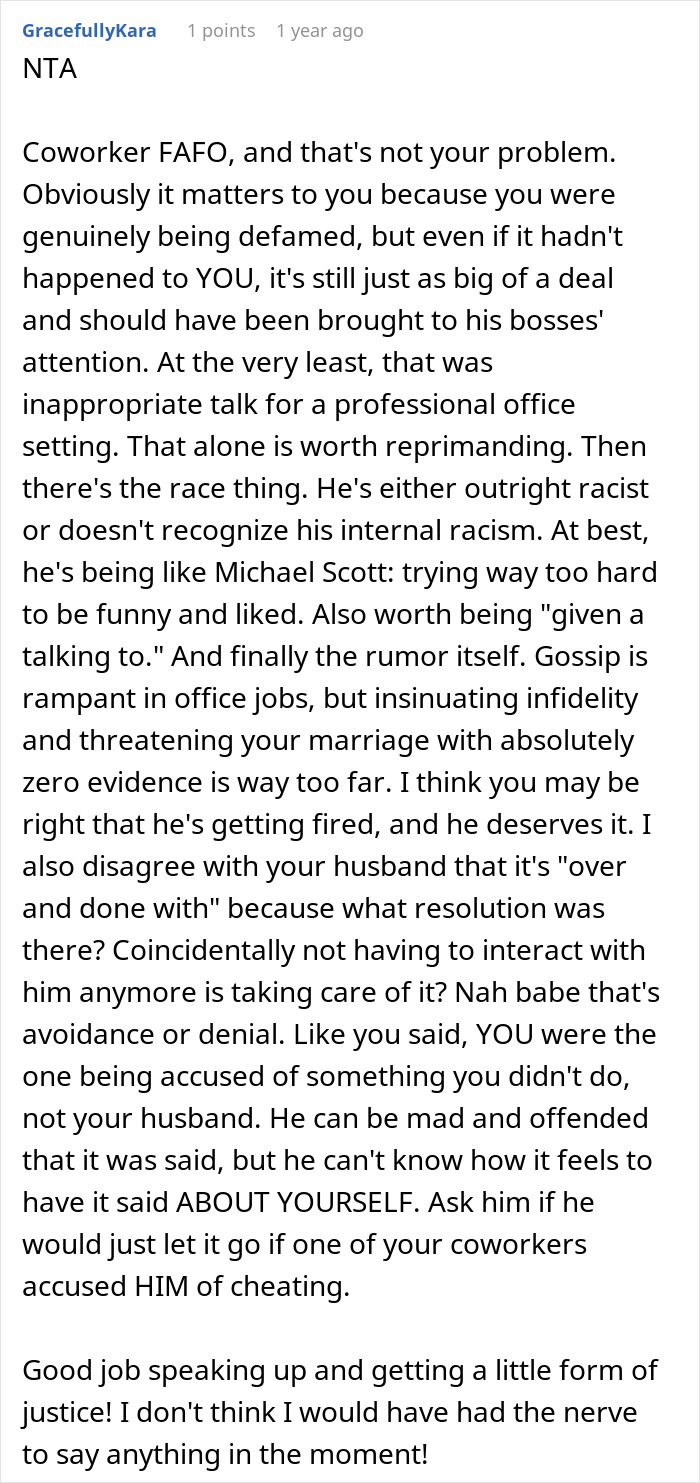
Many people applauded the woman and felt the coworker deserved to be called out


























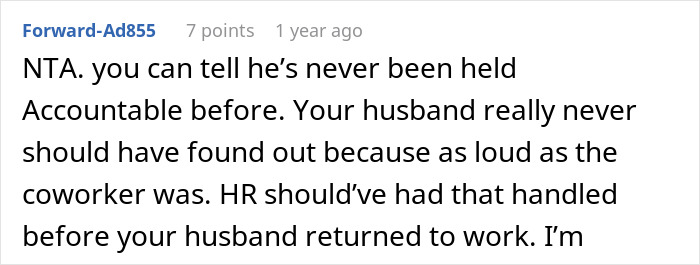
However, a few others felt she had gone too far