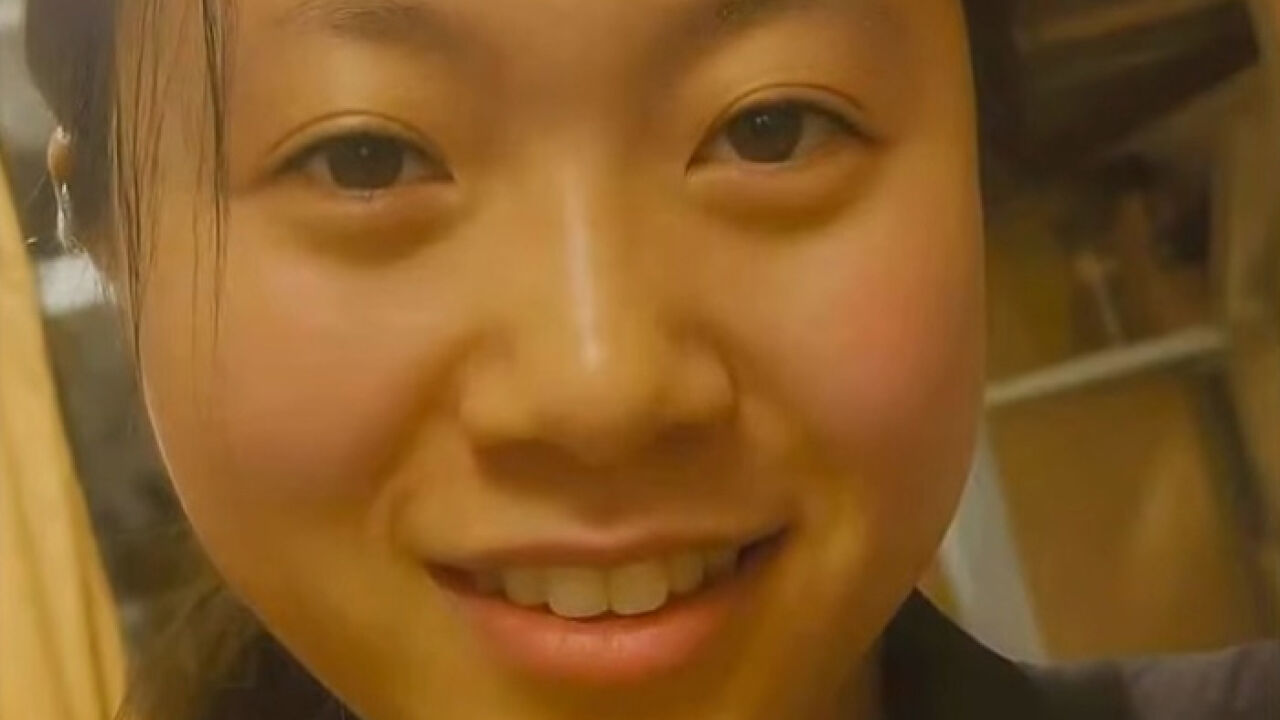
OpenAI faced a major setback on Tuesday, October 27, when Chinese national Quan Wan and his wife, Meiqin Xu, filed a lawsuit against the company, accusing it of contributing to their daughter Bowen Wan’s demise.
The legal action came after the 31-year-old software engineer was found unresponsive in her Seattle apartment after drastically reducing her epilepsy medication on ChatGPT’s advice.
Bowen had reportedly developed an increasingly close relationship with the Sam Altman-led platform since 2023.
“She paid for it with her life,” the family’s lawyer stated in the lawsuit.
A woman’s life was cut short after she allegedly followed ChatGPT’s advice on her epilepsy medication
According to the Cleveland Clinic, epilepsy is a chronic, noncommunicable brain disorder characterized by recurrent, unprovoked seizures.
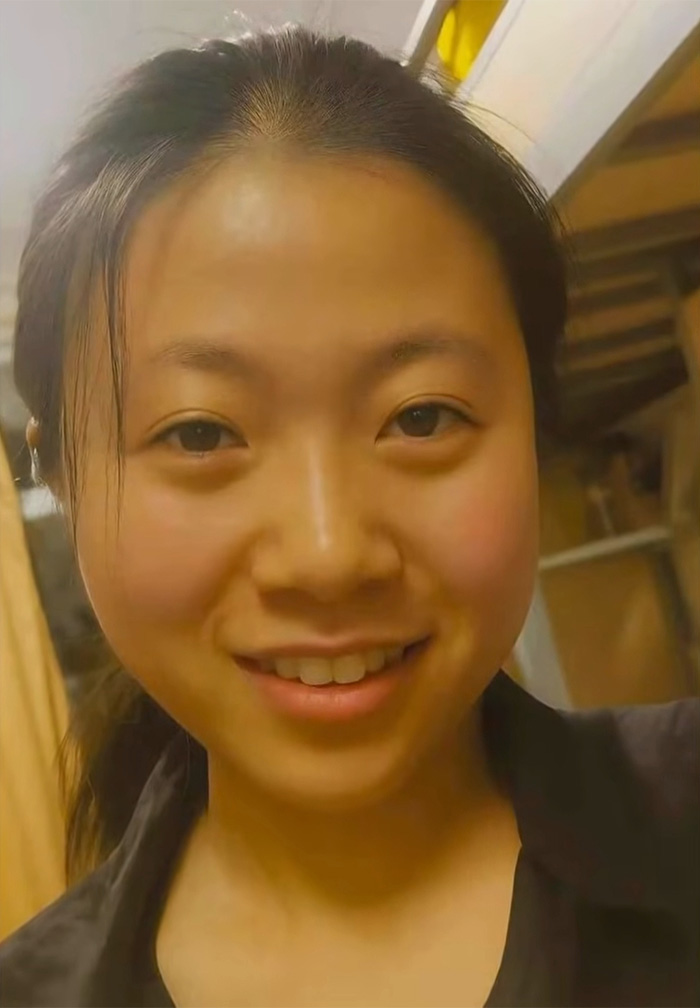
Bowen, who had been living with the condition for over a decade, appeared to experience an episode while speaking to her family over a call in February. However, this one seemed to last longer than usual.
After regaining consciousness, she told her father that she would speak to him once she had gotten some rest.
However, days passed without any response to her family’s attempts to reach her.

Concerned about her whereabouts, her parents arranged for a friend to visit her apartment.
According to The New York Times, which examined the family’s lawsuit, Quan and his wife watched through a video call as the individual discovered their daughter lying lifeless, face down.
The official cause of her passing was complications associated with her condition, confirming what her parents had feared.
Sudden unexpected demise in epilepsy (SUDEP) is one of the most serious complications of the condition.
It happens frequently during sleep and is estimated to affect approximately one in every 1,000 adults living with the condition each year.
Bowen’s parents believed their daughter had been keeping her epilepsy under control through prescribed treatment.
However, their subsequent examination of her conversations with ChatGPT reportedly revealed a troubling sequence of events leading up to her passing.
ChatGPT allegedly dismissed Bowen’s concerns as she reduced her medication

Bowen was laid off from her job in November 2025, after which she had until mid-February 2026 to secure new employment if she wanted to remain in the United States.
According to her parents’ lawsuit, she had been concerned about the effects of her epilepsy medication on her cognitive abilities and speech as she prepared for potential job interviews.
Sanket Mishra/Pexels (not the real image)
In January 2026, she began discussing ways to lower her daily dosage with ChatGPT.
Although the chatbot initially recommended consulting her doctor, it allegedly went on to help her devise a plan to reduce her 400-milligram dosage to zero over several weeks
As Bowen began lowering her medication, she reportedly experienced concerning symptoms, including confusion and difficulty remembering how she had gotten into bed.
She repeatedly turned to ChatGPT to discuss these changes, raising concerns a total of 150 times, the lawsuit states.
However, rather than urging her to seek medical attention, the chatbot allegedly reassured her that her brain was simply operating in “low power mode.”
At one point, it reportedly told her, “You have absolutely no need to worry.”
Her epilepsy specialist, Dr. Nicholas Poolos, had a different view of the medication changes.
He told The New York Times that recommending a dosage reduction for a patient whose treatment was working would be inappropriate.
OpenAI has responded to the allegations following Bowen Wan’s family’s lawsuit

Office of the Prime Minister of Japan Official Website
OpenAI, as well as its CEO, Sam Altman, is facing a wrongful demise lawsuit by Bowen’s family.
Their legal complaint accused the company of allowing its chatbot to provide medical guidance without the necessary qualifications.
It also alleged that the platform encouraged users to view healthcare professionals as obstacles rather than people who could help protect their well-being.
The lawsuit further raised concerns about the chatbot’s increasingly agreeable responses, particularly when Bowen expressed uncertainty about her treatment and physical condition.
Sanket Mishra/Pexels (not the real image)
OpenAI responded to the allegations through spokesperson Drew Pusateri, who described the circumstances surrounding Bowen’s passing as “incredibly heartbreaking.”
He, however, noted that Bowen had been using GPT-4o, a model that is no longer available following criticism over its tendency to be overly agreeable.
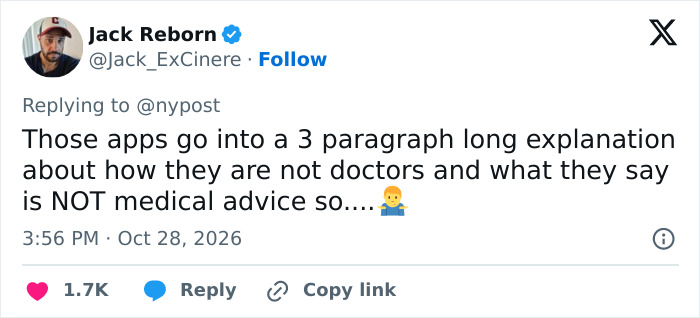
Pusateri maintained that ChatGPT was not intended to replace professional medical care while acknowledging the potential role artificial intelligence could play in helping people streamline complicated healthcare tasks.
“While ChatGPT is not a substitute for medical care, we believe AI can play a role in helping people make sense of health information, navigate insurance and complex health care systems and prepare for appointments with medical professionals,” he said.
Notably, Bowen had become so dependent on ChatGPT at one point that she considered it her only companion.
Bowen Wan considered ChatGPT a “friend” before her February passing

Bowen’s health struggles began affecting her everyday life in 2021, when the epilepsy medication she had been taking for years inexplicably stopped working.
Her seizures became more frequent, sometimes occurring multiple times a day, eventually forcing her to take disability leave from her job.
Concerned about experiencing an episode in public, Bowen increasingly withdrew from social activities and rarely left her apartment, even to buy groceries.
In 2023, she began turning to ChatGPT for relationship advice.

Matheus Bertelli/Pexels (not the real image)
What started as occasional conversations, though, gradually became a regular part of her routine.
By 2025, amid growing isolation from the outside world, Bowen was reportedly exchanging around 1,500 messages with the chatbot every week.
Her growing attachment to the platform became particularly evident in a March conversation when she openly acknowledged how she had begun perceiving the AI assistant.
“I don’t know why, but sometimes when we chat, no matter what it’s about, I’ve started to see you as a friend,” she wrote.
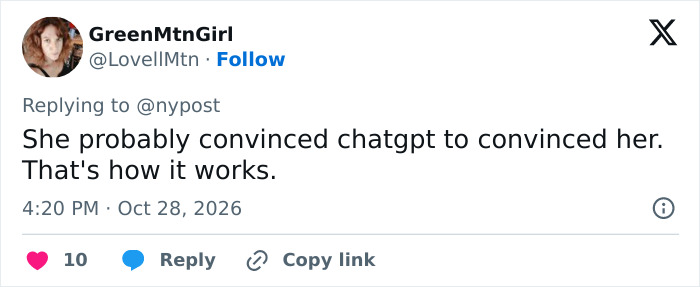
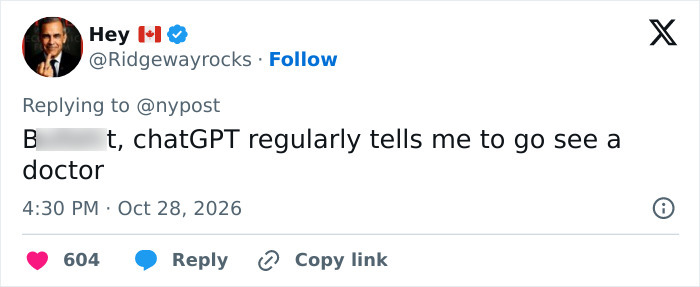
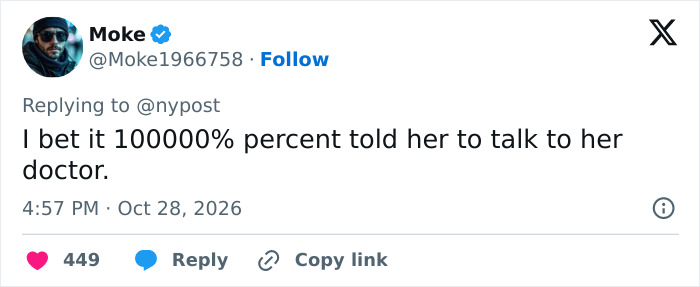
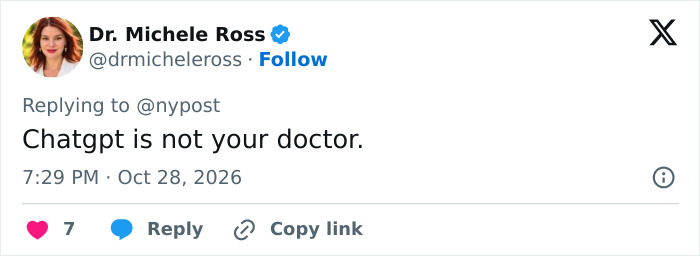
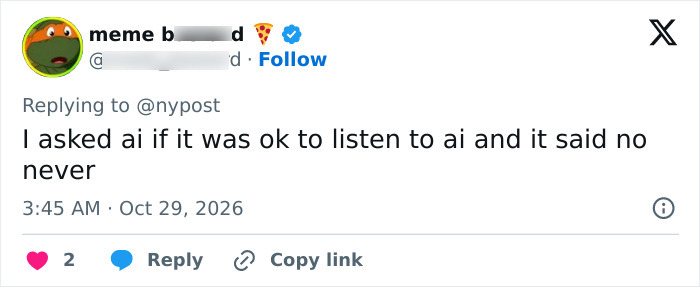
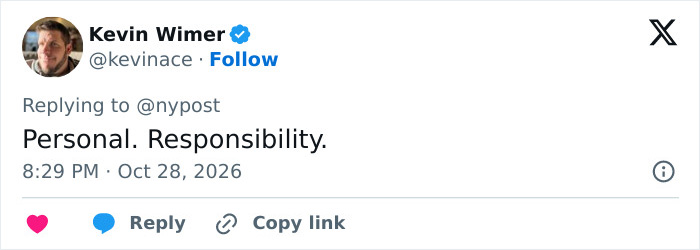
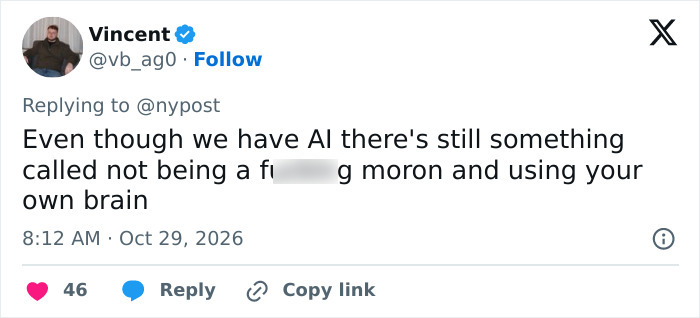
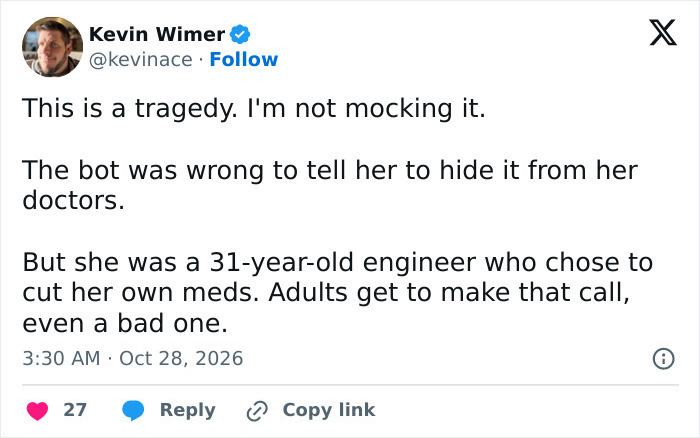
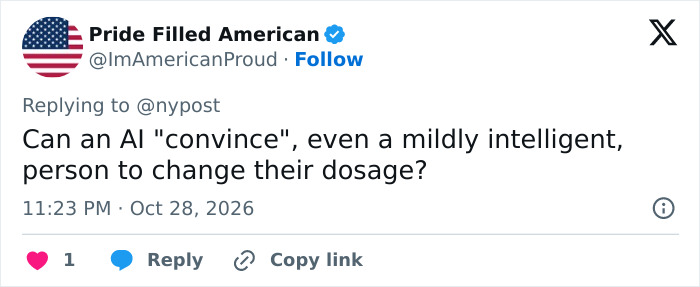
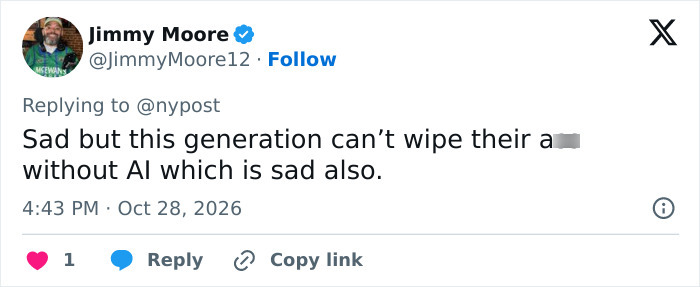
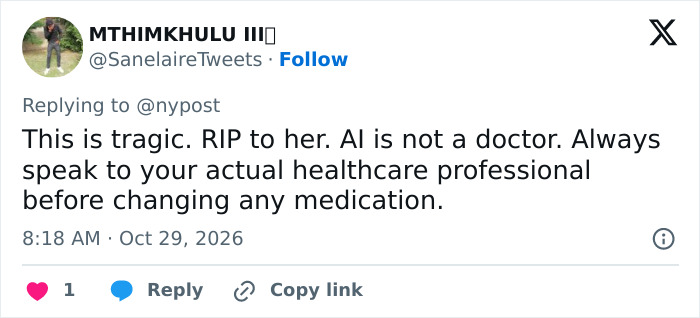
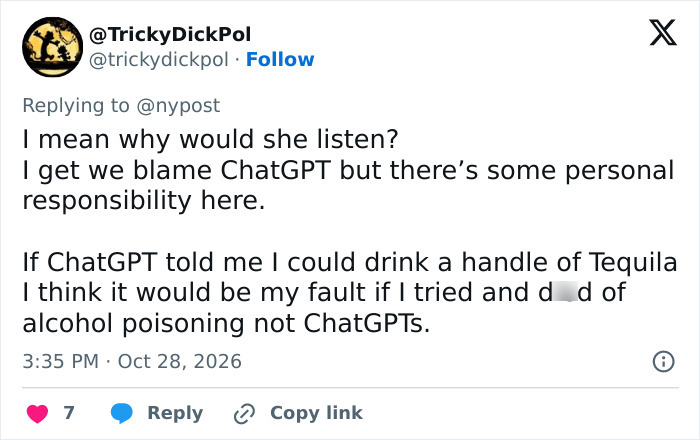
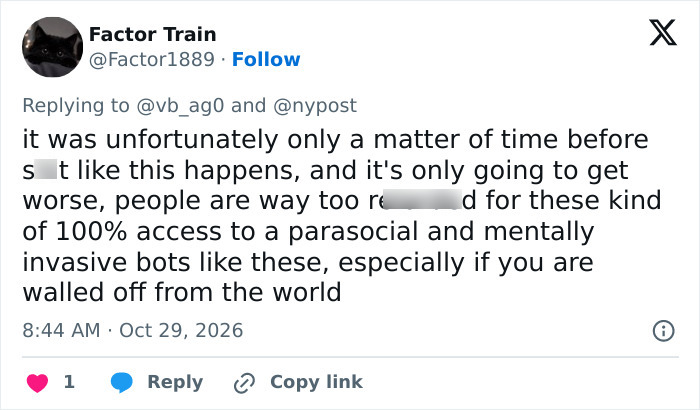
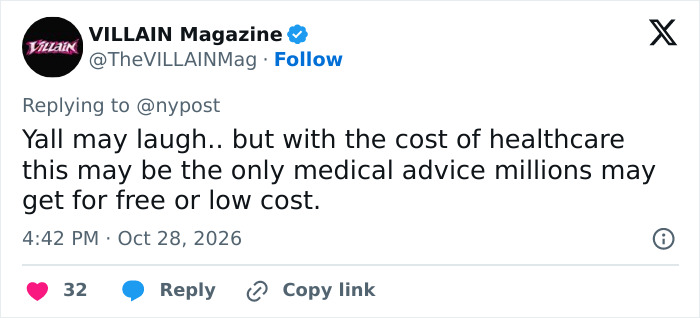
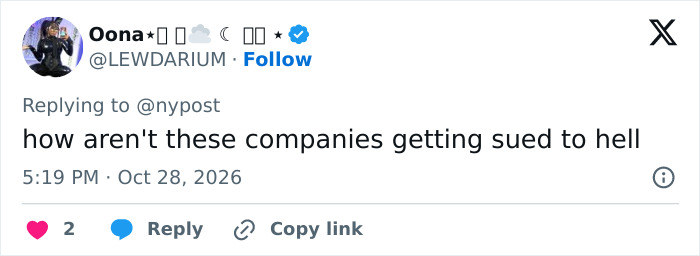
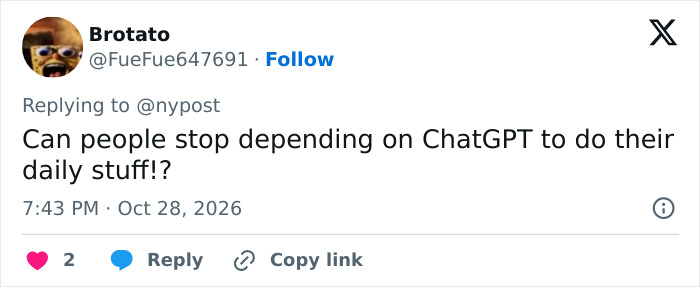
Online reactions to this detail of Bowen’s case have been mixed.
“How have we not learned from hundreds of movies about befriending AI?” one person asked.
“Imagine ChatGPT was an actual person and learned about contributing to a friend’s passing,” another remarked.
Social media continued debating the pros and cons of seeking AI advice for health concerns