Running out of money before the month ends can be frustrating, particularly when there is no obvious reason behind it.
Sometimes, the problem is not one major purchase but a series of seemingly harmless decisions that gradually take a toll on one’s finances.
TikTok creator Georgia May recently shared five habits she gave up after realizing why she was constantly struggling to save.
Her revelations resonated with viewers, while financial advisers have also explained why some everyday spending habits deserve a closer look.
“We often make impulsive purchases when our central nervous systems aren’t regulated,” one expert said.
Georgia May shared five habits she gave up after realizing why she was struggling financially
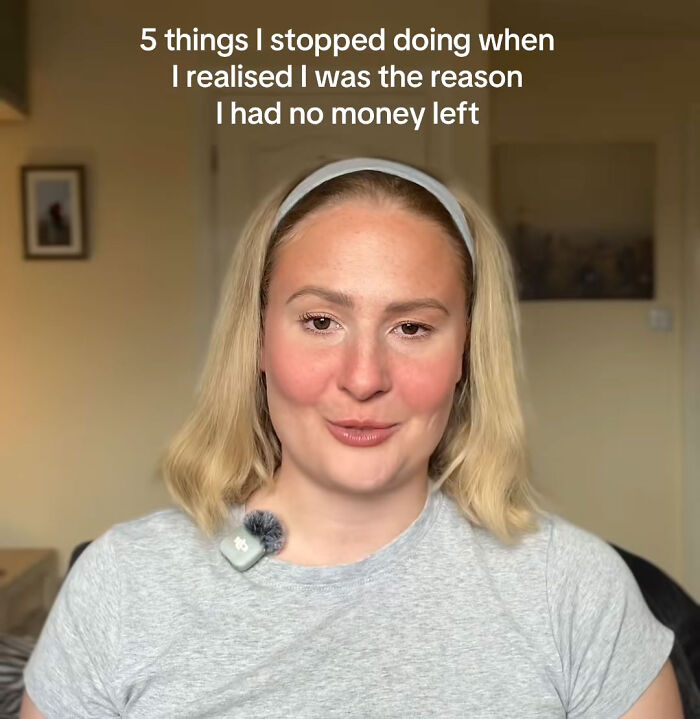
In a September 9 TikTok video, May admitted that she previously avoided checking her bank account because she was afraid of discovering how much money she had spent.
However, she has now made a habit of reviewing her balance, credit card debt, and other financial information every day.
Keeping track of her transactions allows her to recognize spending patterns and identify areas where she needs to cut back.

Alexander Mils/Unsplash (not the actual photo)
Scott Liberman, founder of Touchdown Money, endorsed the practice.
In an August 2024 interview with GOBankingRates, a personal finance website, he said, “Ideally, you should check your checking account balance around once a week.”
Grace Moser, owner of the lifestyle blog Chasing Foxes and a recognized financial expert, shared a similar sentiment.
“I feel that it’s best to check it at least once a week because it’s going to help you grow in mindfulness about how much money is leaving your account,” she explained.

SHVETS production/Pexels (not the actual photo)
Moser also noted that regularly reviewing transactions can encourage people to reconsider impulse purchases and develop better saving habits.
May’s second change involved setting money aside before making any purchases.
Rather than using her income throughout the month and saving whatever remained, she now transfers money into her savings account first and spends what is left.
She also uses her phone’s Notes app to maintain a basic budget and has automated her savings and investments so that the money is transferred as soon as she receives her salary.
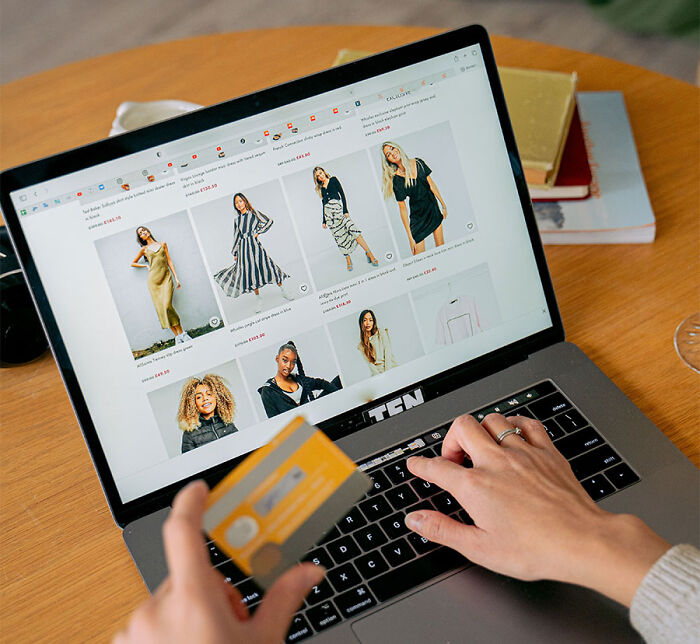
May also stopped buying things just because they were discounted and started following the 48-hour wait rule

Jahra Tasfia Reza/Pexels (not the actual photo)
Resisting the temptation of a good sale was not something May previously believed in doing.
She admitted that she used to purchase things she neither particularly liked nor needed simply because they were available at discounts of up to 70%.
Now, she writes down the items she wants and waits two days before making a purchase.
The pause, she explained, gives her time to consider whether she can afford something and whether it is something she genuinely needs.
Antoni Shkraba/Pexels (not the actual photo)
Financial adviser and fractional CFO Joe DiSanto explained why the technique can be effective in a May 2025 interview with Apartment Therapy, a lifestyle and interior design site.
“When you’re buying things, you get a rush. And when you’re online, the feedback loop is so fast, it’s even more addictive,” he said.
According to DiSanto, delaying a purchase interrupts that cycle and gives people time to consider whether their spending decisions align with their financial circumstances.

Mizuno K/Pexels (not the actual photo)
Jen Lawrence, an expert in finance and the psychology of money, also highlighted how emotions can influence shopping decisions.
“We often make impulsive purchases when our central nervous systems aren’t regulated,” she explained.
Lawrence added that waiting 48 hours can help people determine whether they genuinely want something or are shopping because they feel “hungry, angry, lonely or tired.”
May’s final two steps involved avoiding lifestyle comparisons and becoming more mindful of her social media consumption

Vodafone/Pexels (not the actual photo)
Cutting costs became much easier for May when she realized that someone would always be driving a more expensive car or living in a bigger house.
Constantly measuring her own life against those of others was doing little to improve her financial situation.
She also acknowledged that spending considerable time scrolling through Instagram and looking at carefully curated, flamboyant social habits was doing her more harm than good.
Instead, she began redirecting that time toward content discussing how seemingly insignificant purchases could gradually add up to substantial expenses.
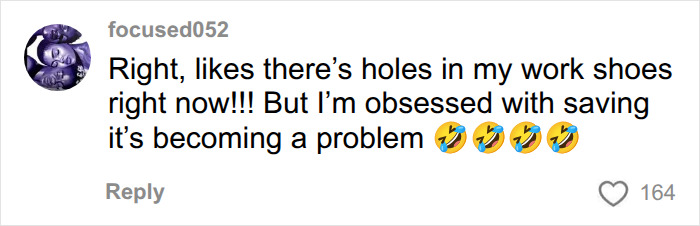
TikTok users agreed with her observations, with one commenting on how frequently spending $5 or $10 could eventually leave someone “penniless.”
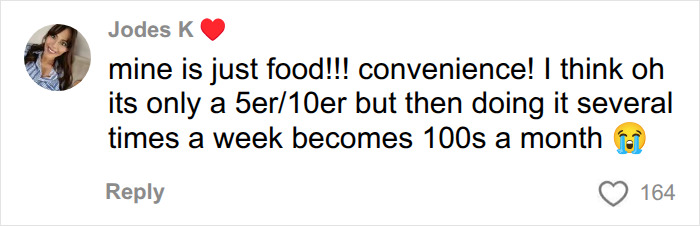
“For me, it is mostly food and convenience purchases. I think spending small amounts is harmless, but doing it several times a week can add up to hundreds of dollars a month,” another viewer wrote.
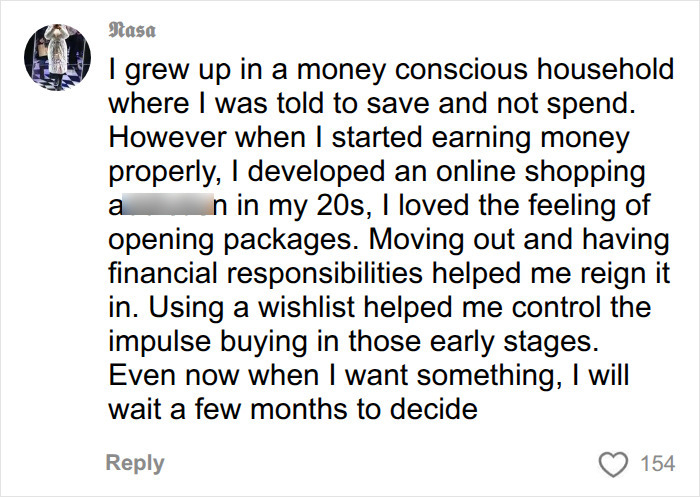
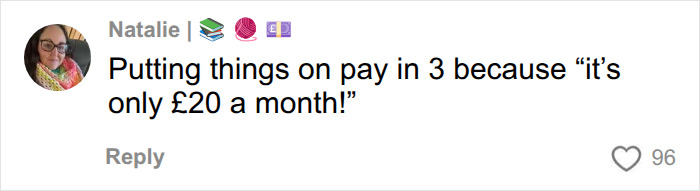
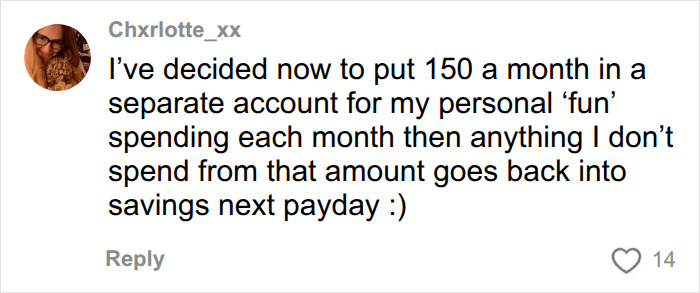
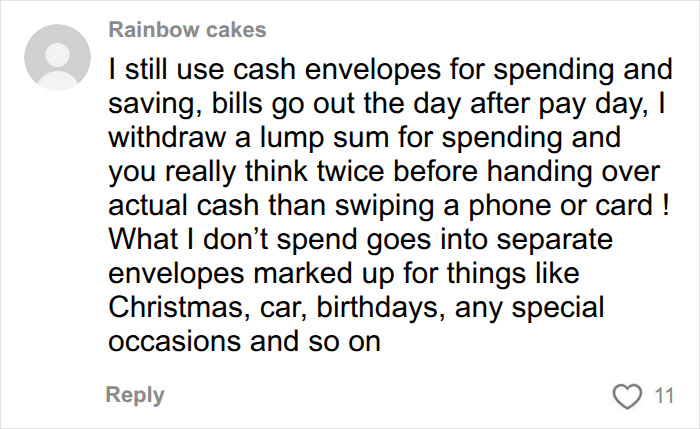
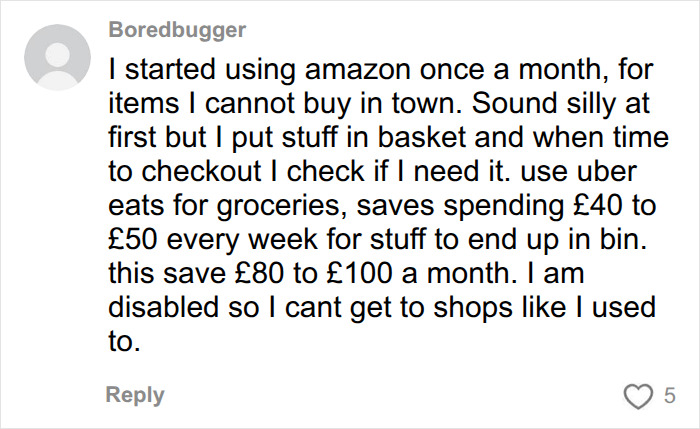
Social Media users kept discussing the causes they thought were responsible for their bad finances