Anyone who has ever been painfully bloated after a meal knows how uncomfortable trapped gas can be. You want to let the air out so you can feel better. Now imagine having that feeling all the time but being unable to burp for years.
That is what happened to Gemma Renwick, who spent most of her life thinking she had to live with the problem. Even after seeing several doctors, she still had no answers. It took years before she finally found out what was really going on.
Burping is a normal way for your body to get rid of swallowed air after eating
Drazen Zigic / Magnific (not the actual photo)
Gemma spent years dealing with trapped air without knowing what was causing it
Gemma revealed that she had never been able to burp naturally for as long as she could remember. And the trapped air often left her feeling sick and in pain. For years, she thought she might have IBS or some kind of food intolerance, especially because eating and drinking could make the discomfort much worse.
The problem also affected how she spent time with friends. Gemma recalled going out for drinks or meals, only to reach a point where she felt too uncomfortable to stay. Her friends wondered why she always felt ill or headed home early.
At one point, she discovered she could get some relief by triggering the back of her throat to release the air. She remembered being shocked by how much pressure came out and how quickly she felt better afterward. She had to resort to this method when the discomfort became too much. This helped her realize that the problem was connected to her inability to release air properly.
krakenimages.com / Magnific (not the actual photo)
After finally getting a diagnosis, Gemma found a treatment that made a difference
Years later, Gemma finally discovered that there was a name for what she had been going through: retrograde cricopharyngeal dysfunction, or RCPD, commonly known as “no-burp syndrome.”
She was diagnosed in 2024 and learned that Botox could be injected into the affected throat muscle to help it relax and allow trapped air to escape. She paid £920 for the private treatment, and within days, she noticed a lot of difference.
The treatment changed things dramatically for Gemma. She said she started burping around four or five days afterward and noticed that the constant bloating had eased. The other stomach problems she had lived with also became much better.
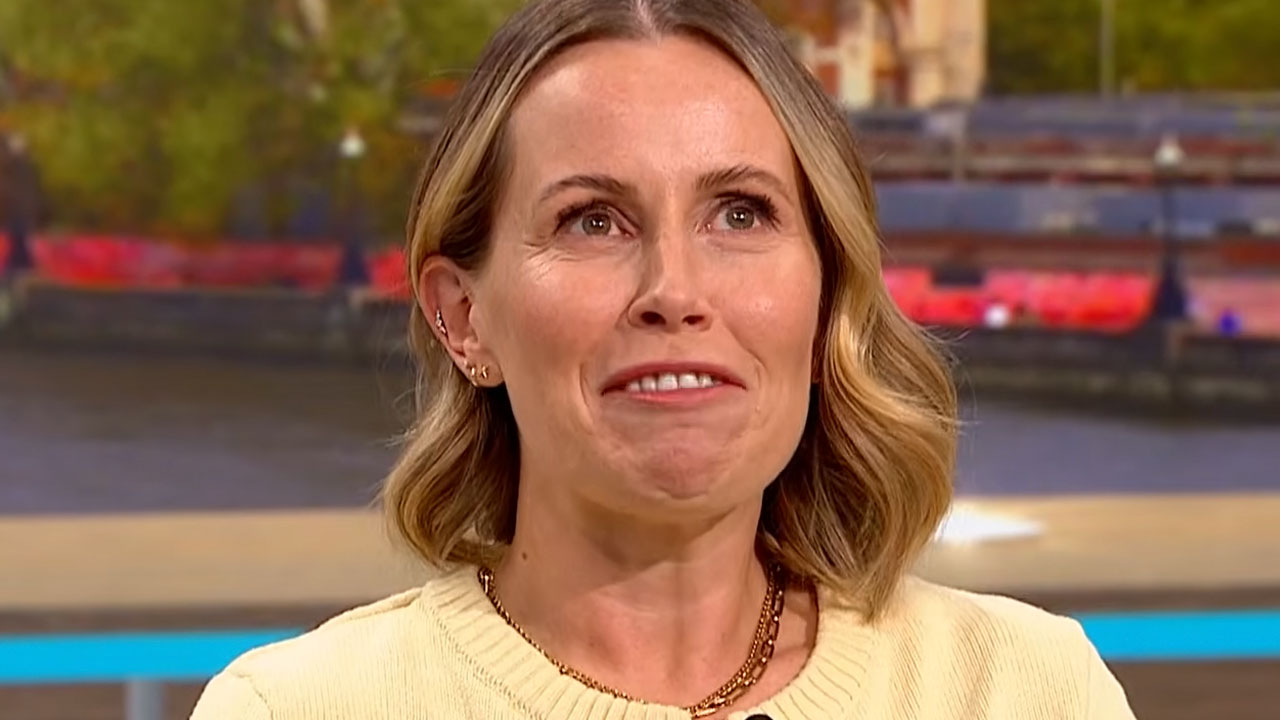
Now, she uses TikTok, where she has around 47,000 followers, to talk about RCPD and spread awareness of the condition. She said she had no idea other people experienced the same thing until she started finding them online, and she hoped they could also get the help they need.
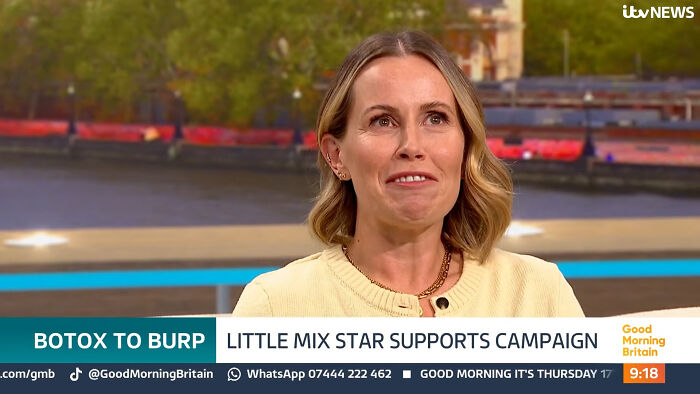
Good Morning Britain / YouTube
RCPD makes it hard for the body to release swallowed air, resulting in painful bloating
RCPD, or retrograde cricopharyngeal dysfunction, is caused by a problem with the muscle at the top of the esophagus. Normally, that muscle relaxes when your body needs to release swallowed air as a burp. In people with RCPD, it doesn’t relax properly, so air gets trapped instead.
Gastroenterologist Alison Schneider explains that this can lead to symptoms such as chest pain, abdominal swelling, and increased gas. Doctors still do not have a clear answer for what causes RCPD. Research suggests that the problem is linked to how the cricopharyngeal muscle functions, but the exact reason it develops is still being studied.
A 2025 systematic review found that more than half of the patients studied had symptoms beginning in childhood, while a family history was reported in about 28% of cases.

RCPD can be hard to diagnose because it is easy to mistake for other stomach issues
Because the symptoms can resemble other digestive problems, diagnosis can be tricky. Johns Hopkins laryngologist Lee Akst explains that he starts by reviewing a patient’s medical history and checking that symptoms fit RCPD, while also looking for issues such as swallowing problems or reflux.
No single gold-standard test exists for RCPD, and doctors may use additional examinations when they need to rule out other conditions.
kues1 / Magnific (not the actual photo)
Botox injection can help relax the throat muscle and ease the problems caused by RCPD
For people who are diagnosed with RCPD, Botox is currently the most commonly reported treatment. The injection relaxes the cricopharyngeal muscle so trapped air can escape as a burp. A 2024 study found that 86.9% of the 637 patients included improved after their initial Botox treatment, although the researchers stressed that available studies are still limited.
Laryngologist Lee Akst also explains that while Botox effects wear off after several months, many patients continue to burp normally because they may have learned to use the muscle differently.
Jade Thirlwall opens up about her experience with “no-burp syndrome”
Gemma is now using her experience to help other people recognize RCPD and realize that constantly feeling bloated or unable to burp may be worth discussing with a doctor. Have you ever heard of “no-burp syndrome” before? Let us know in the comments.
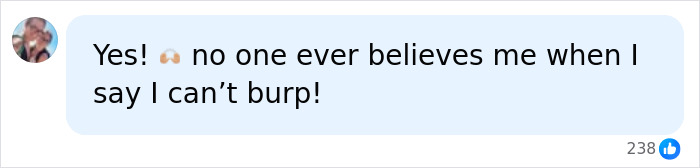
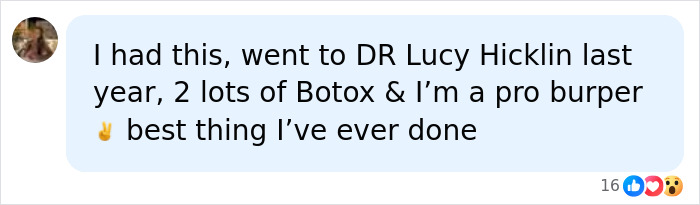
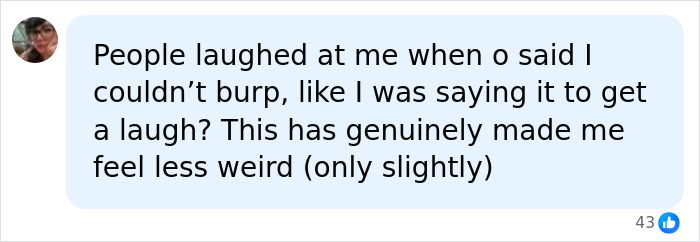
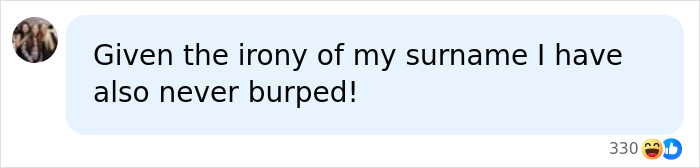
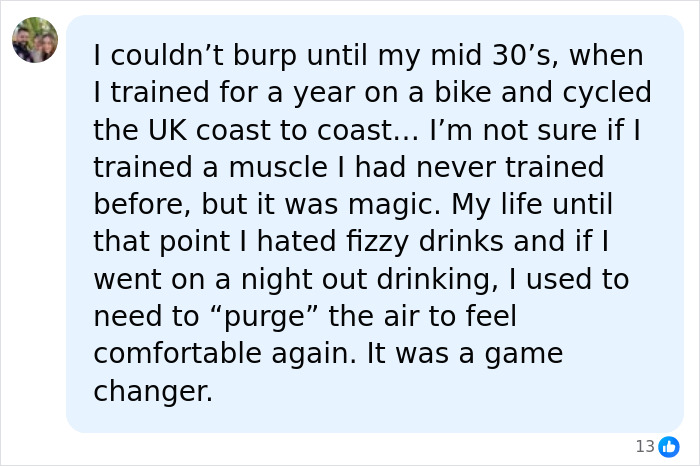
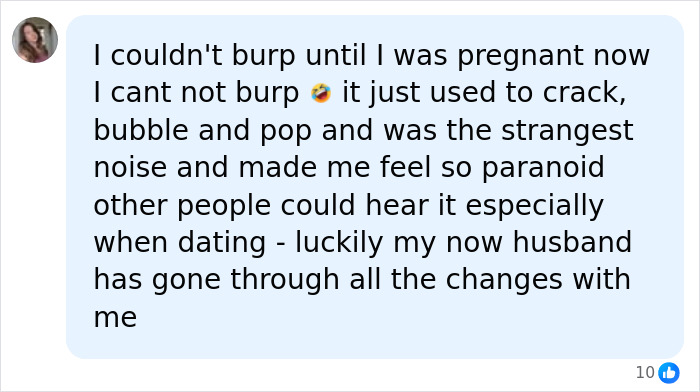
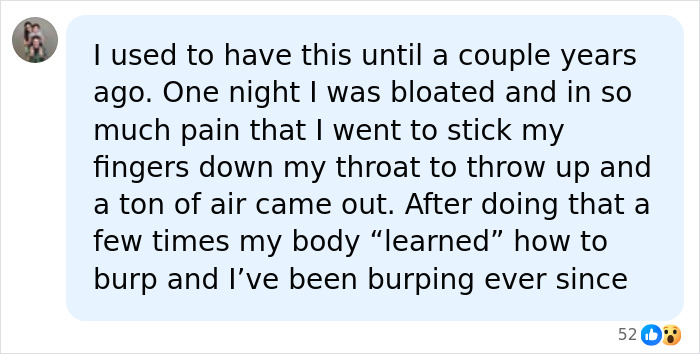
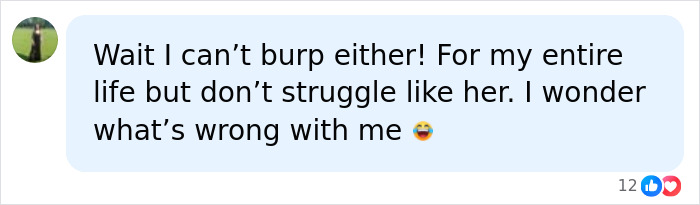
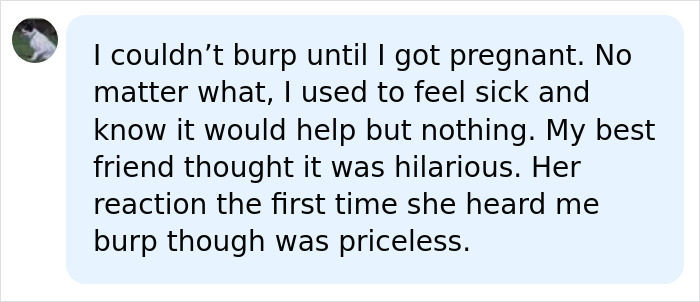
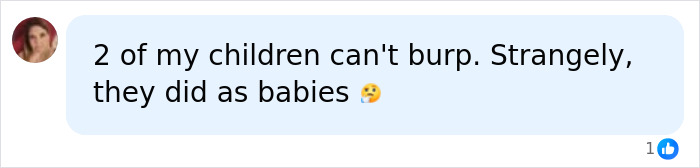
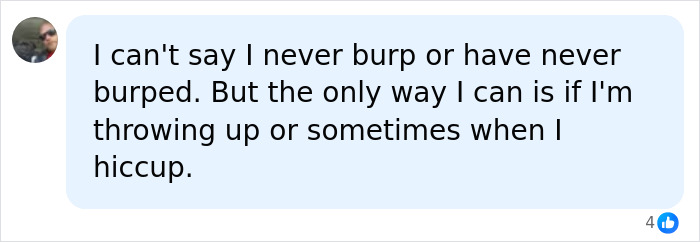
People with RCPD shared their own experiences, from being laughed at to finding relief with Botox